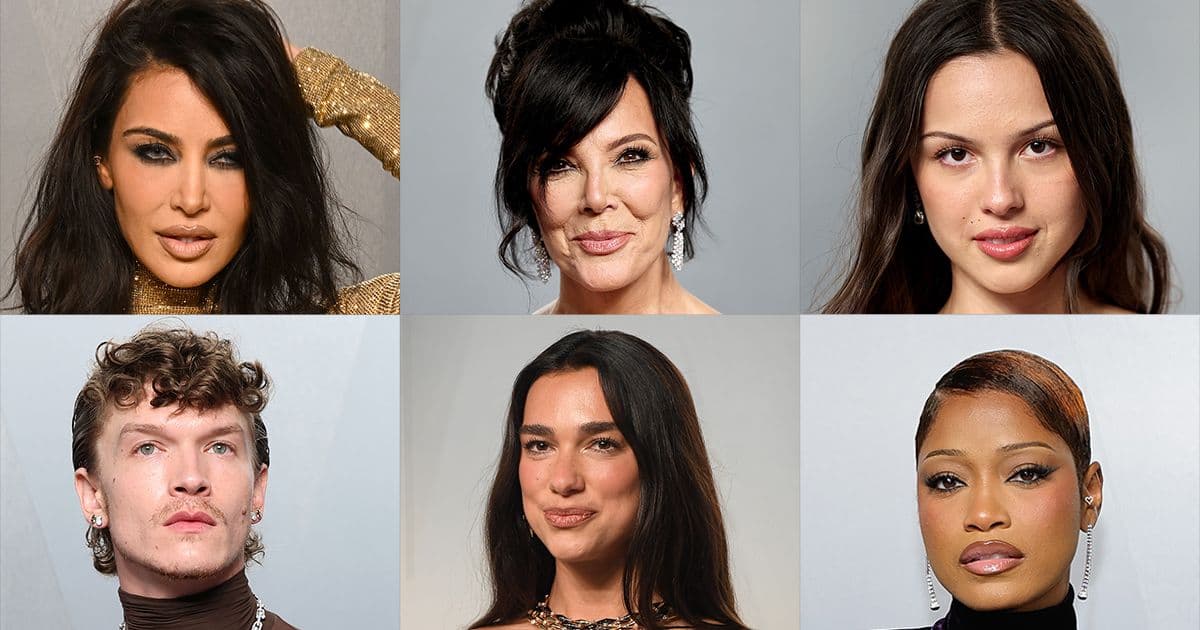
Vanity Fair’s much-anticipated annual Oscar party, long considered a pinnacle of Hollywood glamour, descended into chaos and backlash this past Sunday night, as a combination of harsh lighting, last-minute venue changes, and an aggressively curated guest list left celebrities fuming. What was supposed to be a triumphant return under new editor Mark Guiducci—who had vowed to restore the event’s prestige after years of perceived decline—quickly spiraled into what insiders now describe as a ‘lightmare,’ where even the most meticulously styled stars found themselves unflatteringly captured in high-definition glare. The fallout has since gone viral, with unflattering photos flooding social media and sparking a wave of public ridicule.
Vanity Fair’s Oscar Party Meltdown: What Went Wrong Behind the Scenes
The evening began with high hopes. Mark Guiducci, who took the reins at Vanity Fair in 2023, had made it his mission to revive the magazine’s once-legendary Oscar party—a ritual dating back decades that had once served as the unofficial closing act of awards season. Guiducci, a veteran Hollywood publicist turned editor, had spent months preparing for the event, reportedly reviewing the guest list ‘a thousand times’ to ensure only the most A-list names received invitations. Formerly welcome guests, including media reporters and TV stars, were suddenly excluded, with only select exceptions such as Guiducci’s boyfriend, New York Times reporter Shawn McCreesh, and McCreesh’s former boss, Maureen Dowd. Yet even some of Hollywood’s most bankable stars found themselves mysteriously left off the roster.
Emma Stone’s Snub and the Changing Face of Oscar Party Invitations
Oscar winner Emma Stone, who had been invited to the Vanity Fair party, was caught on video expressing confusion about her exclusion from other post-Oscar events. When asked about her plans after the ceremony, Stone mentioned she was heading to a ‘big bus’ with her peers to attend parties hosted by Universal Pictures and A24. Asked directly about Vanity Fair, she shrugged and replied, 'It’s so weird—even if you’re nominated, it doesn’t mean you can go.' Her comments underscored growing frustration among stars who feel the event has lost its prestige and inclusivity. While Stone was ultimately invited, the incident highlighted a broader shift in how invitations are distributed—and who gets to attend.
Venue Chaos: From Wallis Annenberg to LACMA’s Half-Finished Galleries
Another major misstep came with the party’s relocation. For years, Vanity Fair’s Oscar gala had been held at the Wallis Annenberg Center for the Performing Arts in Beverly Hills—a venue synonymous with old-Hollywood elegance and seamless logistics. But this year, Guiducci moved the event to the Los Angeles County Museum of Art (LACMA), reportedly to showcase the museum’s newly unveiled David Geffen Galleries, which promise to be a major cultural attraction. However, by Oscar night, large portions of the galleries remained unfinished, forcing the party to be relocated to a far less glamorous wing of the museum. Despite LACMA’s efforts to accommodate the magazine, the space lacked the polished atmosphere guests expected.
The Lighting Disaster: Why Vanity Fair’s Signature ‘Magic’ Vanished Overnight
For decades, Vanity Fair’s Oscar party had been defined by one crucial element: its red carpet lighting. Veteran guests and photographers described the setup as near-magical—a carefully calibrated system of diffused, flattering light that smoothed over wrinkles, minimized blemishes, and ensured even the most insecure celebrities left the event looking their best. As one longtime fixture put it, 'When you posed for the paps at the VF gala, even the ugliest stars knew they’d come out all right. It was like magic!' But on Sunday night, that magic disappeared.
Klieg Lights and Hot Flashes: The Brutal Truth of Unfiltered Photography
According to multiple attendees, the lighting setup was a catastrophic failure. With the move to LACMA, someone had apparently forgotten to bring—or install—the dimmer controls that had long been a hallmark of the event. Instead, guests were blasted by harsh, unrelenting lights that turned the red carpet into something resembling a police interrogation room. 'It was so crazy-bright there, I felt like I was standing under klieg lights,' moaned one attendee. Another joked that the experience had triggered what she believed were premature menopausal symptoms. 'I was literally having hot flashes. It was like a hundred degrees.' The unforgiving glow exposed every pore, wrinkle, and pound, rendering years of skincare routines and stylish tailoring irrelevant.
The Social Media Firestorm: When Unflattering Photos Go Viral
Within minutes of the first photos hitting the wires, the damage was done. Stars who had spent thousands on stylists, makeup artists, and personal trainers were horrified by what they saw. 'It was just so unforgiving,' said a Vanity Fair insider. 'Like being shot in extremely high-def. You saw a lot of excess pounds and wrinkles that used to be hidden.' The images quickly spread across Instagram and TikTok, where they were dissected, mocked, and shared by millions. One actress, in particular, became an unwitting symbol of the disaster. Described by a guest as resembling a 'Diane Arbus character,' she was reportedly seen staring at her phone in shock, shrieking at her publicist. 'I heard that she went home and cried herself to sleep. Nobody has heard from her since,' said a tart-tongued attendee. The incident underscored the brutal reality of Hollywood’s obsession with image—and the unforgiving nature of social media.
The Guest List Controversy: Who Got Left Out and Why It Matters
Perhaps the most contentious aspect of the evening was Guiducci’s aggressive curation of the guest list. Longtime observers of Vanity Fair’s Oscar party noted that while A-list stars like Margot Robbie, Timothée Chalamet, and Michelle Yeoh were present, the absence of certain high-profile names—some of whom had previously been fixtures—raised eyebrows. The exclusions extended beyond traditional media figures to include some industry insiders and even former collaborators of the magazine. While Guiducci reportedly aimed to elevate the event’s prestige by focusing on 'AAA-list' talent, the move backfired, leaving many wondering whether Vanity Fair was prioritizing exclusivity over inclusivity.
Influencer Emcees and Awkward Moments
Adding insult to injury were the event’s emcees—self-described influencers who were tasked with hosting the party. Instead of polished professionals, attendees were subjected to a chaotic lineup of online personalities who frequently talked over one another and delivered cringe-worthy remarks. Kris Jenner, a longtime fixture at Vanity Fair’s gala, was caught on camera questioning one emcee’s credentials with a blunt, 'How did you even get this gig?' The awkwardness escalated when Jake Shane, one of the hosts, turned to Damson Idris and asked, 'Do you find the actor who played a terminally ill child in *If I Had Legs I’d Kick You* so annoying?' The remark, delivered with all the subtlety of a sledgehammer, left many guests stunned. 'It was like watching a car crash in real time,' said one attendee.
The Aftermath: Stars Flee to Better Parties, VF Insiders Downplay the Damage
By Monday morning, the damage was undeniable. Many celebrities who had attended Vanity Fair’s party chose to share more flattering photos from other post-Oscar events, including the lavish bashes hosted by Guy Oseary and Madonna. The contrast was stark: where Vanity Fair’s images revealed every flaw, the alternative photos offered the polished glamour Hollywood craves. Yet not everyone was ready to write off the disaster. Some attendees offered a more charitable perspective. 'Look, it had its problems, but it’s also their first time at this locale,' said one empathetic partygoer the following day. 'I’ll still go next year if I’m invited, but hopefully they won’t hire the lighting designer who did the 405.'
Mark Guiducci’s Night Ends on a High Note
For Guiducci, the evening ended on a surprisingly positive note. As the party wound down, the editor—dressed in a custom-made green velvet tuxedo by Savile Row tailor Ralph Fitzgerald—was seen canoodling with his boyfriend at the bar. Insiders reported that his mood visibly brightened as the night progressed, a stark contrast to the earlier chaos. Whether this signifies a turning point for the event remains to be seen. One thing is certain: the Vanity Fair Oscar party will not soon forget the 'lightmare' of 2025.
- Vanity Fair’s Oscar party this year was marred by harsh lighting, venue chaos, and an aggressively curated guest list, sparking celebrity outrage.
- The event’s signature flattering lighting system failed, exposing stars’ flaws and triggering a social media firestorm.
- Editor Mark Guiducci’s decision to exclude former attendees and focus solely on ‘AAA-list’ stars backfired, leaving many high-profile names snubbed.
- Last-minute venue changes from the Wallis Annenberg Center to LACMA’s unfinished galleries added to the logistical nightmare.
- The fallout highlights the unforgiving nature of Hollywood’s image culture and the risks of prioritizing exclusivity over inclusivity.
Why Vanity Fair’s Oscar Party Still Matters in the Age of Social Media
For decades, Vanity Fair’s Oscar party has been more than just a party—it’s been a cultural institution, a place where Hollywood’s elite gather to see and be seen. The event’s red carpet photos have launched a thousand think pieces, cementing or destroying reputations in a single frame. In an era where social media dictates perception, the stakes have never been higher. A single unflattering photo can go viral in minutes, morphing into a meme or a scandal overnight. The 2025 disaster serves as a cautionary tale about the power—and peril—of image in the digital age. For a magazine like Vanity Fair, which has long positioned itself as the arbiter of taste and sophistication, the failure to deliver on its signature event is more than just a logistical misstep—it’s a reputational crisis.
The incident also raises broader questions about the future of Hollywood’s awards-season parties. As exclusivity becomes harder to maintain and social media scrutiny intensifies, traditional bastions of glamour like Vanity Fair’s gala may struggle to adapt. Will the event rebound next year, or will it become another relic of a bygone era? For now, the answer remains uncertain—but one thing is clear: the 2025 Vanity Fair Oscar party will be remembered as a turning point, for better or worse.
Key Takeaways: What the Vanity Fair Disaster Teaches Hollywood
- The Vanity Fair Oscar party’s 2025 edition collapsed under a trifecta of errors: brutal lighting, venue mismanagement, and an exclusivity-first guest list.
- The event’s signature flattering lighting system—a decades-old secret to its success—was rendered obsolete by a rushed move to LACMA and a forgotten dimmer.
- High-profile snubs and influencer-hosted chaos amplified the backlash, turning a once-magical night into a viral spectacle of disappointment.
- The fallout underscores the unforgiving nature of social media, where a single unflattering photo can overshadow months of preparation.
- Vanity Fair’s future at the Oscars now hangs in the balance, with the 2025 disaster serving as a warning about the risks of overhauling tradition.
Frequently Asked Questions About Vanity Fair’s Oscar Party Disaster
Frequently Asked Questions
- Why did Vanity Fair move its Oscar party from the Wallis Annenberg Center to LACMA?
- Editor Mark Guiducci reportedly wanted to showcase LACMA’s new David Geffen Galleries as part of the event’s prestige strategy, but the venue’s unfinished state forced a last-minute relocation to a less glamorous wing of the museum.
- Who was excluded from Vanity Fair’s Oscar party this year?
- Formerly welcome guests, including media reporters and TV stars, were suddenly persona non grata. Even some high-value targets, like certain industry insiders, found themselves mysteriously cut, though exceptions were made for Guiducci’s boyfriend, Shawn McCreesh, and his former boss, Maureen Dowd.
- What caused the harsh lighting at Vanity Fair’s Oscar party?
- The move to LACMA coincided with a forgotten dimmer switch, leaving guests blasted by unrelenting lights that exposed every flaw. The absence of the magazine’s signature flattering setup turned the red carpet into a high-definition nightmare.