
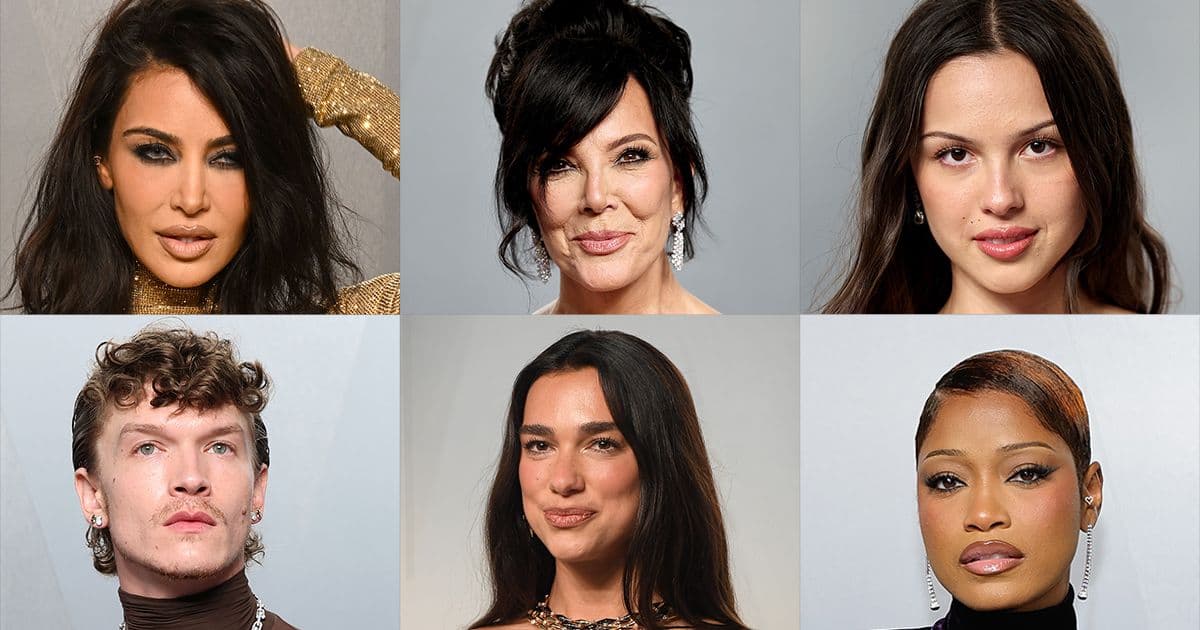
For three decades, Vanity Fair’s Oscars afterparty has been the gold standard for celebrity photography, where even the most high-maintenance stars emerged with flawless skin under the magazine’s signature soft, flattering lighting. But this year, the magic vanished. On March 10, 2024, guests at the Los Angeles County Museum of Art (LACMA)—where the party was relocated under new leadership—were subjected to what multiple attendees described as 'crazy bright,' 'unforgiving,' and 'like being shot in 4K resolution.' Pores that had been artfully concealed for years suddenly became visible, wrinkles deepened, and one actress reportedly had such a public meltdown that she fled the scene in tears, according to sources who spoke to *The Hollywood Reporter*.
- Vanity Fair’s 2024 Oscars party lighting was widely criticized as 'unforgivingly bright,' exposing celebrities’ imperfections.
- The shift in venue from the Wallis Annenberg Center to LACMA, along with new leadership under Mark Guiducci, may have contributed to the oversight.
- Multiple guests reported feeling overheated and emotionally distressed by the harsh lighting conditions.
- The incident highlights the fragility of Hollywood’s carefully curated public image and the high stakes of celebrity photography.
How a Three-Decade-Old Tradition Was Disrupted by Harsh Lighting
Since 1994, Vanity Fair’s Oscars party has been a magnet for the world’s most photographed celebrities, including legends like Madonna, Elton John, and Beyoncé. The party’s allure wasn’t just the star-studded guest list or the post-awards revelry—it was the lighting. For years, the party’s photographers and paparazzi relied on a carefully calibrated setup that bathed the red carpet in a warm, diffused glow, erasing blemishes, minimizing wrinkles, and ensuring that every attendee—regardless of age or physical condition—looked their best in the resulting images. This year, however, the formula broke down. Sources within Condé Nast, Vanity Fair’s parent company, told *The Hollywood Reporter* that the change in venue from the Wallis Annenberg Center in Beverly Hills to LACMA’s more spacious, modern halls was intended to elevate the event’s glamour. But in the rush to reimagine the party, no one accounted for the critical role lighting played in its success.
The Role of Lighting in Celebrity Photography
Professional photographers and paparazzi have long relied on specific lighting setups to manipulate how celebrities appear in photos. Soft, diffused lighting—often achieved with large softboxes or bounce lighting—minimizes shadows and reduces the appearance of fine lines, pores, and other imperfections. This technique is particularly crucial at high-profile events like the Oscars, where the images are scrutinized by millions. 'The lighting at Vanity Fair’s party was always magic,' said one longtime attendee who spoke to *THR*. 'It didn’t matter if you were 25 or 75—you came out looking like a supermodel.' The sudden shift to harsh, direct lighting this year was a stark departure from that tradition, leaving guests feeling exposed and vulnerable.
The New Venue: LACMA’s Modern Aesthetic vs. the Party’s Needs
The Wallis Annenberg Center, the party’s previous home, was known for its intimate, club-like atmosphere, with controlled lighting that complemented the red carpet aesthetic. LACMA, by contrast, is a sprawling, contemporary space with high ceilings and glass walls, designed to showcase art rather than celebrity glamour. 'LACMA’s lighting is built for art, not for paparazzi,' said a source familiar with the venue. 'The natural light and the industrial design made the space feel cold and unflattering.' The decision to move the party was part of a broader overhaul under Mark Guiducci, Vanity Fair’s global editorial director, who took over from Radhika Jones in 2023. Guiducci, a veteran of Vogue’s creative team, had ambitious plans to modernize the party, including curating a more exclusive guest list and elevating the event’s cultural cachet. But in the process, he overlooked a decades-old secret to the party’s success: the lighting.
The Human Toll: Celebrities React to the 'Unforgiving' Light
The harsh lighting didn’t just affect the quality of the photos—it had a psychological impact on some of Hollywood’s biggest stars. Multiple sources described guests as 'shell-shocked' by the sudden exposure of their imperfections. One actress, whose identity remains undisclosed, reportedly had such an extreme reaction that she was seen 'shrieking at her publicist' while reviewing photos on her phone, according to a *THR* source. 'She went home and cried herself to sleep,' the source said. 'Nobody has heard from her since.' The incident underscores the immense pressure celebrities face to maintain a flawless public image, where even minor flaws can become fodder for tabloids and social media. For years, the Vanity Fair party’s lighting acted as a protective shield, ensuring that no one left looking anything less than perfect. This year, that shield was shattered.
Was the Lighting Fiasco a Symptom of Vanity Fair’s Broader Challenges?
The lighting disaster at Vanity Fair’s Oscars party may be more than just a logistical oversight—it could signal deeper challenges for the magazine under its new leadership. Radhika Jones, who helmed Vanity Fair from 2017 to 2023, was widely praised for revitalizing the publication and turning its Oscars party into a must-attend event. Jones, a former editor at *The New York Times* and *Time*, was known for her strategic vision and ability to blend highbrow culture with mainstream appeal. Her departure last summer and Guiducci’s appointment marked a shift toward a more fashion-forward, celebrity-centric approach. However, the party’s struggles this year suggest that the transition hasn’t been seamless. 'This was Guiducci’s baby,' said a Condé Nast insider. 'He wanted to make it bigger, better, more exclusive. But sometimes, you can’t improve on perfection.'
The Exclusive Guest List Controversy
In addition to the venue change, Guiducci also reportedly tightened the guest list, aiming to create a more 'curated' experience. According to *THR*, the new criteria for invitations included higher social media followings and greater cultural influence, a move that some insiders criticized as elitist. 'It’s not just about who you know anymore—it’s about who you can be seen with,' said a publicist who works with A-list clients. While exclusivity is a hallmark of high-profile events, the sudden shift in guest criteria may have contributed to the party’s lack of cohesion, leaving some attendees feeling out of place in the stark new setting.
Could the Problem Have Been Avoided? Lessons from the Lighting Industry
The lighting disaster at Vanity Fair’s party raises questions about whether the issue could have been prevented with better planning or industry expertise. Professional event lighting designers, particularly those specializing in red-carpet events, use a combination of techniques to ensure flattering conditions for celebrities. This includes diffused key lights, controlled ambient lighting, and strategic placement of reflectors to minimize harsh shadows. 'You don’t just plug in a bunch of lights and hope for the best,' said a veteran event photographer who has worked at the Oscars for over a decade. 'This year’s setup was amateur hour.' Some industry experts have speculated that Vanity Fair could have consulted with specialists from high-profile fashion weeks or award shows, where lighting is meticulously planned to showcase models and celebrities in their best light—literally.
The Aftermath: Did the Party Live Up to the Hype?
Despite the lighting fiasco outside, sources say the party itself was a success. Guiducci, who was reportedly 'having a nervous breakdown' in the early hours, reportedly relaxed as the night progressed, even 'canoodling with his boyfriend at the bar' by the end. The internal drama, however, paled in comparison to the public relations nightmare unfolding online. Social media erupted with memes and critiques, with many questioning whether the party had lost its magic. 'Vanity Fair’s party used to be the one place where everyone looked perfect,' wrote *The Cut*. 'This year, it felt like a cautionary tale about the fragility of image.' While the magazine has yet to issue an official statement about the lighting incident, insiders suggest that future parties will likely revert to the tried-and-true formula—or at least hire someone who knows how to light a red carpet properly.
The Future of Celebrity Photography in the Age of Harsh Scrutiny
The Vanity Fair lighting disaster is more than just a celebrity gossip story—it’s a reflection of broader trends in an era where every flaw is magnified by high-resolution cameras and social media. For decades, celebrities and their teams relied on controlled environments, including flattering lighting, strategic angles, and even digital retouching, to maintain their public personas. But as technology advances and public scrutiny intensifies, the gap between reality and perception is becoming harder to bridge. 'The days of flawless red-carpet photos are numbered,' said a Hollywood publicist. 'People are going to see the real you eventually, whether you like it or not.' The incident serves as a reminder that even the most carefully curated events can backfire when the fundamentals—like lighting—are overlooked.
Key Takeaways: What We Learned from Vanity Fair’s Lighting Nightmare
- The 2024 Vanity Fair Oscars party’s harsh lighting exposed celebrities’ imperfections, shattering a decades-old tradition of flattering photography.
- The venue change from the Wallis Annenberg Center to LACMA, along with new leadership under Mark Guiducci, may have contributed to the oversight.
- The incident highlights the psychological toll of public image scrutiny in Hollywood, where even minor flaws can spark meltdowns.
- The lighting disaster underscores the importance of professional event planning, particularly for high-stakes celebrity events.
- The future of celebrity photography may require a shift toward authenticity, as high-resolution cameras and social media make flawless images increasingly difficult to achieve.
Frequently Asked Questions About Vanity Fair’s Oscars Party Lighting Disaster
Frequently Asked Questions
- Why was the lighting at Vanity Fair’s Oscars party so harsh this year?
- The shift from the Wallis Annenberg Center to LACMA, combined with new leadership under Mark Guiducci, led to oversight of the party’s signature flattering lighting setup. The modern, industrial design of LACMA’s space also contributed to the unforgiving lighting conditions.
- Did any celebrities publicly react to the harsh lighting?
- Sources told *The Hollywood Reporter* that at least one actress had a severe emotional reaction, reportedly crying and fleeing the scene after seeing unflattering photos of herself. Other guests described the lighting as 'unbearable' and 'like high-definition hell.'
- Will Vanity Fair change its lighting setup for next year’s party?
- While Vanity Fair has not issued an official statement, insiders suggest the magazine will likely return to its tried-and-true lighting formula—or hire a specialist to avoid another public relations disaster. The party’s future success may depend on it.


