If you're looking for a quick, protein-filled snack, meat sticks may seem like a no-brainer.
They're no longer just a gas station staple. In recent years, they’ve become a trendy high-protein, low-carb snack often with better-for-you branding, registered dietitian Samantha Cassetty tells TODAY.com. You can find sticks made from a variety of meats in fancy flavors.
Meat sticks are the fastest-growing snack category in the United States, garnering $5.5 billion in sales last year, Fortune reported.
“I think people now perceive it as more of 'whole food' than, say, a protein bar,” says Cassetty.
Thanks to America's protein craze, the meat stick business just keeps growing, says Cassetty. The problem? They aren't a whole food. And they aren't that good for you.
"Everyone is being tricked into thinking that this is a health food. It is processed meat, and by definition, we should be avoiding processed meat," says Cassetty.
No matter what the label says, store-bought meat sticks are still highly or ultraprocessed foods, she adds. And reconstituted meat products are among the ultra-processed foods most harmful to health, TODAY.com reported previously.
Regularly eating ultraprocessed foods is linked to an increased risk of heart disease, colorectal cancer and early death.
Sure, some meat sticks are worse than others. But Cassetty cautions against snacking regularly on any processed meat — no matter how "healthy" the packaging makes it seem.
Enjoying the occasional meat stick is probably fine, but "it's definitely not an everyday snack," Cassetty adds.
Plus, there are plenty of less processed high-protein snacks you can eat instead.
High-Protein Snacks That Aren't Meat Sticks
Snacking on high-protein foods can help keep you satiated between meals, which supports weight management and helps boost muscle growth.
The average adult should aim to consume 1.2–1.6 grams of protein per kilogram of body weight per day, according to the 2026-2030 U.S. Dietary Guidelines.
If you're 150 pounds, that's 81-109 grams of protein every day. The protein math works out to 20-40 grams of protein each meal and anywhere from 5–15 grams of protein in each snack, depending on how many you eat.
"We need snacks when we're going several hours in between meals," says Cassetty. For the average person, that means snacks in the mid-morning and late afternoon, but it depends on your schedule and meal times.
The best time to snack is when your body lets you know the fuel is low. "You should be listening to your hunger cues. Your body will tell you it's hungry, and that's something to honor," Cassetty explains.
When choosing snacks, aim for whole or minimally processed foods that provide protein as well as some fiber, complex carbohydrates and micronutrients.
Any food can be a snack — just eat a smaller portion and pop it in a plastic bag or container to enjoy on the go, Cassetty says.
Here are nine healthy, high-protein snacks to eat instead of a meat stick:
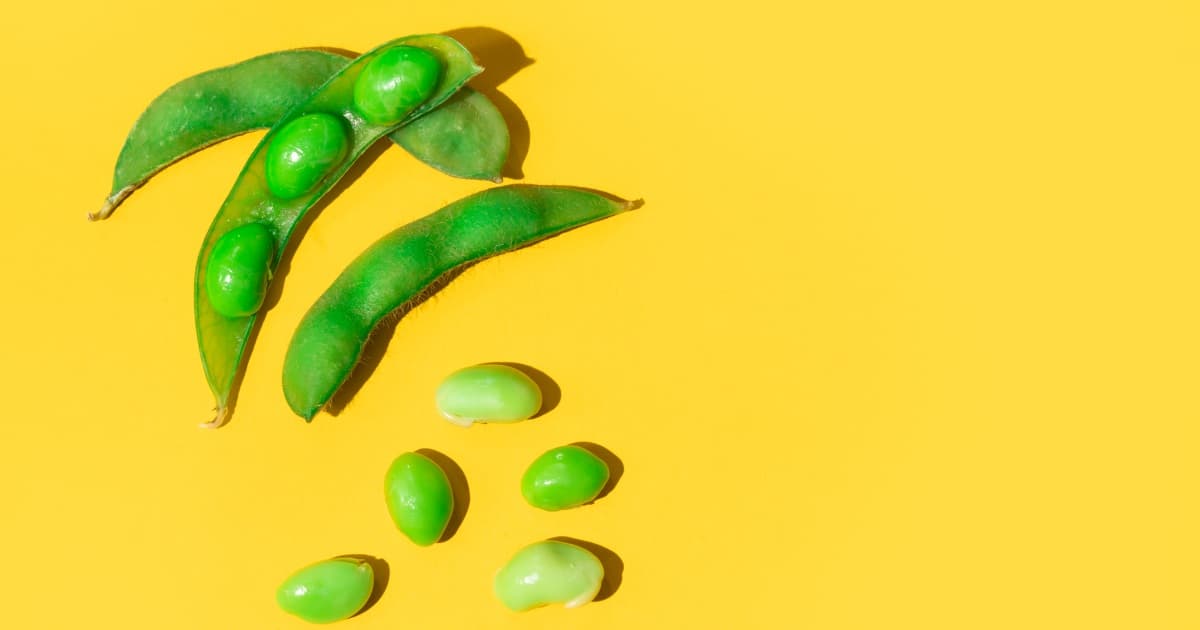
Roasted edamame is one of Cassetty’s favorite packable snacks.
Edamame, which are immature soybeans, have the most protein of any bean.
In addition to plant-based protein, dried edamame provides about 5-7 grams of fiber per serving, which will keep you feeling full and stabilizes blood sugar.
Edamame will also give you essential omega-3 fatty acids, which support heart and brain health, and it's rich in flavonoids, plant compounds with anti-inflammatory properties.
This is an egg-cellent, protein-rich, whole food snack, according to Cassetty.
Hard-boiled eggs are a good source of high-quality protein along with many vitamins and minerals.
Eggs are naturally rich in vitamin D, which supports healthy bones and immune function. They’re loaded with vitamin B12, which supports brain and nerve function, and vitamin B7 (biotin).
You also get choline, folate, iodine and antioxidants.
"I’d much rather see people snacking on some pumpkin seeds than a meat stick," says Cassetty.
Also called pepitas, pumpkin seeds are one of the healthiest seeds to eat, packed with high-quality protein, healthy fats and other nutrients
Pumpkin seeds are a “magnesium superstar,” which may help with blood pressure, muscle function, sleep and more. Eating pumpkin seeds regularly has been linked with improved metabolic and liver health, TODAY.com reported previously.
Another easy, high-protein snack Cassetty loves is cottage cheese.
Cottage cheese is considered one of the healthiest cheeses, TODAY.com reported.
The high-quality protein in cottage cheese can curb hunger and aid with weight management. It’s a good source of calcium to support bone health, and the active cultures used to make cottage cheese provide probiotics that benefit the gut microbiome.
"It is perishable, but you have about two hours after you remove it from the refrigerator to eat it," says Cassetty.
Top it with berries for an added boost of nutrients.
If you are craving a meaty snack, Cassetty suggests eating actual meat, like chopped up rotisserie chicken. It’s an efficient way to get a lot of protein in a small, tasty package.
Chicken breast is among the highest-protein meats and it's naturally low in fat. All that lean protein promotes muscle repair and growth, which is why chicken is a great food for strength-training.
Chicken is also rich in vitamin B6, which supports protein metabolism and nerve function, plus vitamin B12 and zinc.
If you have the choice, Cassetty recommends choosing cheese sticks over meat sticks to get your protein fix.