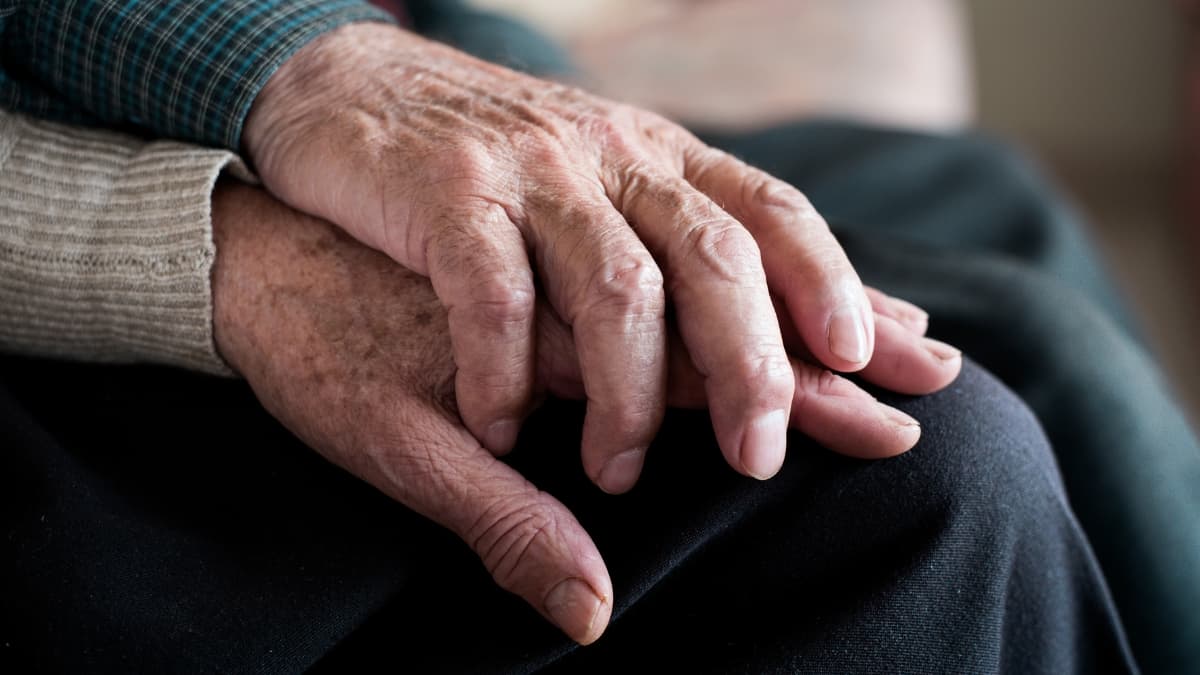
Parkinson’s disease, the world’s fastest-growing neurological disorder with over 10 million cases globally, presents a stark contrast in how it affects men and women, according to a groundbreaking study of 10,929 Australians living with the condition. Conducted by the QIMR Berghofer Medical Research Institute as part of the Australian Parkinson’s Genetics Study, this research offers the most comprehensive snapshot yet of the disease’s progression, symptoms, and underlying risk factors. With Parkinson’s cases projected to triple by 2050 and an annual economic burden of at least A$10 billion in Australia alone, these findings could reshape how clinicians diagnose, treat, and manage a condition that remains shrouded in uncertainty despite its devastating impact on patients and families.
Why Parkinson’s Disease Is Becoming a Global Health Crisis
Parkinson’s disease is not just a movement disorder—it is a progressive neurological condition that silently reshapes lives, often long before tremors or stiffness become visible. Characterized by the degeneration of dopamine-producing neurons in the brain’s substantia nigra, Parkinson’s disrupts not only motor functions but also cognitive, autonomic, and emotional systems. While it is the second most common neurodegenerative disease after Alzheimer’s, its prevalence is surging: global cases have increased by nearly 30% over the past decade, with Australia alone reporting 150,000 diagnosed individuals and 50 new cases daily. The disease’s economic toll is equally staggering—conservative estimates place Australia’s annual cost at A$10 billion, encompassing healthcare, lost productivity, and informal care. Yet despite its staggering reach, Parkinson’s remains underfunded and understudied compared to other major diseases, leaving critical gaps in understanding its root causes and optimal treatment strategies.
Key Takeaways: What the Largest-Ever Australian Parkinson’s Study Uncovered
- Non-motor symptoms—including memory loss (65%), pain (66%), and sleep disturbances (96%)—are far more prevalent than motor symptoms and significantly impact quality of life.
- Men are 1.5 times more likely to develop Parkinson’s, with higher rates of memory decline and impulsive behaviors, while women experience more pain and falls at earlier stages.
- Genetic and environmental factors intertwine to drive risk, with 36% of participants reporting pesticide exposure and 16% citing prior traumatic brain injuries.
- The average age of symptom onset is 64, and diagnosis occurs at 68, though women tend to experience symptoms slightly earlier than men.
- The study’s findings may not fully represent Australia’s diverse population, as 93% of participants were of European ancestry, highlighting the need for broader research.
The Science Behind Parkinson’s: A Disease of Movement—and More
At its core, Parkinson’s disease stems from the gradual death of dopamine-producing neurons in the substantia nigra, a region of the midbrain critical for regulating movement, motivation, and emotional responses. As these cells deteriorate, the brain’s ability to coordinate muscle activity diminishes, leading to hallmark motor symptoms such as resting tremors, bradykinesia (slowed movement), rigidity, and postural instability. However, the disease’s reach extends far beyond movement. Up to 90% of patients develop non-motor symptoms—often invisible but profoundly debilitating—which can emerge years before motor issues and include cognitive decline, autonomic dysfunction (e.g., constipation, low blood pressure), mood disorders, and sleep disturbances like REM sleep behavior disorder. These symptoms, while less discussed, frequently determine a patient’s quality of life more than tremors or stiffness. Understanding this dual nature of Parkinson’s is crucial for early diagnosis and holistic treatment approaches.
How the QIMR Berghofer Study Redefines Our Understanding of Parkinson’s Risk Factors
The Australian Parkinson’s Genetics Study, launched in 2022 after a pilot phase in 2020, is the largest active cohort of its kind worldwide, with 10,929 participants providing saliva samples for genetic analysis and comprehensive symptom surveys. Its findings challenge long-held assumptions about Parkinson’s risk factors. While age remains the primary driver—with an average symptom onset at 64 and diagnosis at 68—genetics and environment play equally pivotal roles. Only 10–15% of cases are directly linked to specific gene mutations, such as those in the LRRK2 or SNCA genes, while the vast majority (85–90%) result from complex interactions between genetic predispositions and environmental exposures. The study’s data reveals alarming rates of exposure to known risk factors among participants: 36% reported pesticide use, 16% had a history of traumatic brain injury, and 33% worked in high-risk occupations like agriculture or metal processing. These exposures were significantly more common in men, aligning with the disease’s 1.5x higher prevalence in males.
Sex Differences in Parkinson’s: Why Women and Men Experience the Disease Differently
One of the most striking revelations from the study is the pronounced disparity in how Parkinson’s manifests in men versus women. While men are more likely to develop Parkinson’s overall, women tend to experience symptoms earlier—with an average onset at 63.7 years compared to 64.4 years for men—and are more prone to pain (70% vs. 63%) and falls (45% vs. 41%). Conversely, men reported higher rates of memory changes (67% vs. 61%) and impulsive behaviors, particularly hypersexuality (56% vs. 19%), though most participants exhibited only mild impulsivity. These differences underscore the need for sex-specific diagnostic tools and treatment plans. Dr. Matthew Bambling, lead researcher on the study, notes, “The way Parkinson’s presents is highly individualized, but these patterns suggest that biological sex may influence both the disease’s trajectory and the types of symptoms patients prioritize in seeking help.”
The Hidden Burden of Non-Motor Symptoms: Why They Matter More Than You Think
Parkinson’s is often reduced to its motor symptoms, but the study’s findings reveal a far more complex picture. Sleep disturbances, reported by a staggering 96% of participants, emerged as the most common issue, encompassing insomnia, restless legs syndrome, and REM sleep behavior disorder—a condition where patients physically act out vivid dreams, sometimes violently. Memory and cognitive challenges affected 65% of respondents, while pain—often dismissed as a secondary concern—was reported by 66%. Autonomic dysfunction, including urinary incontinence, constipation, and orthostatic hypotension (sudden blood pressure drops upon standing), was also widespread. These “invisible” symptoms, though less visible to outsiders, frequently dictate a patient’s ability to work, socialize, and maintain independence. As Dr. Simon Lewis, a neurologist at the University of Sydney uninvolved in the study, explains, “For many patients, the non-motor symptoms are the real game-changers. A person might have mild tremors but struggle with debilitating fatigue or cognitive fog—factors that can render them housebound long before their mobility declines.”
Genetics, Environment, and the Mystery of Parkinson’s Origins
The interplay between genetics and environment in Parkinson’s remains one of the disease’s greatest enigmas. While monogenic cases (those caused by a single gene mutation) account for a small fraction of diagnoses, the study’s data suggests that polygenic risk—where multiple genes combine with environmental triggers—is the norm. Family history played a role in 25% of participants, but only a fraction of these cases were tied to specific genetic mutations. Environmental exposures, particularly pesticides and herbicides like paraquat and rotenone, have been repeatedly linked to Parkinson’s in epidemiological studies. The study’s finding that 36% of participants reported pesticide exposure aligns with global research implicating agricultural chemicals in up to 10% of cases. Traumatic brain injuries, another well-documented risk factor, were reported by 16% of participants, with men nearly twice as likely to have a history of such injuries. Occupation also emerged as a key variable: workers in agriculture, petrochemicals, and metal processing faced heightened risk, reflecting exposure to solvents, heavy metals, and other neurotoxins. These findings highlight the urgent need for public health interventions targeting high-risk environments and occupations.
The Study’s Limitations: Why More Research—and Diversity—Is Essential
Despite its groundbreaking scale, the Australian Parkinson’s Genetics Study has notable limitations that temper its conclusions. The response rate was a mere 5.8%, with just 10,929 of 186,000 invited individuals participating. Even more critically, 93% of participants were of European ancestry, leaving vast gaps in understanding how Parkinson’s affects people of other ethnic backgrounds. The reliance on self-reported symptoms also introduces potential biases, as patients may under- or overestimate the severity of their experiences. To address these gaps, researchers are pivoting to digital tools, including smartphone apps and wearable devices, to collect real-time, objective data on symptoms like gait, sleep, and tremors. Longitudinal follow-up is another priority, as the study’s cross-sectional design offers only a snapshot of a disease that progresses unpredictably over decades. “This study is a crucial first step,” says Dr. Bambling, “but Parkinson’s is a moving target. We need larger, more diverse cohorts and longer-term tracking to unravel its complexities.”
What’s Next? The Future of Parkinson’s Research and Treatment
The findings from QIMR Berghofer’s study are poised to influence clinical practice in three key ways: early diagnosis, personalized treatment, and targeted prevention. For clinicians, the data underscores the importance of screening for non-motor symptoms—particularly sleep disturbances, cognitive decline, and pain—even in patients with mild or no motor symptoms. Sex-specific guidelines may also emerge, as the study highlights distinct symptom profiles between men and women. On the research front, the push for diverse genetic databases is intensifying, with initiatives like the Global Parkinson’s Genetics Program aiming to include more non-European populations. Prevention strategies could see a shift toward occupational health measures, such as stricter pesticide regulations and workplace safety protocols for high-risk industries. Meanwhile, the rise of digital health tools offers hope for real-time monitoring, potentially enabling earlier interventions. As researchers refine their approaches, the ultimate goal remains elusive: a cure for Parkinson’s. Until then, studies like this one bring us one step closer to understanding—and managing—a disease that continues to defy expectations.
Frequently Asked Questions About Parkinson’s Disease
Frequently Asked Questions
- What are the early signs of Parkinson’s disease?
- Early signs often include non-motor symptoms like loss of smell, constipation, sleep disturbances (e.g., REM sleep behavior disorder), mood changes, and mild cognitive slowing. Motor symptoms like tremors or stiffness typically appear later.
- How does Parkinson’s differ between men and women?
- Men are 1.5 times more likely to develop Parkinson’s, with higher rates of memory decline and impulsive behaviors. Women tend to experience symptoms earlier, with more pain, falls, and autonomic dysfunction like urinary issues.
- Can lifestyle changes reduce Parkinson’s risk?
- While no lifestyle change can guarantee prevention, reducing exposure to pesticides, avoiding traumatic brain injuries, and maintaining cardiovascular health may lower risk. Regular exercise and a Mediterranean diet are also associated with slower disease progression.