In a groundbreaking discovery that could transform treatment for one of the world’s most prevalent metabolic disorders, scientists at Hebrew University of Jerusalem have found that two non-intoxicating compounds derived from the cannabis plant—cannabidiol (CBD) and cannabigerol (CBG)—may reverse fatty liver disease in obese mice. Published in the British Journal of Pharmacology, the study reveals how these compounds enhance liver energy production and restore metabolic function, offering a promising new pathway for addressing metabolic dysfunction-associated steatotic liver disease (MASLD), formerly known as non-alcoholic fatty liver disease (NAFLD). While the research remains in its early stages, the findings underscore the untapped therapeutic potential of cannabis-derived molecules beyond their well-known pain-relieving and anti-anxiety effects.
How Cannabis Compounds CBD and CBG May Reverse Fatty Liver Disease in Mice
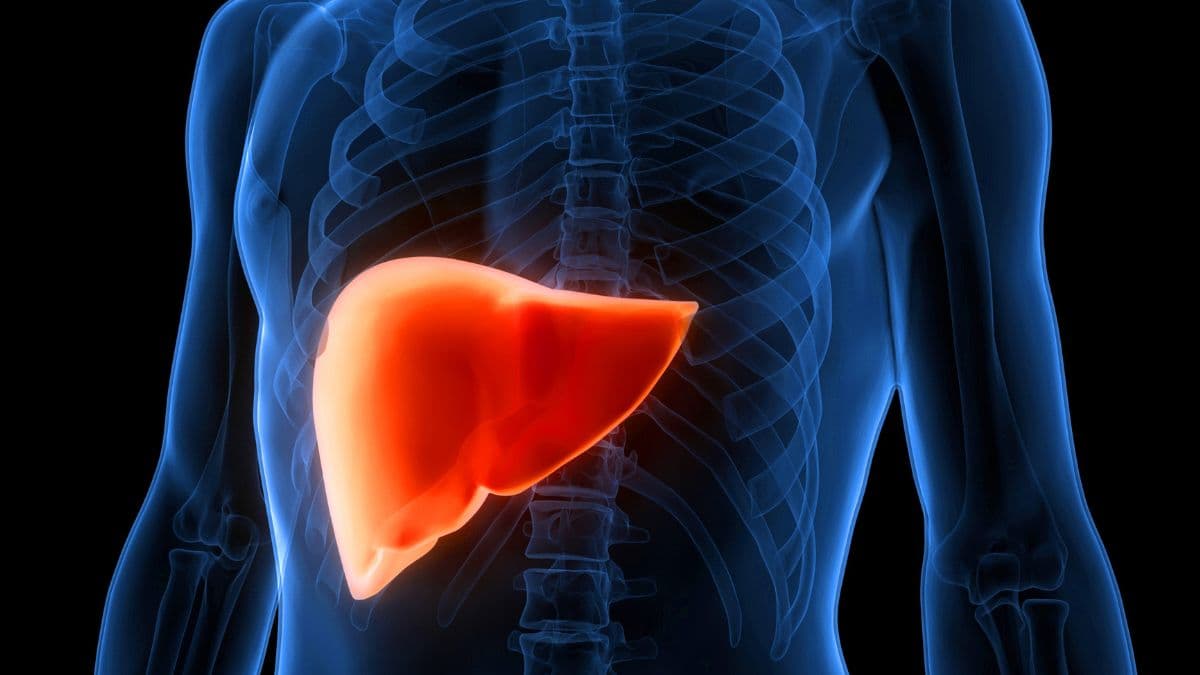
The study, led by pharmacist and senior author Joseph Tam, focused on the effects of CBD and CBG on obese mice fed a high-fat diet—a model designed to mimic the metabolic disturbances seen in human MASLD. MASLD is characterized by excessive fat accumulation in the liver, a condition that now affects roughly one-third of the global adult population and is closely linked to obesity, type 2 diabetes, and cardiovascular disease.
Mechanism of Action: Boosting Liver Energy and Reducing Fat
Unlike traditional cannabinoids such as THC, which bind to cannabinoid receptors in the brain to produce a ‘high,’ CBD and CBG in their purified forms do not act on these receptors. Instead, the researchers discovered that daily abdominal injections of either compound in mice triggered the liver to produce phosphocreatine—a critical energy molecule that helps cells maintain function and clear excess fat. After just four weeks of treatment, both CBD and CBG significantly improved liver function, reduced liver fat accumulation, and enhanced blood sugar control.
CBG emerged as the more potent of the two compounds. In the study, mice treated with CBG experienced a marked reduction in body fat, a decrease in ‘bad’ LDL cholesterol, and improved insulin sensitivity compared to those given CBD. While both compounds showed therapeutic promise, CBG’s broader metabolic benefits suggest it may hold greater potential as a future treatment for MASLD and related conditions.
From Mice to Humans: Can These Findings Translate to Clinical Use?
The study’s authors caution that these results, while promising, are based on rodent models and have not yet been replicated in humans. ‘Our findings identify a new mechanism by which CBD and CBG enhance hepatic energy and lysosomal function,’ Tam explained. ‘This dual metabolic remodeling contributes to improved liver lipid handling and highlights these compounds as promising therapeutic agents for MASLD.’ However, he emphasized that further research is needed to determine whether the compounds can be safely and effectively administered to humans, particularly in a form that avoids the digestive breakdown seen with oral ingestion.
One major hurdle is the current state of CBD and CBG products on the market, which are often poorly regulated and may not contain the pure, standardized formulations used in the study. Many over-the-counter CBD oils and tinctures are taken orally, and it remains unclear whether such delivery methods would produce the same liver-protective effects observed with direct abdominal injections in mice. The researchers suggest that future drug development could focus on creating synthetic analogs of CBD and CBG that mimic their metabolic benefits without the variability of natural plant extracts.
“Despite the increasing clinical burden of MASLD, no pharmacological treatments have been approved to date. This therapeutic gap underscores the urgent need for novel pharmacological agents that can target the underlying mechanisms of disease progression.”
The Rising Burden of MASLD and the Search for New Treatments
MASLD, which encompasses conditions ranging from simple fat accumulation to advanced fibrosis and cirrhosis, has become the most common chronic liver disorder worldwide. Unlike alcohol-related liver disease, MASLD is driven by metabolic dysfunction—often a consequence of obesity, poor diet, and sedentary lifestyles. According to the World Gastroenterology Organisation, MASLD affects an estimated 30% of adults globally, with prevalence rising alongside the obesity epidemic. In the United States, the Centers for Disease Control and Prevention (CDC) estimates that nearly 40% of adults have fatty liver disease, though many remain undiagnosed.
Traditionally, treatment for MASLD has focused on lifestyle modifications—diet, exercise, and weight loss—with limited success in reversing advanced disease. While several experimental drugs are in development, none have yet received regulatory approval. This lack of approved therapies has left millions of patients with few options, making the discovery of potential cannabinoid-based treatments particularly significant. The Hebrew University study suggests that targeting liver energy metabolism directly, rather than just reducing fat intake, could offer a more effective strategy.
CBD vs. CBG: Which Cannabis Compound Holds Greater Promise?
While CBD has gained widespread attention for its anti-inflammatory, anti-anxiety, and pain-relieving properties, CBG—often referred to as the ‘mother of all cannabinoids’—is only now emerging as a compound with unique therapeutic potential. CBG is a precursor to CBD, THC, and other cannabinoids, and it interacts with the body’s endocannabinoid system in ways that are distinct from CBD. Unlike CBD, which has been extensively studied for conditions like epilepsy and chronic pain, CBG has been comparatively overlooked, partly due to its lower natural abundance in cannabis plants and the challenges of large-scale extraction.
Why CBG May Outperform CBD in Metabolic Disorders
The Hebrew University study found that CBG not only reduced liver fat but also improved insulin sensitivity and lowered LDL cholesterol in obese mice—effects that were more pronounced than those seen with CBD. Additionally, CBG has been shown in preliminary studies to have neuroprotective and anti-inflammatory properties, making it a candidate for conditions ranging from Huntington’s disease to inflammatory bowel disease. While human trials are still needed, the early data suggests that CBG could become a cornerstone of future metabolic therapies, particularly for diseases like MASLD where energy dysregulation plays a central role.
Key Takeaways: What This Study Means for Future Liver Disease Treatment
- CBD and CBG from cannabis may reverse fatty liver disease in mice by enhancing liver energy production without causing intoxication.
- CBG outperformed CBD in reducing body fat, lowering ‘bad’ cholesterol, and improving insulin sensitivity in the study.
- The compounds work by increasing phosphocreatine production in the liver, a mechanism that helps clear excess fat and restore cellular function.
- While promising, these findings are preliminary and have not yet been tested in humans; further research is essential.
- The lack of approved pharmacological treatments for MASLD makes this study particularly significant for the millions affected.
The Challenges Ahead: From Lab to Pharmacy
Despite the excitement surrounding the study’s findings, several significant challenges remain before CBD or CBG could be approved as MASLD treatments. First and foremost is the issue of drug delivery. The study used abdominal injections to deliver the compounds directly, but this method is impractical for human use. Oral administration, the most common method for CBD products, may not produce the same liver-protective effects due to metabolism in the digestive tract.
Another concern is the variability and regulation of cannabis-derived products. The U.S. Food and Drug Administration (FDA) has not approved CBD or CBG for any liver-related conditions, and many over-the-counter CBD products contain inconsistent doses or contaminants. The researchers emphasize the need for pharmaceutical-grade formulations if these compounds are to be used therapeutically. Additionally, long-term safety studies will be required to rule out potential side effects, such as interactions with other medications or unforeseen metabolic consequences.
The study’s authors also note that creatine supplementation has been explored in previous MASLD research, but with mixed results. While creatine may help resolve fat accumulation in MASLD, it has shown no benefit—and may even worsen—alcohol-related liver disease. This highlights the complexity of liver disease and the need for targeted therapies that address the specific underlying mechanisms of MASLD.
A New Frontier in Cannabinoid Medicine
The Hebrew University study represents a paradigm shift in how scientists view cannabinoids. Traditionally, cannabis research has focused on THC and its psychoactive effects or CBD’s anti-inflammatory properties. However, CBG and other minor cannabinoids are now gaining recognition for their potential to treat metabolic, neurological, and inflammatory disorders—without the high associated with THC.
As research into these compounds accelerates, there is growing hope that they could lead to the development of novel drugs that harness the therapeutic benefits of cannabis while avoiding its recreational use. The U.S. National Institutes of Health (NIH) has increased funding for cannabinoid research in recent years, reflecting a broader shift toward exploring the medical potential of these molecules. If future studies confirm the findings of the Hebrew University team, CBG and CBD could pave the way for the first FDA-approved cannabinoid-based treatment for MASLD.
Frequently Asked Questions
Frequently Asked Questions
- Can CBD or CBG cure fatty liver disease in humans?
- Not yet. The study’s findings are based on mice, and human trials are needed to determine if these compounds are safe and effective for treating MASLD in people. Current CBD products are not FDA-approved for liver disease.
- How do CBD and CBG differ from THC in treating liver disease?
- Unlike THC, CBD and CBG do not produce intoxication because they do not primarily act on cannabinoid receptors in the brain. Instead, they target liver energy metabolism, offering a non-psychoactive therapeutic pathway.
- Are there any FDA-approved treatments for MASLD?
- No. MASLD currently has no approved pharmacological treatments, which is why the search for new therapies like CBD and CBG is so critical. Treatment primarily involves lifestyle changes such as diet and exercise.