As Hawaii’s skies brighten and spring break crowds flock to the islands, many visitors are unknowingly stepping into contaminated waters. While the Kona Storm has long since passed, the state’s Department of Health has left dozens of sewage spill and brown water advisories in place across Oahu, Maui, and Kauai. Though beaches remain open to the public, the water may not be safe for swimming. Visitors who assume an open shoreline equals clean water are walking into a dangerous trap—one that has been exposed by recent testing revealing bacteria levels far exceeding safety thresholds.
Why Hawaii’s Open Beaches May Still Be Unsafe: The Hidden Risks of Brown Water and Sewage Spills
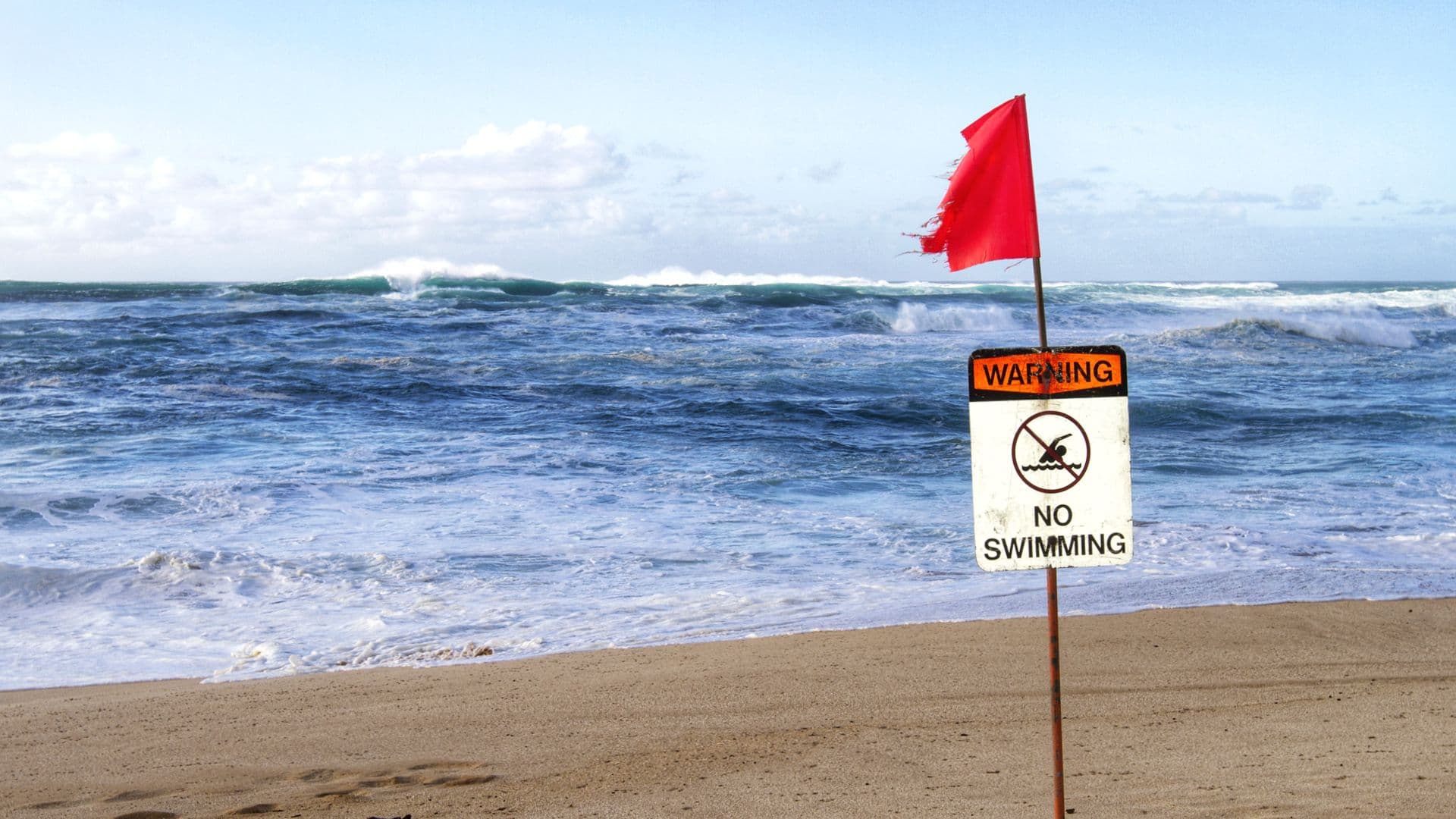
Hawaii’s beaches are world-renowned for their turquoise waters and golden sands, but what many visitors don’t realize is that an ‘open’ beach does not automatically mean the water is safe. Unlike popular mainland destinations where beaches close during contamination events, Hawaii’s Department of Health issues advisories rather than mandatory closures. This approach leaves the decision to swim entirely up to individual judgment—a system that can be deceptively dangerous for tourists unfamiliar with local conditions.
The Misleading Nature of ‘Open’ Beaches: No Barricades, No Lifeguard Warnings
For families on vacation, an open beach with no barricades, no lifeguard warnings, and water that may look only slightly murky by mainland standards can seem like an invitation to swim. The state’s guidance to avoid brown or murky water and wait 48 to 72 hours after rain stops and the beach receives full sunshine often goes unheeded, especially when advisories linger weeks after the storm has passed. Visitors assume the danger must have subsided because the weather has improved, but in Hawaii, contamination risks can persist long after the rain stops.
Oahu’s Water Crisis: Sewage Spills and Record-Breaking Bacteria Readings
Oahu remains the epicenter of Hawaii’s current water contamination crisis, with an islandwide brown water advisory in effect since March 20. The situation is compounded by multiple sewage spill advisories and four high-bacteria-count warnings issued on March 31 alone for the North Shore. Data from Hawaii’s Clean Water Branch reveals alarming enterococci bacteria levels at popular swimming spots:
- Haleiwa Beach Park: 288 CFU per 100 mL (threshold for safe swimming is 130)
- Kawaihapai 1: 192 CFU per 100 mL
- Puaena Point: 164 CFU per 100 mL
- Mokuleia at Kiapoko Point 2: 137 CFU per 100 mL
The scale of sewage spills on Oahu is equally concerning. A 115,000-gallon spill at 5311 Kalanianaole Highway has contaminated Wailupe Stream and Maunalua Bay, affecting areas from Wailupe Beach Park to Kawaikui Beach Park. Additional spills include a 30,000-gallon event at Nuupia Pond near Kailua and an ongoing advisory stemming from the Kailua Regional Wastewater Treatment Plant, which has been problematic since March 14. Other affected areas include Puha Stream near Waimanalo Beach, Ahuimanu Stream, and Kawa Stream, with some advisories dating back more than two weeks.
Maui and Kauai Face Lingering Contamination Despite Storm’s End
While Kauai’s islandwide brown water advisory was lifted on March 31, two localized advisories remain in effect—one extending from Nawiliwili to Kalapaki Beach and another from Lydgate Beach to Wailua Beach. These advisories still cover major tourist areas, leaving visitors vulnerable even when beach conditions appear normal. Maui’s situation is even more insidious: a single islandwide advisory has been in place since March 16, with no specific beach closures or visible warnings. Travelers staying in luxury resorts in Wailea or Kaanapali may assume their vacation paradise is free of contamination, only to unknowingly swim in unsafe water.
The Uneven Risk: Why Big Island’s Clear Status Doesn’t Apply Elsewhere
While the Big Island currently has no active advisories, its clean status offers little reassurance for visitors planning trips to Oahu, Maui, or Kauai. The disparity in risk across Hawaii’s islands highlights how localized water contamination can be. A traveler might enjoy a seemingly normal beach day in one location while unknowingly swimming in contaminated water just a short flight away. This uneven risk distribution makes it critical for visitors to check advisories specific to their destination before entering the water.
How Brown Water Can Mislead Even Seasoned Visitors
Mainland visitors accustomed to brownish coastal waters may assume the discoloration is natural—perhaps stirred-up sand or river runoff. In Hawaii, however, brown water after heavy rain often signals something far more dangerous: runoff carrying bacteria, chemicals, animal waste, and untreated sewage from overflowing systems into the ocean and streams. The state’s guidance to avoid swimming in brown or murky water is frequently overlooked, especially when beaches are crowded and the sun is shining. The crowd itself becomes a false signal of safety, leaving tourists vulnerable to contamination they never see coming.
Spring Break Timing Exacerbates the Risk: Visitors Prioritize Vacation Over Warnings
The timing of Hawaii’s spring break season amplifies the danger of unchecked water advisories. Travelers who have already invested significant time and money into their trips are less likely to cancel beach plans, even when advisories are in effect. The desire to enjoy the vacation they’ve planned often outweighs the perceived need to check Hawaii’s Clean Water Branch advisories. As a result, visitors may unknowingly swim in contaminated water, believing the beach’s open status guarantees safety. In many cases, they never even see the warning.
Hawaii’s Beach Water Quality Monitoring Falls Short of Visitor Expectations
When brown water advisories are issued, the testing visitors expect is often not conducted. Hawaii’s Clean Water Branch has stated that monitoring beaches during these events is impractical due to the widespread nature of contamination, limited testing capacity, and historical data showing fecal bacteria levels consistently exceed safety thresholds during storm-related runoff. Even outside of storm conditions, Hawaii does not routinely monitor every beach. The state’s own beach monitoring program admits it is impossible to check all 250+ beaches, leaving significant gaps in data for tourists who assume Hawaii is vigilantly testing every major swimming spot.
Only 57 of Hawaii’s 250+ Beaches Are Routinely Tested
With limited resources, Hawaii’s Department of Health focuses its monitoring efforts on a small fraction of the state’s beaches. Just 57 locations are routinely sampled, leaving most popular swimming spots without recent water quality data. For visitors, this means choosing between limited information, broad storm-related advisories, and no clear picture of current conditions at their intended beach. The lack of comprehensive monitoring creates a false sense of security, as tourists assume any unadvisory beach must be safe.
SafeToSwimHawaii.com: A Vital Tool for Tourists
To bridge the gap in water quality information, one Hawaii resident created SafeToSwimHawaii.com, a free website that aggregates real-time Department of Health advisory data and Surfrider Foundation test results. The site allows visitors to check specific beach conditions before entering the water, providing a level of transparency that Hawaii’s official monitoring system currently lacks. Bookmarking this resource could mean the difference between a safe swim and an unpleasant—or even dangerous—vacation memory.
Hawaii’s Water Quality Crisis Predates the Latest Storm
The contamination issues plaguing Hawaii’s beaches are not a new phenomenon. The state still relies on approximately 83,000 cesspools, which discharge an estimated 52 million gallons of untreated wastewater into the ground daily. Heavy rainfall exacerbates the problem by flushing this waste into groundwater, streams, and nearshore ocean areas. While the recent Kona Storm has drawn renewed attention to the issue, the underlying infrastructure problems have been decades in the making. Visitors expecting pristine conditions may find themselves swimming in waters impacted by a chronic—and largely invisible—wastewater crisis.
Key Takeaways: How Visitors Can Stay Safe in Hawaii’s Waters
- Hawaii’s open beaches do not guarantee safe water—always check the Clean Water Branch advisories before swimming.
- Bacteria levels at Oahu’s North Shore have exceeded safety thresholds by more than double in some cases, including readings of 288 CFU per 100 mL.
- Hawaii does not monitor all beaches regularly; only 57 of the state’s 250+ beaches are routinely tested.
- Use SafeToSwimHawaii.com to access real-time water quality data and advisory information for specific beaches.
- Avoid swimming in brown or murky water, and wait at least 48 to 72 hours after heavy rain before entering the ocean.
Frequently Asked Questions About Hawaii’s Water Advisories
Frequently Asked Questions
- How do I know if a Hawaii beach is safe to swim in?
- Check the Hawaii Department of Health’s Clean Water Branch advisories or visit SafeToSwimHawaii.com for real-time updates on water quality at specific beaches. Avoid swimming in brown or murky water, especially after heavy rain.
- What are the symptoms of swimming in contaminated water?
- Symptoms may include stomach pain, diarrhea, nausea, skin rashes, or ear, nose, and throat infections. If you experience these symptoms after swimming in Hawaii, seek medical attention.
- Why doesn’t Hawaii close beaches during contamination advisories?
- Hawaii’s Department of Health issues advisories rather than mandatory closures, leaving the decision to swim up to individual judgment. This approach is intended to balance safety with tourism, but it can be misleading for visitors.