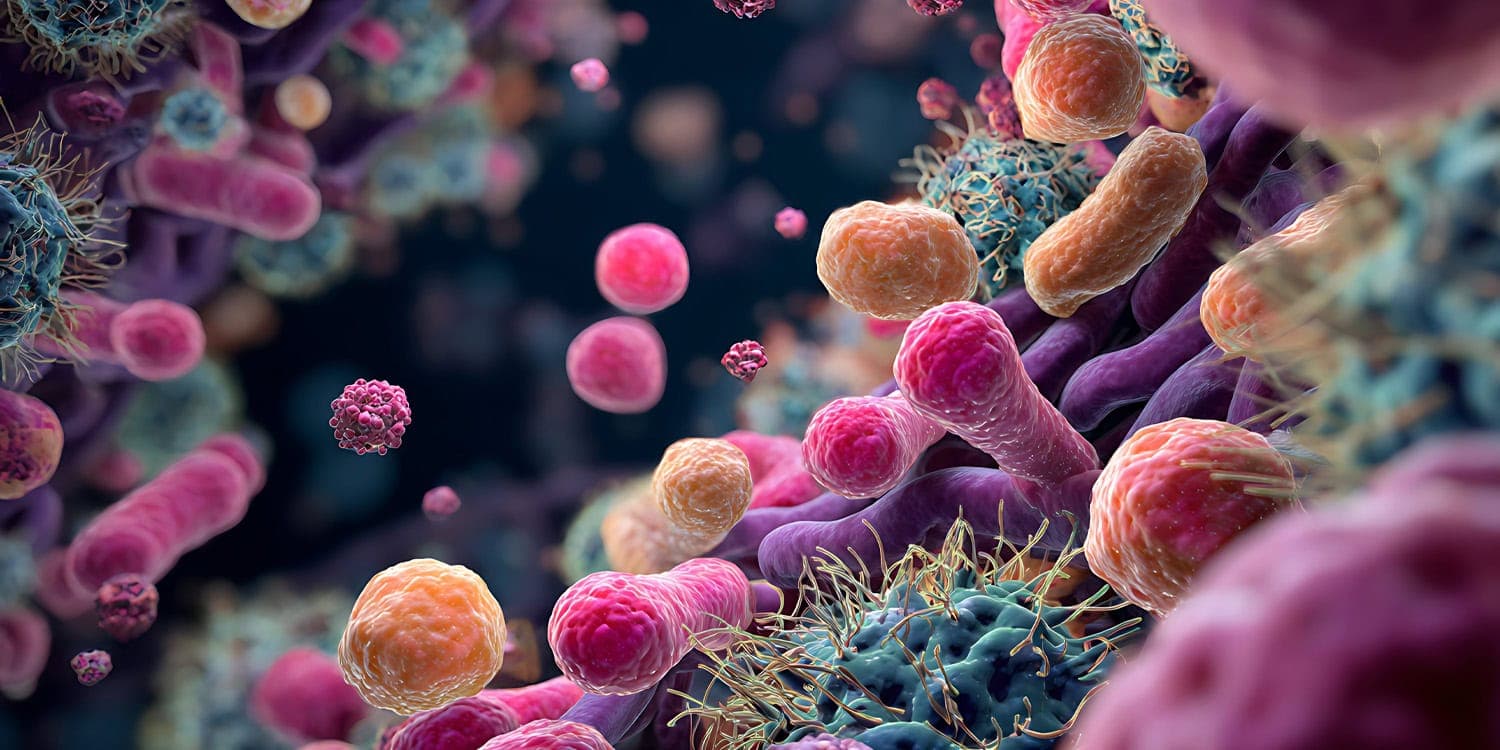
In a groundbreaking study published in PLOS Biology, researchers at Emory University discovered that high-fat diets can weaken the intestinal lining in mice, allowing live gut bacteria to travel directly to the brain through the vagus nerve. This finding suggests a direct biological pathway linking digestive health to neurological conditions like Alzheimer’s disease and autism, offering new insights into how diet may influence brain function and disease development.
- High-fat diets weaken the gut lining, allowing bacteria to enter the brain via the vagus nerve in mice.
- The study provides a potential explanation for links between gut health and neurological conditions.
- Bacteria in the brain were reversible when mice returned to a normal diet, suggesting gut health may influence brain health.
How High-Fat Diets Disrupt the Gut-Brain Connection
The gut-brain axis is a complex communication network between the digestive system and the central nervous system, regulating inflammation, digestion, and other bodily functions. Previous research has shown associations between gut microbiome imbalances and neurological conditions, but the exact mechanisms remained unclear. This study provides the first direct evidence of bacteria physically moving from the gut to the brain in a high-fat diet-induced leaky gut scenario.
The Role of the Vagus Nerve in Bacterial Transit
Researchers found that bacteria traveled from the gut to the brain through the vagus nerve—a long nerve connecting the brainstem to the digestive organs. When they surgically severed the vagus nerve in mice, bacterial levels in the brain significantly decreased, confirming the nerve as the primary pathway. Importantly, no bacteria were detected in the bloodstream, ruling out the circulatory system as a route.
Implications for Neurological Conditions and Dietary Health
The study suggests that intestinal permeability—a condition where the gut lining weakens—may play a role in neurological diseases. Mice genetically engineered to mimic Alzheimer’s, Parkinson’s, and autism spectrum disorder showed weakened gut linings and bacterial presence in the brain, even on a normal diet. This reinforces the idea that gut health could be a critical factor in brain health.
Reversibility of Gut-Brain Bacterial Movement
When mice returned to a standard diet after consuming a high-fat diet, their gut linings healed, and bacteria no longer appeared in the brain. This indicates that the bacterial movement is reversible and dependent on gut health. The findings suggest that dietary interventions could potentially influence neurological conditions by improving gut integrity.
Limitations and Future Research Directions
While the study provides compelling evidence in mice, further research is needed to determine if the same mechanism occurs in humans. The study also did not capture visual images of bacteria in the brain or vagus nerve, and the exact long-term effects of bacterial presence in the brain remain unknown. Future studies will explore which bacterial species can travel to the brain and how they interact with brain cells.
"One of the biggest translational aspects of this study is that it suggests that the development of neurological conditions may be initiated in the gut. This may shift the focus of new interventions for brain conditions, with the gut as the new target of the therapy." — David S. Weiss, corresponding author of the study
Frequently Asked Questions
Frequently Asked Questions
- Can a high-fat diet cause gut bacteria to enter the brain in humans?
- The study was conducted in mice, so it’s unclear if the same mechanism occurs in humans. However, the findings suggest a potential link that warrants further research.
- How does the vagus nerve allow bacteria to travel to the brain?
- The vagus nerve connects the gut to the brainstem, providing a direct pathway for bacteria to bypass the bloodstream when the gut lining is weakened.
- Could improving gut health prevent neurological diseases?
- The study suggests a possible connection, but more research is needed to determine if dietary interventions can influence brain health and prevent neurological conditions.