In the wake of Hawaii’s devastating Kona low storm—which dumped record rainfall and triggered catastrophic flooding across Oahu, Maui, and the Big Island—state health officials and veterinarians are issuing urgent warnings about the heightened risk of leptospirosis, a potentially life-threatening bacterial infection. The Hawaii Department of Health (DOH) and the Hawaiian Humane Society have joined forces to alert residents, recovery workers, and pet owners to monitor for symptoms of the disease, which spreads through contaminated floodwater and poses risks to both humans and animals. With floodwaters receding but lingering contamination in soil and water sources, public health experts emphasize the need for vigilance, early medical intervention, and preventive measures to curb a potential outbreak.
Why Hawaii Faces a High Leptospirosis Risk After Flooding Events
Leptospirosis is endemic to Hawaii due to its warm, humid climate, which provides an ideal environment for the Leptospira bacteria to thrive. The bacteria are primarily carried by rodents, mongoose, livestock, and dogs, whose urine contaminates soil and water—especially in times of heavy rain or flooding. According to the Hawaii DOH, the state consistently reports some of the highest leptospirosis rates in the nation, a trend that worsens during and after major weather events like the recent Kona low storm, which affected more than 10,000 homes and displaced thousands of residents.
How Flooding Spreads the Bacteria
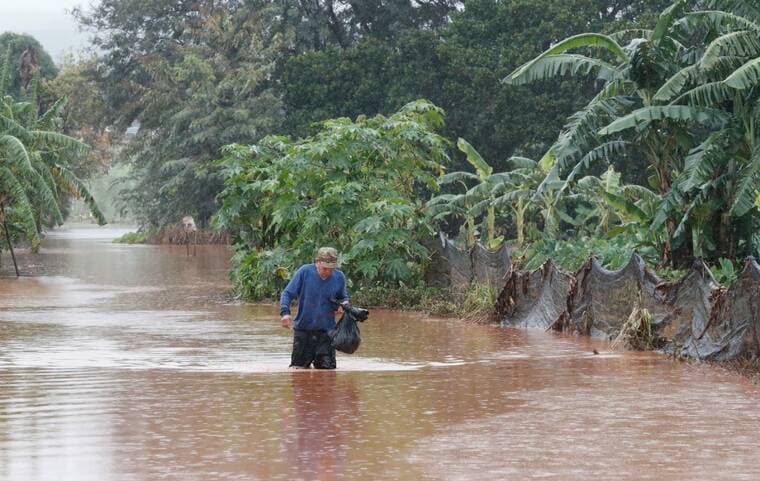
During the Kona low storm, which struck Hawaii from March 8 to March 12, torrential downpours led to flash flooding, mudslides, and overflowing streams. As floodwaters receded, they left behind contaminated soil and stagnant pools of water that can harbor Leptospira bacteria for weeks. Dr. Lisa Labrecque, Chief Veterinarian at the Hawaiian Humane Society, noted that pets and residents who waded through floodwaters or handled muddy debris are particularly at risk of exposure.
The Zoonotic Threat: From Animals to Humans
Leptospirosis is a zoonotic disease, meaning it can jump from animals to humans. Pets, especially dogs, are often the first indicators of an outbreak in a community. Dr. Ariella Barry, Epidemiology and Laboratory Capacity Veterinary Medical Officer with the DOH Disease Investigation Branch, explained that when a companion animal becomes ill, it signals potential exposure for humans in the household. "Pets are sentinels for this disease," she said. "If your dog shows symptoms, it’s a red flag that you and your family may have been exposed as well."
Recognizing Leptospirosis: Symptoms in Humans and Pets
Symptoms of leptospirosis typically appear within 5 to 14 days of exposure but can take as long as 30 days to develop. In humans, early signs include fever, chills, headache, muscle aches, and sweating. As the infection progresses, patients may develop jaundice (yellowing of the skin and eyes), vomiting, diarrhea, and abdominal pain. Severe cases can lead to kidney and liver failure, meningitis, or respiratory distress.
Symptoms in Humans: When to Seek Medical Help
Public health officials urge anyone who has been exposed to floodwater or mud to monitor for symptoms closely. Dr. Barry emphasized that early diagnosis is critical: "The sooner we catch it, the better the outcome." She added that individuals with persistent fever, muscle pain, or jaundice should seek medical attention immediately and inform their healthcare provider about potential floodwater exposure. Antibiotics, such as doxycycline or penicillin, can effectively treat leptospirosis if administered early.
Symptoms in Pets: A Sign of Community Risk
For pets, leptospirosis symptoms may include fever, lethargy, loss of appetite, vomiting, diarrhea, increased thirst and urination, or yellowing of the gums and whites of the eyes. Dr. Labrecque noted that muscle soreness or reluctance to move can also indicate infection. "Pets were right there with families during the storm," she said. "If they start showing signs of illness in the coming days, it’s not just a veterinary concern—it’s a public health alarm."
Prevention Strategies: Vaccination and Hygiene
Preventing leptospirosis requires a combination of vaccination, hygiene, and environmental precautions. Health officials recommend that pet owners consult their veterinarians about the leptospirosis vaccine, which is highly effective in dogs. While no human vaccine is currently available in the U.S., the DOH advises residents to avoid contact with floodwater, wear protective gear (such as waterproof boots and gloves) when cleaning up, and wash hands thoroughly with soap and water after potential exposure.
Vaccination for Pets: A Critical Defense
The leptospirosis vaccine is considered a core vaccine for dogs in Hawaii due to the state’s high risk of exposure. Dr. Labrecque urged pet owners to schedule a veterinary visit: "Now is the time to talk about vaccination. It’s not just about protecting your pet—it’s about protecting your family too." The vaccine requires an initial dose followed by a booster, with annual revaccination recommended for dogs at high risk.
Personal Protective Measures for Residents
Residents should avoid walking barefoot in areas with floodwater or mud, as even small cuts or abrasions can serve as entry points for bacteria. The DOH also advises against swimming or wading in standing water, which may be contaminated. If exposure occurs, thorough handwashing with soap and clean water is essential. For recovery workers, wearing protective gear and disinfecting tools and equipment can reduce risk.
Historical Context: Hawaii’s Ongoing Battle with Leptospirosis
Hawaii has long struggled with leptospirosis, a disease that was first documented in the state in the 1970s. Between 2016 and 2020, the DOH reported an average of 10 to 15 human cases annually, with peaks following heavy rainfall events. In 2018, a severe outbreak linked to flooding on the Big Island sickened at least 17 people and resulted in one death. Veterinarians have also seen a rise in pet cases, particularly in dogs that frequent outdoor areas prone to rodent activity.
The Role of Climate and Urbanization
The increasing frequency of extreme weather events in Hawaii, driven by climate change, has exacerbated the leptospirosis risk. Urbanization and the spread of invasive species like rats and mongoose have further contributed to the bacteria’s proliferation. The DOH has attributed the state’s high rates to a combination of environmental factors and close human-animal interactions, particularly in rural and agricultural areas.
What to Do If You Suspect Exposure
If you or a family member develop symptoms after potential exposure to floodwater, contact a healthcare provider immediately. Be sure to mention any contact with contaminated water or mud. For pets, a prompt veterinary visit is essential. Early treatment with antibiotics can prevent severe complications. The DOH has also set up hotlines and resources for residents seeking guidance.
Reporting and Monitoring
Health officials are urging residents and veterinarians to report suspected cases to the DOH Disease Investigation Branch. This data helps track the spread of the disease and allows for timely public health interventions. The Hawaiian Humane Society is also monitoring pet cases closely to identify potential hotspots.
Key Takeaways: How to Protect Yourself and Your Pets
- Avoid contact with floodwater, mud, or standing water, as they may be contaminated with Leptospira bacteria.
- Wear protective gear, such as waterproof boots and gloves, when cleaning up after floods.
- Monitor pets for symptoms of leptospirosis, including lethargy, vomiting, and yellowing of the eyes or gums.
- Consult a veterinarian about the leptospirosis vaccine for dogs, which is highly effective in high-risk areas like Hawaii.
- Seek medical attention immediately if you develop fever, muscle pain, or jaundice after potential exposure to contaminated water.
Frequently Asked Questions About Leptospirosis in Hawaii
Frequently Asked Questions
- How long after exposure to floodwater could I develop leptospirosis?
- Symptoms typically appear within 5 to 14 days of exposure, but they can take as long as 30 days to develop. Monitor for signs closely and seek medical attention if you experience fever, muscle pain, or jaundice.
- Is there a vaccine for leptospirosis available for humans?
- Currently, there is no licensed vaccine for humans in the United States. Prevention relies on avoiding contaminated water and practicing good hygiene. Antibiotics can treat the infection if caught early.
- Can cats get leptospirosis, or is it mainly a dog disease?
- While dogs are more commonly affected, cats can also contract leptospirosis. Symptoms in cats may include lethargy, loss of appetite, and jaundice. Consult a veterinarian if your cat shows signs of illness after exposure to floodwater.