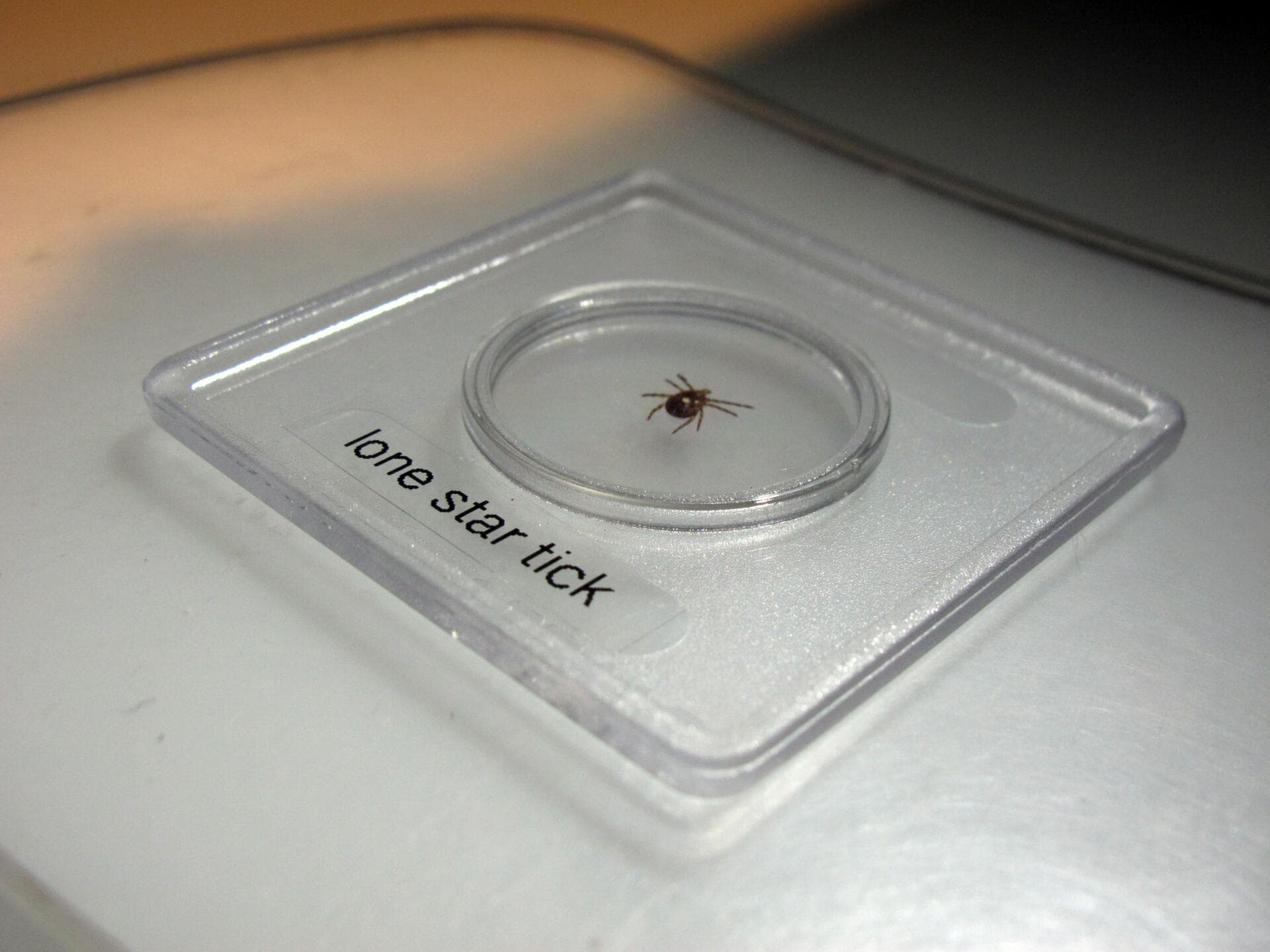
Massachusetts became the latest state to mandate reporting of alpha-gal syndrome cases in 2024, joining a growing number of jurisdictions tracking the rare but dangerous tick-borne allergy to red meat and other mammalian products. Once confined to the South—particularly Arkansas, Kentucky, and Virginia—the condition is now appearing in hotspots across the Northeast, including Martha’s Vineyard, where reported cases skyrocketed from just two in 2020 to over 500 by 2024. The syndrome, caused primarily by bites from the lone star tick, can trigger severe allergic reactions, including anaphylaxis, and in rare cases, death. Public health experts warn that as many as 450,000 Americans may currently be living with undiagnosed alpha-gal, unaware of the risks until they experience a debilitating reaction.
- Alpha-gal syndrome, a tick-borne allergy to red meat and mammalian products, is rapidly spreading beyond its traditional Southern strongholds into the Northeast, including Massachusetts and Martha’s Vineyard.
- Up to 450,000 Americans may unknowingly carry the condition, which can cause severe allergic reactions, including anaphylaxis and, in rare cases, death.
- The lone star tick, the primary carrier of alpha-gal, is expanding its range, contributing to the rise in cases.
- Public health measures, such as mandatory reporting and improved diagnostic testing, are being implemented to address the growing crisis.
What Is Alpha-Gal Syndrome and How Does It Develop?
Alpha-gal syndrome (AGS), formally known as alpha-gal allergy or mammalian meat allergy, is a delayed-onset allergic reaction triggered by the carbohydrate alpha-gal (galactose-alpha-1,3-galactose). This molecule is present in the saliva of certain ticks, particularly the lone star tick (*Amblyomma americanum*), which transfers it into the bloodstream upon biting a human. The immune system then mounts an allergic response to mammalian products, including beef, pork, lamb, dairy, and even some medications or cosmetics containing mammalian-derived ingredients.
The Science Behind the Allergic Reaction
The allergic reaction to alpha-gal is unique because it is delayed, often occurring 3 to 6 hours after consuming mammalian products—sometimes as long as 8 to 12 hours later. This delay makes it difficult for patients to link their symptoms to a specific food or tick bite. According to Dr. Tina Merritt, an allergist and immunologist at the Allergy and Asthma Clinic of Northwest Arkansas, the reaction can manifest as mild hives or progress to severe anaphylaxis, a life-threatening condition characterized by a sudden drop in blood pressure, swelling of the throat, and difficulty breathing.
“The hard part with alpha-gal is it's usually delayed. And so, some people may not associate their reaction with the hamburger they had at dinner. And it's usually at 2 in the morning; they'll wake up with dizziness. That means their blood pressure is low … And when the blood pressure drops, they usually describe dizziness, but it happens very quickly, and so they may not have much time to get attention.”
Researchers, including Dr. Merritt and the late Dr. Thomas Platts-Mills, discovered that alpha-gal is also present in the saliva of blacklegged ticks (*Ixodes scapularis*), which are more common along the eastern U.S. coast. This finding helps explain the rise in cases in regions like Martha’s Vineyard and the broader Northeast. Dr. Merritt noted that while not all lone star ticks carry alpha-gal, studies in Mississippi have confirmed its presence in both seed ticks (the larval stage) and adult ticks, suggesting widespread exposure potential.
The Geographic Spread: From the South to the Northeast
Historically, alpha-gal syndrome was concentrated in the Mid-South and Appalachia, with Arkansas, Kentucky, and Virginia reporting the highest case numbers. However, the lone star tick’s range has expanded dramatically over the past decade due to climate change, deforestation, and increased human-tick interactions. This expansion has led to alarming surges in the Northeast, particularly on Martha’s Vineyard, where cases jumped from two in 2020 to over 500 in 2024, according to Martha’s Vineyard Hospital.
Why Martha’s Vineyard Became a Hotspot
Martha’s Vineyard’s unique ecosystem—characterized by dense forests, a large deer population (a primary host for lone star ticks), and a seasonal influx of tourists—has created an ideal environment for tick proliferation. Dr. Merritt explained that the island’s outdoor lifestyle, combined with limited public health infrastructure for tick-borne illnesses, may have contributed to underreporting in the past. The sudden spike in cases has prompted local health officials to ramp up surveillance and education efforts.
Symptoms and Diagnosis: The Challenge of Delayed Reactions
Alpha-gal syndrome presents a diagnostic challenge due to its delayed onset and varied symptoms, which can mimic other conditions like food poisoning, gastroesophageal reflux disease (GERD), or even anxiety. Common symptoms include hives, itching, nausea, vomiting, stomach cramps, diarrhea, dizziness, and in severe cases, anaphylaxis. The condition can also exacerbate existing autoimmune disorders or cause chronic gastrointestinal issues.
The Diagnostic Process
Diagnosing alpha-gal syndrome typically involves a blood test that detects immunoglobulin E (IgE) antibodies specific to alpha-gal. However, false negatives can occur if testing is done too soon after a tick bite or a mammalian food exposure. Dr. Merritt, who helped develop one of the first diagnostic tests for AGS, noted that many patients endure years of misdiagnosis before identifying the true cause of their symptoms.
“I've had patients that were having symptoms for five years before they found out that they had alpha-gal,” Merritt said. “They go to the gastroenterologist. They go to the dermatologist, and you know, they may not know this is what was the cause of their symptoms.”
Lifestyle Changes and Dietary Risks for Alpha-Gal Patients
For those diagnosed with alpha-gal syndrome, the primary treatment is strict avoidance of mammalian products, including red meat, pork, lamb, dairy, gelatin, and certain pharmaceuticals. Even trace amounts of mammalian ingredients in foods, medications, or personal care products can trigger reactions. Common hidden sources of alpha-gal include beef tallow used in cooking, dairy-based additives in processed foods, and gelatin capsules in medications.
Navigating Everyday Life with Alpha-Gal
Tony Haigh of Bella Vista, Arkansas, has lived with alpha-gal since 2020. His symptoms initially presented as severe hives that lasted for three weeks before he sought medical attention. Haigh now carries an EpiPen, avoids all mammalian products, and relies on antihistamines to manage milder reactions. However, his dietary restrictions have forced significant lifestyle adjustments, particularly when dining out or traveling.
“If I go to a restaurant, it's absolutely a concern that there may be cross-contamination. If I have family or friends who are cooking a meal for me, they may think that, you know, they've modified to help me, which I'm very grateful for. But oftentimes that turkey or chicken sausage that they're substituting has a pork or beef casing,” Haigh said.
For some patients, the condition has led to drastic dietary changes, including permanent adoption of vegan diets. On Martha’s Vineyard, where cases have surged, some residents and visitors now avoid all animal products to reduce their risk. Dr. Merritt cautioned that even plant-based substitutes can pose risks if they contain trace amounts of mammalian ingredients.
The 2024 Breakthrough: Massachusetts Mandates Alpha-Gal Reporting
In a significant public health move, Massachusetts became the latest state to require healthcare providers and laboratories to report alpha-gal syndrome cases to the state Department of Public Health. This decision follows the lead of states like Arkansas, Kentucky, and Virginia, where AGS has been reportable for years. The mandate aims to improve surveillance, track the spread of the disease, and identify emerging hotspots. Public health experts hope this data will inform targeted prevention and education campaigns.
The Role of Ticks: How the Lone Star Tick Spreads Alpha-Gal
The lone star tick (*Amblyomma americanum*) is the primary vector for alpha-gal syndrome in the U.S. Native to the southeastern and south-central United States, the tick’s range has expanded northward and westward due to factors like climate change, which has prolonged its active season. The lone star tick is known for its aggressive behavior, often questing for hosts in tall grass or brush, and its ability to transmit multiple diseases, including ehrlichiosis and tularemia, in addition to AGS.
Tick Bite Mechanisms and Alpha-Gal Transfer
When a lone star tick bites a human, it injects alpha-gal into the bloodstream via its saliva. The immune system recognizes alpha-gal as a foreign invader and produces IgE antibodies in response. Subsequent exposures to mammalian products can trigger an allergic reaction. Dr. Merritt noted that the risk of developing AGS increases with repeated tick bites, as the immune system’s memory of alpha-gal strengthens over time.
Prevention Strategies: How to Protect Yourself from Tick Bites
Preventing tick bites is the most effective way to reduce the risk of alpha-gal syndrome. Health officials recommend a multi-layered approach, including wearing permethrin-treated clothing, using EPA-approved insect repellents like DEET or picaridin, and conducting thorough tick checks after outdoor activities. Dr. Merritt also advises treating pets with tick prevention products and treating residential properties with acaricides (tick pesticides) if tick activity is high.
Clothing and Environmental Controls
In recent years, clothing manufacturers have developed tick-repellent fabrics infused with permethrin, which can provide an added layer of protection. For those living in high-risk areas, treating yards with acaricides or creating tick-safe zones (e.g., removing leaf litter and tall grass) can reduce tick populations. Dr. Merritt emphasized the importance of addressing tick habitats near homes, as even small changes can significantly lower exposure risk.
The Human Toll: Stories from Alpha-Gal Patients
For Tony Haigh, the diagnosis was a turning point. Before identifying his alpha-gal allergy, he endured weeks of hives and sought help from multiple specialists. Today, he manages his condition by avoiding mammalian products and carrying an EpiPen, though the fear of cross-contamination looms large. Haigh’s story is not unique; many patients report years of unexplained symptoms before receiving a correct diagnosis.
Dr. Merritt’s Personal Journey
Dr. Tina Merritt’s connection to alpha-gal syndrome runs deeper than her professional work—she has lived with the condition since childhood. Her symptoms, initially dismissed as stomachaches, were finally linked to AGS after a tick bite in third grade. Merritt’s personal experience fuels her advocacy for better diagnostic tools and public awareness.
“In third grade, I was bitten by seed ticks at Girl Scout camp in Louisiana. And then I was calling my parents on hamburger day with stomach aches. I thought I was being punished on Good Friday for eating a hot dog,” Merritt recalled.
The Future of Alpha-Gal Syndrome: Research, Awareness, and Policy
While there is no cure for alpha-gal syndrome, ongoing research aims to better understand the condition’s mechanisms and develop more effective treatments. Public health initiatives are also ramping up, with states like Massachusetts joining others in mandating case reporting. Advocacy groups, such as the Alpha-Gal Syndrome Alliance, are pushing for clearer food labeling, improved diagnostic guidelines, and increased funding for tick-borne illness research.
The Need for Better Food Labeling
Haigh and other patients have called for food labeling that clearly identifies mammalian ingredients, similar to gluten-free or vegan labels. Currently, many products lack transparency about potential cross-contamination or hidden ingredients like gelatin or dairy derivatives. Haigh noted that dining out remains a significant challenge due to the risk of cross-contact in restaurant kitchens.
Frequently Asked Questions About Alpha-Gal Syndrome
Frequently Asked Questions
- Can alpha-gal syndrome go away?
- Alpha-gal syndrome may go into remission if a person avoids further tick bites, but it can return if bitten again. The immune system’s memory of alpha-gal means repeated exposures can trigger reactions even years later.
- Are all lone star ticks carriers of alpha-gal?
- Not all lone star ticks carry alpha-gal, but studies have confirmed its presence in both seed ticks and adult ticks in high-risk regions. Blacklegged ticks, common in the Northeast, also carry alpha-gal.
- What should I do if I suspect I have alpha-gal syndrome?
- Consult an allergist or immunologist for a blood test to detect alpha-gal antibodies. Keep a detailed food and symptom diary to help identify triggers. Avoid mammalian products until diagnosed to prevent reactions.