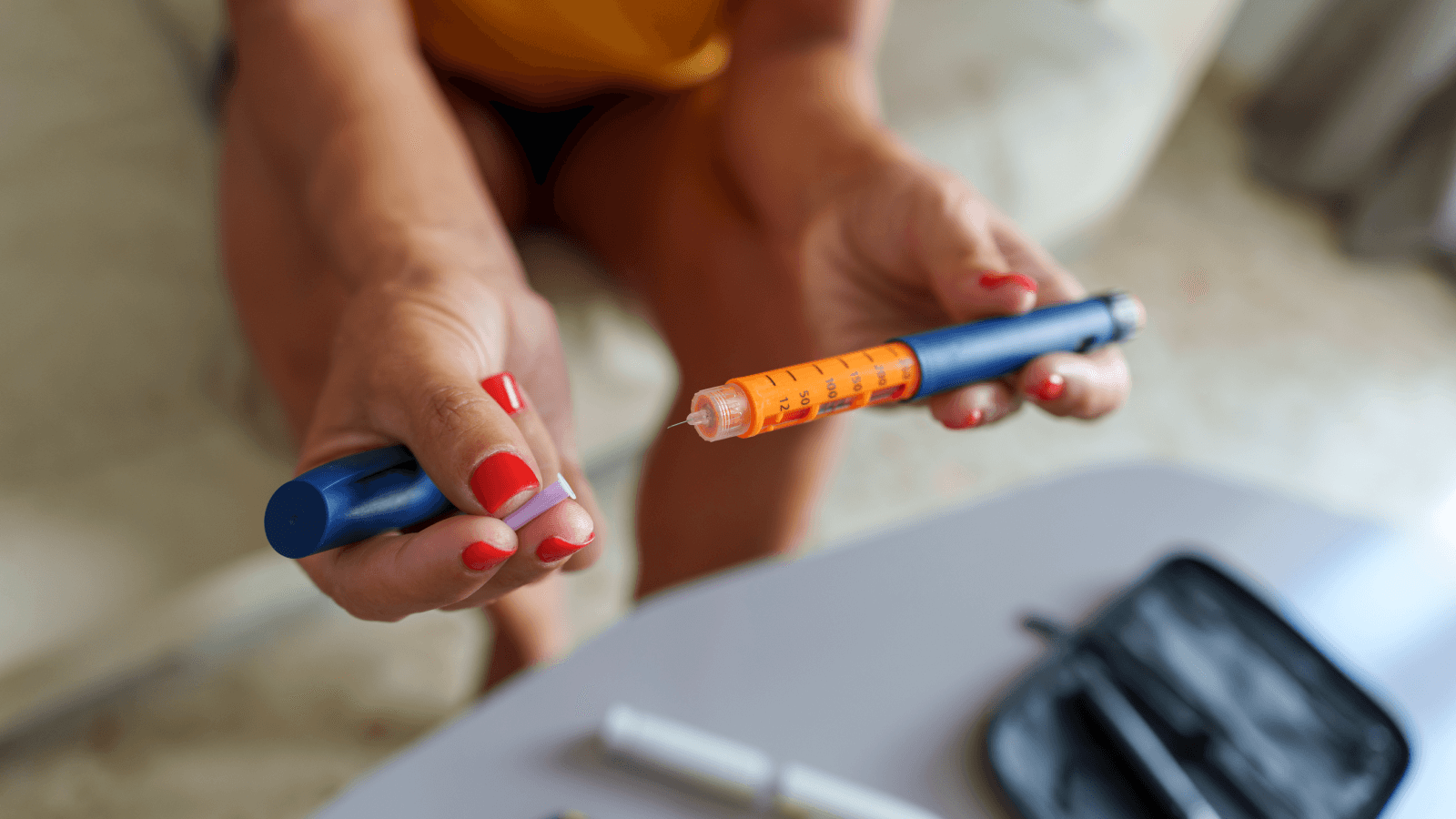
A decades-old, inexpensive immune-suppressing drug typically used in organ transplants has emerged as a promising new tool to delay the progression of type 1 diabetes in children newly diagnosed with the condition. In groundbreaking research published in September 2024 in the prestigious medical journal The Lancet, scientists demonstrated that a low dose of polyclonal antithymocyte globulin (ATG) could preserve insulin-producing beta cells in the pancreas for up to a year—effectively extending the so-called 'honeymoon phase' during which the body still produces some of its own insulin. This finding is particularly significant for children as young as 5, who experience the fastest decline in beta cell function after diagnosis.
How the ATG Breakthrough Could Transform Type 1 Diabetes Management
The discovery that ATG, a drug long used to prevent organ transplant rejection, can slow the destruction of insulin-producing beta cells in type 1 diabetes patients represents a major advance in the field. Unlike other diabetes treatments that require continuous administration or come with prohibitive costs, ATG is both inexpensive and already approved by the FDA for other uses, which could accelerate its path to clinical adoption.
The Science Behind ATG and Beta Cell Preservation
ATG works by targeting and depleting certain immune cells that mistakenly attack and destroy the insulin-producing beta cells in the pancreas. This autoimmune process is the hallmark of type 1 diabetes. In the new study, researchers set out to determine the lowest effective dose of ATG that could slow this destructive process while minimizing harmful side effects. The trial included 117 participants aged 5 to 25 who had been diagnosed with type 1 diabetes within nine weeks of the study’s start. Participants were randomly assigned to receive either a high dose (2.5 mg/kg of body weight), an intermediate dose (1.5 mg/kg), or a low dose (0.5 mg/kg) of ATG. The results showed that even the lowest dose preserved beta cell function for a full year, with significantly fewer side effects compared to higher doses.
Why the 'Honeymoon Phase' Matters in Type 1 Diabetes
When a child is first diagnosed with type 1 diabetes, their pancreas still retains some functional beta cells—a period known as the 'honeymoon phase.' During this time, the body produces a limited amount of its own insulin, which helps regulate blood sugar levels. Prolonging this phase is critical because it delays the need for intensive insulin therapy and reduces the risk of long-term complications such as heart disease, kidney damage, nerve damage, and vision problems. The study authors emphasized that preserving residual beta cell function is a key therapeutic goal in type 1 diabetes management.
The Side Effects Conundrum: Balancing Efficacy and Safety
While ATG shows promise, its use is not without risks. The drug, which is derived from rabbit and horse cells, can trigger immune reactions such as serum sickness—a condition caused by the body’s response to foreign proteins. In the study, serum sickness occurred in 82% of participants receiving the high dose of ATG, compared to just 32% in the low-dose group. Another side effect, cytokine release syndrome—a potentially severe inflammatory response—was observed in 24% of the low-dose group and 33% of the high-dose group. These findings underscore the importance of finding the right balance between therapeutic benefit and patient safety, particularly in young children.
Comparing ATG to Other Type 1 Diabetes Treatments
ATG is not the only drug being investigated to delay type 1 diabetes progression. Two other medications have shown promise: teplizumab-mzwv (brand name Tzield) and baricitinib (brand name Olumiant). Teplizumab, which is administered as a 14-day infusion, is FDA-approved to delay the onset of stage 3 type 1 diabetes—the stage at which patients typically require insulin therapy. However, its use is limited because most patients are not diagnosed during the earlier 'stage 2' phase when the drug is most effective. Baricitinib, an FDA-approved drug for rheumatoid arthritis, has shown potential in clinical trials but requires continuous use to maintain its benefits and has not yet been tested in children with diabetes.
Expert Reactions: Why Low-Dose ATG Could Be a Game-Changer
What gives us hope for the future is that there are lots of things we can consider. I think the reason this is somewhat promising is that it's now one of a handful of drugs that show you can delay type 1 diabetes somewhat.
Dr. Chantal Mathieu, lead study author and endocrinologist at the University Hospital Gasthuisberg Leuven in Belgium, emphasized the drug’s potential to make a meaningful difference in the lives of children newly diagnosed with type 1 diabetes. 'The ATG worked wonderfully,' she said. 'The beneficial effect was the biggest in the smallest children.' Mathieu added that this was the third study to confirm ATG’s effectiveness in delaying beta cell loss.
Dr. Jennifer Sherr, an endocrinologist and professor of pediatrics at Yale School of Medicine who was not involved in the study, highlighted the practical advantages of ATG over other treatments. 'Families who would find it extremely challenging to take off from work for their child to receive two weeks of infusions would benefit from a drug that can be administered in a shorter timeframe,' she noted. Sherr also praised the inclusion of children as young as 5 in the study, stating, 'Those are the kids who lose their beta cells so fast after diagnosis. Their insulin needs go up incredibly.'
The Future of ATG: Next-Generation Humanized Versions
Building on these findings, researchers are now developing a next-generation version of ATG that may eliminate many of the side effects associated with the traditional drug. SAB-142, created by SAB BIO, is produced using genetically modified cows that have been gene-edited to generate human antibodies. These humanized antibodies are then harvested from the cows’ blood. Because the antibodies are derived from human genes, they are less likely to trigger immune reactions such as serum sickness or cytokine release syndrome. Additionally, they are less prone to eliciting an immune response that could neutralize the drug’s effectiveness.
Dr. Michael Haller, chief of pediatric endocrinology at the University of Florida’s Diabetes Institute and an advisory board member for SAB BIO, expressed optimism about the potential of SAB-142. 'In theory, the new drug may be safer and even more effective in type 1 diabetes,' he said. Haller also noted that clinical trials for SAB-142 are set to begin in late 2024 or early 2025, marking a significant step toward bringing this innovative treatment to patients.
Key Takeaways: What Families and Clinicians Need to Know
- A low dose of the transplant drug ATG can delay the progression of type 1 diabetes in children as young as 5 by preserving insulin-producing beta cells for up to a year.
- The drug is significantly less expensive and more widely available than other diabetes-delaying treatments like teplizumab or baricitinib.
- ATG’s side effects, such as serum sickness, are dose-dependent, making lower doses a safer option, particularly for young children.
- Next-generation humanized versions of ATG, like SAB-142, may eliminate many of the immune-related side effects and improve efficacy.
- Prolonging the 'honeymoon phase' of type 1 diabetes can reduce the risk of long-term complications such as heart, kidney, and nerve damage.
The Broader Implications for Type 1 Diabetes Research and Treatment
The findings from this study represent a critical step forward in the fight against type 1 diabetes, a chronic condition that affects approximately 1.6 million Americans, including about 187,000 children. While current treatments focus on managing blood sugar levels through insulin therapy, drugs like ATG that target the root cause of the disease—autoimmune destruction of beta cells—offer the potential for long-term disease modification. Researchers believe that a multi-drug approach may ultimately be necessary to fully halt the progression of type 1 diabetes, but ATG’s low cost and accessibility make it a valuable addition to the treatment arsenal.
Challenges and Considerations in Bringing ATG to Clinical Practice
Despite its promise, several challenges remain before ATG can become a standard treatment for type 1 diabetes. First, while the drug is FDA-approved for other uses, it is not yet approved specifically for diabetes. This means that clinicians would need to prescribe it 'off-label,' which can create barriers to access and reimbursement. Additionally, the study’s findings are based on a relatively small sample size of 117 participants, and longer-term data are needed to confirm the durability of the drug’s benefits. Finally, the logistics of administering ATG—particularly in pediatric patients—require careful planning, as the drug must be infused over two days in a clinical setting.
Expert Consensus: A Multi-Pronged Approach to Type 1 Diabetes
Both Dr. Mathieu and Dr. Sherr emphasized that no single drug is likely to be a silver bullet for type 1 diabetes. Instead, they envision a future where multiple therapies, including ATG, teplizumab, and emerging treatments, are used in combination to slow or even halt the disease’s progression. 'Many people think it’s going to take a multi-agent approach,' Sherr said. 'To really stop T1D in its tracks, people would likely need to get multiple drugs.' This approach aligns with the broader trend in medicine toward personalized, combination therapies for complex diseases.
The Road Ahead: What’s Next for ATG Research?
With the publication of this study, researchers are poised to expand their investigations into ATG’s potential. Future trials may explore higher doses, longer treatment durations, or combination therapies with other diabetes-delaying drugs. The development of next-generation humanized ATG drugs, such as SAB-142, could also open new avenues for research and clinical application. For families affected by type 1 diabetes, these advances offer a glimmer of hope in a field that has long been dominated by insulin therapy and symptom management.
Frequently Asked Questions About ATG and Type 1 Diabetes
Frequently Asked Questions
- How does ATG differ from other diabetes treatments?
- ATG is an immune-suppressing drug originally used in organ transplants, which targets the autoimmune destruction of beta cells in type 1 diabetes. Unlike insulin, which manages blood sugar, or drugs like teplizumab, which require continuous infusion, ATG is administered in short courses and is significantly less expensive.
- What are the side effects of ATG in children?
- Common side effects include serum sickness (an immune reaction in 32% of low-dose recipients vs. 82% of high-dose recipients) and cytokine release syndrome, which causes fever, nausea, and fatigue. The risk of side effects is significantly lower with low-dose ATG.
- Is ATG FDA-approved for type 1 diabetes?
- No, ATG is not yet FDA-approved specifically for type 1 diabetes, though it is approved for other uses such as organ transplant rejection. Clinicians may prescribe it off-label for diabetes while awaiting further clinical trials and regulatory approvals.