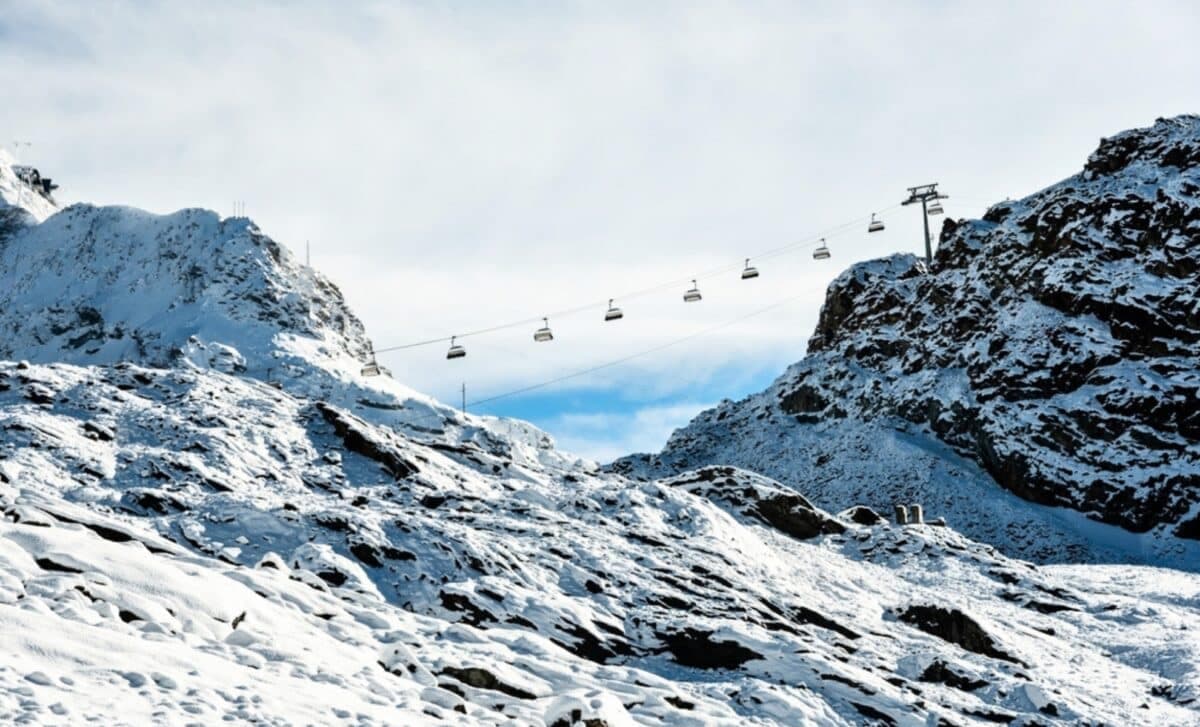
In a unique blend of adventure and scientific contribution, a research team in Italy is recruiting healthy volunteers to live for four weeks at 2,300 meters elevation in the breathtaking—and free—accommodations of Stelvio National Park. Participants will receive complimentary lodging, all meals provided, and a €400 cash stipend simply for joining the groundbreaking Mahe (Moderate Altitude Healthy Exposure) study, which aims to fill a critical void in our understanding of how the human body adapts to moderate altitudes. Set to run from August through September 2026, the study represents one of the first controlled investigations into the physiological effects of living at elevations often overshadowed by research focused on extreme heights like 3,000 or 4,000 meters.
- Healthy adults aged 18–40 can apply for a month-long paid study in Italy’s Stelvio National Park, receiving €400 plus free meals and lodging.
- The Mahe study examines how moderate altitude (2,300m) affects physiology, addressing a gap in research dominated by extreme altitude studies.
- Participants must avoid chronic illness, heavy drinking, smoking, and recent high-altitude exposure; applications are open now for the 2026 session.
Why This Altitude Research Study Matters for Millions of People
While extreme altitude research dominates scientific literature—often focusing on elite mountaineers or high-altitude natives—moderate elevations like 2,300 meters affect hundreds of millions of people on a daily basis. Approximately 200 million individuals worldwide live year-round above 2,000 meters, and millions more visit such regions annually for tourism, hiking, or seasonal work. Despite this widespread exposure, nearly all existing studies concentrate on elevations above 3,000 to 4,000 meters, where the body’s responses—such as severe oxygen deprivation and acute mountain sickness—are far more pronounced and dangerous.
At moderate altitudes, physiological changes are subtler but pervasive, influencing everything from sleep quality and appetite to cardiovascular function and metabolic rate. These effects can have meaningful implications for public health, particularly as climate change and tourism patterns shift populations toward higher elevations. ‘We know a lot about how the body responds to extreme altitudes, but almost nothing about how it adapts to moderate elevations that millions experience regularly,’ said Dr. Hermann Brugger, a prominent altitude medicine researcher not involved in the Mahe study. ‘This research could inform everything from tourism safety guidelines to recommendations for people with chronic conditions who live or travel at moderate heights.’
The Science Behind Living at 2,300 Meters: What Researchers Will Track
The Mahe study, led by scientists at Eurac Research—a leading biomedical research center based in Bolzano, Italy—will monitor a comprehensive suite of physiological indicators during the month-long stay at the Nino Corsi mountain refuge. Researchers will track heart and lung function, metabolism, sleep patterns, appetite, and physical endurance using noninvasive and wearable technologies. Participants will also undergo regular blood tests to assess red blood cell production and oxygen-carrying capacity, two of the body’s key adaptations to reduced oxygen availability at altitude.
How the Body Adapts to Moderate Altitude
At higher elevations, barometric pressure drops, reducing the amount of oxygen available in each breath. In response, the body increases its breathing rate, redirects blood flow to vital organs, and boosts red blood cell production to improve oxygen delivery. At extreme altitudes, these mechanisms can become overwhelmed, leading to dangerous conditions like high-altitude pulmonary edema (HAPE) or cerebral edema (HACE). At 2,300 meters, however, the changes are more gradual and less likely to cause acute illness—but still significant enough to warrant study.
The study’s focus on moderate altitude is intentional. Eurac Research’s team has excluded participants with intensive training routines or recent high-altitude exposure to ensure the results reflect general health responses rather than those of elite athletes or altitude-adapted individuals. ‘We’re not looking at how marathon runners perform at altitude,’ explained Dr. Elia Bonomi, a principal investigator on the Mahe project. ‘We’re studying how your average healthy person’s body adjusts over a sustained period. This data could help inform guidelines for travelers, remote workers, and even future climate migrants.’
Who Can Apply? Eligibility Criteria and Selection Process for the Paid Mountain Study
To qualify for the Mahe study, applicants must be healthy adults between the ages of 18 and 40. The research team has outlined strict inclusion and exclusion criteria to ensure data consistency and participant safety. Eligible candidates must not have chronic illnesses, engage in heavy alcohol use, smoke, use recreational drugs, or maintain an intensive training regimen (defined as more than two high-intensity workouts per week). Additionally, applicants must not have spent time above 1,500 meters for at least one month prior to the study’s start date, ensuring their bodies begin the experiment from a low-altitude baseline.
Three-Phase Study Design: From Baseline to Follow-Up
The Mahe study is structured in three distinct phases to provide comprehensive data. In Phase 1, participants spend one week in Silandro, a town located at 720 meters elevation, where researchers conduct baseline measurements of heart rate variability, lung function, metabolic rate, sleep patterns, and blood chemistry. This phase ensures all participants start from a comparable physiological state before ascending to altitude.
Phase 2 is the core of the study: a four-week residency at the Nino Corsi refuge in Stelvio National Park, situated at exactly 2,300 meters. During this period, participants live in the alpine refuge, where they will have access to free meals prepared by on-site staff and free lodging in shared or private rooms. Researchers will conduct daily check-ins and periodic assessments to monitor physiological changes. Participants are encouraged to maintain their regular routines—whether working remotely, studying, or simply enjoying the alpine environment—but must adhere to scheduled monitoring sessions and avoid rigorous physical activity.
In Phase 3, participants return to Bolzano, a city in northern Italy’s South Tyrol region, for a final week of follow-up medical examinations. These tests mirror the baseline assessments and help researchers track how the body readjusts to lower elevations. All data will be anonymized and analyzed before publication in peer-reviewed scientific journals, with findings expected to contribute to broader discussions about altitude medicine, tourism safety, and public health policies.
Life at the Nino Corsi Refuge: Comfort, Convenience, and Scientific Purpose
The Nino Corsi refuge, perched within the UNESCO-listed Stelvio National Park, offers volunteers a rare opportunity to immerse themselves in one of Europe’s most stunning natural landscapes without financial burden. The refuge, accessible only by foot or cable car, provides rustic yet comfortable accommodations, including shared dormitories and private rooms. Meals are prepared on-site using locally sourced ingredients, offering a taste of traditional South Tyrolean cuisine.
While the setting may resemble a luxury alpine retreat, participants must balance their stay with the demands of the study. Researchers require consistent data collection, including daily logs of sleep quality, dietary intake, and physical activity, as well as periodic blood draws and cardiopulmonary testing. The €400 stipend is designed to cover incidental expenses—such as travel to and from the refuge, personal gear, or souvenirs—but cannot be viewed as compensation for rigorous labor.
This isn’t a vacation. It’s a research study. We need participants who are genuinely interested in contributing to science while experiencing a unique lifestyle. The compensation is modest by design, reflecting our focus on scientific rigor rather than participant remuneration.”
For adventurous individuals drawn to the idea of a month in the Alps, the Mahe study removes two of the biggest barriers: cost of living and accommodation. However, the trade-off is participation in a structured research protocol. ‘Many people dream of spending a month in the mountains,’ said Dr. Brugger. ‘This study offers that chance—but with a purpose. You’re not just a tourist; you’re a data point in a larger effort to understand how altitude shapes human health.’
How to Apply and What Comes Next for Selected Volunteers
Applications for the August–September 2026 session are now open through Eurac Research’s official website, though the project page has experienced high traffic volumes due to widespread interest. The research team plans to accept a fixed number of participants to maintain data quality and participant safety. Once selected, volunteers will receive detailed instructions about travel logistics, required documentation, and pre-study preparations.
Selected participants will be responsible for arranging their own transportation to Silandro, Italy, where the study begins. Eurac Research will cover all expenses related to meals, lodging, and on-site monitoring during the three phases. After the study concludes, participants may be invited to co-author scientific publications or attend follow-up webinars summarizing the findings.
Broader Implications: How This Research Could Shape Public Health and Tourism
The findings from the Mahe study could have far-reaching implications beyond the realm of academic research. As global temperatures rise and more people seek cooler climates or higher elevations for work or leisure, understanding the health impacts of moderate altitude becomes increasingly urgent. Tourism boards in mountainous regions—from the Alps to the Rockies to the Himalayas—could use this data to develop safety guidelines for visitors. Similarly, employers considering remote work policies for employees in high-altitude locations may benefit from evidence-based recommendations.
The study also holds potential for individuals with chronic conditions, such as heart disease or respiratory disorders, who may be advised to avoid moderate altitudes based on anecdotal evidence rather than robust data. ‘If we can establish clear thresholds for safe exposure at 2,300 meters, it could change how doctors counsel patients who live or travel at moderate elevations,’ said Dr. Bonomi. ‘Right now, we’re operating on very little evidence.’
Stelvio National Park: A UNESCO-Recognized Alpine Treasure
Stelvio National Park, where the Nino Corsi refuge is located, is one of Italy’s largest and most biodiverse protected areas, spanning 134 square kilometers across the Lombardy and Trentino-Alto Adige regions. The park is renowned for its dramatic landscapes, which range from lush valley forests to rugged peaks and permanent snowfields. It is also a UNESCO Biosphere Reserve, recognized for its ecological significance and sustainable tourism practices.
For participants, living within the park offers more than just a place to sleep—it provides a living laboratory of alpine ecology, geology, and climate. The park’s altitude gradient allows researchers to study not only human physiology but also the broader environmental impacts of climate change, such as shifts in vegetation zones and glacial retreat. ‘Being immersed in this environment adds a layer of meaning to the experience,’ said Dr. Brugger. ‘You’re not just observing altitude; you’re observing its intersection with a changing world.’
Frequently Asked Questions About the Mahe Altitude Study
Frequently Asked Questions
- Who is funding the Mahe altitude study?
- The Mahe study is funded by Eurac Research, a leading biomedical research institute based in Bolzano, Italy. Additional support may come from regional or national health agencies in Italy, though specific funding sources have not been publicly disclosed.
- What happens if I get altitude sickness during the study?
- Participants will be closely monitored by medical staff throughout the study. If symptoms of altitude sickness (such as headaches, nausea, or dizziness) arise, researchers will provide immediate care and may adjust the participant’s activities or recommend descent to lower elevations if necessary. Safety is the top priority.
- Can I bring my pet or family member to the refuge?
- No. The study is designed for individual participants only. Pets and family members are not permitted at the Nino Corsi refuge to maintain the integrity of the research environment and ensure participant safety and comfort.