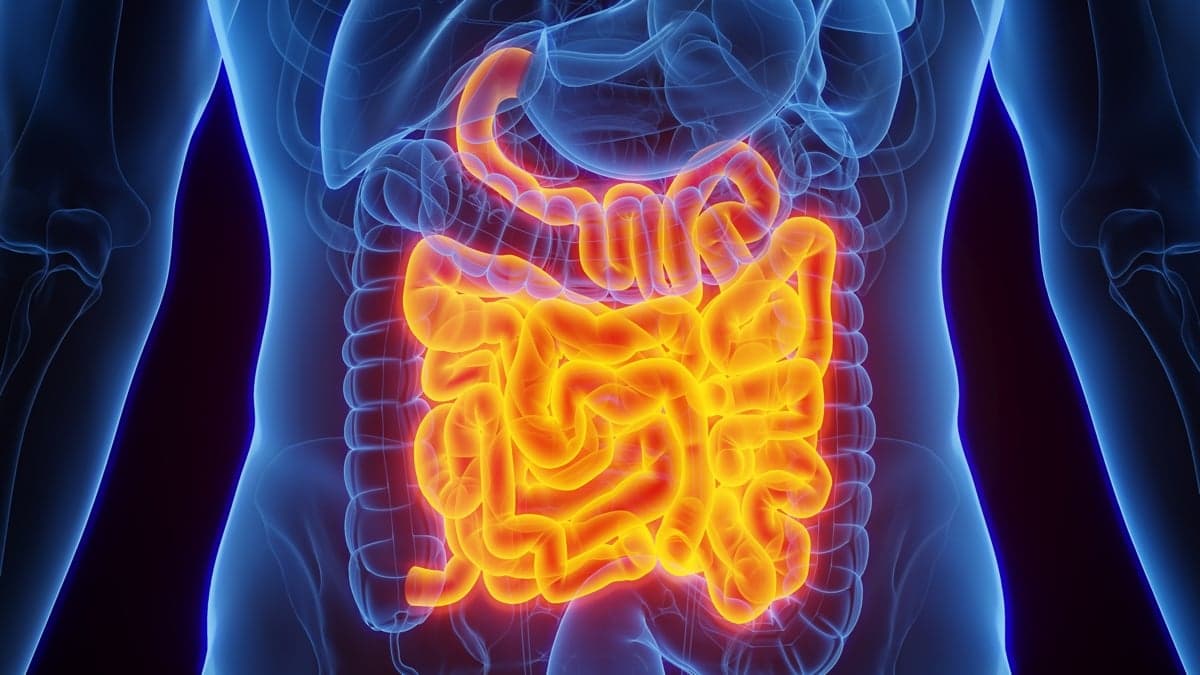
In a groundbreaking discovery that could reshape treatment strategies for inflammatory bowel disease (IBD) and antimicrobial resistance, researchers at the Massachusetts Institute of Technology (MIT) have uncovered the dual protective role of a little-known gut protein called intelectin-2. This protein, part of the ancient lectin family, operates as both a shield and a warrior in the gastrointestinal tract—strengthening the mucus barrier that safeguards intestinal tissues while simultaneously targeting and neutralizing dangerous bacteria that breach that defense. The findings, published in Nature Communications, reveal that intelectin-2 binds to specific sugar molecules to fortify the gut’s first line of defense and actively dismantles harmful microbes, including those resistant to conventional antibiotics.
How This Dual-Action Gut Protein Could Transform Inflammatory Bowel Disease Treatment
For decades, scientists have understood that the gastrointestinal tract relies on a complex mucus barrier to prevent harmful bacteria from infiltrating intestinal tissues. However, the precise molecular mechanisms that maintain and reinforce this barrier have remained elusive—until now. The MIT-led research team, led by chemist Dr. Laura Kiessling, has demonstrated that intelectin-2 plays a pivotal role in this process by crosslinking mucus molecules, effectively patching gaps in the barrier and preventing bacterial infiltration. This defensive maneuver is critical because a compromised mucus barrier is a hallmark of inflammatory bowel diseases such as Crohn’s disease and ulcerative colitis, conditions that affect millions of Americans and can lead to severe complications, including malnutrition and colorectal cancer.
The Breakthrough: How Intelectin-2 Strengthens the Gut’s First Line of Defense
Intelectin-2 belongs to a class of proteins called lectins, which specialize in recognizing and binding to specific sugar molecules. In the gut, these sugars are abundant in the mucus layer that coats the intestinal lining. The MIT team discovered that intelectin-2 binds to galactose, a simple sugar present in both mucus molecules and the outer coatings of certain bacteria. By forming molecular bridges between mucus strands, intelectin-2 effectively thickens and stabilizes the mucus barrier, making it far more difficult for bacteria to penetrate. This action mirrors the way a dam reinforces a riverbank—preventing erosion and maintaining structural integrity. In lab experiments using mouse and human tissue samples, researchers observed that without intelectin-2, the mucus barrier was significantly weaker, allowing bacteria to infiltrate more easily.
From Defense to Offense: Intelectin-2’s Direct Attack on Harmful Bacteria
When the mucus barrier is breached—whether due to injury, inflammation, or infection—intelectin-2 shifts from a defensive role to an offensive one. The protein targets a range of harmful bacteria by binding to galactose-rich carbohydrates on their surfaces. This binding disrupts the bacterial outer membrane, leading to cell death over time. Among the pathogens neutralized by intelectin-2 are Staphylococcus aureus, a leading cause of sepsis and antibiotic-resistant infections, and Klebsiella pneumoniae, a bacterium notorious for causing pneumonia and urinary tract infections. The discovery is particularly significant because both of these bacteria have developed resistance to multiple antibiotics, including methicillin-resistant Staphylococcus aureus (MRSA) and carbapenem-resistant Klebsiella pneumoniae (CRKP). According to the Centers for Disease Control and Prevention (CDC), antibiotic-resistant infections sicken more than 2.8 million Americans annually and contribute to over 35,000 deaths.
“What’s remarkable is that intelectin-2 operates in two complementary ways: it helps stabilize the mucus layer, and if that barrier is compromised, it can directly neutralize or restrain bacteria that begin to escape. It’s like having a security system that not only reinforces the walls but also actively disables intruders.” — Dr. Laura Kiessling, MIT chemist and senior author of the study
A New Weapon Against the Global Crisis of Antimicrobial Resistance
The rise of antibiotic-resistant bacteria has been declared one of the top 10 global public health threats by the World Health Organization (WHO), with projections suggesting that antimicrobial resistance could cause 10 million deaths annually by 2050 if left unchecked. The discovery of intelectin-2 offers a promising alternative strategy by harnessing the body’s own innate immune defenses. Unlike traditional antibiotics, which target essential bacterial processes and drive resistance, intelectin-2 disarms pathogens by exploiting structural vulnerabilities in their outer membranes. The MIT team’s experiments showed that bacteria subjected to intelectin-2’s action did not develop resistance over multiple generations, suggesting that this protein-based approach could provide a more sustainable solution. Kiessling emphasized the importance of this finding: “Harnessing human lectins as tools to combat antimicrobial resistance opens up a fundamentally new strategy that draws on our own innate immune defenses. Taking advantage of proteins that the body already uses to protect itself against pathogens is compelling and a direction that we are pursuing.”
Linking Intelectin-2 Dysregulation to Inflammatory Bowel Disease
While the protective role of intelectin-2 in the gut is now clear, its dysregulation has been linked to inflammatory bowel disease (IBD). Prior research by other teams had established that another lectin, intelectin-1, was associated with Crohn’s disease. The new study builds on this by showing that patients with IBD often exhibit abnormally low or high levels of intelectin-2 in their intestinal tissues. This imbalance suggests two potential issues: either the mucus barrier is not being adequately reinforced, leaving tissues vulnerable to bacterial invasion, or the protein is overactive, mistakenly targeting beneficial gut bacteria and disrupting the microbiome. Gut dysbiosis—the imbalance of microbial communities—is a known contributor to IBD flare-ups, which affect approximately 3.1 million adults in the United States alone, according to the CDC.
The Microbiome Connection: Could Boosting Intelectin-2 Offer Relief?
The human gut hosts trillions of microorganisms that play a crucial role in digestion, immune function, and even mental health. Disruptions to this delicate ecosystem can lead to chronic inflammation and disease. The MIT researchers hypothesize that restoring optimal levels of intelectin-2 could help stabilize the mucus barrier and prevent dysbiosis in IBD patients. Clinical trials are needed to test whether enhancing intelectin-2 activity—either through dietary interventions, probiotics, or synthetic mimics—could reduce symptoms such as abdominal pain, diarrhea, and bloody stools. Dr. Kiessling noted that this approach would represent a paradigm shift in IBD treatment: “Instead of suppressing the immune system with broad-spectrum drugs, we’re looking at how to boost a natural defense mechanism that the body already uses.”
The Ancient Origins of Lectins and Their Modern Medical Potential
Lectins are among the oldest proteins in the animal kingdom, predating the evolution of advanced adaptive immune systems. These molecules have been conserved across species, from sponges to humans, indicating their critical role in survival. In humans, the genome encodes more than 200 different lectins, each specialized to recognize distinct sugar structures. While many lectins are involved in cell communication and immune signaling, the MIT study highlights the unique dual functionality of intelectin-2. Unlike other lectins that may act as signals or adhesion molecules, intelectin-2 combines structural reinforcement with direct antimicrobial activity. This dual role underscores the precision and sophistication of the body’s innate immune system—a system that scientists are only beginning to understand.
Future Directions: From Lab to Clinic
The discovery of intelectin-2’s protective mechanisms opens multiple avenues for future research and therapeutic development. Scientists are now exploring ways to harness this protein for clinical applications, including the creation of synthetic versions that can be administered as drugs to patients with compromised mucus barriers. Another promising approach is gene therapy to enhance natural intelectin-2 production in individuals with IBD or those at high risk of infection. Additionally, the protein could inspire the development of novel antimicrobial coatings for medical devices, such as catheters and surgical tools, to prevent biofilm formation by resistant bacteria. The researchers caution, however, that translating these findings into human therapies will require rigorous testing to ensure safety and efficacy. Early-stage preclinical studies are already underway, with support from the National Institutes of Health (NIH) and the Burroughs Wellcome Fund.
- Intelectin-2 strengthens the gut’s mucus barrier by crosslinking mucus molecules, preventing bacterial infiltration—a critical defense against inflammatory bowel disease.
- The protein directly neutralizes harmful bacteria, including antibiotic-resistant strains like Staphylococcus aureus and Klebsiella pneumoniae, by disrupting their outer membranes.
- Dysregulation of intelectin-2 levels has been linked to inflammatory bowel disease, suggesting potential new diagnostic and therapeutic targets.
- Harnessing this ancient immune protein could provide a sustainable alternative to traditional antibiotics, addressing the growing crisis of antimicrobial resistance.
- Future treatments may include synthetic mimics of intelectin-2, gene therapy to boost its production, or antimicrobial coatings inspired by its mechanism.
Expert Reaction: A Paradigm Shift in Gut Health and Immunology
The scientific community has responded with enthusiasm to the MIT study, with many experts praising its innovative approach to gut health and antimicrobial resistance. Dr. Eran Elinav, an immunologist at the Weizmann Institute of Science and a leading researcher in microbiome science, called the findings “a game-changer.” He noted, “This work elegantly demonstrates how the body’s innate defenses can be leveraged to combat disease without relying on antibiotics. It highlights the untapped potential of host-directed therapies in gut health.” Similarly, Dr. David Artis, director of the Jill Roberts Institute for Research in Inflammatory Bowel Disease at Cornell University, emphasized the broader implications: “Understanding how lectins like intelectin-2 function provides a roadmap for developing precision therapies that target the root causes of IBD rather than just managing symptoms.”
What’s Next for Intelectin-2 Research?
As the scientific community digests the implications of this research, several key questions remain unanswered. Researchers are eager to determine whether intelectin-2 levels can serve as a biomarker for IBD severity or treatment response. Additionally, they are investigating whether dietary factors—such as the consumption of galactose-rich foods—can influence intelectin-2 activity. The gut microbiome itself may also play a role in regulating this protein, creating a complex interplay between host genetics, diet, and microbial communities. The MIT team is currently conducting follow-up studies to explore these avenues, with the goal of translating their findings into patient care within the next decade. As Dr. Kiessling stated, “This is just the beginning. The gut is an incredibly dynamic environment, and we’re only scratching the surface of what these ancient proteins can do.”
Frequently Asked Questions
- What is intelectin-2 and how does it protect the gut?
- Intelectin-2 is a gut protein belonging to the lectin family that strengthens the mucus barrier by crosslinking mucus molecules and directly neutralizes bacteria by disrupting their outer membranes. This dual action prevents harmful bacteria from invading intestinal tissues and combats infections, including antibiotic-resistant strains.
- Could intelectin-2 be used to treat inflammatory bowel disease?
- Research suggests that restoring optimal levels of intelectin-2 could help stabilize the mucus barrier and prevent dysbiosis in IBD patients. While clinical trials are needed, this approach represents a potential paradigm shift in IBD treatment by boosting a natural defense mechanism rather than suppressing the immune system.
- How does intelectin-2 combat antibiotic-resistant bacteria?
- Unlike traditional antibiotics that target essential bacterial processes, intelectin-2 disarms pathogens by binding to sugar molecules on their surfaces, disrupting their outer membranes and leading to cell death. This method is less likely to drive resistance, offering a more sustainable solution to antimicrobial resistance.