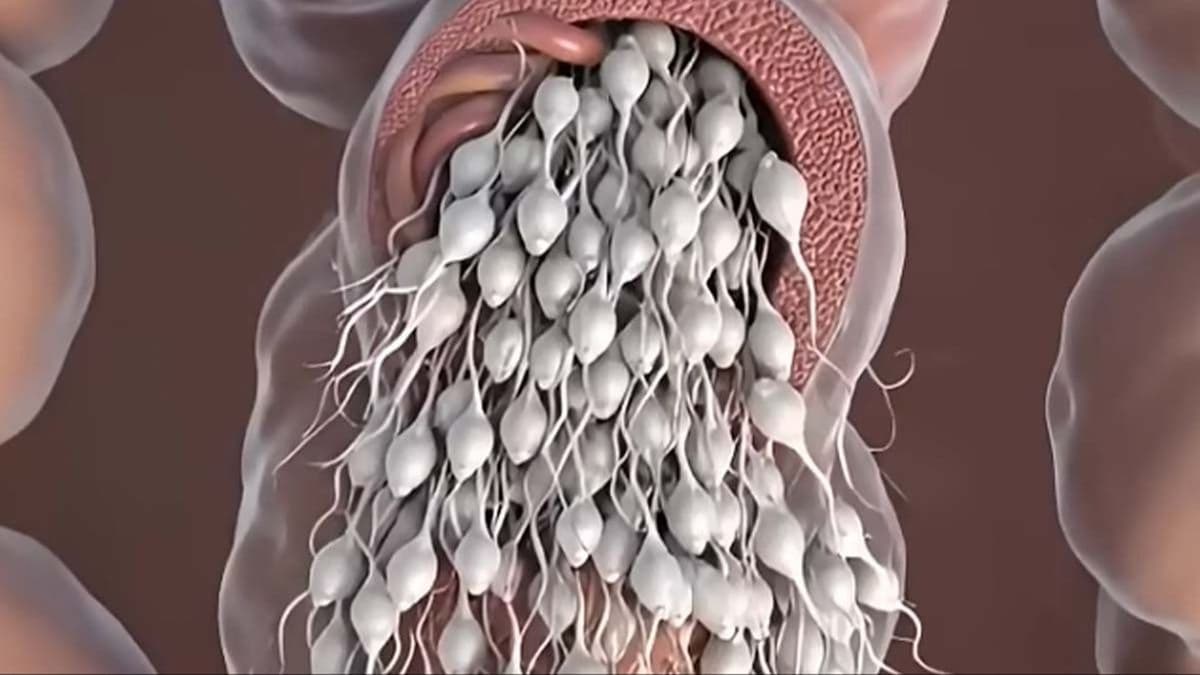
A groundbreaking simulation by YouTube educator Dr. Smurf has illuminated a little-understood aspect of male reproductive biology: the fate of sperm that are never ejaculated. The animation, which has drawn millions of views since its March 2025 release, reveals that the average male body produces and stores sperm for roughly 74 to 76 days—a period known as spermatogenesis—before either breaking down and reabsorbing the cells or expelling them during nocturnal emissions. This process underscores the body’s remarkable efficiency in recycling biological materials, yet it also raises questions about the implications of prolonged sperm retention for fertility, hormonal balance, and overall male health.
- Sperm cells take 74-76 days to fully mature through spermatogenesis, beginning in puberty and continuing throughout a man’s life.
- Unreleased sperm are either reabsorbed into the epididymis or expelled via wet dreams, rather than simply expiring.
- Conditions like azoospermia and oligospermia, caused by genetic or environmental factors, can disrupt normal sperm production.
- Contrary to internet myths, abstinence does not improve sperm quality but may influence testosterone levels and prostate health.
- Environmental factors, including heat exposure and smoking, can significantly impair sperm development.
The Science of Spermatogenesis: How Sperm Are Born and Broken Down
Sperm production begins in the testes, where specialized cells called Sertoli cells nurture immature germ cells through a 74- to 76-day maturation process known as spermatogenesis. During this time, the developing sperm—called spermatids—undergo a series of transformations, including the development of tails (flagella) for mobility and the acrosome, a cap-like structure that helps the sperm penetrate an egg. Once mature, the sperm are stored in the epididymis, a coiled tube attached to the back of each testicle, where they await ejaculation.
The Epididymis: A Temporary Storage Facility with a Dual Purpose
The epididymis serves as both a storage unit and a quality-control checkpoint for sperm. Healthy sperm can remain viable here for up to five days after ejaculation, but if they go unused, the body initiates one of two processes. In the first, sperm undergo a process called degeneration, where their structural components—including enzymes, zinc, and fructose—are broken down and reabsorbed into the bloodstream. These recycled materials are then repurposed to fuel the production of new sperm. Alternatively, if the sperm are not reabsorbed, they may be expelled during a nocturnal emission, commonly referred to as a wet dream. This involuntary release typically occurs during sleep and is a normal physiological response, particularly in adolescents and young adults.
The Role of Semen: More Than Just Sperm
Semen, the fluid ejaculated during orgasm, is a composite of contributions from multiple glands. The seminal vesicles provide fructose for energy, the prostate gland secretes alkaline fluid to neutralize vaginal acidity, and the bulbourethral glands add a pre-ejaculate fluid that lubricates the urethra. A typical ejaculation contains between 20 million and 300 million sperm cells suspended in 2 to 5 milliliters of semen. This vast number increases the likelihood of fertilization, as only a fraction of sperm survive the journey to the egg.
When Sperm Retention Becomes a Medical Concern
While the body’s system for handling unreleased sperm is generally efficient, certain conditions can disrupt this process, leading to infertility or other health issues. Azoospermia, affecting about 1% of men, occurs when no sperm are present in the ejaculate. This can result from blockages in the reproductive tract, hormonal imbalances, or genetic factors. Oligospermia, characterized by fewer than 15 million sperm per milliliter of semen, is far more common and can stem from similar causes. Another rare but serious condition is anejaculation, where a man produces sperm but cannot ejaculate due to nerve damage, spinal cord injuries, or psychological factors. Left untreated, anejaculation can lead to a buildup of unreleased sperm, increasing the risk of complications such as epididymal hypertension or testicular discomfort.
Retrograde Ejaculation: When Sperm Go the Wrong Way
In retrograde ejaculation, semen flows backward into the bladder instead of exiting the body through the penis. This condition, often caused by prostate surgery, diabetes, or medications, results in cloudy urine post-orgasm and a dry ejaculation. While it does not typically harm fertility outright—sperm can still be retrieved from urine samples—it can complicate conception attempts. Men experiencing retrograde ejaculation are often advised to consult a urologist to explore options like sperm retrieval procedures or medication adjustments.
How Lifestyle Choices Impact Sperm Health
Environmental and behavioral factors play a significant role in sperm production and quality. Prolonged exposure to heat—whether from hot tubs, saunas, or tight clothing—can elevate testicular temperatures, impairing sperm development. Smoking, excessive alcohol consumption, and drug use are also linked to reduced sperm counts and motility. On the other hand, certain nutrients, such as zinc, selenium, and folate, are critical for healthy sperm production. The Cleveland Clinic notes that varicocele—a condition involving swollen veins in the scrotum—can also hamper sperm quality by increasing testicular temperature.
Myths and Facts About Male Abstinence: Separating Science from Internet Lore
The internet is rife with claims that abstaining from ejaculation—popularized by movements like "No Nut November"—can boost testosterone levels, improve sperm quality, or enhance physical performance. However, medical experts have consistently debunked these assertions. A 2016 study published in the journal *European Urology* found that men who ejaculated frequently (21 times or more per month) had a 31% lower risk of prostate cancer compared to those who ejaculated four to seven times monthly. The study, led by researchers at Harvard University, controlled for factors such as diet, exercise, and PSA testing frequency, suggesting that frequent ejaculation may contribute to prostate health.
The results held up to rigorous statistical evaluation even after other lifestyle factors and the frequency of PSA testing were taken into account. This suggests that the relationship between ejaculation frequency and prostate health is not merely coincidental but may reflect underlying biological mechanisms.
Testosterone and Ejaculation: What’s the Connection?
Testosterone levels in men are influenced by a complex interplay of hormones, including luteinizing hormone (LH) and follicle-stimulating hormone (FSH). While some anecdotal reports suggest that abstinence temporarily increases testosterone, research does not support a long-term effect. A 2020 study in *The Journal of Sexual Medicine* found that testosterone levels peaked after seven days of abstinence but returned to baseline within a few weeks. The study concluded that any short-term boost was unlikely to have meaningful health or performance benefits.
Global Trends in Male Fertility: Are Sperm Counts Declining?
Over the past five decades, multiple studies have suggested a decline in sperm counts among men worldwide, though the causes remain debated. A 2022 meta-analysis published in *Human Reproductive Update* analyzed data from 53 countries and estimated that total sperm counts had fallen by 62.3% between 1973 and 2018. Environmental pollutants, endocrine-disrupting chemicals, and modern lifestyle factors are among the leading hypotheses for this trend. While the decline does not necessarily translate to widespread infertility, it raises concerns about long-term male reproductive health and underscores the importance of understanding the body’s sperm management system.
What Men Should Know About Sperm Retention and Fertility
For most men, the occasional retention of sperm poses no health risks. However, those experiencing symptoms such as testicular pain, swelling, or difficulty urinating should consult a healthcare provider. Men attempting to conceive may benefit from tracking their ejaculation frequency, as prolonged abstinence—beyond 10 days—can lead to a higher concentration of older, less motile sperm. Additionally, conditions like varicocele or retrograde ejaculation may require medical intervention to optimize fertility. Regular check-ups with a urologist, including semen analysis, can help identify potential issues early.
The Future of Male Reproductive Health Research
Advances in reproductive science are shedding new light on male fertility, from the discovery of sperm RNA biomarkers that predict fertility potential to the development of non-invasive techniques for retrieving sperm from the epididymis. Researchers are also exploring the role of the microbiome in sperm health and the impact of microplastics on reproductive systems. As societal attitudes toward male health evolve, there is growing recognition of the need for more comprehensive studies—particularly those addressing the long-term effects of environmental exposures and modern lifestyles on sperm production.
Key Takeaways for Men and Couples
- Sperm take 74-76 days to mature and are either reabsorbed by the body or expelled via wet dreams if not ejaculated.
- Conditions like azoospermia, oligospermia, and retrograde ejaculation can disrupt normal sperm release and may require medical attention.
- Lifestyle factors such as heat exposure, smoking, and poor diet can negatively impact sperm quality and count.
- Contrary to popular myths, abstinence does not improve sperm quality but may have nuanced effects on testosterone and prostate health.
- Regular fertility check-ups and awareness of environmental risks are essential for maintaining reproductive health.
Frequently Asked Questions
Frequently Asked Questions
- How long can sperm live inside the male body if not ejaculated?
- Sperm can remain viable in the epididymis for up to five days after ejaculation. If not expelled, they typically undergo degeneration and are reabsorbed by the body within 74 to 76 days, the duration of the spermatogenesis cycle.
- Does abstaining from ejaculation improve testosterone levels?
- Short-term abstinence may cause a temporary spike in testosterone, but research shows levels return to baseline within weeks. There is no long-term evidence that abstinence boosts testosterone or improves health.
- What are the signs of retrograde ejaculation, and how is it treated?
- Retrograde ejaculation is characterized by cloudy urine after orgasm and a dry ejaculation. Treatment may include medications like pseudoephedrine or surgical options, depending on the underlying cause, such as prostate surgery or diabetes.