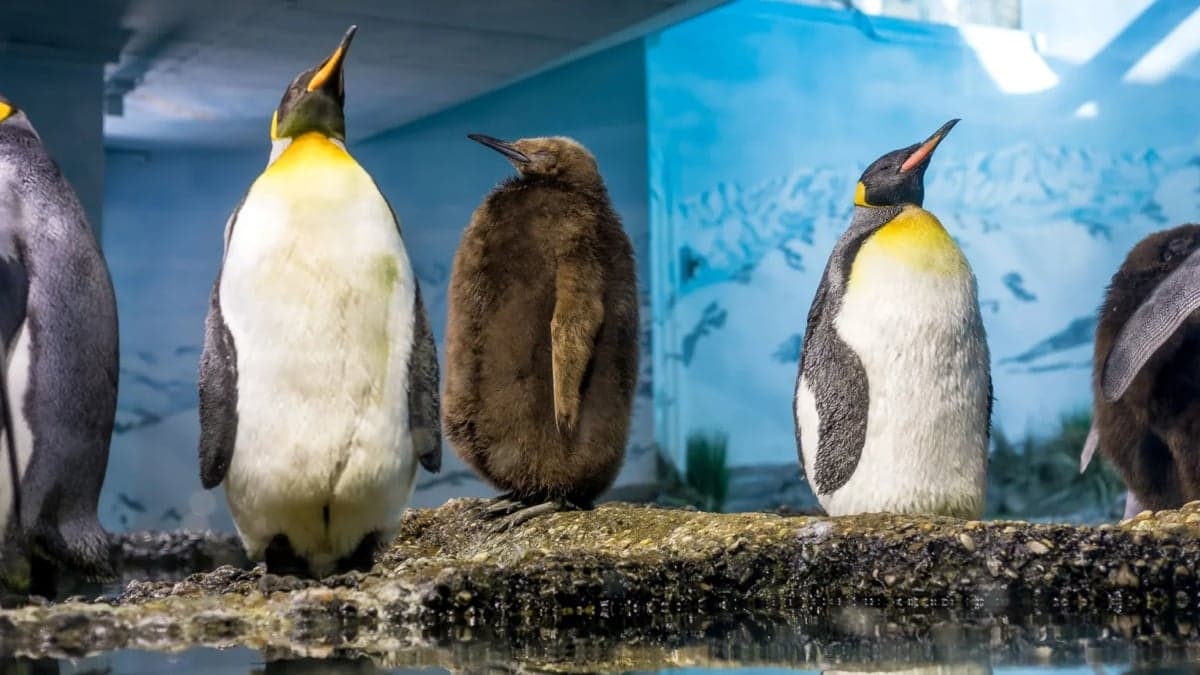
In a groundbreaking study that blurs the line between wildlife biology and human health, researchers have uncovered a disturbing pattern among zoo penguins: pampered by unlimited food and sheltered from predators, these flightless birds age faster biologically than their wild counterparts despite living longer in captivity. The findings, published in Nature Communications , suggest that the same sedentary lifestyles and dietary excesses afflicting modern humans may be accelerating cellular aging in ways previously unrecognized. The study, led by an international team from the University of Helsinki, analyzed blood samples from 64 king penguins—34 wild specimens from Possession Island in the Southern Ocean and 30 zoo-raised individuals from Zoo Zürich in Switzerland and Loro Parque in Tenerife, Spain—revealing epigenetic shifts that mirror human aging processes tied to lifestyle diseases.
This research arrives at a critical juncture as scientists grapple with the global rise of non-communicable diseases linked to aging, from cardiovascular ailments to neurodegenerative disorders. By examining penguins, a species with lifespans up to 40 years and a genetic makeup remarkably resistant to environmental change, the study offers a rare window into how diet, activity levels, and psychosocial stress—even in the absence of predators or harsh winters—can disrupt the body’s fundamental aging mechanisms. The implications extend far beyond aviaries, serving as a stark reminder that the conveniences of modern life may come with an evolutionary cost.
Biological vs. Chronological Age: The Penguin Paradox Explained
At the heart of the study is a critical distinction: biological age versus chronological age. While a 15-year-old zoo penguin may be chronologically younger than a 15-year-old wild penguin, its body exhibits cellular characteristics of a 20-year-old wild counterpart, according to Céline Le Bohec, a co-author of the study and a scientist at the Monaco Scientific Center who has spent over two decades studying king penguins in their natural habitat. "A 15-year-old penguin in the zoo has the body of a 20-year-old penguin in the wild," Le Bohec explains. "However, the interesting part is that zoo penguins also live longer, overall."
How Epigenetics Reveals the Hidden Costs of Comfort
To measure this discrepancy, the researchers employed epigenetic clocks, biochemical tools that assess DNA methylation—a process where methyl groups attach to DNA, subtly altering gene expression without changing the underlying genetic code. This epigenetic modification acts as a molecular timestamp, revealing how environmental factors like diet, stress, and activity levels influence the pace of aging. In zoo penguins, the lack of environmental complexity, reduced physical demands, and altered microbial environments appeared to disrupt pathways tied to nutrient metabolism, cell death, heart health, and physical activity—all of which are also implicated in human aging.
The team’s analysis showed that zoo penguins exhibited epigenetic age acceleration (EAA), meaning their biological clocks were ticking faster than their actual years. This phenomenon was starkly illustrated when the researchers compared their penguin model to human data: smoking, one of the strongest known accelerators of human aging, produced similar epigenetic shifts. "The consequences of a sedentary lifestyle are difficult to study in human trials," the authors note, "because human aging is a complex conundrum influenced by countless variables—food security, alcohol consumption, economic factors, medicinal habits, and more." Penguins, by contrast, offer a controlled model with fewer confounding factors, making their aging patterns a valuable proxy for human research.
Wild vs. Zoo Penguins: Survival, Diet, and the Trade-Offs of Protection
The study’s survival analysis drives home the paradox of zoo life. Wild king penguins face brutal realities: they endure fasts of up to eight weeks, traverse the Southern Ocean’s treacherous swells on foraging trips spanning 1,200 kilometers (750 miles), and contend with predators like leopard seals and orcas. Yet their harsh existence yields a median survival age of just 13.5 years. In stark contrast, zoo penguins—shielded from predators, storms, and the need to hunt—live to a median age of around 21 years. Their longevity, however, comes at the expense of accelerated biological aging, a trade-off that mirrors the paradox of modern human longevity, where people live longer on average but often with higher rates of chronic disease.
The Diet Dilemma: Overeating in Captivity Mirrors Human Obesity Trends
Diet plays a pivotal role in the study’s findings. In the wild, king penguins rely on seasonal fish availability, often fasting for extended periods as they conserve energy during molting or breeding. Their feast-or-famine lifestyle is hardwired into their biology, regulating metabolic rhythms and cellular repair. Zoo penguins, however, enjoy a steady diet of fish with no such constraints. This abundant access to food, combined with minimal physical exertion, disrupts their circadian rhythms and sleep patterns, leading to metabolic dysregulation—a process linked to obesity, diabetes, and cardiovascular disease in humans. "The increased food intake and reduced activity levels of zoo penguins match a similar human shift in modern times," the researchers note, highlighting how the industrialized world’s abundance of calorie-dense foods and sedentary lifestyles may be rewiring our biology from an early age.
The study’s authors emphasize that the penguins’ altered microbial environments in captivity—another consequence of their protected lifestyle—may further exacerbate aging. Gut microbiota, which plays a crucial role in digestion, immunity, and even brain health, is known to shift dramatically in response to diet and stress. In zoo penguins, the lack of environmental diversity could be disrupting these microbial communities, inadvertently accelerating cellular aging through pathways that are only beginning to be understood.
Why Penguins Are the Ideal Model for Human Aging Research
King penguins (Aptenodytes patagonicus) are uniquely suited for aging research due to their exceptional longevity relative to body size and their evolutionary stability. Unlike humans, whose lifespans and health have been dramatically altered by centuries of cultural and technological change, penguins have maintained consistent socioeconomic conditions for millennia. This stability makes them an ideal "control" group for isolating the effects of diet and activity on aging. "Penguins provide an excellent example because their socioeconomic living situation hasn't changed in centuries," the researchers write. Their lifespans, which can stretch to 40 years, also allow scientists to observe aging processes over decades—a luxury rarely afforded in human studies.
Moreover, the penguins’ physiological responses to captivity closely parallel human experiences in Western societies. As Le Bohec notes, "The overall anti-aging, inter-species suggestion may be obvious, however inconvenient: more mindful eating and exercise habits may be vital to increase lifespan for humans as well as our feathery, flightless friends." This cross-species comparison underscores a universal truth: the biological mechanisms that govern aging are conserved across many species, making penguins a powerful model for understanding—and potentially mitigating—the accelerating effects of modern lifestyles.
The Human Connection: What Zoo Penguins Teach Us About Our Own Lifespans
The study’s findings carry profound implications for human health, particularly as global obesity rates and sedentary lifestyles reach record highs. According to the World Health Organization, over 1.9 billion adults worldwide are overweight, with 650 million classified as obese—a condition linked to accelerated epigenetic aging and a host of chronic diseases. The penguin study suggests that the same forces driving obesity in humans—excess calorie intake, reduced physical activity, and altered microbial environments—may be silently rewiring our bodies at the cellular level. "The disruption of life rhythms, such as circadian cycles and sleeping patterns, may affect cellular homeostasis and ultimately facilitate accelerated aging," the authors explain, a process that could be contributing to the alarming rise in age-related diseases like Alzheimer’s and cardiovascular disorders.
From Penguins to People: Can Interventions Reverse the Damage?
In a follow-up phase of their research, the team is now testing whether increased physical activity and calorie restriction can reverse the epigenetic age acceleration observed in zoo penguins. Early results suggest that even modest changes—such as structured exercise routines or portion-controlled diets—may mitigate some of the cellular damage. While human trials are far more complex, the penguin study offers a glimmer of hope: if aging is not entirely predetermined, interventions may help slow its progression. This aligns with emerging research in human longevity, where lifestyle modifications like the Mediterranean diet and regular exercise have been shown to reduce epigenetic age by up to 3 years in some studies.
Key Takeaways: What This Study Reveals About Aging, Diet, and Lifestyle
- Zoo penguins age faster biologically than wild penguins despite longer lifespans, due to overeating and inactivity.
- Epigenetic age acceleration in penguins mirrors human aging processes linked to sedentary lifestyles and poor diet.
- DNA methylation analysis revealed that zoo penguins’ bodies exhibit cellular characteristics of older wild penguins.
- Survival rates are higher in captivity (median 21 years) than in the wild (median 13.5 years), highlighting a paradox of protected living.
- The study suggests that diet and activity interventions may help slow cellular aging, offering lessons for human health.
Future Directions: Can We Turn Back the Epigenetic Clock?
The penguin study opens new avenues for aging research, particularly in the field of epigenetics. Scientists are now exploring whether similar interventions—caloric restriction, exercise, and environmental enrichment—could reverse epigenetic age acceleration in humans. While the results are preliminary, the potential is tantalizing. "The consequences of a sedentary lifestyle are difficult to study in human trials," the authors note, but studies like this one provide a blueprint for designing more targeted research. For now, the message is clear: the same forces that are shortening the biological prime of zoo penguins are likely at work in human populations, and addressing them may require a fundamental rethinking of how we live.
Frequently Asked Questions
Frequently Asked Questions
- How do researchers measure biological age in penguins?
- The study used epigenetic clocks to analyze DNA methylation patterns in blood samples, comparing them to known chronological ages. This biochemical method detects how environmental factors like diet and stress alter gene expression without changing the DNA sequence.
- Why do zoo penguins live longer but age faster biologically?
- Zoo penguins are protected from predators, harsh weather, and the need to forage, which increases their survival rates. However, their sedentary lifestyles and overeating disrupt metabolic and cellular processes, leading to faster biological aging.
- Can the findings from penguins be applied to human aging?
- Yes, the study’s authors suggest that the same epigenetic mechanisms driving accelerated aging in zoo penguins may also operate in humans, particularly in populations with high obesity rates and low physical activity levels.