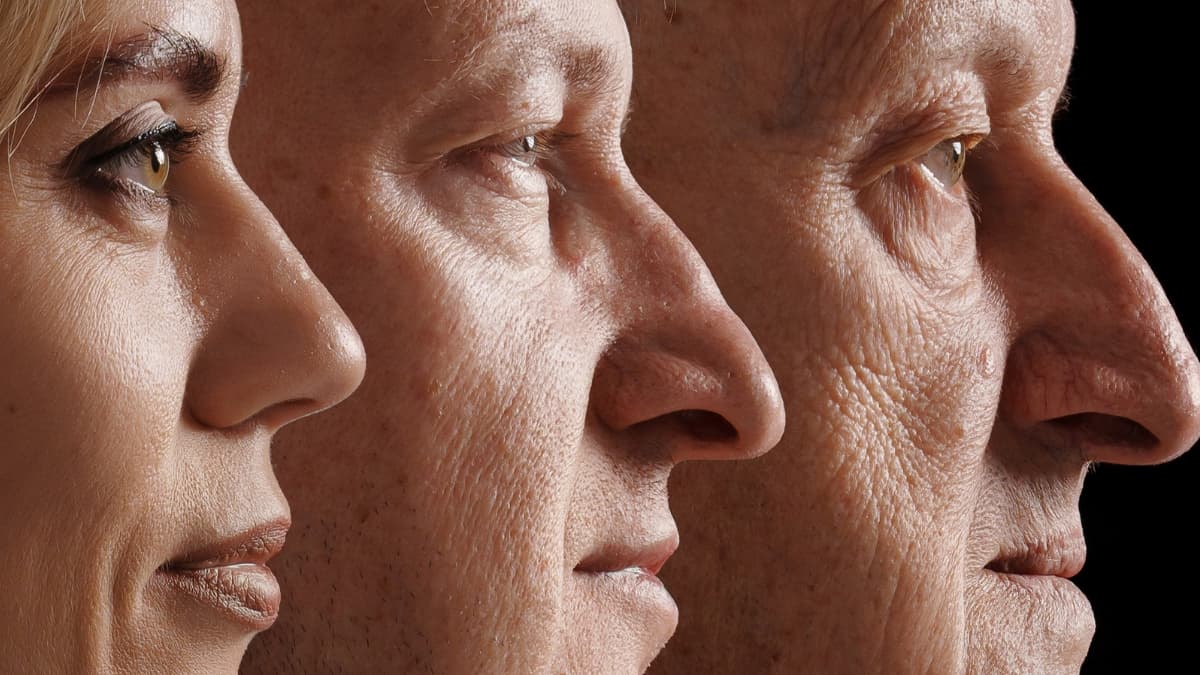
Americans born between 1970 and 1985—late Generation X and the elder cohort of Millennials—are confronting a stark and unexpected health crisis: they are now experiencing worse mortality rates than any generation that preceded them. A sweeping new study published in the Proceedings of the National Academy of Sciences (PNAS) analyzed four decades of cause-of-death records from 1979 to 2023, uncovering a historic reversal in public health progress. The findings point to rising death rates from cancer, cardiovascular disease, and external causes such as drug overdoses, homicides, and suicides—trends that defy decades of gradual improvement in life expectancy across the United States. According to lead author Leah Abrams, a social epidemiologist at Tufts University, the turning point appears around the mid-20th century, when Baby Boomers born in the 1950s began to show improved health outcomes—but that progress has not continued into the generations that followed.
How the PNAS Study Reveals a Turning Point in American Health
The PNAS study, conducted by an international team of researchers, represents one of the most comprehensive examinations of generational health trends in the United States. By analyzing death records across 44 years, the team identified a clear inflection point: those born before 1950 saw steady declines in mortality, while those born after 1970 are now experiencing stagnation or increases in death rates. "We see concerning trends for those born from around 1970 to 1985—the late Gen Xers and elder Millennials," Abrams explained. "These cohorts are trending worse than their predecessors in all-cause mortality; deaths from cardiovascular disease and cancer, especially colon cancer; and external causes."
The Triple Threat: Cancer, Heart Disease, and External Causes
The study highlights three primary categories of mortality driving this decline: cancer, cardiovascular disease, and external causes. Colon cancer deaths, in particular, have risen sharply among younger adults—a phenomenon that public health experts attribute to increasing rates of obesity, poor diet, and delayed or inadequate medical screenings. According to the American Cancer Society, colorectal cancer cases in adults under 55 have doubled since the 1990s, with incidence rates rising by 2% annually since 2012.
Cardiovascular disease—once the leading killer of older Americans—has seen stagnating declines in mortality among younger cohorts. While deaths from heart disease had been steadily falling due to better treatments, better blood pressure control, and reduced smoking rates, this progress has plateaued for Gen X and Millennials. The study suggests that overlapping risk factors, such as rising obesity and the long-term cardiovascular effects of substance abuse, may be contributing to this slowdown. "It's a complex picture," noted Abrams. "Both cancer treatments and drugs of abuse can be detrimental to heart health over time."
External Causes: The Role of Overdoses, Suicides, and Violence
External causes—including drug overdoses, traffic fatalities, homicides, and suicides—have also surged in this demographic. The opioid epidemic, now in its third decade, has disproportionately affected Americans in their 30s and 40s, with synthetic opioids like fentanyl driving record overdose deaths. According to the CDC, drug overdose deaths among adults aged 30–44 increased by over 1,000% from 2000 to 2022. Suicide rates among Millennials and Gen X have also climbed, with the CDC reporting a 40% increase in suicide deaths among adults aged 25–44 between 2010 and 2021. Homicide rates, particularly in urban areas, remain a persistent concern. The study underscores that these external causes are not isolated—they reflect deeper social and economic stressors, including financial instability, social isolation, and inadequate access to mental health care.
Why Are These Generations Facing Worse Health Outcomes?
The researchers identify several interconnected drivers behind this alarming trend. At the forefront is the rapid rise in obesity and poor nutrition. Since the 1970s, the obesity rate among U.S. adults has tripled, reaching 42% in 2020. Obesity is a known risk factor for both colon cancer and cardiovascular disease. "The link between diet, obesity, and early-onset colon cancer is well-documented," said Abrams. "Younger generations are consuming more processed foods, sugary beverages, and calorie-dense meals—all of which contribute to metabolic disorders."
The Burden of Economic and Social Inequality
Beyond individual behaviors, the study emphasizes the role of structural inequities. Income inequality in the U.S. has widened significantly since the 1980s, and research consistently shows that lower socioeconomic status is associated with higher mortality rates. Abrams and her team argue that the stress of economic instability—coupled with limited access to healthcare, nutritious food, and safe living conditions—has a measurable impact on health. The COVID-19 pandemic exacerbated these disparities, leading to job losses, housing insecurity, and social disconnection—all of which contribute to increased substance use and mental health crises. "When people face chronic stress, it doesn’t just affect their mental state—it alters their biology," Abrams noted. "It weakens immune function, increases inflammation, and raises the risk of chronic diseases."
The Stagnation of Public Health Progress
Another critical factor is the plateau in decades-long gains from public health interventions such as tobacco control, vaccination campaigns, and workplace safety regulations. While these measures have significantly reduced deaths from lung cancer and cardiovascular disease in older adults, their benefits have not fully reached younger generations. For example, smoking rates among adults aged 25–44 have declined, but vaping and the use of other nicotine products have surged—particularly among adolescents and young adults—potentially offsetting gains. Additionally, the United States lags behind peer high-income nations in life expectancy improvements. While countries like Japan, Switzerland, and Norway continue to see steady gains, the U.S. has seen life expectancy rise by less than one year per decade since 2000—a rate far below the OECD average.
What Happens Next? The Future of U.S. Life Expectancy
The implications of this study extend far beyond demographic analysis. If these trends continue, life expectancy in the U.S. could stagnate or even decline—a scenario that would mark a historic reversal after a century of progress. Abrams warns, "The increase in deaths among those born from 1970 to 1985 is cause for concern because cancer and cardiovascular disease tend to be relatively rare in individuals who are in their 30s and 40s. So if these cohorts are showing worse mortality trends already, what's going to happen when they're in their 60s if nothing gets turned around? That's one of the looming implications of these findings."
While the U.S. has seen a slight rebound in life expectancy in the past two years—partly due to reduced COVID-19 mortality—this improvement is fragile and may not reflect underlying generational trends. The study suggests that without targeted interventions, the gains could be short-lived. Abrams and her co-authors emphasize that the U.S. is diverging from other high-income nations, where life expectancy continues to rise. "Continued life expectancy improvements among high-performing populations and the divergence of the United States from other high-income countries suggest that human-made factors are limiting U.S. life expectancy improvement," they write in their paper.
Policy and Prevention: Can This Trend Be Reversed?
The researchers offer a roadmap for reversing these trends, echoing calls from public health experts across the country. First, addressing obesity and metabolic health through policy and education could yield significant dividends. Strategies such as expanded access to fresh foods in low-income neighborhoods, soda taxes, and school nutrition programs have shown promise in reducing obesity-related diseases. Second, addressing the root causes of substance use—particularly the opioid crisis and rising methamphetamine use—requires a multi-pronged approach, including harm reduction, expanded treatment programs, and stronger regulation of prescription opioids.
Mental Health and Social Determinants Take Center Stage
The study highlights the urgent need to strengthen mental health infrastructure, including crisis intervention services, suicide prevention hotlines, and workplace wellness programs. Abrams points to the success of tobacco control as an example of how policy can drive health improvements. "Prior evidence, combined with our findings, shows that we really need to think holistically if we are to improve U.S. life expectancy," she said. "Reducing social inequalities and improving resources for socioeconomically disadvantaged groups could help lessen stress and its harmful effects on health, improve dietary behavior, and reduce substance use."
- Americans born between 1970 and 1985 (late Gen X and elder Millennials) are experiencing worse mortality rates than prior generations, reversing decades of public health progress.
- Rising deaths from colon cancer, cardiovascular disease, and external causes—including drug overdoses and suicides—are driving the decline in life expectancy.
- Obesity, poor diet, economic inequality, and the lingering effects of the opioid epidemic are key contributors to this trend.
- The U.S. is falling behind other high-income nations in life expectancy gains, suggesting systemic policy failures.
- Targeted interventions in nutrition, mental health, and substance use treatment offer hope for reversing the trend.
Historical Context: How Did We Get Here?
To understand the current crisis, it’s important to look at the historical arc of U.S. public health. From the early 20th century through the 1960s, life expectancy rose dramatically due to improvements in sanitation, vaccination, antibiotics, and workplace safety. The mid-20th century saw the peak of these gains, with Baby Boomers born in the 1950s benefiting from economic prosperity, strong social safety nets, and robust public health campaigns. However, beginning in the 1970s, economic shifts—such as deindustrialization, stagnant wages, and the decline of unions—began to erode the foundations of health and well-being for younger generations. The 1980s brought the HIV/AIDS epidemic, followed by the opioid crisis in the 2000s, each leaving deep scars on population health. The study suggests that the cumulative effect of these crises, combined with modern stresses like student debt, housing unaffordability, and climate anxiety, has created a toxic environment for health.
What Experts Are Saying: A Call to Action
The increase in deaths among those born from 1970 to 1985 is cause for concern because cancer and cardiovascular disease tend to be relatively rare in individuals who are in their 30s and 40s. So if these cohorts are showing worse mortality trends already, what's going to happen when they're in their 60s if nothing gets turned around? That's one of the looming implications of these findings.
Prior evidence, combined with our findings, shows that we really need to think holistically if we are to improve U.S. life expectancy. Reducing social inequalities and improving resources for socioeconomically disadvantaged groups could help lessen stress and its harmful effects on health, improve dietary behavior, and reduce substance use.
Key Takeaways: What Every American Should Know
- People born between 1970 and 1985 face higher mortality risks than earlier generations, reversing decades of life expectancy gains.
- Colon cancer, cardiovascular disease, and external causes like overdoses and suicides are driving this decline—especially among younger adults.
- Obesity, poor diet, economic stress, and the opioid crisis are major contributing factors to worsening health outcomes.
- The U.S. is falling behind other wealthy nations in life expectancy, signaling systemic policy and healthcare failures.
- Public health interventions such as nutrition programs, mental health support, and addiction treatment could reverse the trend.
Frequently Asked Questions
Frequently Asked Questions
- Why are Gen X and Millennials dying younger than previous generations?
- This generation is experiencing rising death rates from cancer, heart disease, and external causes like drug overdoses and suicides. Factors include obesity, poor diet, economic stress, and inadequate access to healthcare and mental health services.
- Are these findings based on recent data?
- Yes. The study analyzed four decades of U.S. mortality data from 1979 to 2023, making it one of the most comprehensive assessments of generational health trends to date.
- What can policymakers do to address this issue?
- Experts recommend expanding access to healthy foods, strengthening mental health and addiction treatment programs, addressing economic inequality, and investing in preventive healthcare—especially for younger adults.