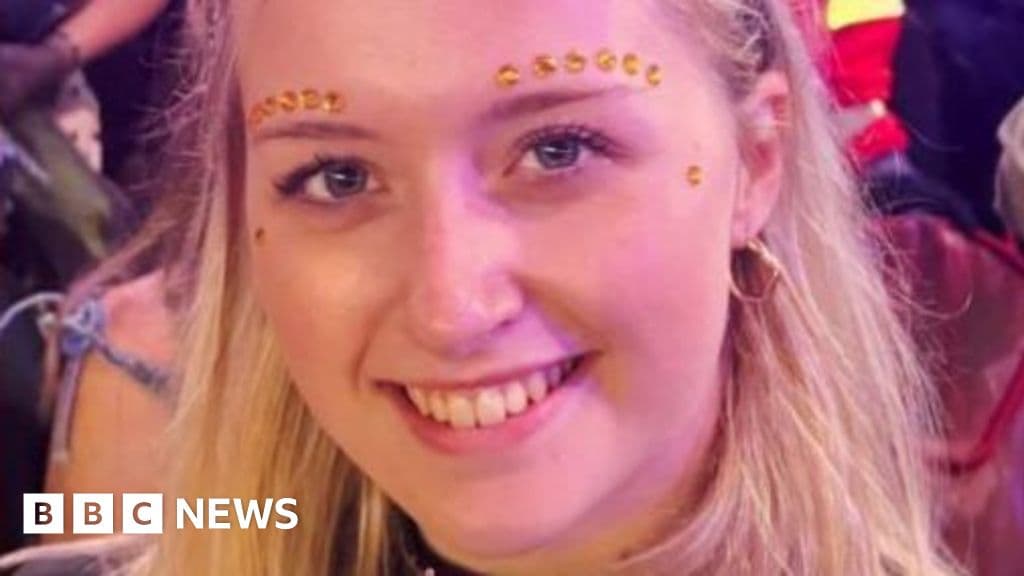
On a crisp October evening in 2025, Helen and Lee Draper received a call that would shatter their world. Their 18-year-old daughter, Meg—a vibrant first-year student at the University of Bournemouth known for her athleticism and infectious laughter—had collapsed at her university accommodation with symptoms that began as fatigue but escalated into a life-threatening crisis within hours. By the time she arrived at Southmead Hospital in Bristol, Meg Draper was dead from Meningitis B (MenB), a bacterial infection that strikes without warning and can kill in under 24 hours. Her parents, now grief-stricken advocates, are sounding the alarm: without a broader rollout of the MenB vaccine to teenagers and young adults, another preventable tragedy like Meg’s—or worse, a deadly outbreak—could occur.
The Tragedy That Exposed Gaps in the UK’s Meningitis Vaccination Strategy
Meg Draper had been a picture of health before her final days. Vaccinated against meningitis strains A, C, W, and Y (MenACWY) at age 14 as part of the UK’s routine NHS schedule, she was protected against four of the five main bacterial strains that cause meningitis. What she wasn’t protected against was MenB—the most common cause of bacterial meningitis in the UK, accounting for nearly 60% of laboratory-confirmed cases in 2023, according to Public Health England data. The MenB vaccine has been available on the NHS for infants born after May 2015, but older teenagers and young adults like Meg were left unprotected, despite a secondary peak in MenB cases among 15–24-year-olds. The Joint Committee on Vaccination and Immunisation (JCVI), the UK’s independent advisory body, ruled in 2014 that vaccinating this age group was ‘not cost-effective,’ a decision that has come under fierce scrutiny in the wake of Meg’s death and subsequent outbreaks, including a 2023 cluster in Kent that sickened 11 students.
A Timeline of Missed Opportunities and Systemic Failures
Meg’s symptoms began with lethargy on a Tuesday evening, a complaint she texted to her parents. By Wednesday morning, her condition had deteriorated rapidly: fever, vomiting, a spreading rash, and confusion. A friend rushed her to the Royal Bournemouth Hospital’s A&E, where a triage nurse reportedly marked ‘no’ when asked about sepsis—a critical error that delayed her care. Helen and Lee drove from their home in South Wales to Bournemouth, only to be met with what they describe as dismissive treatment from a doctor who, they say, seemed frustrated by Meg’s inability to recall her date of birth. ‘He asked her three times what her date of birth was,’ Helen recalled. ‘When she was confused and couldn’t remember, he looked at me and I had to answer.’ The doctor told them it was ‘nothing sinister’ and sent them home. Hours later, as Meg’s symptoms worsened en route back to Wales, she was admitted to Southmead Hospital, where she succumbed to the infection. An inquest into her death is pending, but her parents’ grief has hardened into a campaign for change.
‘I wish I had asked for a second opinion. It’s a difficult thing to live with. You trust doctors because they’re medically trained—and you’re not. If only I had asked for a second opinion, the outcome could have been different.’ — Helen Draper, speaking to BBC News
Why the UK’s MenB Vaccine Policy Leaves Teenagers Vulnerable
The UK’s approach to meningitis vaccination is a patchwork of age-specific policies that prioritize cost-effectiveness over comprehensive protection. The MenACWY vaccine, offered to teenagers aged 14–18 as part of the NHS’s ‘3-in-1’ booster, guards against four bacterial strains but not MenB. The MenB vaccine, introduced for infants in 2015, costs the NHS approximately £35 per dose but remains unavailable for free to older teens due to the JCVI’s 2014 cost-benefit analysis. That decision was based on projections that widespread vaccination of 15–24-year-olds would prevent only 17 cases annually at a cost of £2.8 million—figures Helen Draper calls ‘short-sighted.’ ‘Even now, I know a lot of websites are being updated, but if you look around, the amount of clear information is still incredibly poor,’ Lee Draper told reporters. The UK Health Security Agency (UKHSA) has reiterated that neither the infant MenB vaccine nor the teenage MenACWY vaccine protects against all meningococcal strains or all infections that cause meningitis, leaving a dangerous gap in immunity.
The Financial and Public Health Cost of Inaction
While the MenB vaccine costs £220 privately for adults over 24, its exclusion from the NHS schedule for older teens reflects a broader tension between public health priorities and fiscal constraints. The JCVI’s 2014 report acknowledged that MenB is ‘rare’ in those over four but noted a secondary peak in incidence among adolescents and young adults—particularly in close-contact settings like universities and military barracks. Between 2018 and 2022, the UK recorded an average of 400 MenB cases annually, with a case fatality rate of 5–10%. In 2023, Public Health Scotland reported a 20% increase in MenB cases among 15–19-year-olds compared to the previous year. ‘You could see how much confusion there was from the outset,’ Lee Draper said. ‘That stems from the overall lack of information and guidance on MenB that’s gone back for years.’ The UKHSA has since updated its guidance to clarify that MenB vaccination is not routinely offered to students, a stance critics argue prioritizes budgetary caution over lives.
How Universities and Health Authorities Responded—and Failed—to Meg’s Case
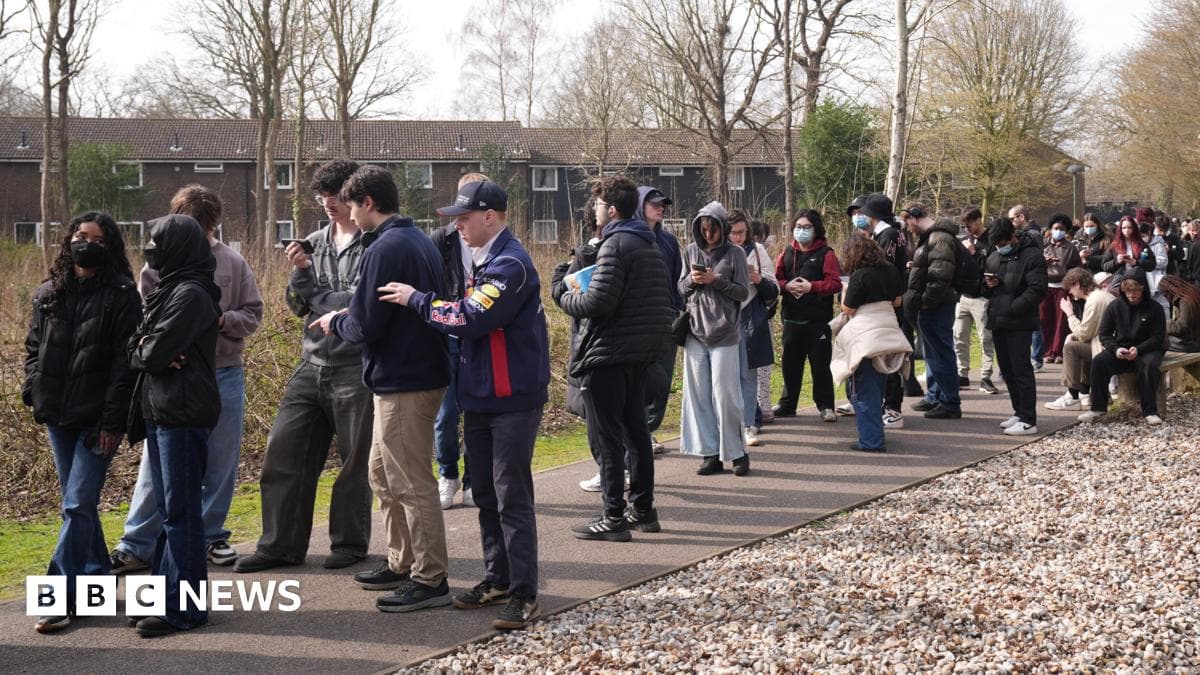
In the weeks following Meg’s death, the University of Bournemouth’s on-campus GP held three emergency meningitis vaccination clinics—but the messaging was dangerously incomplete. ‘Nothing was told to parents or students that Meg died from MenB and that this vaccination wouldn’t protect them [from MenB],’ Helen Draper said. ‘It’s quite dangerous in a way, that misinformation and misguidance. Those students would have naturally thought they were going to be OK and go about their day as normal.’ The university later revised its health advice to include explicit warnings about MenB symptoms and the limitations of the MenACWY vaccine, but the damage was done. A spokesperson for the University Hospitals Dorset NHS Foundation Trust declined to comment, citing the pending inquest, while the UKHSA maintained that Meg’s case was a ‘single meningitis case’ and that her close contacts were offered antibiotics—a standard protocol for close contacts of meningococcal disease.
The Political and Scientific Fight to Expand MenB Vaccine Access
The Draper family’s campaign has thrust the JCVI’s 2014 decision into the political spotlight. UK Health Secretary Wes Streeting, responding to the Kent outbreak in 2023 and Meg’s death, asked the JCVI to ‘reexamine eligibility for meningitis vaccines’ for teenagers and young adults, pledging to follow their fresh advice. The JCVI, which keeps all vaccine programs under review as new evidence emerges, has not yet issued an updated recommendation. ‘The decision to not vaccinate against MenB was made a decade ago,’ Lee Draper noted. ‘Even with new data, the system moves slowly.’ Public health experts like Professor Adam Finn, a JCVI member and pediatric infectious disease specialist at the University of Bristol, have argued that the threshold for ‘cost-effectiveness’ in vaccination programs may need to evolve. ‘The value of a life saved isn’t just monetary,’ Finn told *The Guardian* in 2024. ‘We have to consider the ripple effects—families shattered, communities traumatized, and the long-term burden on healthcare systems.’
Key Takeaways: What You Need to Know About MenB and the UK’s Vaccine Policy
- Meg Draper, 18, died from MenB in October 2025 after being vaccinated against other meningitis strains but not MenB, which isn’t routinely offered to teenagers on the NHS.
- The JCVI ruled in 2014 that vaccinating 15–24-year-olds against MenB was ‘not cost-effective,’ a decision still in place despite rising cases and outbreaks in student populations.
- Neither the infant MenB vaccine nor the teenage MenACWY vaccine protects against all meningococcal strains, leaving gaps in immunity.
- UK universities and health authorities faced criticism for incomplete messaging after Meg’s death, with some students unaware they remained at risk.
- Health Secretary Wes Streeting has asked the JCVI to revisit its stance, but no new policy has been announced as of early 2025.
The Broader Implications: Could This Happen Again?
Public health experts warn that Meg Draper’s death is not an isolated incident but a symptom of a larger systemic issue: the UK’s fragmented approach to meningitis prevention. While the MenB vaccine is highly effective—reducing MenB cases by 75% in infants who receive it—its exclusion from the teenage schedule leaves a cohort vulnerable at the exact age when social behaviors (close living quarters, alcohol consumption, and intimate contact) increase transmission risk. The UK isn’t alone in grappling with this dilemma; countries like France and Italy offer the MenB vaccine to adolescents, while the U.S. CDC recommends it for all teens aged 16–18. In the UK, however, the debate hinges on economics. A 2022 study by the London School of Hygiene & Tropical Medicine estimated that expanding MenB vaccination to teenagers could prevent 30–50 cases annually at a cost of £1.2–£1.8 million—a figure the JCVI may now reconsider given the human cost of inaction. ‘We’re playing Russian roulette with our children’s lives,’ Helen Draper said. ‘How many more Megs have to die before the government acts?’
What’s Next? The Fight for Policy Change
Helen and Lee Draper have launched a petition demanding the MenB vaccine be made available to all 15–24-year-olds on the NHS, which has garnered over 120,000 signatures as of January 2025. Their campaign has gained traction among student unions, medical professionals, and bereaved families, but faces resistance from public health officials wary of setting precedents for ‘unaffordable’ vaccine expansions. Meanwhile, the University of Bournemouth has pledged to improve meningitis awareness campaigns, and the UKHSA has updated its website to include clearer warnings about MenB symptoms and the limitations of existing vaccines. For now, the Draper family’s grief remains a catalyst for change—but time is of the essence. ‘This isn’t about politics or money,’ Helen said. ‘It’s about saving lives. And if we don’t act now, another family will go through what we have.’
Frequently Asked Questions About Meningitis B and the UK’s Vaccine Policy
Frequently Asked Questions
- Who is at risk for Meningitis B in the UK?
- While MenB is rare in children over four, there is a secondary peak in incidence among teenagers and young adults aged 15–24, particularly in close-contact settings like universities, military barracks, and festivals. In 2023, Public Health England reported 400 MenB cases annually, with a 5–10% fatality rate.
- Why isn’t the MenB vaccine offered to teenagers on the NHS?
- The Joint Committee on Vaccination and Immunisation (JCVI) ruled in 2014 that vaccinating 15–24-year-olds against MenB was ‘not cost-effective,’ estimating it would prevent only 17 cases per year at a high cost. However, Health Secretary Wes Streeting has asked the JCVI to revisit this decision following recent outbreaks.
- Does the MenACWY vaccine protect against MenB?
- No. The MenACWY vaccine protects against four bacterial strains (A, C, W, and Y) but not MenB. The MenB vaccine is required for full protection, and neither vaccine covers all infections that can cause meningitis.