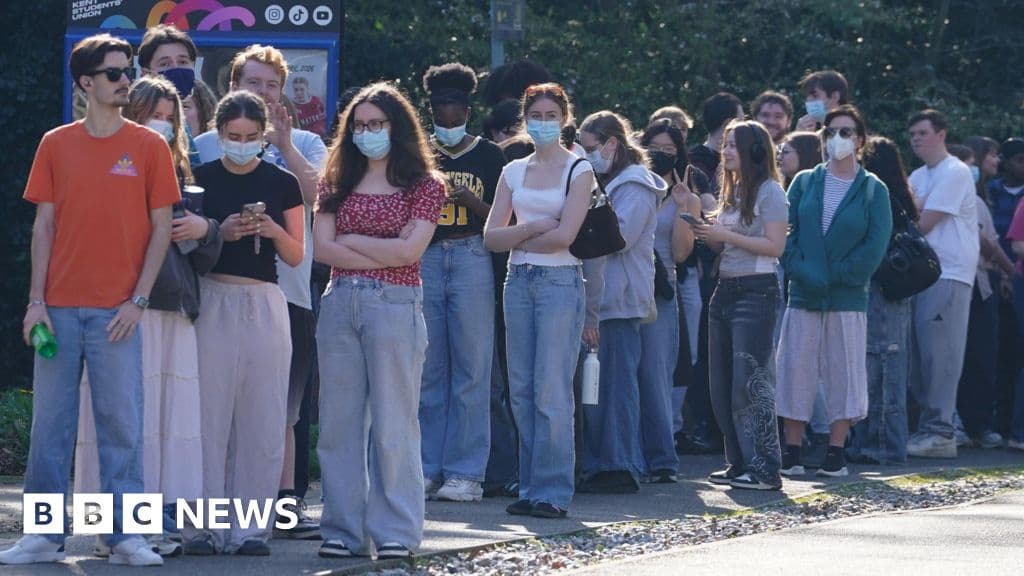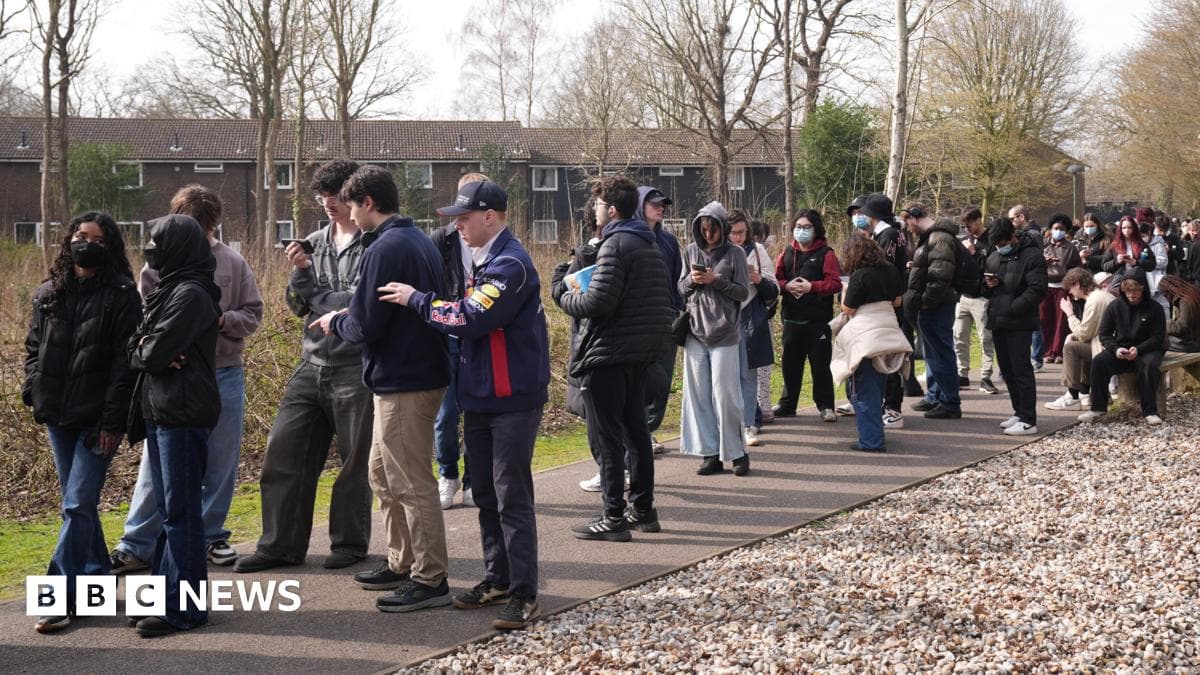
A devastating meningitis outbreak linked to a Canterbury nightclub has sickened 29 people in Kent, including an 18-year-old who died just one day after symptoms appeared. As health officials race to contain the spread, vaccination clinics have administered over 4,500 doses in a single day, with long queues mirroring the early days of the COVID-19 pandemic. Scientists confirm the vaccine being used matches the strain driving the outbreak, but questions linger about why this MenB variant spread so aggressively among young adults in high-contact settings like universities and nightclubs.
Kent Meningitis Outbreak: What You Need to Know as Cases Rise to 29
The Outbreak’s Timeline and Current Status
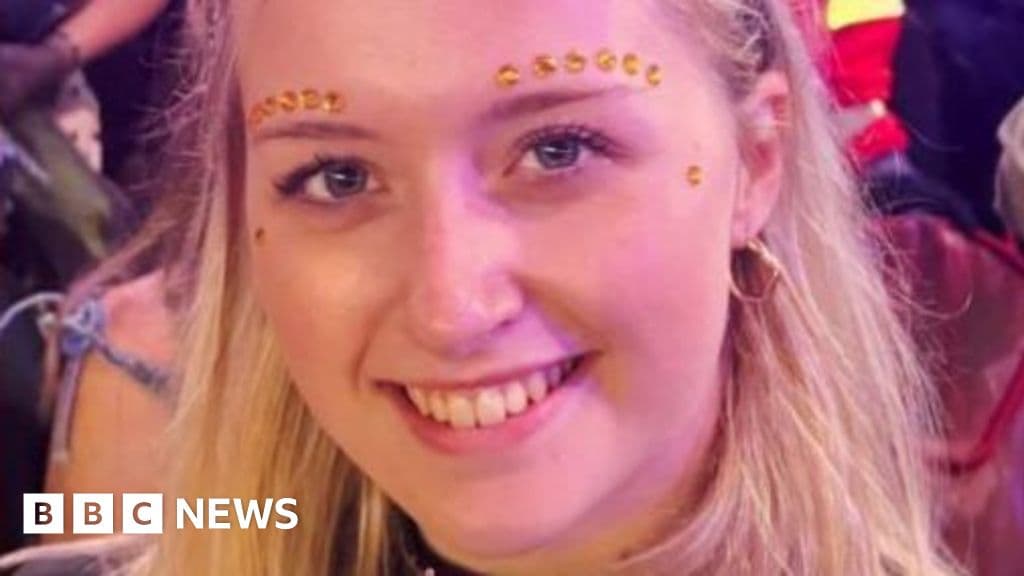
The outbreak originated at Club Chemistry in Canterbury, where an 18-year-old died on March 3 after developing symptoms—earache and a stiff neck—just 24 hours after feeling unwell. Health authorities confirmed 29 cases as of March 20, with two deaths reported in the early stages. Public Health England (now part of the UK Health Security Agency, or UKHSA) identified the strain as MenB, a type of bacterial meningitis known for its rapid progression.
Dr. Anjan Ghosh, director of public health at Kent County Council, described the situation as "unprecedented," noting that the outbreak’s speed and scale defied typical meningitis patterns. "This is highly unusual," Ghosh told reporters. "We don’t know if the disease is more transmissible than before, but the number of cases over a short period is concerning." Normally, such outbreaks peak within four weeks, but health officials caution that secondary transmission—where infected individuals spread the bacteria to household members—remains a risk.
Who Is Eligible for Vaccines and Antibiotics?
In response to the outbreak, the NHS has expanded vaccine eligibility to include: attendees of Club Chemistry between March 5–15; Year 12 and 13 students at schools with confirmed cases; University of Kent students and staff; and close contacts of infected individuals. Antibiotics are also being distributed to high-risk groups, with over 10,500 doses administered alongside the 4,514 vaccines.
How the MenB Vaccine Works—and Why It’s Not Routinely Given to Teens
The vaccine being deployed in Kent, Bexsero, was introduced for UK infants in 2015 after a sharp rise in MenB cases. Clinical trials show that three doses in babies reduce disease risk by 75%, with protection lasting several years. However, the UK’s Joint Committee on Vaccination and Immunisation (JCVI) has not recommended routine MenB vaccination for teenagers, citing cost-effectiveness concerns. The current outbreak has reignited debates about this policy, with Canterbury MP Rosie Duffield penning an open letter to Health Secretary Wes Streeting, arguing: "Prevention is better than cure. The ongoing risk to students and young people demands urgent review."
“We feel that it is a tragedy that a vaccine exists but is not routinely offered to this group.” — Rosie Duffield, MP for Canterbury, in a letter to the Health Secretary
How Effective Is the Vaccine Against This Outbreak Strain?
UKHSA testing confirms that Bexsero provides coverage against the MenB strain circulating in Kent. While the vaccine targets many common MenB strains, it doesn’t cover every variant in the bacterial group. This limitation underscores the need for further genetic analysis to understand why this outbreak spread so quickly. Prof. Robin May, UKHSA’s chief scientific officer, noted that vaccine protection takes time to develop: "Like all vaccines, it takes a while. Full protection should be delivered within about a month."
On the Ground: Student Stories and Community Impact
A Student’s Near-Fatal Encounter with Meningitis
Annabelle Mackay, a 21-year-old University of Kent student, described her harrowing experience after contracting meningitis. She first felt symptoms—earache and blocked sinuses—on March 10, five days after attending a campus night out where she shared drinks. By the next morning, she woke with a stiff neck and muscle pain so severe she couldn’t walk. Within hours, she became delirious and light-sensitive.
“My housemates helped me down the stairs because I lost the ability to walk,” Mackay told the BBC. After calling the NHS 111 helpline, which initially advised her to stay home, she was rushed to a Canterbury medical center, where antibiotics were administered immediately. A lumbar puncture later confirmed bacterial meningitis. Mackay temporarily lost her sight during the ordeal and spent four days in the hospital before being discharged. "No one should have their life at risk by going to a club and socializing," she said.
Local Businesses Feel the Strain as Tourism Drops
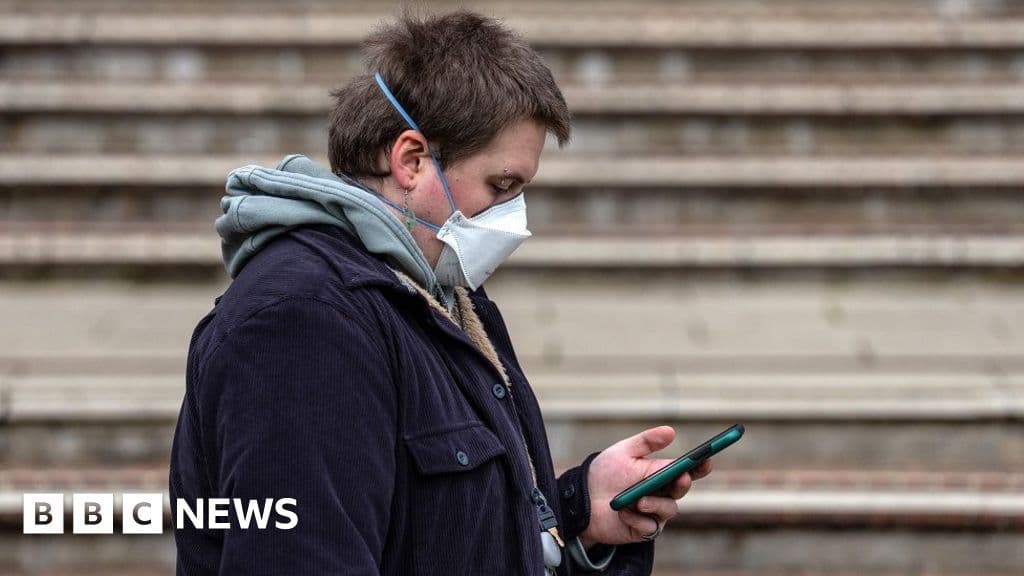
Canterbury High Street, typically bustling with students during term breaks, has seen a 40% drop in foot traffic, according to local vendors. Jeb Hughes, a fruit stall owner, reported that "many customers are wearing face masks" and that his usual student clientele has vanished. Barista Ivan Galt at Burgate Coffee House echoed the sentiment: "Customers seem to be keeping their distance and are reluctant to come inside." Student Isla Chambers described the atmosphere as "like Covid again," with peers canceling plans and parents postponing visits out of caution.
Could This Outbreak Spread Beyond Kent? Experts Weigh In
Public health officials believe the outbreak is most likely to remain contained in Kent, given that most cases are linked to the University of Kent or its students. However, Dr. Ghosh warned of potential "sporadic household clusters" if infected students traveled home to other regions. The "worst-case scenario"—a superspreader event outside Kent—is deemed "highly unlikely" but not impossible. For context, the UK typically sees about one sporadic meningitis case per day unrelated to outbreaks, per UKHSA data.
Traveling to Kent? Here’s What to Expect
Health authorities have emphasized that there’s no advisory against holidaying in Kent. James Gallagher, the BBC’s health correspondent, noted that shops, restaurants, and tourist sites remain open, and the outbreak does not warrant travel restrictions. However, individuals in high-risk groups (e.g., close contacts of cases) are urged to seek medical advice before visiting.
Key Takeaways: What to Remember About the Kent Meningitis Outbreak
- The outbreak, linked to Canterbury’s Club Chemistry, has sickened 29 people, including one death, as of March 20.
- Over 4,500 MenB vaccines and 10,500 antibiotic doses have been administered in response to the crisis.
- The Bexsero vaccine matches the outbreak strain, but protection takes up to a month to develop.
- Teenagers and young adults are not routinely offered the MenB vaccine on the NHS, sparking policy debates.
- Health officials believe the outbreak is likely contained in Kent but warn of potential secondary household cases.
Frequently Asked Questions About the Kent Meningitis Outbreak
Frequently Asked Questions
- Should I get the MenB vaccine if I’m not in Kent?
- The NHS recommends vaccination only for high-risk groups in Kent, such as Club Chemistry attendees, University of Kent students, or close contacts of infected individuals. The vaccine costs around £220 for two doses if sought privately elsewhere.
- How long does the MenB vaccine take to work?
- Protection from the Bexsero vaccine is not immediate. It takes several weeks for full immunity to develop, typically around a month after the second dose. Antibiotics, however, can prevent infection if taken promptly after exposure.
- Is it safe to visit Canterbury during the outbreak?
- Yes. Health authorities have not issued travel warnings for Kent. Businesses remain open, and the outbreak is not considered a public health threat for tourists. However, individuals with compromised immune systems or close contact with cases should consult a doctor.