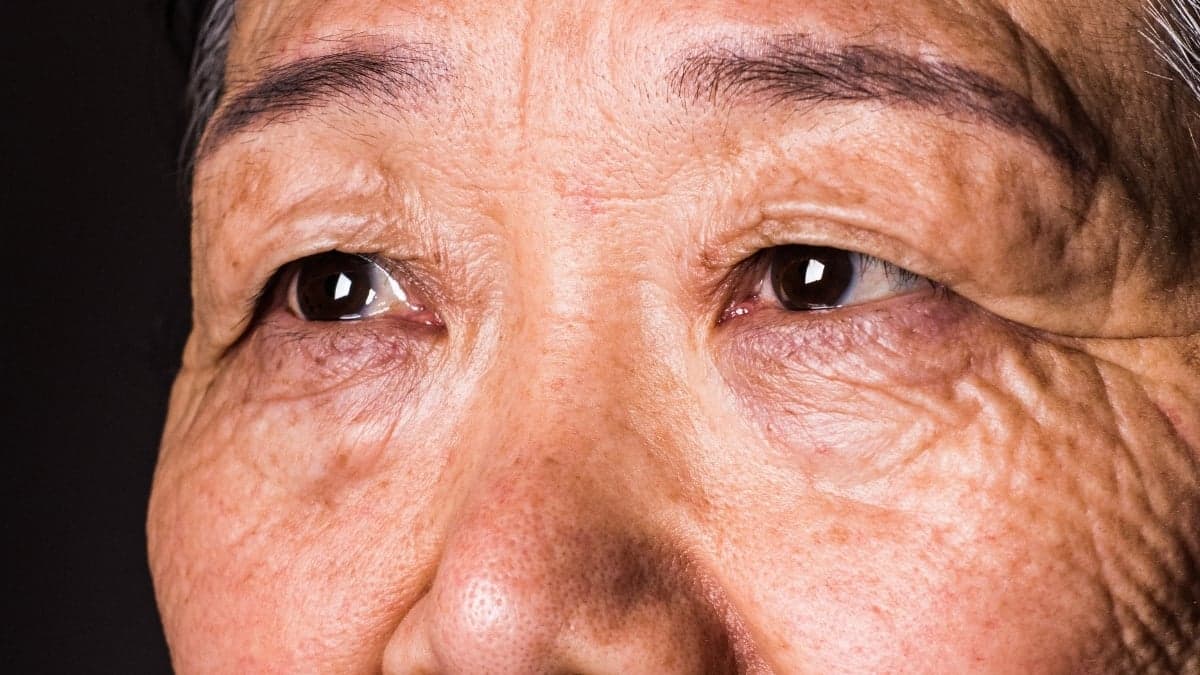
The eyes, often described as windows to the soul, may also serve as early warning signs for one of the most feared diagnoses of aging: dementia. Groundbreaking research from the United Kingdom and Australia has uncovered a startling connection between vision performance and long-term cognitive decline, suggesting that simple eye tests could predict dementia risk more than a decade before symptoms emerge. Published in 2024, these studies analyzed thousands of older adults and found that those with slower visual processing speeds or deteriorating visual acuity were significantly more likely to develop dementia within 12 years. The findings have prompted global health authorities, including The Lancet’s 2024 Commission on Dementia, to identify vision loss as a newly recognized risk factor for cognitive decline—one that could be addressed through early intervention.
How Vision Tests Could Predict Dementia a Decade Ahead
The UK study, published in 2024, followed over 8,000 participants who underwent a simple reaction-time test: pressing a button as soon as they saw a triangle appear on a screen. Researchers found that those with the slowest visual processing speeds were far more likely to be diagnosed with dementia within 12 years. Similarly, the Australian study, led by neuroscientist Nikki-Anne Wilson at Neuroscience Research Australia (NeuRA), tracked 2,281 participants and discovered that deteriorating visual acuity—measured by standard eye charts—was a strong predictor of cognitive decline over the same period.
What the Data Reveals About Vision and Brain Health
The Australian team’s analysis showed that worsening vision was directly linked to poorer performance in memory, problem-solving, and attention tests. However, the relationship wasn’t entirely biological. Wilson and her colleagues found that reduced social engagement partially explained the connection between vision decline and cognitive issues. Many older adults with poor vision avoid social gatherings due to anxiety or discomfort, which can exacerbate cognitive decline—a double risk factor since social isolation itself is a known contributor to dementia. 'We show for the first time that the relationship between a decline in vision and global cognitive performance may be partly explained by reduced social contact,' Wilson explained. 'People experiencing poorer vision may be more likely to avoid social events due to anxiety, and this too may impact their cognitive performance.'
While the studies establish a clear statistical link, they stop short of claiming that vision tests alone can diagnose dementia in individuals. The authors emphasize that sensory decline—whether in vision or hearing—can stem from treatable conditions like cataracts or refractive errors. Correcting these issues with glasses or surgery might not only improve quality of life but could also mitigate some dementia risks. 'A decline in vision can be caused by a range of factors, some of which are treatable,' Wilson noted. 'What the research is now showing is that identifying these changes early and addressing them may help reduce the risk of developing dementia.'
Why Vision Loss Is Now a Major Focus in Dementia Prevention
Dementia remains one of the most complex and devastating conditions affecting older adults, with no single cause or cure. For decades, researchers have identified risk factors such as genetics, hypertension, and diabetes, but the role of sensory decline—particularly vision and hearing loss—has only recently gained prominence. In 2024, The Lancet’s Commission on Dementia officially classified vision loss in late life as a new risk factor, estimating that it contributes to up to 2.2% of dementia cases worldwide. By comparison, untreated hearing loss in midlife accounts for an estimated 7% of cases, highlighting how sensory impairments can silently accelerate cognitive decline.
The commission’s report underscores a critical opportunity: treating vision problems could be a powerful, low-cost strategy for dementia prevention. Simple interventions like cataract surgery, updated prescriptions for glasses, or even improved lighting in homes could make a measurable difference. 'A clear opportunity for dementia prevention exists with treatment of visual loss,' the commission concluded. This recommendation aligns with growing evidence that the eyes are uniquely sensitive to the cumulative damage of aging. Retinal scans, for instance, can reveal signs of vascular damage or neurodegeneration that mirror broader systemic health declines. In the UK, dementia is now the leading cause of death, making early detection and prevention efforts more urgent than ever.
The Science Behind the Eye-Brain Connection
The link between vision and dementia may seem surprising, but the biological rationale is compelling. The retina, the light-sensitive tissue at the back of the eye, is an extension of the central nervous system, sharing the same embryonic origin as the brain. Damage to retinal cells—whether from glaucoma, age-related macular degeneration, or even subtle vascular changes—can reflect broader neurological decline. Studies have shown that the thinning of the retinal nerve fiber layer, detectable via optical coherence tomography (OCT) scans, correlates with cognitive impairment and future dementia risk.
Researchers speculate that vision problems may accelerate cognitive decline through multiple pathways. First, poor vision can reduce an individual’s ability to engage in mentally stimulating activities, such as reading or puzzles, which are known to preserve cognitive function. Second, untreated vision issues may lead to social withdrawal, as Wilson’s study suggests, further isolating individuals and depriving their brains of the social interactions that stimulate neural networks. Finally, the brain itself may compensate for sensory deficits by diverting resources away from memory and executive function, inadvertently accelerating decline.
How Retinal Health Mirrors Brain Health
Advancements in retinal imaging have opened new avenues for early dementia detection. For example, a 2023 study published in *JAMA Neurology* found that biomarkers in the retina—such as amyloid plaques, which are also hallmarks of Alzheimer’s disease—could predict cognitive decline years before symptoms appear. While these techniques are still largely in research phases, they underscore the potential of eye exams as a non-invasive, cost-effective screening tool. Unlike brain scans, which are expensive and often reserved for high-risk individuals, retinal imaging is routine, quick, and accessible in primary care settings.
The 2024 studies add to this body of work by demonstrating that functional vision tests—those measuring how well a person processes visual information—can also flag dementia risk. These tests are not diagnostic on their own but could be integrated into broader cognitive screening programs. 'Tests like these could be integrated into the screening process for dementia risk and early diagnoses alongside other cognitive tests,' the UK study authors wrote. Such an approach would allow healthcare providers to identify high-risk individuals earlier, when interventions like vision correction or social engagement programs could have the greatest impact.
Key Takeaways: What This Research Means for Aging Adults
- Poor vision performance—such as slower visual processing speed or deteriorating visual acuity—has been linked to a higher risk of dementia within 12 years, according to studies from the UK and Australia.
- Vision loss in late life is now recognized as a new risk factor for dementia, contributing to up to 2.2% of cases, according to The Lancet’s 2024 Commission on Dementia.
- Treating reversible vision issues, like cataracts or refractive errors, may help reduce dementia risk by improving social engagement and cognitive stimulation.
- Retinal health is closely tied to brain health; early signs of neurodegeneration can sometimes be detected in the eyes before symptoms appear.
- While vision tests alone cannot diagnose dementia, they could become a valuable part of early screening programs when combined with other cognitive assessments.
The Role of Social Engagement in Mitigating Vision-Related Cognitive Decline
One of the most striking findings from the Australian study was the role of social isolation in exacerbating the link between vision loss and cognitive decline. Older adults with poor vision are more likely to avoid social events due to fear of embarrassment, difficulty recognizing faces, or discomfort in unfamiliar settings. This withdrawal can have a compounding effect: social interaction is a known protective factor against dementia, as it stimulates the brain, reduces stress, and encourages physical activity. Wilson’s team found that maintaining social contact could partially offset the cognitive impacts of vision decline, though further research is needed to quantify this effect.
For caregivers and family members, this insight underscores the importance of supporting older adults with vision problems. Simple accommodations, such as ensuring well-lit environments, using large-print materials, or providing transportation to social gatherings, could make a significant difference. Public health campaigns could also emphasize the dual benefits of vision correction: improving daily functioning while potentially lowering dementia risk.
Challenges and Limitations: Can Vision Tests Replace Traditional Screenings?
Despite the promising implications, experts caution against overestimating the predictive power of vision tests. While the studies show a strong statistical association between vision performance and dementia risk, they do not prove causation. Vision decline can result from myriad factors, including diabetes, high blood pressure, or even medication side effects, all of which may independently contribute to cognitive decline. Additionally, the tests used in these studies—such as reaction-time tasks or visual acuity charts—are not precise enough to identify individuals who will develop dementia. 'This wasn't a clinically valuable prediction for the individual,' the UK study authors noted. 'In other words, these tests were not able to identify which individuals would be diagnosed with dementia based on their vision scores alone.'
What’s Next? The Future of Vision-Based Dementia Screening
The findings from the UK and Australia are part of a growing body of research that suggests sensory health may be a critical, overlooked piece of the dementia prevention puzzle. Moving forward, experts recommend several steps to translate these discoveries into actionable healthcare strategies:
Integrating Vision Tests into Routine Dementia Screenings
Healthcare providers could incorporate simple vision assessments into annual wellness exams for older adults. Tools like the visual processing speed test used in the UK study could be administered alongside cognitive screenings, such as the Mini-Mental State Examination (MMSE). By identifying individuals with declining vision early, doctors could recommend interventions like updated glasses, cataract surgery, or home modifications to improve safety and engagement.
Advancing Retinal Imaging for Early Detection
Researchers are exploring how advanced retinal imaging techniques could enhance dementia prediction. Studies are investigating whether biomarkers like amyloid plaques, vascular changes, or retinal nerve fiber layer thinning can serve as early indicators of cognitive decline. While these methods are not yet widely available, their potential to provide non-invasive, affordable screening makes them a priority for future research.
Addressing Social Isolation as a Public Health Priority
Given the link between social engagement and cognitive health, public health initiatives could focus on reducing isolation among older adults with vision or hearing loss. Programs like community vision clinics, transportation assistance, and social activities tailored to those with sensory impairments could play a dual role: improving quality of life while potentially lowering dementia risk. Wilson’s study highlights the need for holistic approaches that address both physical and social factors in aging.
A Call to Action: Can Treating Vision Loss Reduce Dementia Rates?
The evidence linking vision loss to dementia risk is compelling enough to warrant immediate action, according to The Lancet’s Commission. The commission recommends making vision screening and treatment accessible to all older adults, particularly in underserved communities where access to eye care is limited. 'A clear opportunity for dementia prevention exists with treatment of visual loss,' the experts wrote. This approach aligns with the broader shift in dementia prevention, which emphasizes modifiable risk factors over genetic or uncontrollable variables.
For individuals and families, the message is clear: prioritizing eye health may offer benefits that extend far beyond clear vision. Regular eye exams, prompt treatment for conditions like cataracts or glaucoma, and proactive management of conditions like diabetes can not only preserve sight but also contribute to long-term brain health. As research continues to unravel the connections between sensory and cognitive decline, one thing is certain: the eyes may hold the key to unlocking earlier, more effective dementia prevention strategies.
Frequently Asked Questions
Frequently Asked Questions
- Can vision tests really predict dementia 12 years in advance?
- The UK and Australian studies found that poor performance on vision tests—such as slower visual processing speed or deteriorating visual acuity—was associated with a higher risk of dementia within 12 years. However, these tests are not diagnostic on their own and should be used alongside other cognitive assessments.
- What types of vision problems are linked to dementia risk?
- The research highlights general vision decline, such as slower visual processing speeds and deteriorating visual acuity, as key predictors. Conditions like cataracts, glaucoma, and age-related macular degeneration may also contribute, though treatable issues like refractive errors can often be corrected.
- How can treating vision loss help reduce dementia risk?
- Treating reversible vision issues, such as updating glasses prescriptions, performing cataract surgery, or managing conditions like diabetes, may improve cognitive outcomes by enhancing social engagement, mental stimulation, and overall brain health.