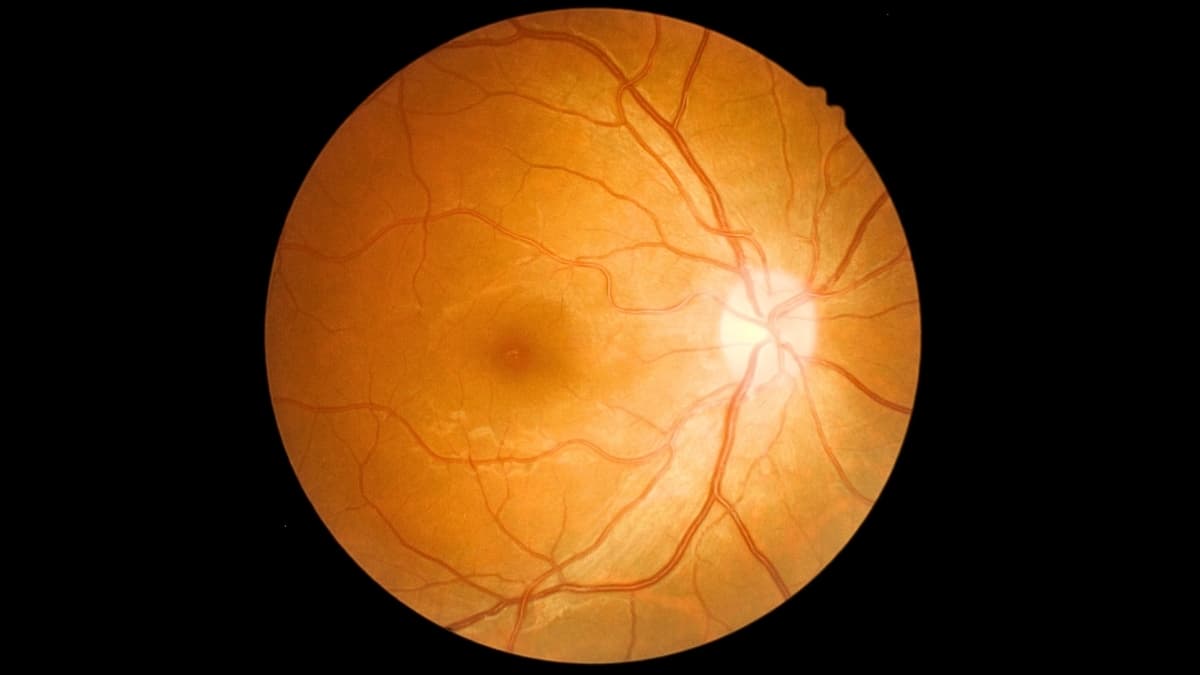
A major new study examining adverse event reports to the U.S. Food and Drug Administration has uncovered a troubling association between the blockbuster weight-loss drug Wegovy and a rare but devastating condition known colloquially as an 'eye stroke.' The FDA’s analysis of over 30 million reported side effects found that Wegovy, which contains the active ingredient semaglutide, had a significantly higher risk of triggering non-arteritic anterior ischaemic optic neuropathy (NAION) compared to similar medications like Ozempic. The condition occurs when reduced blood flow damages the optic nerve, leading to sudden and often permanent vision loss. While the absolute risk remains low, the findings have sent shockwaves through the medical community, prompting urgent calls for further research and heightened patient awareness.
What Is an 'Eye Stroke'? Understanding NAION and Its Symptoms
The term 'eye stroke' is not an official medical diagnosis but a layperson’s shorthand for non-arteritic anterior ischaemic optic neuropathy (NAION), a condition in which blood flow to the optic nerve is suddenly and severely reduced. Unlike a traditional ischemic stroke—which can cause paralysis, speech loss, or cognitive impairment—NAION primarily affects vision. The damage is localized to the optic nerve, which transmits visual information from the retina to the brain. Because the optic nerve has no pain receptors, vision loss from NAION typically occurs without warning, often upon waking, and may be partial or complete. In some cases, patients report a sudden darkening, blurring, or 'curtain-like' shadow spreading across their field of vision.
How NAION Differs from Other Vision-Loss Conditions
NAION is distinct from other causes of vision loss, such as diabetic retinopathy or age-related macular degeneration, in both its mechanisms and presentation. Unlike progressive conditions that develop over years, NAION strikes abruptly, with symptoms often peaking within hours. It is also not accompanied by the redness, pain, or discharge that characterize infections or inflammations of the eye. Notably, NAION does not typically cause numbness or weakness in the limbs, which differentiates it from a systemic stroke. However, like a stroke, it results from a disruption of blood supply—specifically, a lack of perfusion to the optic nerve head, where the nerve fibers converge before entering the brain.
- NAION is a rare but serious side effect associated with Wegovy, not Ozempic or Rybelsus.
- Symptoms include sudden, painless vision loss, often in one eye.
- The condition is linked to reduced blood flow to the optic nerve, similar to a traditional stroke.
- Men face a threefold higher risk than women, though the reasons remain unclear.
The FDA Study: Wegovy’s Elevated Risk Compared to Ozempic
The study, published in *JAMA Ophthalmology*, analyzed 31,774 adverse event reports involving semaglutide—a synthetic version of the hormone GLP-1—submitted to the FDA’s Adverse Event Reporting System between 2017 and 2023. While semaglutide is approved for treating type 2 diabetes (as Ozempic) and obesity (as Wegovy), the researchers found a striking disparity in NAION risk. Wegovy, which is administered via injection at a higher maximum dose (up to 2.4 mg weekly) compared to Ozempic (1 mg weekly), showed an adjusted reporting odds ratio of 4.93 for NAION. This means patients taking Wegovy were nearly five times more likely to report NAION than those taking Ozempic. By contrast, Rybelsus, an oral form of semaglutide, showed no significant association with the condition.
Why Does Wegovy Pose a Higher Risk Than Other Semaglutide Drugs?
The stark difference in risk between Wegovy and Ozempic may be explained by two key factors: dosage and delivery method. Wegovy’s higher maximum dose, designed for rapid weight loss, delivers semaglutide into the bloodstream more aggressively than Ozempic, which is primarily used for diabetes management. When injected, semaglutide reaches peak concentrations in the body within hours, whereas oral medications like Rybelsus are absorbed more slowly. This rapid influx can lead to significant fluctuations in blood pressure, a critical factor in NAION development. The retina, which relies on the smallest blood vessels in the body for oxygen and nutrient delivery, is particularly vulnerable to these changes.
The Role of Blood Pressure Fluctuations in NAION Risk
Semaglutide’s primary function is to mimic the hormone GLP-1, which regulates blood sugar by stimulating insulin release and slowing digestion. However, GLP-1 also interacts with the autonomic nervous system, which controls involuntary functions like heart rate, blood pressure, and digestion. When semaglutide is introduced at high doses, it can cause a temporary drop in blood pressure, especially during the initial weeks of treatment. For most patients, this is a manageable side effect, but in individuals with preexisting vascular vulnerabilities—such as those with a history of hypertension or atherosclerosis—even minor blood pressure dips can impair circulation to the optic nerve. The retina’s delicate vasculature, already operating at the limits of perfusion, is particularly sensitive to these changes. A sudden reduction in blood flow can lead to ischemia (oxygen deprivation) and subsequent nerve damage.
Why Are Men at Higher Risk? Exploring the Gender Disparity
One of the most puzzling findings of the study was the pronounced gender disparity in NAION risk. Men taking semaglutide-based weight-loss drugs were three times more likely to develop NAION than women. Researchers have proposed several hypotheses to explain this trend, though definitive answers remain elusive. One theory suggests that men may be more likely to have undiagnosed or untreated vascular conditions, such as hypertension or sleep apnea, which could exacerbate the effects of blood pressure fluctuations. Another possibility is that men tend to have larger body sizes and higher initial doses of Wegovy, leading to more pronounced systemic effects. However, the study’s authors caution that the data lacked granular details on participants’ health profiles, making it difficult to draw firm conclusions. Large-scale health databases often struggle to capture nuanced variables like lifestyle factors, medication adherence, or preexisting eye conditions.
Who Is Most Vulnerable to NAION from Wegovy?
While the absolute risk of developing NAION from Wegovy remains low—estimated at roughly 1 in 10,000 users annually—certain groups may face elevated susceptibility. Patients with a history of optic nerve issues, such as optic nerve drusen or a crowded optic disc (a condition called a 'disc at risk'), are at higher risk. Additionally, individuals with uncontrolled diabetes, hypertension, or sleep apnea may experience compounded vascular stress when combined with semaglutide’s effects. Age is another factor; older patients, particularly those over 50, may have reduced retinal resilience due to natural aging processes. The FDA study did not assess whether the risk increases with prolonged use, but experts caution that vigilance is warranted even for long-term users.
The Regulatory Response: How Authorities Are Addressing the Risk
In response to the emerging data, regulatory agencies have begun updating safety labeling for Wegovy and related medications. The European Medicines Agency (EMA) and the FDA have both added NAION to the product information for Wegovy, Ozempic, and Rybelsus, though they stop short of establishing a definitive causal link. Novo Nordisk, the Danish pharmaceutical giant behind Wegovy and Ozempic, has emphasized its commitment to patient safety. A spokesperson for the company noted in a statement to *The Guardian* that 'patient safety is our top priority,' and that the company collaborates closely with global regulators to monitor adverse events. While Novo Nordisk has updated EU patient leaflets to include NAION, it maintains that 'the totality of evidence does not suggest a reasonable possibility of a causal relationship' between semaglutide and the condition. The company asserts that the benefits of semaglutide for weight loss and diabetes management continue to outweigh the risks for most patients.
What Should Patients Do If They Experience Symptoms?
For patients currently taking Wegovy or considering the medication, experts recommend a proactive approach to monitoring eye health. Anyone experiencing sudden, painless vision loss—even if temporary—should seek immediate medical attention. An ophthalmologist can perform a fundus photography exam to assess the optic nerve and retinal blood vessels for signs of ischemia. Patients with a history of cardiovascular disease or eye conditions should discuss the risks and benefits of Wegovy with their healthcare provider before starting treatment. Discontinuing the medication abruptly is not advised without medical supervision, as rapid withdrawal can lead to rebound effects, such as uncontrolled blood sugar or weight regain. Instead, patients should work with their doctors to evaluate alternative treatments or adjust dosages if necessary.
The Broader Implications: Semaglutide’s Expanding Role in Medicine
Semaglutide’s journey from a diabetes drug to a blockbuster weight-loss treatment has reshaped the pharmaceutical landscape. Originally approved as Ozempic for type 2 diabetes in 2017, semaglutide gained widespread attention during the COVID-19 pandemic when patients reported significant weight loss as a side effect. Wegovy, a higher-dose version specifically for obesity, was approved in 2021 and quickly became a cultural phenomenon, with demand outpacing supply for months. The drug’s success has spurred a wave of research into GLP-1 agonists, with pharmaceutical giants like Eli Lilly (Mounjaro) and Pfizer entering the obesity treatment market. However, the emergence of rare side effects like NAION underscores the importance of long-term safety monitoring in the era of rapidly expanding drug indications.
The Need for Further Research and Clinical Trials
The FDA study’s findings, while significant, are based on observational data and cannot prove causation. Researchers emphasize the need for randomized controlled trials to isolate the effects of semaglutide on retinal health. Such studies would ideally compare high-dose and low-dose semaglutide regimens, track blood pressure fluctuations in real time, and examine long-term outcomes. Barbara Pierscionek, a professor and deputy dean at Anglia Ruskin University, cautioned in an interview with *The Conversation* that 'more research is needed to establish safe dosage levels and to understand whether certain factors—such as sex, age, weight, or existing health conditions—make some people more vulnerable than others.' She added that semaglutide is increasingly prescribed to younger patients, raising concerns about lifetime exposure to potential risks.
Patient safety is our top priority, and we take any reports about adverse events from the use of our medicines very seriously. We work closely with authorities and regulatory bodies from around the world to continuously monitor the safety profile of our products.
Key Takeaways for Patients and Healthcare Providers
- Wegovy is associated with a higher risk of NAION—a rare but serious condition causing sudden vision loss—compared to Ozempic or Rybelsus.
- The risk may be linked to Wegovy’s higher doses and faster absorption, which can cause blood pressure fluctuations.
- Men face a threefold higher risk than women, though the reasons are not fully understood.
- Patients with preexisting vascular or optic nerve issues should discuss the risks with their doctor before starting Wegovy.
- Sudden vision changes warrant immediate medical evaluation, as early intervention may prevent permanent damage.
Frequently Asked Questions About Wegovy and Eye Stroke Risk
Frequently Asked Questions
- Is Wegovy safe to use despite the NAION risk?
- While the risk of NAION is elevated, it remains rare. For most patients, the benefits of Wegovy for weight loss and metabolic health outweigh the risks. However, patients with a history of eye or vascular issues should discuss alternatives with their doctor.
- What are the symptoms of an 'eye stroke' from Wegovy?
- Symptoms include sudden, painless vision loss in one or both eyes, often described as a dark shadow or curtain spreading across the field of vision. The condition does not cause pain or redness.
- Should I stop taking Wegovy if I experience vision changes?
- Do not stop the medication abruptly without consulting your healthcare provider. Sudden vision changes require immediate medical attention to rule out NAION or other serious conditions.