Every spring, fresh starts abound—new gym memberships, decluttered closets, and yes, even ‘detox’ regimens promising to purge the body of toxins. Juice cleanses, detox teas, and colon flushes flood the market each year, capitalizing on the desire for a reset. But as tempting as these products may sound, medical experts overwhelmingly agree: your body doesn’t need them to detoxify. In fact, the human body is equipped with highly efficient natural systems—primarily the liver, kidneys, lungs, and digestive tract—that handle toxin removal daily. The real secret to ‘detoxing’ isn’t found in a $50 supplement or a seven-day juice fast; it’s rooted in science-backed habits that support these existing processes. So before you spend hundreds on another detox trend, here’s what the research and doctors actually say about how your body cleanses itself—and how to optimize it for free.
The Truth About Marketed Detox Products: What the Evidence Really Shows
The global detox market is booming, with estimates projecting it to reach $59.1 billion by 2027, according to market research firm Grand View Research. Amid this lucrative industry, countless products claim to ‘flush out toxins,’ ‘reset gut health,’ or ‘cleanse the liver.’ Yet, when it comes to proven benefits, the scientific consensus is clear: for healthy adults, these products offer little to no real advantage—and in some cases, they can pose serious health risks.
No Scientific Backing for Detox Diets or Cleanses
Wesley McWhorter, a registered dietitian and national spokesperson for the Academy of Nutrition and Dietetics, states unequivocally: 'For healthy adults, there is no strong evidence that detox diets, liver cleanses, or colon cleanses improve health.' What people often interpret as a detox effect—feeling lighter, more energized, or less bloated—is usually the result of unrelated factors, such as increased fruit and vegetable intake, reduced calorie consumption, or a temporary shift in routine. 'What people are usually experiencing isn’t a true detox,' explains Dr. Michael Richardson, family medicine physician and medical director of Bespoke Primary Care in Wellesley, Massachusetts. 'It’s more of a reset in their diet or overall lifestyle.'
The Hidden Dangers of Detox Products
Beyond ineffectiveness, many detox products carry tangible health risks. Restrictive detox diets can lead to nutrient deficiencies and unsafe weight loss. Colon cleansing products or harsh laxatives may cause dehydration and dangerous electrolyte imbalances. Juice cleanses made with high-oxalate foods—such as spinach, beets, or nuts—can increase the risk of kidney stones or kidney damage in susceptible individuals. Even more alarming, dietary supplements marketed for detoxification are not evaluated by the U.S. Food and Drug Administration (FDA) for safety or efficacy before hitting shelves. 'Supplements aren’t reviewed by the FDA,' notes McWhorter, 'which means a product could contain hidden ingredients, contaminants, or interact negatively with medications—potentially harming the liver, even if it’s labeled as 'natural.''
One particularly misleading claim is that detox products help ‘sweat out toxins.’ Sweat is primarily composed of water and electrolytes, not toxins. While regular exercise supports overall health, it doesn’t rid the body of harmful substances in the way proponents suggest. 'You don’t sweat out toxins or heavy metals,' clarifies Richardson. 'You just sweat out sweat.'
“Beyond the lack of evidence, they often taste terrible and can leave people spending a ton of time on the toilet.” — Wesley McWhorter, registered dietitian and spokesperson for the Academy of Nutrition and Dietetics
How Your Body Actually Detoxifies: Meet Your Built-In Cleanup Crew
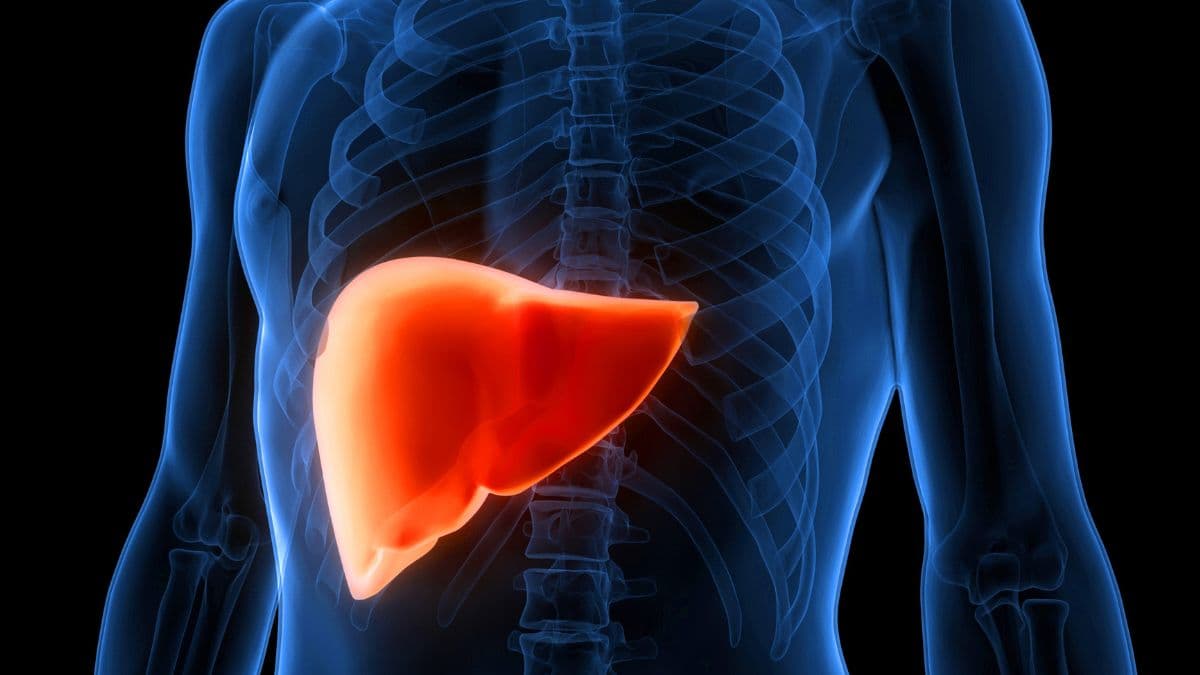
The human body is a marvel of self-regulation. It constantly filters and eliminates waste through a sophisticated network of organs, each specialized in handling different types of toxins. The liver acts as the primary chemical processing plant, breaking down alcohol, medications, environmental pollutants, and metabolic byproducts. 'Our liver is going to be our workhorse in clearing various toxins,' explains Richardson. 'It converts fat-soluble toxins into water-soluble compounds that the kidneys can excrete.' The kidneys then act as high-efficiency filtration systems, processing about 200 quarts of blood daily to produce roughly two quarts of urine—our main route for flushing out dissolved waste.
The Role of Other Organs in Natural Detoxification
- Lungs: These organs expel carbon dioxide and volatile organic compounds through breathing. However, they only function optimally when protected from pollutants like cigarette smoke, vaping aerosols, or industrial fumes. 'The lungs are self-cleaning, but they do better when we avoid damaging them,' says Richardson.
- Digestive System: While not primarily a detox organ, the gut plays a crucial supporting role. Fiber-rich foods feed beneficial gut bacteria, which produce short-chain fatty acids that help regulate inflammation and support liver function. 'A healthy gut microbiome indirectly aids detox pathways,' notes McWhorter.
- Skin: Though often mythologized as a detox pathway, the skin’s role is limited. Sweat glands excrete small amounts of urea and minerals, but they don’t ‘clear’ heavy metals or systemic toxins. Instead, skin health is best supported through hydration, nutrition, and sun protection.
Free and Effective Ways to Support Your Body’s Natural Detox
Instead of chasing expensive cleanses, focus on lifestyle habits that enhance your body’s existing detox systems. These require no special products—just consistency and mindfulness. 'It may not be as sexy, but general balance and moderation are what really support health,' says McWhorter. 'Staying hydrated, eating a balanced diet with enough fiber, limiting alcohol, avoiding smoking, being physically active, and getting enough sleep do far more than any detox product.'
1. Hydration: The Ultimate Flush
Water is the cornerstone of detoxification. The kidneys rely on adequate hydration to filter blood efficiently and produce urine. When dehydrated, urine becomes concentrated, making it harder for the body to excrete waste and increasing the risk of kidney stones. Richardson emphasizes, 'Our kidneys love water. Staying hydrated makes you feel better, dilutes any kind of poor toxins, and helps you clear things faster.' The Academy of Nutrition and Dietetics recommends nine cups of water daily for women and 13 cups for men, not including water from food. A simple way to monitor hydration? Check your urine color—aim for pale yellow, like straw or lighter.
2. Nourish Your Liver with Smart Choices
The liver processes nearly everything you ingest, from alcohol to processed foods. To reduce its workload and support function, limit alcohol consumption—especially binge drinking, which forces the liver to work overtime. 'The liver can handle moderate alcohol,' says Richardson, 'but years of heavy drinking cause long-term damage.' Be cautious with medications and alcohol; mixing the two doubles the liver’s burden. Protect your liver by eating cruciferous vegetables like broccoli and Brussels sprouts, which contain compounds that aid detox enzymes. Avoid excessive sugar and processed foods, which contribute to fatty liver disease, where fat accumulates in liver cells and impairs function.
3. Eat Fiber-Rich, Whole Foods
Fiber doesn’t just keep bowel movements regular—it’s essential for gut and liver health. Soluble fiber binds to bile acids in the gut, helping the liver recycle them and reducing cholesterol. Insoluble fiber speeds up digestion, limiting the time toxins spend in the colon. High-fiber foods like oats, beans, lentils, apples, and berries support a thriving gut microbiome, which in turn influences immune function and inflammation levels. 'Fiber-rich diets have been linked to improved liver health and reduced risk of fatty liver disease,' explains McWhorter. Aim for at least 25 grams of fiber daily for women and 38 grams for men, according to the FDA.
4. Prioritize Sleep and Movement
Sleep is when the body repairs and regenerates—including detox pathways. During deep sleep, the brain’s glymphatic system clears metabolic waste that accumulates during the day. Adults should aim for seven to nine hours nightly. Regular physical activity also enhances detox by improving circulation, which helps deliver nutrients to organs and removes waste. The American Heart Association recommends at least 150 minutes of moderate exercise per week—about 30 minutes daily, five days a week. Even light movement like walking or yoga supports lymphatic flow, which aids immune function and toxin clearance.
When to Seek Medical Help for Detox Concerns
While lifestyle changes support detox for most people, certain medical conditions require professional intervention. Individuals with liver disease, kidney disease, or metabolic disorders may struggle to eliminate toxins efficiently. In severe cases, conditions like cirrhosis or kidney failure necessitate medical treatments such as dialysis or medication—not over-the-counter supplements. 'If someone feels persistently fatigued, jaundiced, or experiences swelling or confusion, they should see a doctor,' advises Richardson. 'These could signal a problem with detox organs that needs medical attention, not a $90 detox tea.'
Key Takeaways: Detoxing the Right Way
- Your body detoxifies naturally through the liver, kidneys, lungs, and digestive system—no products required.
- Detox teas, juices, and cleanses lack scientific evidence and can pose health risks, including nutrient deficiencies and organ strain.
- Support detox for free by drinking plenty of water, eating fiber-rich whole foods, limiting alcohol, and getting enough sleep and exercise.
- Supplements are not FDA-regulated and may contain harmful ingredients; always consult a healthcare provider before using them.
- If you experience symptoms like fatigue, jaundice, or swelling, seek medical evaluation instead of relying on detox products.
Frequently Asked Questions About Natural Detoxification
Frequently Asked Questions
- Can detox diets help with weight loss?
- Detox diets may lead to temporary weight loss due to calorie restriction and reduced food intake, but this is not fat loss or detoxification. Most weight lost is water or glycogen. The restrictive nature of these diets can be unsustainable and may result in muscle loss or nutrient deficiencies. Healthier alternatives include balanced, calorie-controlled eating plans.
- Do detox foot pads really remove toxins?
- No scientific evidence supports the claim that foot pads absorb toxins. Many contain ingredients like bamboo vinegar or tourmaline, which may cause mild skin irritation but do not enhance the body’s natural detox processes. Sweating from foot pads is not a route for toxin elimination.
- What’s the best way to support liver detox naturally?
- Limit alcohol, avoid processed foods and excess sugar, eat cruciferous vegetables, stay hydrated, and maintain a healthy weight. Avoiding unnecessary medications and maintaining regular exercise also reduce strain on the liver. Always consult a doctor before making significant dietary changes, especially if you have liver conditions.