The first full slate of the 2025 MLB season delivered fireworks on the mound, as starting pitchers took the spotlight with performances ranging from dominant to disastrous. On March 31, fantasy baseball managers scrambled to adjust lineups after a wild Tuesday night where Andrew Painter dazzled in his MLB debut, Max Fried and Shohei Ohtani reminded everyone why they’re aces, and Zach Eflin’s elbow injury sent shockwaves through draft rooms. From 98-mph heat to brutal walks, the opening week of the season provided a masterclass in the unpredictability—and the high stakes—of early-season fantasy pitching decisions.
Key Takeaways from the March 31 Starting Pitcher Performances
- Andrew Painter’s MLB debut was a fantasy home run: 5.1 IP, 1 ER, 8 Ks, and a 32% CSW, proving his high-ceiling arsenal is for real.
- Max Fried and Shohei Ohtani continued their ace-level dominance, each tossing six shutout frames with minimal pitch counts, making them must-starts in all formats.
- Zach Eflin’s early exit due to elbow soreness is a red flag—drop him immediately if you haven’t already.
- Kodai Senga returned to his 2023 form with 97-98 mph heat and a revitalized cutter, silencing doubters with a 9 K performance.
- Bubba Chandler’s debut was a mixed bag: dominant stuff (99 mph fastball) but disastrous command (six walks in 4.1 IP), leaving fantasy managers torn.
Andrew Painter’s MLB Debut: A Fantasy Baseball Dream or Too Good to Be True?
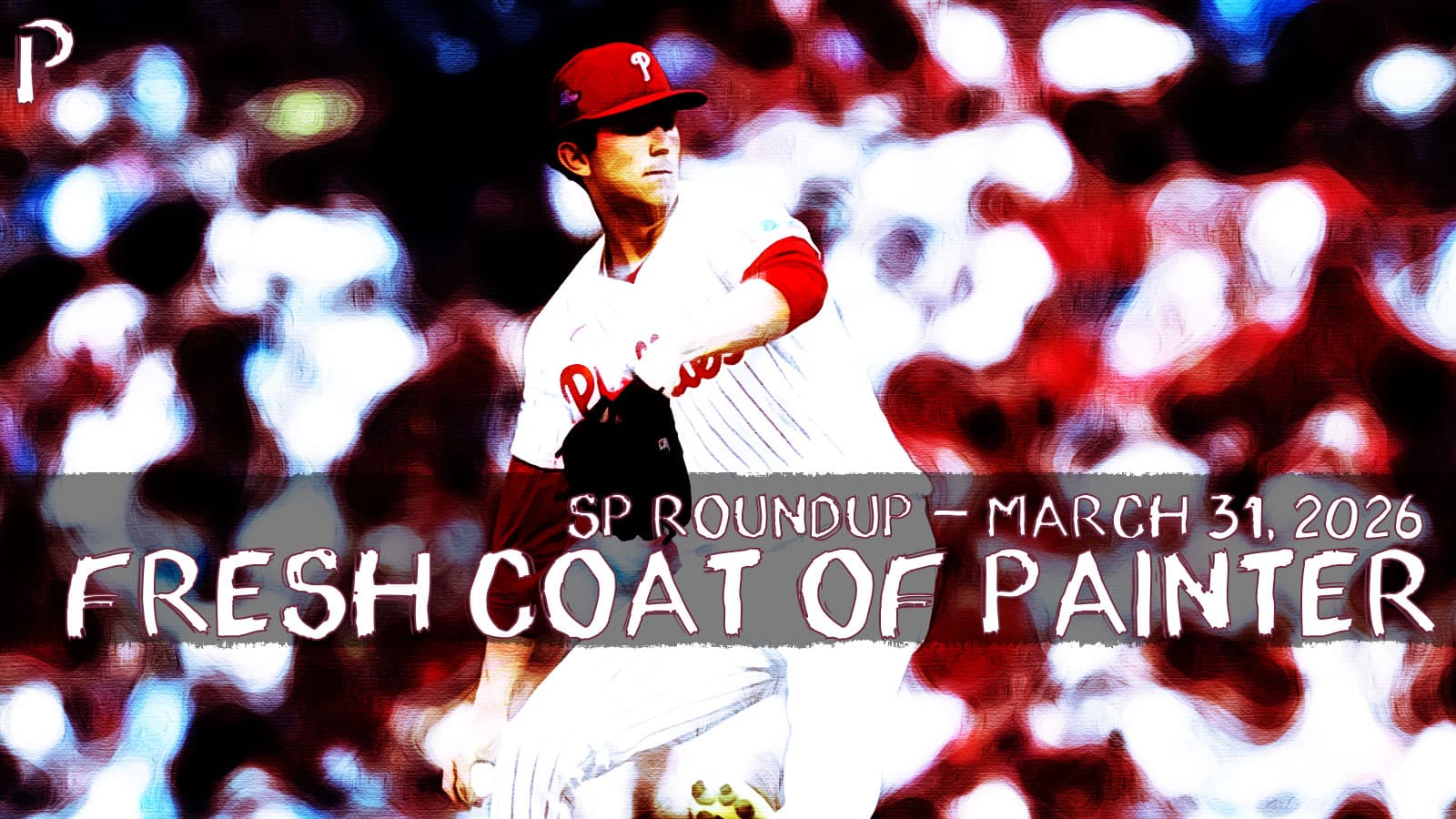
For years, Philadelphia Phillies phenom Andrew Painter had been a name whispered among fantasy baseball insiders as baseball’s next top-tier starting pitcher. On March 31, 2025, the 22-year-old right-hander finally debuted—and delivered a performance that left no room for skepticism. Facing the Washington Nationals, Painter mowed down the lineup for 5.1 innings, allowing just one earned run on four hits while striking out eight batters. His 32% called-strike plus whiff (CSW) rate signaled a mastery of the strike zone, and his 96-97 mph fastball, paired with a dominant slider and curveball, looked every bit like a future ace’s arsenal.
Why Painter’s Pitch Mix Points to Long-Term Success
Painter’s fastball-slider-curveball trio offers elite pitch separation, a critical ingredient for sustained success in the majors. His sinker usage against right-handed hitters (though barely deployed against the Nationals) adds another dimension, and his changeup showed promise in inducing weak contact. While a single start against a Nationals lineup—historically one of MLB’s weakest—isn’t enough to crown him as the next Justin Verlander, the early returns suggest fantasy managers should be aggressively stashing him in all leagues. The question now shifts from *if* he’ll be a fantasy force to *how soon* he’ll become an every-week must-start.
The Caveats: Regression Risk and Schedule Concerns
Historically, MLB debuts are poor predictors of future performance. Pitchers often adjust their approach after their first start, and Painter’s future starts against the Giants and Diamondbacks—two of baseball’s most formidable lineups—will test his mettle. Additionally, his 84-pitch outing suggests the Phillies may be managing his workload cautiously. Fantasy managers should temper expectations slightly but remain optimistic: Painter’s stuff is legit, and his ceiling (top-20 pitcher in standard leagues) is within reach if he maintains this level of dominance.
The Aces Continue to Ace: Fried, Ohtani, and the Elite SP Corps
In a league where starting pitching is the lifeblood of championship teams, Max Fried and Shohei Ohtani reminded fantasy managers why they’re among the most reliable arms in baseball. Fried, now with the New York Yankees after a blockbuster offseason trade, authored a seven-inning shutout against the Seattle Mariners, striking out six while allowing just three hits. His command was surgical, and his cutter—though slightly down in velocity—remained a putaway pitch. For fantasy managers, Fried is a weekly must-start, especially in leagues that penalize blowups.
Ohtani’s First Start: Velocity Dip, But Still Ace-Level Dominance
Shohei Ohtani’s 2025 season kicked off with a six-inning, zero-run outing against the Cleveland Guardians, a performance that should quell concerns about his velocity. While his fastball sat 1-2 ticks lower than his 2024 peak, his 6-4 splitter and slider generated whiffs at elite rates, and his 34% CSW proved he remains a nightly lock for strikeouts. The Dodgers’ rotation depth—including Tyler Glasnow and Yoshinobu Yamamoto—ensures Ohtani won’t be overworked, making him a top-tier SP in all formats. The only question: Will his bat return to MVP form in 2025 after a down offensive 2024?
The Good, the Bad, and the Ugly: Every SP’s Fantasy Outlook from March 31
The Good: Soriano, Mize, and Chandler’s Potential Bursts
José Soriano’s six shutout innings for the Los Angeles Angels were a masterclass in pitch sequencing. By swapping his sinker for four-seamers, Soriano induced a 71% strike rate and a blistering 48% CSW, with his curveball and splitter flashing plus. The concern? Just four strikeouts in six frames suggests his strikeout upside may be capped by contact management. Still, against weaker offenses, Soriano could be a sneaky streaming option in deeper leagues.
Casey Mize’s outing for the Detroit Tigers was a microcosm of his 2024 struggles: his fastball lacked life, but his splitter (32% SwStr) and slider (44% CSW) were electric. If Mize can harness his secondary pitches consistently, he could rebound into a mid-tier SP2. Meanwhile, Hunter Brown of the Houston Astros authored a gem against the Boston Red Sox, allowing one hit while striking out eight, proving he’s a safe weekly starter in 12-team leagues.
The Bad: Eflin’s Injury and Chandler’s Command Chaos
Zach Eflin’s elbow issue cut his start short after just 3.2 innings, a devastating blow for Baltimore Orioles fans. Eflin, who looked sharp early (92-93 mph fastball, seven strikeouts in 11 outs), joins a growing list of pitchers sidelined by arm trouble in 2025. Fantasy managers should drop him immediately and monitor his status closely—elbow injuries are notoriously unpredictable. Meanwhile, Pittsburgh Pirates rookie Bubba Chandler’s debut was a rollercoaster. His 99 mph fastball and cutters flashed elite stuff, but six walks in 4.1 IP exposed his lack of command. Chandler’s ceiling is sky-high, but his early-season volatility makes him a high-risk, high-reward play.
The Ugly: Starters Who Underperformed Relative to Expectations
Andre Pallante’s five shutout innings for the St. Louis Cardinals masked a concerning lack of strikeouts (just three in five frames). His sinker-slider approach worked against the passive New York Mets, but Pallante’s strikeout upside remains limited, relegating him to matchup-based streaming roles. Jameson Taillon’s outing for the Chicago Cubs was equally underwhelming: four walks in 4.2 IP, despite flashes of cutter dominance. Taillon’s velocity remains down, and his control issues resurfaced, making him a liability in fantasy lineups.
Kodai Senga’s Return to Ace Form: A Fantasy Baseball Resurgence
After a disappointing 2024 season where his signature “ghost fork” lost its bite, Kodai Senga reminded the baseball world why he was once one of MLB’s most dominant pitchers. Facing the Cardinals, Senga fired 92 pitches of one-run ball, striking out nine while touching 97-98 mph with his fastball. His cutter (90-91 mph, 38% CSW) and sweeper-slider combo generated whiffs at elite rates, and his ability to manipulate hitters with his four-seamer (masked by his other pitches) was on full display. Senga’s outing is a green light for fantasy managers to draft him as a top-20 SP again, especially in leagues that value strikeouts.
How to Adjust Your Fantasy Lineup After the March 31 SP Performances
The March 31 slate provided a crash course in early-season fantasy pitching strategy. Managers who streamed Fried, Ohtani, or Senga were rewarded with easy wins, while those who started Eflin or Taillon likely suffered setbacks. Moving forward, prioritize pitchers with: (1) elite strikeout stuff (CSW >30%), (2) favorable matchups, and (3) stable velocity. Avoid pitchers whose fastballs lack movement or whose command is erratic, as regression will expose their flaws. Painter, Chandler, and Soriano offer high-upside potential, but their volatility demands careful roster management.
Looking Ahead: Key Matchups and Fantasy Implications for the Next Week
Fantasy managers should circle the schedules of Painter (Giants, Diamondbacks), Chandler (Reds, Brewers), and Soriano (Braves, Yankees) as potential difference-makers. Meanwhile, stash Senga for his upcoming start at Oracle Park, where the Giants’ lineup could feast on his fastball-slider combo. Avoid Eflin until his elbow status clarifies, and consider benching Taillon against lineups with power bats like the Yankees or Padres.
The Bottom Line: Early-Season SP Performances Set the Tone for 2025 Fantasy Baseball
The March 31 starting pitcher performances underscored the volatility—and the opportunity—of early-season fantasy baseball. Pitchers like Painter, Fried, and Senga validated their preseason hype, while Eflin’s injury and Chandler’s command issues served as cautionary tales. For fantasy managers, the key is to stay nimble: target pitchers with elite stuff and favorable schedules, while avoiding those whose early struggles suggest deeper issues. The 2025 season is young, but the performances from this week have already reshaped the narrative for dozens of pitchers. Adjust your lineups accordingly, and prepare for a long, unpredictable road to the fantasy playoffs.
Frequently Asked Questions About March 31’s Starting Pitcher Performances
Frequently Asked Questions
- Is Andrew Painter a must-own in fantasy baseball after his MLB debut?
- Yes, Painter’s 5.1 IP, 8 K outing with a 32% CSW signals he’s ready for a big-league role. Stash him immediately in all leagues, but monitor his workload as the Phillies may manage him carefully.
- Should I drop Zach Eflin after his elbow injury?
- Absolutely. Eflin’s early exit suggests a serious issue, and elbow injuries often lead to extended absences. Replace him on your roster while tracking his status for potential returns late in the season.
- How concerned should I be about Shohei Ohtani’s velocity drop?
- Not very. Ohtani’s splitter and slider generated whiffs at elite rates (34% CSW), and his 95-96 mph fastball remains above average. His velocity dip is likely a spring training artifact, not a red flag.