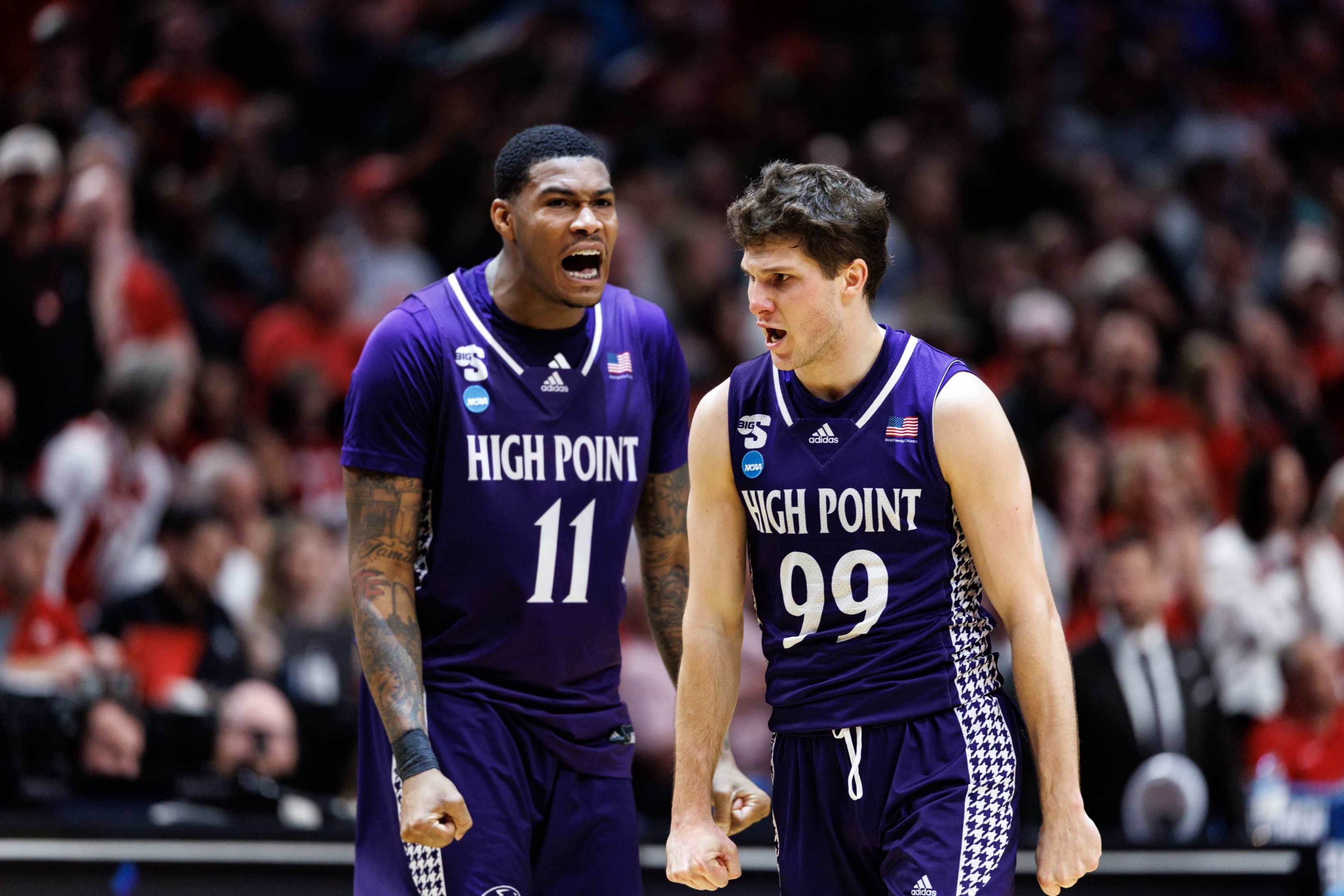
The madness returns this Thursday when the 2026 NCAA Tournament tips off, but the tournament that has defined American sports for generations now faces an existential question: Is the magic of March still alive? For decades, the NCAA Tournament thrived on jaw-dropping upsets that turned unknown players into legends and unknown schools into household names. Those moments defined the event’s soul, from No. 16 seed Fairleigh Dickinson’s historic upset of Purdue in 2023 to Florida Atlantic’s improbable Final Four run the same year. Yet the past two tournaments have offered a starkly different narrative—just one double-digit seed advanced past the first weekend in each, and both came from power conferences. The question looms: Have the seismic shifts in college basketball—namely the rise of NIL (Name, Image, Likeness) deals and the transfer portal—fundamentally altered the tournament’s competitive balance, or is this merely a statistical blip?
The Vanishing Cinderellas: Why Underdog Runs Are Becoming Rarer in March
The NCAA Tournament’s reputation as a bastion of unpredictability has long been its most intoxicating feature. Historically, double-digit seeds have been responsible for some of the most iconic moments in sports history. In 2021, Oral Roberts became the first No. 15 seed to reach the Elite Eight, followed by St. Peter’s in 2022. Princeton’s Sweet 16 run in 2023—paired with Fairleigh Dickinson’s historic win over Purdue—cemented that era as one of the most Cinderella-rich in tournament history. Yet the tide appears to have turned abruptly. In 2024, only one double-digit seed (No. 11 Saint Mary’s) advanced past the Round of 64, and in 2025, just No. 10 Arkansas made it to the Round of 32. This year, the selection committee seeded just four double-digit seeds among the top four lines—a record low since the tournament expanded to 68 teams in 2011.
The Role of NIL and the Transfer Portal in Reshaping Competitive Balance
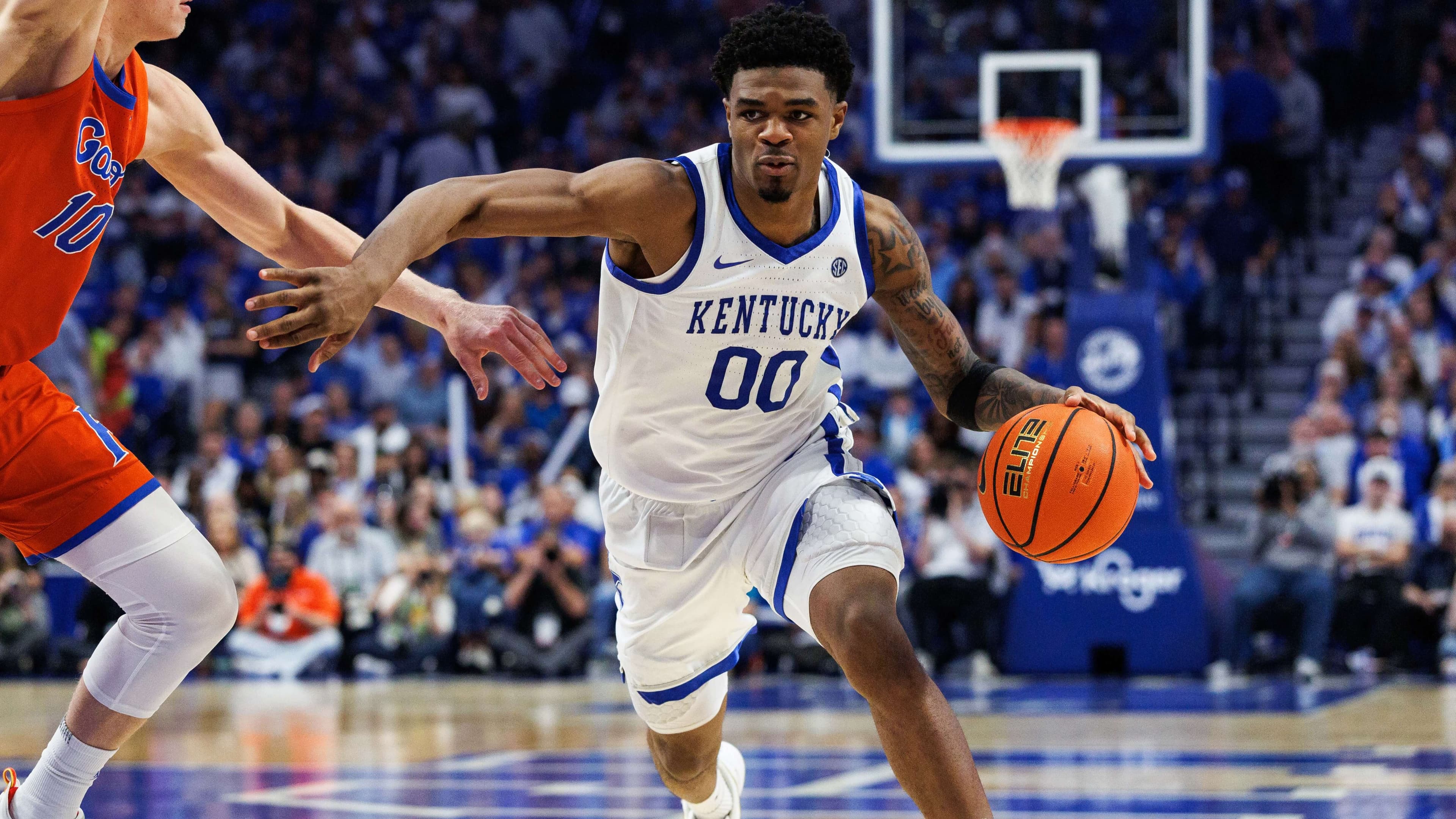
The most significant structural changes to college basketball in recent years have come through two interconnected forces: the transfer portal and NIL policies. Instituted in 2018, the transfer portal allows players to switch schools without sitting out a year, creating a fluid market where talent concentrates at historically successful programs. Meanwhile, NIL deals—now worth millions for top recruits and established stars—have made it financially advantageous for players to land at power-conference schools with national followings. The result? A concentration of elite talent in a handful of programs. In 2025, the top 10 teams in KenPom’s adjusted efficiency rankings (a metric tracking team performance) included eight from power conferences (ACC, Big Ten, Big 12, SEC, Pac-12). Only Gonzaga and Saint Mary’s, both mid-majors, broke the mold. "The portal has made it easier for bluebloods to reload," says Andy Katz, senior writer for The Athletic. "If you’re a five-star recruit deciding between Kentucky and a mid-major, the financial incentives and exposure at Kentucky are hard to ignore."
The Selection Committee’s Role: Are Brackets Becoming Too Predictable?
Critics argue that the NCAA’s selection committee, tasked with seeding teams, has inadvertently contributed to the decline of upsets by placing too much emphasis on advanced metrics and recent performance rather than a team’s historical tournament résumé. In 2025, No. 1 seeds were Virginia, Purdue, Arizona, and Duke—all programs with deep tournament histories and recent success. By contrast, mid-major conferences like the MAC, WCC, and Big West saw only one team seeded in the top four lines. "The committee is trying to reward the best teams," says bracketologist Chris Dobbertean. "But when you consistently seed power-conference teams higher, you’re stacking the deck against underdogs before the tournament even starts."
Where the Magic Might Still Hide: Steve Kornacki’s Upset Picks for 2026
Despite the trends, history suggests that March Madness is never truly predictable. Even in the most top-heavy tournaments, Cinderella stories emerge—often when a power-conference team underperforms or a mid-major peaks at the right moment. Here are three first-round upsets that could reignite the tournament’s magic, according to NBC’s Steve Kornacki:
- No. 12 Akron over No. 5 Texas Tech: The MAC’s Akron Zips have won 19 of their last 20 games, including a narrow loss to Miami (Ohio) in January. Texas Tech, meanwhile, has lost star JT Toppin and dropped three straight, raising questions about their cohesion.
- No. 13 Troy over No. 4 Nebraska: The Trojans, from the Sun Belt, took San Diego State and pushed USC to triple-overtime this season. Nebraska, despite a 20-0 start, faltered down the stretch at 6-6, making them vulnerable to an upset.
- No. 13 California Baptist over No. 4 Kansas: The Lancers boast a top scorer in Dominique Daniels and a disruptive defense. But Kansas’s inconsistency—including losses to Cincinnati and Arizona State—makes them a prime candidate for an early exit.
The Dark Horse: Texas A&M’s ‘Bucky Ball’ Could Spark a Run
While most focus on traditional Cinderellas, Texas A&M’s unorthodox style under first-year coach Bucky McMillan could be the tournament’s sleeper story. McMillan, who nearly led Samford to an upset of Kansas in 2024, employs an up-tempo offense dubbed "Bucky Ball"—a relentless, high-scoring system that forces opponents into turnovers. "It’s not about the seed," McMillan says. "It’s about how you play the game. We’re built to compete with anyone." Texas A&M, a No. 10 seed in the South, faces a winnable matchup in the first round and could ride the momentum if they catch fire in the second week.
Sweet 16 Showdown: Arizona vs. Arkansas Could Define the Final Four Race
The tournament’s top overall seed is Duke, but the East Region’s path to the Final Four is so brutal that Arizona—despite losing in the 2023 title game—has emerged as the betting favorite. The Wildcats are 32-2, on a nine-game win streak, and feature the most balanced attack in the field, with all five starters averaging double digits. Their potential Sweet 16 clash with Arkansas, however, could be the game that decides whether power-conference dominance continues or if the Razorbacks’ explosive guard Darius Acuff Jr. can carry them on a historic run. Acuff, who averages 22 points, scored more than that in all four SEC tournament games, leading Arkansas to its first conference title in 26 years. "Arizona is the best team," says ESPN analyst Jay Bilas. "But if Arkansas gets hot, they can beat anyone."
The Bracketologist’s Curse: Why Picking a Champion Is Riskier Than Ever
Steve Kornacki’s national championship picks over the past five tournaments read like a cautionary tale: 2021 (Illinois lost in Round of 32), 2022 (Villanova lost in Final Four), 2023 (Duke lost in Round of 32), 2024 (Auburn lost in Round of 64), 2025 (St. John’s lost in Round of 32). The pattern suggests that selecting a title favorite might be jinxing their chances. "I have to wonder if there’s a metaphysical force at play," Kornacki joked. "Or maybe the NCAA just has a sense of humor." For 2026, he’s avoiding his true pick (which rhymes with "St. Bohn’s") and instead betting on Arizona’s depth—though Wildcat fans may want to temper expectations.
Key Takeaways: What 2026’s Tournament Says About the State of College Basketball
- The NCAA Tournament’s era of dominant Cinderellas appears to be fading, with double-digit seeds struggling to advance past the first weekend in consecutive years.
- The transfer portal and NIL deals have concentrated elite talent at power-conference programs, making it harder for mid-majors to compete in high-stakes games.
- The selection committee’s emphasis on advanced metrics and recent performance may be unintentionally stacking the deck against underdogs.
- Despite the trends, mid-major teams like Troy, Akron, and California Baptist still present realistic upset opportunities in the first round.
- Arizona and Arkansas’ potential Sweet 16 matchup could determine whether power-conference dominance continues or if a new wave of parity emerges.
The Broader Implications: Will the NCAA Tournament Lose Its Soul?
The decline of upsets isn’t just a statistical curiosity—it’s a threat to the tournament’s cultural relevance. March Madness thrives on unpredictability, the David vs. Goliath narratives that captivate casual fans and lifelong purists alike. If the bracket becomes a procession of chalk, the event risks losing its connection to the broader American public. "The tournament’s magic isn’t just about the games; it’s about the stories," says Dick Vitale, the longtime ESPN analyst. "When you have a No. 16 seed beating a No. 1, it’s not just a win—it’s a fairy tale. And fairy tales are what make sports special." The 2026 tournament presents a pivotal moment: Will the magic return, or has college basketball entered a new, less romantic era?
Frequently Asked Questions About the 2026 NCAA Tournament
Frequently Asked Questions
- Why have upsets become so rare in the NCAA Tournament recently?
- Experts attribute the decline to the transfer portal and NIL policies, which have concentrated elite talent at power-conference programs, making it harder for mid-majors to compete in high-stakes games.
- Which mid-major teams have the best chance to pull off an upset in 2026?
- According to bracketologists, Akron (No. 12), Troy (No. 13), and California Baptist (No. 13) are all primed for first-round upsets, with Troy and California Baptist facing top-four seeds Kansas and Nebraska.
- Can a double-digit seed still win the NCAA Tournament?
- It’s possible, but historically unlikely. Since the tournament expanded to 68 teams in 2011, no double-digit seed has reached the Final Four, and only three (VCU in 2011, Loyola Chicago in 2018, and Florida Atlantic in 2023) have made the Elite Eight.