Major League Baseball’s 2026 season isn’t just another campaign—it may be the final installment of the sport as we’ve known it for the past two decades. From the introduction of robotic strike zones to a looming labor war that could paralyze the league, the game is hurtling toward a cliff edge. The players who defined an era—Shohei Ohtani, Aaron Judge, Juan Soto, and others—are aging out of their primes, while owners and the league office race to overhaul baseball’s economic and technological foundations before the next collective bargaining agreement (CBA) deadline. The 2026 season may well be remembered as the last gasp of a bygone era, a nostalgic chapter before baseball irrevocably changes.
- The 2026 MLB season could be the final one before sweeping changes reshape the sport.
- Automated strike zones (ABS) are already disrupting umpire authority, with full automation likely within a decade.
- A pending labor battle threatens to trigger a lockout in 2027, with salary cap negotiations at the center of the dispute.
- Revenue-sharing reforms and the collapse of regional sports networks are destabilizing baseball’s financial model.
- Aging superstars like Ohtani and Judge signal the end of the generation that defined the modern game.
Why the 2026 MLB Season Could Be Baseball’s Final Frontier
Baseball has spent the last two decades in a state of perpetual reinvention, evolving from a stodgy, stats-averse league into a sleek, data-driven spectacle. The modern era brought instant replay, pitch clocks, expanded playoffs, and the demise of defensive shifts—all innovations that once sparked fierce resistance but are now embraced. Yet the forces propelling these changes are accelerating, and the 2026 season sits at a tipping point. The league’s financial architecture, long dominated by a handful of market-size giants, is collapsing under the weight of streaming services and the death of regional sports networks (RSNs). At the same time, the aging core of baseball’s superstars—players like Aaron Judge (33) and Shohei Ohtani (turning 32 in July 2026)—signals the end of an era defined by youthful exuberance, bat flips, and highlight-reel dominance.
The End of the Player Revolution
The past decade in baseball was defined by a wave of transcendent young talents who didn’t just play the game—they redefined it. Players like Juan Soto, Ronald Acuña Jr., Fernando Tatis Jr., Vladimir Guerrero Jr., and Julio Rodríguez didn’t just hit home runs; they brought a level of athleticism, charisma, and swagger that hadn’t been seen since the steroid era’s final days. Their arrival coincided with baseball’s pivot toward analytics, biomechanics, and high-velocity pitching, creating a sport that was faster, more dynamic, and more unpredictable than ever before. But as these stars enter their late 20s and early 30s, they’re no longer the reckless phenoms who dazzled fans with stolen bases barely within the rules or 120-mph exit velocities. They’ve become the backbone of the league, revered but no longer revolutionary. By the end of the 2026 season, many will be firmly entrenched in the old guard, paving the way for a new generation of talent.
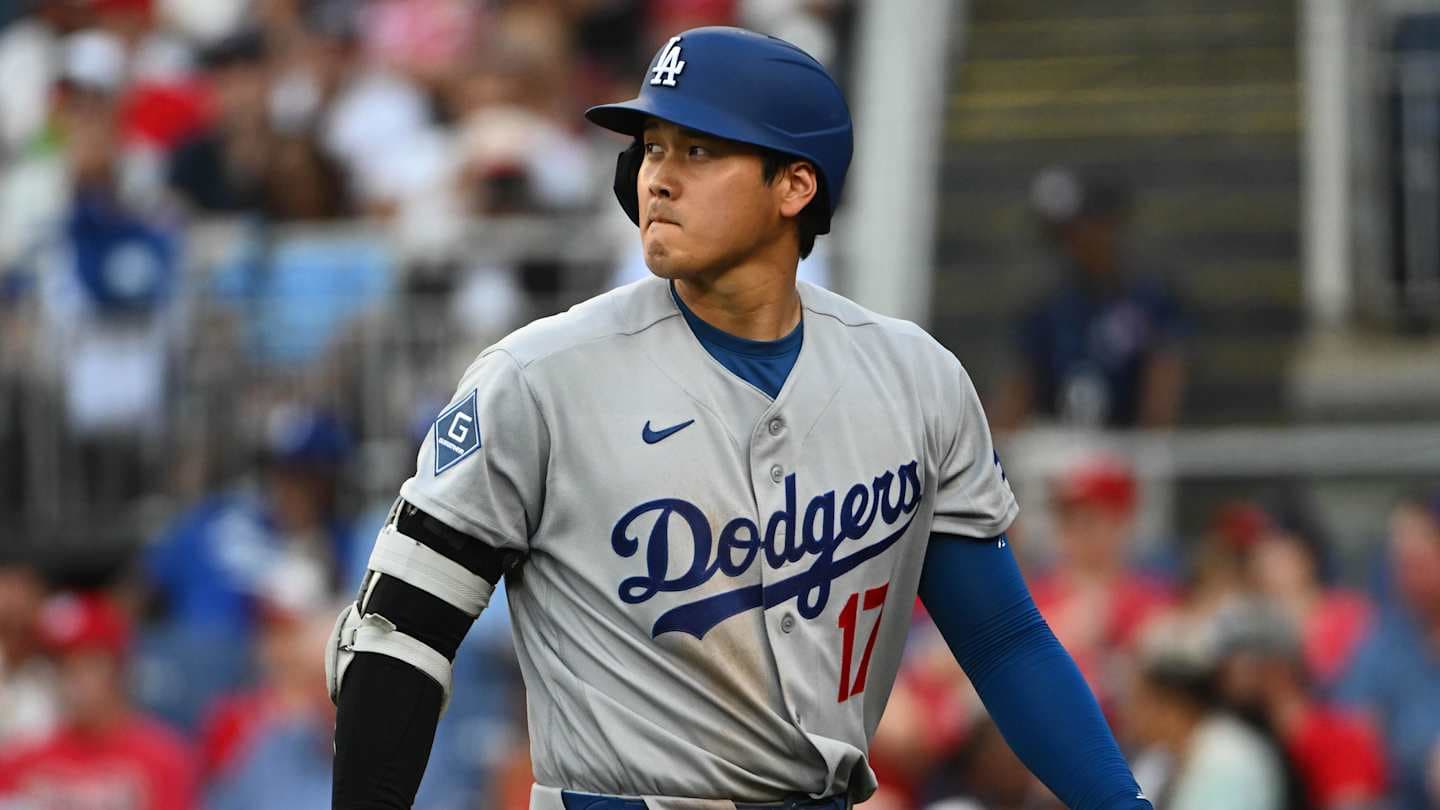
Even the game’s two most transformative figures—Shohei Ohtani and Aaron Judge—are approaching the twilight of their primes. Ohtani, the two-way sensation who has redefined what it means to be a superstar, will turn 32 in July 2026. Judge, the towering slugger whose 62-home-run season in 2022 remains etched in baseball lore, is already 33. While both will likely remain elite performers, their physical decline is inevitable. Their legacies are secure, but their ability to sustain MVP-caliber play at an advanced age is uncertain. The same goes for the next tier of stars: Mike Trout (34 by the end of 2026), Mookie Betts (33), José Altuve (36), and Francisco Lindor (33). These players have defined the past decade, but their primes are behind them, leaving a void that a new crop of young stars will soon fill.
The Pitching Armageddon: Velocity, Spin, and the Death of the Umpire
For decades, the home plate umpire was the most scrutinized—and often the most maligned—figure in baseball. The rise of high-velocity fastballs, breaking pitches with 3,000+ rpm spin rates, and the increasing reliance on data-driven pitch framing meant that even the best umpires were bound to make mistakes. Enter the Automated Ball-Strike (ABS) system, which has already begun to reshape the game. Introduced in 2024, ABS allows managers and players to challenge umpire calls in real time, with the final decision rendered by a computer-generated strike zone. The system has been a revelation for fans, who have long clamored for a more objective approach to officiating. Within weeks of its implementation, ABS exposed egregious errors by umpires, earning plaudits from players, managers, and pundits alike.
“The job of calling balls and strikes has never been harder. With pitchers throwing 100 mph with 3,000-rpm breaking balls, it’s nearly impossible for a human to be perfect. ABS isn’t just fixing mistakes—it’s making the game fairer and more competitive.” — MLB analyst and former pitcher Dallas Braden
But ABS is likely just the first step. Within the next decade, baseball could fully automate its strike zone, eliminating umpires from the equation entirely. This would mark a seismic shift in the sport, one that could accelerate the pace of play and reduce human error—but it would also strip away one of the last vestiges of baseball’s traditionalism. The move toward automation reflects broader technological trends in sports, from VAR in soccer to the NFL’s use of sideline video reviews. Yet in baseball, where tradition and nostalgia run deep, the elimination of umpires from the strike zone represents a cultural as well as a technical upheaval.
The Financial Fault Lines: RSNs Collapse, Revenue Sharing, and the Dodgers-Padres Arms Race
Baseball’s economic order has long been dictated by market size, with teams in large media markets—particularly the New York Yankees, Los Angeles Dodgers, and Chicago Cubs—enjoying vast financial advantages. For decades, these advantages were cemented by lucrative local television deals, which generated hundreds of millions in revenue annually. But the regional sports network (RSN) model, which once seemed unassailable, has crumbled. Cord-cutting, the rise of streaming services, and the collapse of traditional cable subscriptions have gutted RSN revenue, leaving teams like the Atlanta Braves, Texas Rangers, and even the Dodgers scrambling to renegotiate deals in a drastically diminished market.
The Padres’ Wild Bet and the Dodgers’ Billion-Dollar Response
No franchise embodied the fragility of baseball’s financial model more than the San Diego Padres under the late owner Peter Seidler. In a bold—and ultimately successful—gamble to end the franchise’s 52-year championship drought, Seidler spent aggressively, inking seven nine-figure contracts between 2018 and 2023. The strategy paid off in 2022 when the Padres dethroned the Dodgers in the National League Division Series, a seismic upset that sent shockwaves through the sport. The Dodgers, already one of baseball’s financial heavyweights, responded with a fury. Under owner Stan Kasten and president of baseball operations Andrew Friedman, the Dodgers committed billions to reassert their dominance, signing superstars like Mookie Betts, Trea Turner, and Freddie Freeman while developing a farm system that rivals any in the game.
The result is a league where the gap between the haves and have-nots has never been wider. The Dodgers’ payroll in 2024 exceeded $300 million, while the Oakland Athletics’ payroll dipped below $50 million. The disparity isn’t just financial—it’s existential. Small-market teams struggle to compete, while the Dodgers and Yankees operate in a league of their own. This imbalance has created simmering tension across the sport, with owners and players alike eyeing the 2026 CBA negotiations as a chance to reset the economic playing field.
The Looming Labor Battle: Salary Caps, Luxury Taxes, and the Specter of a 2027 Lockout
The most contentious issue in the upcoming CBA negotiations isn’t just about money—it’s about control. Owners, led by MLB commissioner Rob Manfred, have made it clear that they want to impose a salary cap, a move that would fundamentally alter the sport’s labor structure. Players, represented by the MLB Players Association (MLBPA), have long resisted caps, arguing that they stifle earning potential and competitive balance. The divide is stark, and most insiders believe that a salary cap is the issue most likely to trigger a lockout in 2027, potentially costing games and derailing the season before it even begins.
The Push for a Salary Floor and the NBA-Style Apron System
While a true salary cap seems unlikely, owners are pushing for a salary floor—a minimum amount teams must spend on player salaries each year. This would prevent wealthy teams from hoarding talent without investing in player development or major-league rosters. Additionally, owners are advocating for a harsher luxury tax system, modeled after the NBA’s “apron” rules. Under this system, teams that exceed the luxury tax threshold would face draconian penalties, including the loss of draft picks, restrictions on international spending, and trade limitations. The goal is to deter runaway spending while maintaining a semblance of competitive balance.
The MLBPA, however, has shown little appetite for conceding ground. Players’ salaries have surged in recent years, with the average MLB salary reaching $5.8 million in 2024, up from $4.1 million in 2019. Superstars like Aaron Judge ($40 million in 2024) and Shohei Ohtani ($30 million) command salaries that dwarf those of even the NBA’s highest-paid players. The union’s resistance to a cap or floor stems from a belief that such measures would suppress wages and limit career earnings. “Owners want to put a ceiling on how much players can earn while they continue to rake in billions,” said a senior MLBPA official, speaking on condition of anonymity. “That’s not a negotiation—it’s a power grab.”
The Collapse of the RSN Model and the Future of Revenue Sharing
The death of the RSN model has exposed a fundamental flaw in baseball’s economic structure: its overreliance on local television revenue. For decades, teams like the Yankees and Dodgers generated hundreds of millions annually from cable deals, allowing them to spend lavishly on free agents while smaller-market teams struggled to keep up. But as cord-cutting accelerates and streaming services like Amazon Prime, Apple TV+, and MLB’s own service dominate the media landscape, traditional RSNs are becoming relics. The New York Yankees’ $1.2 billion deal with YES Network in 2019 now looks like an outlier rather than a blueprint.
The Shift to Centralized Revenue Sharing
In response, MLB is considering a radical overhaul of its revenue-sharing model. The current system, which allows teams to keep a majority of their local television revenue, is widely seen as unsustainable. Under a proposed centralized model, all television revenue—local and national—would be pooled and distributed evenly among the 30 teams. This would level the playing field somewhat, though big-market teams would still retain advantages in sponsorship and merchandise revenue. The proposal is expected to be a cornerstone of the 2026 CBA negotiations, with owners and players divided over its fairness. “Revenue sharing is about survival for small-market teams,” said one front-office executive. “Without it, the gap between the haves and have-nots will only widen.”
The Broader Implications: Baseball as a Microcosm of America’s Economic Divide
Baseball has long mirrored broader societal trends, from racial integration in the 1940s to the steroid era’s parallels with corporate greed in the 1990s. Today, the sport’s financial and labor battles reflect America’s widening economic divide. The concentration of wealth in a handful of franchises—particularly the Dodgers, Yankees, and Red Sox—mirrors the dominance of tech giants and Wall Street firms in the broader economy. Meanwhile, the push for automation and data-driven decision-making mirrors the rise of artificial intelligence in industries from manufacturing to finance. Baseball’s transformation isn’t just about the game—it’s a reflection of the forces reshaping the American economy.
What’s Next? Preparing for Baseball’s Uncertain Future
For fans, the next two years present a paradox: enjoy the final season of baseball as we know it while bracing for the unknown. The 2026 season could be a swan song for the modern era, a last hurrah for the players who defined a generation and the economic structures that have governed the sport for decades. But it could also be the spark that ignites a new golden age—one defined by fairness, innovation, and competitive balance. The question is whether owners and players can find common ground before the inevitable clash of labor and economics forces the sport into uncharted territory.
Frequently Asked Questions About MLB’s 2026 Season and Beyond
Frequently Asked Questions
- Will the 2026 MLB season be affected by a lockout?
- A lockout is a distinct possibility in 2027 if owners and players fail to reach a new CBA agreement. The most contentious issue—salary cap negotiations—could derail negotiations, leading to lost games. The 2026 season is expected to proceed as scheduled, but the specter of a work stoppage looms large.
- How will automated strike zones change baseball?
- Automated Ball-Strike (ABS) systems are already correcting umpire errors in real time. Within a decade, baseball may fully automate its strike zone, eliminating human umpires from officiating balls and strikes. This would speed up the game and reduce controversy but could also strip away traditional elements of the sport.
- What is the biggest financial threat to small-market MLB teams?
- The collapse of regional sports networks (RSNs) is the primary financial threat. Without lucrative local TV deals, small-market teams struggle to compete with big-market franchises like the Dodgers and Yankees. Revenue sharing reforms are seen as the best solution, but negotiations remain contentious.