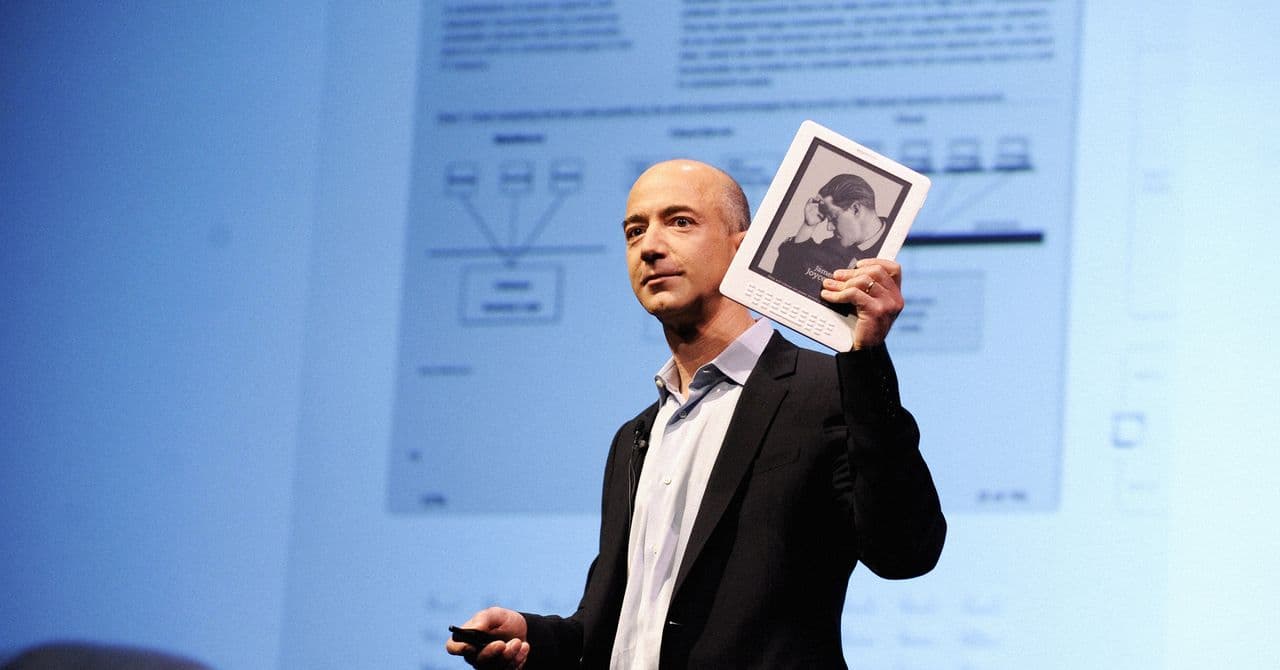
Amazon has delivered a digital eulogy to a generation of Kindle devices, announcing that all Kindle e-readers and Kindle Fire tablets released in 2012 or earlier will lose access to the Kindle Store after May 20, 2026. The move affects models dating back to the original Kindle from 2007, including the Kindle DX, DX Graphite, and the first-generation Kindle Paperwhite, effectively severing millions of users from new content purchases on hardware they likely paid hundreds of dollars for. While existing books downloaded to these devices will remain readable, any attempt to deregister or factory reset them after the deadline will lock users out permanently, according to a company spokesperson. The decision underscores Amazon’s accelerating push to phase out legacy hardware in favor of its newer, more secure platforms—echoing similar lifecycle management strategies employed across the tech industry.
Which Kindle and Kindle Fire Models Are Affected by Amazon’s 2026 Shutdown?
Amazon’s discontinuation sweep targets a sprawling lineage of devices that laid the foundation for its e-reader and tablet dominance. The affected list spans 15 years of innovation—or obsolescence, depending on perspective—starting with the iconic original Kindle from 2007, which introduced millions to digital reading with its physical keyboard and signature scroll wheel. The list also includes the Kindle DX (2009 and 2010 models), a premium device designed for textbook and PDF reading, and the first-generation Kindle Paperwhite (2012), which revolutionized e-ink displays with its built-in front light.
Full List of Discontinued Amazon Devices
- Kindle (2007 model with full keyboard and scroll wheel)
- Kindle 2, 2 International, and 2 DX (2009)
- Kindle Keyboard (2010)
- Kindle Touch (2011)
- Kindle Paperwhite 1st Generation (2012)
- Kindle Fire (1st Generation, 2011)
- Kindle Fire HD (1st Generation, 2012)
- Kindle Fire HD 8.9" (1st Generation, 2012)
For Kindle Fire tablets, the cutoff is similar: devices released before 2013 will no longer be able to purchase or download new books from the Kindle Store. However, Amazon emphasizes that other apps and services—including web browsing, media playback, and app installations—will continue to function normally on these older tablets, sparing users from total device obsolescence.
What Happens to Your Kindle After May 20, 2026?
Starting next year, users of affected devices will face a cascading set of limitations. First and foremost, the Kindle Store will become inaccessible on these older devices, meaning no new books, magazines, or audiobooks can be purchased or borrowed. Users will still be able to access any content already downloaded to their devices indefinitely, provided the device remains functional and registered. However, if a user deregisters their Kindle or performs a factory reset after the deadline, they will be unable to re-register the device, effectively rendering it a static e-ink slab with no future access to Amazon’s digital ecosystem.
Workarounds and Alternatives for Affected Users
Amazon is not abandoning long-time customers without a lifeline. Users can still read their existing libraries on newer Kindle devices, or via the Kindle mobile app for iOS and Android, the Kindle for Web browser version, or the Kindle for PC/Mac applications. This means that even if an older Kindle becomes a paperweight, its content can live on through other platforms. Additionally, Amazon is offering a limited-time incentive: a 20% discount on new Kindle e-readers and a $20 ebook credit added to the user’s account after upgrading. This promotion is valid until June 20, 2026, at 11:59 PM PT.
We’re committed to providing the best reading experience, and as technology evolves, we regularly update our services to ensure security, performance, and compatibility. This change helps us focus resources on delivering new features and improvements to customers with supported devices. — Amazon spokesperson Jackie Burke
Why Is Amazon Ending Support for These Devices Now?
The decision to end support for pre-2013 Kindles and Kindle Fires reflects a broader strategy at Amazon to prioritize modern hardware that can run updated security protocols, support newer software features, and align with its evolving digital ecosystem. In 2016, Amazon already forced users of several pre-2013 Kindles to update their software to maintain access to the Kindle Store—a move that was met with frustration but ultimately complied with. A decade later, the company appears to be taking the next logical step: acknowledging that these devices, while historically significant, are no longer compatible with its current infrastructure.
The Technical and Security Imperative
Technology companies frequently sunset old hardware to address critical concerns like security vulnerabilities, software incompatibilities, and the inability to roll out performance updates. Older Kindles, for instance, often run on outdated operating systems and browsers that cannot support modern encryption standards or access newer web-based features. By discontinuing support, Amazon reduces its exposure to potential cybersecurity risks and ensures that its entire ecosystem—from the Kindle Store to cloud syncing—remains secure and stable for the majority of users. This approach mirrors actions taken by Apple, Microsoft, and Google, which routinely retire support for devices after a set period to streamline development and protect user data.
What This Means for Longtime Kindle Users and the E-Reader Market
For the estimated millions of users who have relied on these devices for over a decade, the news is a bittersweet reminder of digital impermanence. Many early Kindle adopters built extensive personal libraries and developed deep reading habits around these devices, only to now face the reality that their hardware has reached its natural end-of-life. This transition also highlights the broader shift in the e-reader market, where hardware innovation has slowed, and companies increasingly focus on software ecosystems, subscriptions, and cloud-based services rather than physical device upgrades.
The Evolution of the Kindle Platform
Since the launch of the original Kindle in 2007, Amazon has sold over 300 million e-readers worldwide, with the Kindle brand becoming synonymous with digital reading. However, the pace of hardware innovation has slowed significantly in recent years. The last major hardware refresh was the Kindle Scribe in 2022, which introduced note-taking capabilities, signaling a pivot toward premium, productivity-focused devices. Meanwhile, software updates have increasingly focused on integration with Amazon’s broader ecosystem, including Kindle Unlimited, Audible, and Amazon Prime Reading—all of which require modern devices to function optimally.
How to Prepare for the 2026 Kindle Shutdown
Amazon has committed to notifying affected users via email ahead of the May 20, 2026 deadline, providing clear instructions on what will and won’t be possible with their devices. Users are advised to take several proactive steps to avoid disruption. First, they should review their current library and ensure all desired titles are downloaded to their devices or backed up to another platform. Second, they may consider upgrading to a newer Kindle model eligible for the 20% discount and $20 ebook credit. Finally, users should avoid deregistering their old devices or performing factory resets after the deadline, as this would permanently sever their access to Amazon’s digital ecosystem.
Steps to Take Before the Deadline
- Download any remaining titles from the Kindle Store to your current device or back them up via the Kindle app.
- Check your Amazon account to verify that all purchases are accounted for and synced across devices.
- Consider upgrading to a supported Kindle model before June 20, 2026, to take advantage of the discount and credit.
- Avoid deregistering or resetting your older device after May 20, 2026, to preserve access to your existing library.
- Explore Kindle Unlimited or other Amazon reading services if you’re looking to expand your digital library.
The Broader Implications for Digital Ownership and Longevity
Amazon’s decision raises important questions about digital ownership and the longevity of purchased content. Unlike physical books, which can be stored indefinitely, digital purchases are often tethered to the platforms and devices that sold them. This case underscores a growing tension between consumers—who may view their purchases as assets—and companies that reserve the right to withdraw access at any time. The move also reflects a shift in how tech companies view hardware: not as standalone products, but as gateways to ongoing subscription services and data-driven ecosystems.
Key Takeaways: What You Need to Know About Amazon’s Kindle Shutdown
- Amazon will end Kindle Store access for all devices released in 2012 or earlier starting May 20, 2026.
- Affected devices include the original Kindle (2007), Kindle DX, and first-gen Kindle Paperwhite, among others.
- Existing books on devices will remain readable, but users won’t be able to purchase or borrow new content.
- Amazon is offering a 20% discount on new Kindles and a $20 ebook credit for upgrades completed by June 20, 2026.
- Users are advised to back up their libraries and avoid deregistering or resetting older devices after the deadline.
Frequently Asked Questions About Amazon’s Kindle Shutdown
Frequently Asked Questions
- Can I still use my old Kindle after May 20, 2026?
- Yes, you can continue reading any books already downloaded to your device. However, you won’t be able to purchase or borrow new content from the Kindle Store, and deregistering or resetting the device will permanently lock you out of Amazon’s ecosystem.
- Will my old Kindle still connect to Wi-Fi?
- Yes, your old Kindle can still connect to Wi-Fi for functions like reading downloaded books, but it will no longer be able to access the Kindle Store or sync new purchases. Other apps and services on Kindle Fire devices will continue to work normally.
- How do I upgrade to a new Kindle and get the discount?
- Amazon will provide upgrade instructions via email to affected users. You can purchase a supported Kindle model at a 20% discount and receive a $20 ebook credit added to your account after the upgrade. The offer is valid through June 20, 2026.