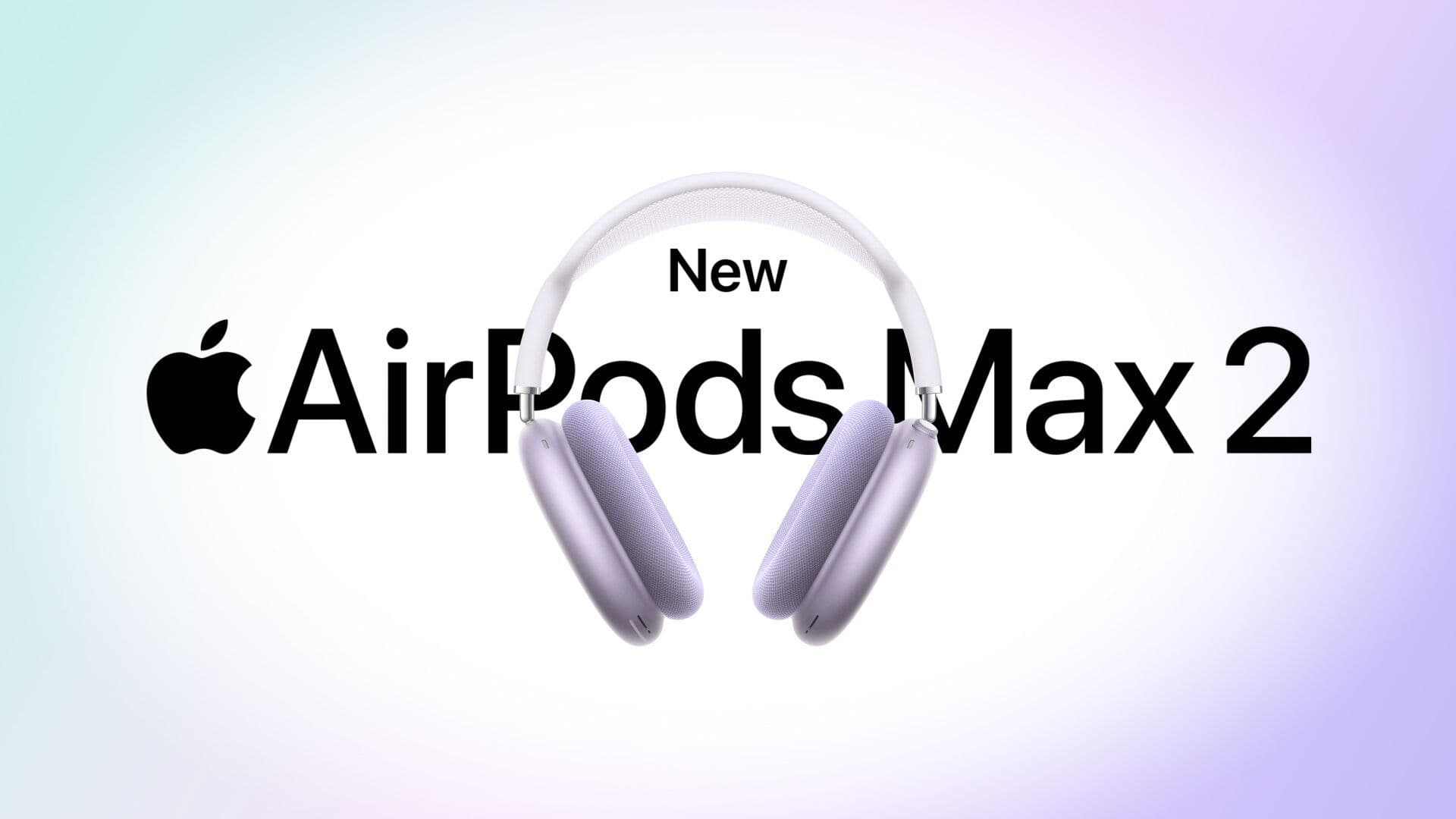
Apple has officially unveiled the AirPods Max 2, the highly anticipated successor to its premium over-ear headphones, introducing a suite of hardware and software enhancements powered by the company’s new H2 chip. On March 25, 2025, Apple announced that the AirPods Max 2 would be available for pre-order in the U.S. and over 30 other countries, with general availability slated for early April. Retaining the same iconic design as its predecessor, the new model delivers a significantly upgraded audio experience through advanced computational features, improved noise cancellation, and artificial intelligence-driven functionalities such as Live Translation and Conversation Awareness. Priced at $549—the same as the original AirPods Max—the updated headphones mark a strategic refresh in Apple’s premium audio lineup, reflecting the company’s ongoing investment in seamless integration between hardware, software, and AI.
- The AirPods Max 2 features the new H2 chip, delivering up to 1.5× more effective active noise cancellation and improved sound quality compared to the original model.
- New AI-powered features include Adaptive Audio, Conversation Awareness, Voice Isolation, and Live Translation, enhancing both personal and professional communication.
- The headphones retain the same $549 price point and design but introduce Bluetooth 5.3, a Camera Remote feature for iPhone/iPad users, and a high dynamic range amplifier for cleaner audio.
- Pre-orders begin on March 25, 2025, with availability in early April across Apple retail channels and third-party retailers.
Why Apple’s AirPods Max 2 Matters in the Premium Headphone Market
The launch of the AirPods Max 2 arrives at a pivotal moment for Apple, which has faced intensifying competition in the premium headphone segment from brands like Sony, Bose, and Sennheiser. Since the original AirPods Max debuted in December 2020, Apple has maintained a dominant position in the wireless audio market, thanks in part to its seamless integration with the iPhone, iPad, and Mac ecosystems. However, rivals have closed the gap in key areas such as noise cancellation, battery life, and customization. By introducing the H2 chip—a successor to the H1 chip in the first-generation model—Apple is doubling down on computational audio, a strategy that has become a cornerstone of its differentiation strategy. The H2 chip enables real-time audio processing, allowing features like Adaptive Audio to dynamically adjust noise cancellation and transparency based on the user’s environment, whether they are in a bustling café, a noisy airplane, or a quiet office. This aligns with Apple’s broader push into artificial intelligence and on-device processing, as seen in its Apple Intelligence framework, which powers features like Live Translation.
Key Hardware and Software Upgrades in the AirPods Max 2
The H2 Chip: The Brain Behind the Upgrades
At the heart of the AirPods Max 2’s improvements is the H2 chip, a custom-designed audio processor that replaces the H1 chip in the original model. Apple claims the H2 delivers up to 1.5 times more effective active noise cancellation (ANC), a critical selling point for users who prioritize immersion in music or need to block out distractions in loud environments. The chip also enhances Transparency mode, making ambient sounds feel more natural, which is particularly useful for safety-conscious listeners or those navigating busy streets. Additionally, the H2 chip introduces improved Spatial Audio processing, ensuring that surround sound effects—whether from Apple’s own catalog or third-party content—are rendered with greater precision and depth. This is complemented by a new high dynamic range (HDR) amplifier that promises "even cleaner audio" by reducing distortion and improving dynamic range, a technical advancement that audiophiles and casual listeners alike will notice.
AI-Powered Features: Adaptive Audio, Conversation Awareness, and More
Apple’s integration of artificial intelligence into the AirPods Max 2 represents a significant leap forward in user experience. One of the most innovative additions is Adaptive Audio, which uses the H2 chip to automatically adjust the balance between noise cancellation and Transparency mode based on the wearer’s surroundings. For example, if you’re listening to music in a train station with loud announcements, the system will prioritize noise cancellation. If someone starts speaking to you, it will seamlessly shift to Transparency mode to let their voice through while still blocking background chatter. This feature leverages Apple’s on-device AI capabilities, ensuring that processing happens locally for minimal latency and enhanced privacy.
Conversation Awareness is another AI-driven feature that dynamically lowers the volume of your audio content and reduces background noise when it detects you starting a conversation with someone nearby. This is particularly useful in shared workspaces or social settings where you might want to pause your music or podcast to engage with others. Voice Isolation, meanwhile, is designed to prioritize your voice during calls by blocking out ambient noise, making it ideal for remote workers or frequent callers who need crystal-clear communication. Perhaps the most groundbreaking addition is Live Translation, which uses Apple Intelligence to provide real-time translation during in-person conversations. While Apple has not detailed the specific languages supported at launch, this feature positions the AirPods Max 2 as a tool for global communication, bridging language barriers in meetings, travel, or everyday interactions.
Connectivity and Battery Life: What’s Changed Under the Hood
The AirPods Max 2 retains the same sleek, over-ear design as its predecessor, but internal upgrades have led to several notable improvements. The headphones now support Bluetooth 5.3, a step up from the Bluetooth 5.0 in the original model, which promises more stable connections, faster pairing, and lower latency. This is especially beneficial for gamers or users who rely on wireless audio for video calls, as it reduces the lag between audio and visual cues. The headphones also feature a new high dynamic range amplifier that enhances sound clarity, particularly in the low and high frequencies, ensuring a more balanced audio profile.
Battery life remains consistent with the original model at up to 20 hours per charge when active noise cancellation is enabled—a critical metric for frequent travelers or long listening sessions. The AirPods Max 2 still lack a power button, relying instead on the Smart Case to enter an ultra-low-power state when stored, a design choice that has drawn criticism in the past. However, the inclusion of USB-C charging, replacing the Lightning port introduced in the first generation, aligns with Apple’s broader industry shift and makes the headphones compatible with the growing ecosystem of USB-C devices. For wired listening, the AirPods Max 2 continue to support 24-bit, 48 kHz lossless audio via USB-C, ensuring audiophile-grade playback when connected to a compatible device.
New Features for Creators and Professionals: Camera Remote and Personalized Volume
Recognizing the diverse use cases of its premium headphones, Apple has added features tailored to creators and professionals. The Camera Remote function allows users to press the Digital Crown on the AirPods Max 2 to take photos or start/stop video recording using the iPhone or iPad Camera app or compatible third-party apps. This hands-free control is particularly useful for vloggers, photographers, or anyone who needs to capture moments without fumbling with their device. Additionally, Personalized Volume adjusts the playback volume based on the user’s surroundings and listening habits, ensuring a consistent audio experience whether you’re in a quiet room or a noisy environment. This feature learns from your usage patterns over time, making subtle adjustments to compensate for background noise or changes in your preferred volume level.
Pricing, Availability, and the Future of Apple’s Premium Headphones
The AirPods Max 2 will be available for pre-order starting March 25, 2025, at Apple.com and in the Apple Store app, with general availability set for early April. Priced at $549—unchanged from the original model—Apple is positioning the AirPods Max 2 as a direct successor rather than a budget-friendly alternative. The company has discontinued the original AirPods Max, making the new model the sole option in its premium over-ear lineup. Apple is also offering the same five color options: Midnight, Starlight, Orange, Purple, and Blue, ensuring continuity with the aesthetic preferences of its user base.
The launch of the AirPods Max 2 reflects Apple’s strategy to refine and enhance its existing products rather than overhaul them, a approach reminiscent of its "Snow Leopard" philosophy for software updates. Just as Apple prioritized performance and stability in Mac OS X Snow Leopard (2009), the AirPods Max 2 focuses on incremental but meaningful improvements in audio quality, AI integration, and user experience. This strategy allows Apple to maintain its premium pricing while delivering tangible benefits that justify the upgrade for existing users. Industry analysts expect that the AirPods Max 2 will further solidify Apple’s dominance in the high-end headphone market, particularly as competitors like Sony and Bose continue to push the boundaries of noise cancellation and AI-driven features.
How the AirPods Max 2 Compares to Competitors
Sony WH-1000XM5 vs. AirPods Max 2
Sony’s WH-1000XM5 headphones have long been considered the gold standard in noise cancellation, offering industry-leading ANC and a comfortable fit for long listening sessions. However, the AirPods Max 2’s Adaptive Audio and AI-powered features give it an edge in personalization and contextual awareness. While Sony excels in pure noise cancellation performance, Apple’s integration with its ecosystem—including iPhones, iPads, and Macs—provides a more seamless experience for users already invested in the Apple ecosystem. Additionally, the AirPods Max 2’s Spatial Audio support and lossless audio playback via USB-C are competitive advantages for audiophiles.
Bose QuietComfort Ultra vs. AirPods Max 2
Bose’s QuietComfort Ultra headphones are known for their superior comfort and immersive soundstage, particularly with Bose’s proprietary Immersive Audio technology. However, the AirPods Max 2’s H2 chip and AI features like Conversation Awareness and Live Translation set it apart in terms of smart functionality. Bose’s headphones also lack the same level of ecosystem integration as Apple’s, making the AirPods Max 2 a more compelling choice for users who rely on Apple devices for work and entertainment.
The Role of Apple Intelligence in the AirPods Max 2
Apple Intelligence, the company’s AI framework announced in 2024, plays a crucial role in the AirPods Max 2’s new features. Live Translation, for instance, leverages on-device AI to process spoken language in real time, ensuring privacy and low latency. This is a significant departure from cloud-based translation services, which often require an internet connection and raise privacy concerns. Conversation Awareness and Voice Isolation also rely on Apple Intelligence to analyze ambient sounds and prioritize the user’s voice, respectively. By embedding AI directly into the H2 chip, Apple is reducing its dependence on external servers, a move that aligns with its commitment to user privacy and performance.
What’s Next for Apple’s Headphone Lineup?
While the AirPods Max 2 represents a significant upgrade, industry observers are already speculating about Apple’s long-term plans for its headphone lineup. Rumors suggest that Apple may eventually introduce a lighter, more portable version of the AirPods Max, potentially with a foldable design or a focus on battery efficiency. Additionally, as Apple continues to expand its Apple Intelligence capabilities, future iterations of the AirPods Max could incorporate even more advanced AI features, such as real-time transcription during calls or context-aware audio adjustments based on the user’s activity (e.g., switching to Transparency mode automatically when detecting a conversation). The company’s emphasis on computational audio and AI-driven personalization indicates that these headphones will remain a key focus for innovation in the years to come.
Frequently Asked Questions
Frequently Asked Questions
- When will the AirPods Max 2 be available for purchase?
- Pre-orders for the AirPods Max 2 begin on March 25, 2025, with general availability set for early April 2025 in the U.S. and over 30 other countries.
- What is the price of the AirPods Max 2?
- The AirPods Max 2 is priced at $549, the same as the original model. Apple has discontinued the original AirPods Max, making the new model the sole option in its premium over-ear lineup.
- Does the AirPods Max 2 support lossless audio?
- Yes, the AirPods Max 2 supports 24-bit, 48 kHz lossless audio via its USB-C port, ensuring high-quality wired playback for audiophiles.