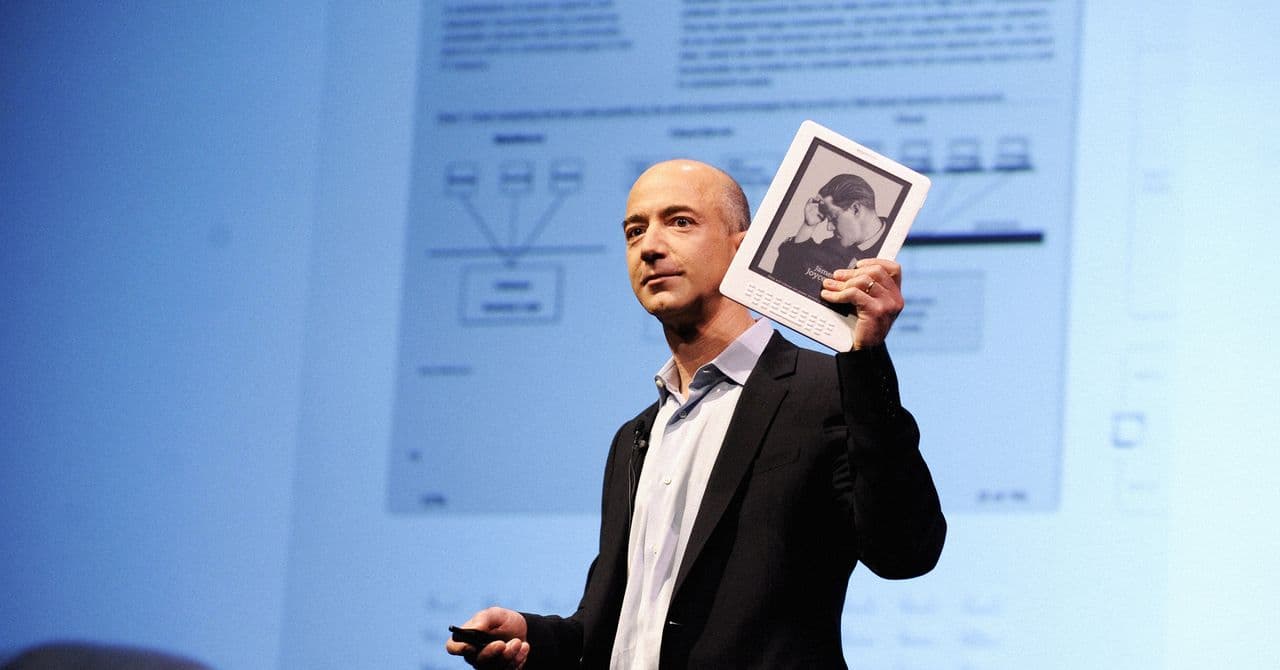
Amazon is phasing out software support for its earliest Kindle devices, cutting off access to the Kindle Store for owners of models released in 2012 or earlier. Starting May 20, the first- and second-generation Kindles, Kindle DX, Kindle Keyboard, Kindle 4, Kindle Touch, Kindle 5, and first-generation Kindle Paperwhite will no longer connect to Amazon’s digital bookstore. Kindle Fire tablets will also lose ebook purchasing capabilities, though other functions may remain operational. The move forces millions of users to either purchase new devices, rely on locally stored books, or abandon Amazon’s ecosystem entirely—a decision that underscores the growing challenge of software obsolescence in a market dominated by planned device lifespans.
Why Amazon Is Ending Support for Older Kindles: A Shift Toward Modernization and Profit
The discontinuation of Kindle Store access for pre-2013 devices reflects Amazon’s broader strategy to streamline its ecosystem and prioritize newer hardware. According to industry analysts, the company has increasingly focused on integrating advanced features like adjustable warm light, faster processors, and enhanced connectivity into its latest models. By cutting off support for older devices, Amazon can reduce maintenance costs, improve security protocols, and push users toward purchasing new e-readers—many of which come with premium pricing. The move also aligns with Amazon’s push to transition customers from one-time hardware sales to recurring revenue streams, such as Kindle Unlimited subscriptions and ebook purchases.
The Financial Incentive: Discounts and Credits to Drive Upgrades
To soften the blow, Amazon is offering a 20% discount on new Kindle devices along with a $20 ebook credit for customers who use a promotional code sent via email. The discounts apply to models like the Kindle Paperwhite Signature Edition and Kindle Scribe, which start at $130 and $300, respectively. While the incentive may sway some users, critics argue it still places a financial burden on loyal customers who have relied on their devices for over a decade. The average lifespan of a Kindle device is roughly 5-7 years, making the 2012 cutoff date an unusually early cut for a product marketed as durable and long-lasting.
Which Devices Are Affected and What Happens Next?
- Kindle (1st and 2nd generation)
- Kindle DX and Kindle DX Graphite
- Kindle Keyboard
- Kindle 4 and Kindle 5
- Kindle Touch
- Kindle Paperwhite (1st generation)
- Kindle Fire tablets (ebook purchasing only)
Users with affected devices will retain access to their existing ebook libraries, provided the books were downloaded before May 20. However, they will no longer be able to browse or purchase new titles from the Kindle Store. Amazon has confirmed that manually transferring documents via USB cable remains a viable workaround, though the process lacks the convenience of wireless downloads. The company has not clarified whether third-party apps like Libby, which rely on the Kindle Store for ebook delivery, will continue to function seamlessly.
The Broader Trend: The Growing Problem of Device Obsolescence
Amazon’s decision is part of a wider industry pattern where companies systematically phase out support for older hardware to drive sales of new products. Recent examples include Netflix discontinuing support for nearly 87 million older devices in February 2024, Spotify ending support for its Car Thing in 2024, and Google discontinuing software updates for older Nest thermostats by 2025. These moves raise ethical questions about planned obsolescence—a practice where manufacturers deliberately shorten a product’s lifespan to encourage repeat purchases. Environmental advocates warn that such policies contribute to the 53.6 million metric tons of e-waste generated globally each year, as consumers discard functional devices in favor of newer models.
The Environmental Cost of E-Reader Lifespans
The average e-reader contains materials like lithium-ion batteries, rare earth metals, and plastics, all of which are difficult to recycle. When users discard older Kindles in favor of newer models, the environmental impact extends beyond the device itself. Amazon has not announced a trade-in or recycling program specifically for affected Kindles, though the company does offer a general electronics recycling service for a fee. For users looking to minimize waste, selling or donating functional older devices remains an option, though compatibility with newer ecosystems may be limited.
Alternatives for Displaced Kindle Users: Beyond Amazon’s Ecosystem
For users reluctant to upgrade or remain within Amazon’s ecosystem, several alternatives exist. The Kobo Libra 2 and Barnes & Noble’s Nook devices support open formats like EPUB, allowing users to purchase ebooks from multiple sources. Online platforms like Bookshop.org, which partners with independent booksellers, now offer ebook sales with proceeds supporting local bookstores. Additionally, users can access their Amazon Kindle libraries through the Kindle Cloud Reader or the Kindle app on smartphones and tablets, though the experience may lack the tactile satisfaction of a dedicated e-reader.
Key Takeaways: What You Need to Know About the Kindle Store Shutdown
- Amazon will block access to the Kindle Store for devices older than 2012 starting May 20, 2024.
- Users can still read downloaded books and manually transfer new documents via USB, but no new purchases are allowed.
- Amazon is offering a 20% discount and a $20 ebook credit to incentivize upgrades to newer Kindle models.
- The move reflects a broader industry trend of phasing out support for older devices to drive hardware sales and recurring revenue.
- Environmental concerns are mounting as e-waste from discarded e-readers continues to rise globally.
Reactions from Users and Industry Analysts
Social media platforms have lit up with reactions from long-time Kindle users, many of whom express frustration over the abrupt end of support. A Reddit user with a first-generation Kindle Paperwhite commented, “I bought my device in 2012 for $120. Now Amazon wants me to spend another $100+ to keep using it? That’s absurd.” Tech analysts, however, argue that the decision is a natural evolution of a competitive market. “Amazon’s move isn’t surprising given the pace of innovation in e-readers,” said tech journalist David Pierce. “But it does highlight the trade-offs between convenience and longevity.”
How to Prepare for the Kindle Store Shutdown
Users with affected devices should take several steps to mitigate the impact of the shutdown. First, download any remaining ebooks from the Kindle Store before May 20 to ensure continued access. Second, explore alternative reading platforms like Kobo or Bookshop.org if switching away from Amazon is appealing. Third, consider transferring personal documents to the device via USB cable or emailing them to the Kindle’s unique address (e.g., yourname@kindle.com). Finally, evaluate whether upgrading to a newer Kindle model aligns with your reading habits and budget.
Frequently Asked Questions
Frequently Asked Questions
- Which Kindle devices will lose access to the Kindle Store on May 20?
- Amazon will discontinue Kindle Store access for any device released in 2012 or earlier, including the first- and second-generation Kindles, Kindle DX, Kindle Keyboard, Kindle 4, Kindle Touch, Kindle 5, and the first-generation Kindle Paperwhite. Kindle Fire tablets will also lose ebook purchasing capabilities.
- Can I still use my old Kindle after May 20?
- Yes, you can continue using your old Kindle to read books you’ve already downloaded. However, you won’t be able to purchase new ebooks from the Kindle Store. Manual document transfers via USB cable are still possible, though the process is less convenient than wireless downloads.
- What are my alternatives if I don’t want to upgrade to a new Kindle?
- You can access your Kindle library through the Kindle Cloud Reader or the Kindle app on smartphones and tablets. Alternatively, consider switching to e-readers like Kobo or Barnes & Noble’s Nook, which support open formats like EPUB. Platforms like Bookshop.org also offer ebooks while supporting independent bookstores.