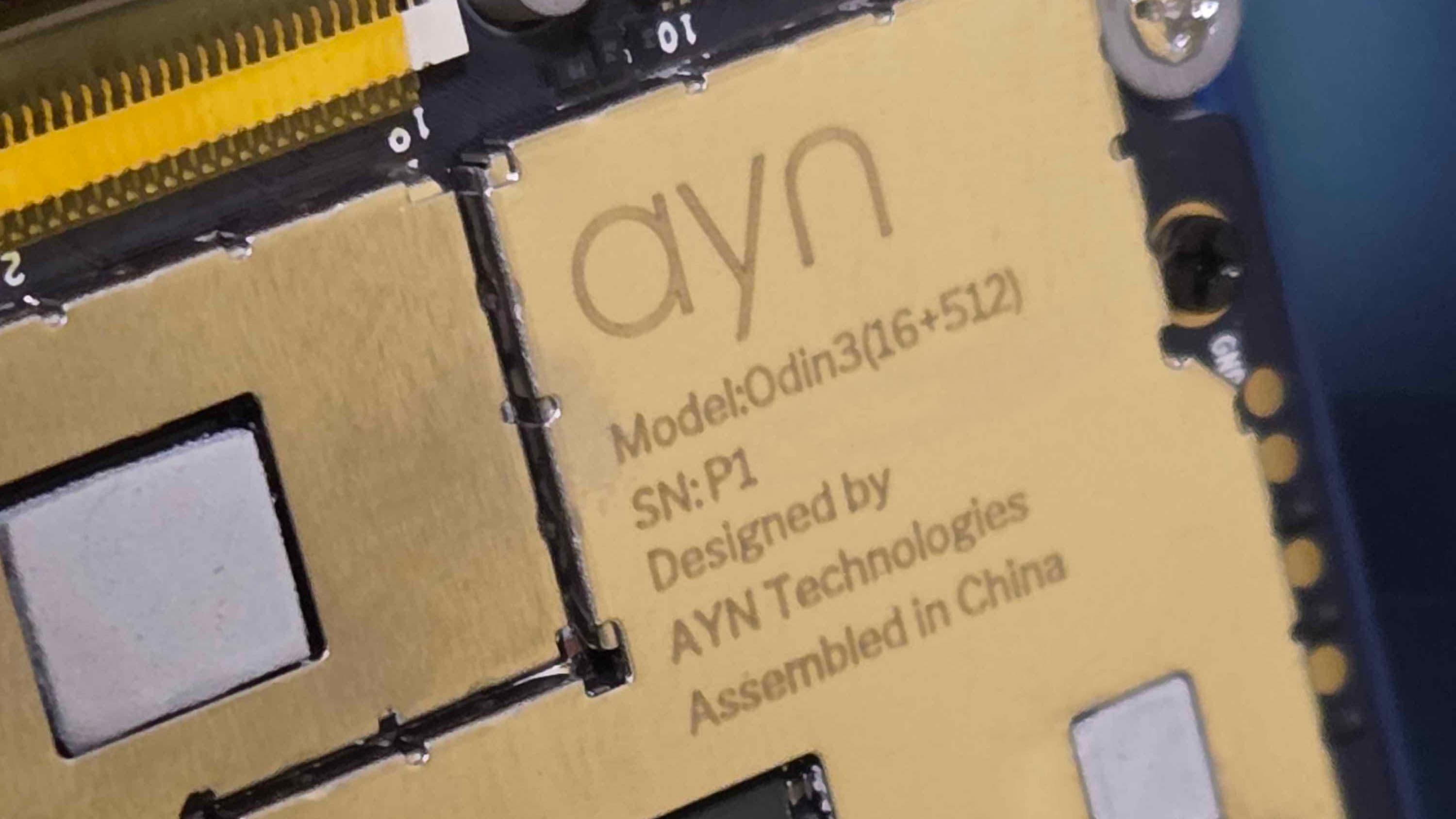
In a surprising twist that has sent ripples through the handheld gaming community, AYN has quietly rebranded the chipset powering its flagship Odin 3 device. What was initially marketed as a Qualcomm Snapdragon 8 Elite processor has been officially relabeled as the Dragonwing Q8—a customized variant designed specifically for non-smartphone applications like gaming handhelds. The correction, which AYN confirmed was prompted by Qualcomm to avoid consumer confusion, follows months of speculation and confusion among tech enthusiasts and prospective buyers alike.
What Changed: From Snapdragon 8 Elite to Dragonwing Q8
The shift from Snapdragon 8 Elite to Dragonwing Q8 was not a sudden design overhaul but rather a branding and classification correction. According to communications between AYN and tech journalists, Qualcomm requested the change to prevent misrepresentation of the chip’s intended use. The Snapdragon 8 Elite is a flagship smartphone-grade system-on-chip (SoC), while the Dragonwing Q8 falls under Qualcomm’s Internet of Things (IoT) portfolio—even though the underlying silicon is fundamentally the same.
Why the Rebrand: Qualcomm’s IoT Strategy Takes Center Stage
Qualcomm categorizes the Dragonwing Q8 series under its IoT chips, which are optimized for devices beyond smartphones, such as industrial controllers, VR headsets, and gaming handhelds. But unlike generic IoT chips, the Dragonwing Q8 is not a stripped-down version of the Snapdragon 8 Elite—it’s a purpose-built variant. The key difference lies in the removal of the cellular modem and RF system, components essential for smartphones but unnecessary in a portable gaming device.
This distinction is crucial. Smartphone chips are designed to support 5G connectivity, advanced camera pipelines, and power-hungry AI features. Gaming handhelds, on the other hand, prioritize sustained GPU performance, thermals, and power efficiency. By reclassifying the chip as Dragonwing Q8, Qualcomm aligns it with the realities of its deployment while maintaining performance parity with the Snapdragon 8 Elite in compute and graphics.
The Technical Breakdown: What’s Really Inside the Odin 3
Independent testing and developer analysis have confirmed that the Odin 3’s SoC carries the model number CQ8725S, which Qualcomm lists as part of the Dragonwing Q8 series. This is not a new chip—it’s a variant of the CQ8750S, a broader IoT-oriented SoC with shared architecture. The ‘25S’ suffix indicates a binned or customized configuration tailored for handheld gaming.
Developer Jdewitz, known for deep dives into mobile hardware, explained the rationale behind the Dragonwing Q8’s advantages in a public comment: "The Dragonwing chip is different. It removes the camera processing and 5G mobile module, increases the chip’s performance slightly, lowers temperatures, and has more stable Wi-Fi/BT. It’s better overall for gaming handhelds. It’s a tuned Snapdragon 8 Elite essentially."
A Pattern Repeats: AYN’s History with Qualcomm’s IoT Chips
This isn’t the first time AYN has used a Qualcomm IoT chip in its devices under a different name. The Odin 2, released in 2023, was widely marketed as featuring a Snapdragon 8 Gen 2. However, the actual SoC inside was the Qualcomm Dragonwing QCS8550—an IoT-focused variant of the 8 Gen 2 with the cellular modem disabled. This pattern reveals a consistent strategy by AYN to leverage Qualcomm’s high-performance IoT chips for handhelds while marketing them as flagship smartphone processors.
The practice appears to be industry-standard in the handheld gaming space. Devices like the ASUS ROG Ally and Lenovo Legion Go also utilize Qualcomm IoT variants—such as the Snapdragon 8+ Gen 1—even though their marketing emphasizes smartphone-grade performance. The distinction is rarely explained to consumers, leading to occasional confusion when specifications don’t match retail listings.
Why This Matters for Gamers and Buyers
- Gamers purchasing the Odin 3 are getting a high-performance chip optimized for handheld gaming—not a smartphone chip repurposed without modification.
- The Dragonwing Q8 delivers better thermal performance and power efficiency by eliminating unnecessary components like 5G modems, which can cause heat and drain battery.
- AYN’s rebranding reflects a broader industry trend where handheld manufacturers use Qualcomm’s IoT chips for performance while marketing them as premium smartphone SoCs.
- The change underscores the importance of digging into technical specifications, not just marketing claims, when evaluating gaming handhelds.
The Consumer Confusion Dilemma: Marketing vs. Reality
While the Dragonwing Q8 offers tangible benefits over a standard Snapdragon 8 Elite in a handheld form factor, the rebranding has sparked frustration among enthusiasts who feel misled by marketing language. AYN initially promoted the Odin 3 as running the Snapdragon 8 Elite—a name that carries prestige and performance expectations. When Qualcomm intervened and demanded a change, it highlighted the tension between consumer expectations and industry practices.
This confusion is not unique to AYN. Many tech products undergo similar rebranding when component suppliers adjust naming conventions or when companies reclassify products for regulatory or marketing reasons. However, in the fast-moving world of handheld gaming, where devices are often pre-ordered months in advance, such changes can erode trust if not communicated transparently.
Qualcomm’s Broader IoT Strategy and Market Implications
Qualcomm’s Dragonwing series is part of its strategic push into non-smartphone markets, where power efficiency, thermal management, and specialized connectivity are paramount. The company has increasingly segmented its chip offerings to serve verticals like automotive, XR, wearables, and gaming devices. By creating purpose-built variants like the Dragonwing Q8, Qualcomm avoids over-engineering chips for niche applications while maintaining high performance.
This approach benefits manufacturers like AYN, which can source high-end computing power without paying for features it doesn’t need—such as 5G support or advanced image signal processors. It also allows Qualcomm to maximize yield from its fabrication processes by binning chips for different use cases.
What This Means for the Future of Handheld Gaming
The Odin 3’s use of the Dragonwing Q8 signals a maturing of the handheld gaming market. As devices become more powerful and specialized, the distinction between smartphone chips and handheld chips will continue to blur. Consumers should expect more IoT-class SoCs in future gaming handhelds, even if they carry names reminiscent of flagship smartphone processors.
For AYN, the correction may help avoid legal or branding conflicts with Qualcomm while also positioning the Odin 3 as a device optimized for gaming—not just a repackaged smartphone. However, the company will need to improve transparency in its marketing to prevent future confusion. Trust is especially critical in a market where devices like the Odin series compete directly with established brands like Nintendo, Valve, and ASUS.
Key Takeaways for Tech Enthusiasts and Buyers
- The AYN Odin 3 does not use a standard Snapdragon 8 Elite—it uses the Qualcomm Dragonwing Q8, a customized IoT variant with the cellular modem removed.
- The Dragonwing Q8 offers better thermal performance, power efficiency, and stable wireless connectivity compared to a smartphone-grade Snapdragon 8 Elite.
- AYN has a history of using Qualcomm IoT chips under smartphone-focused branding, as seen with the Odin 2 and its Dragonwing QCS8550.
- Qualcomm’s Dragonwing series is part of a broader strategy to supply high-performance chips to non-smartphone markets.
- Consumers should verify chip specifications independently, as marketing often oversimplifies or misrepresents the underlying hardware.
Frequently Asked Questions
Frequently Asked Questions
- Is the AYN Odin 3 less powerful because it uses the Dragonwing Q8 instead of the Snapdragon 8 Elite?
- No. The Dragonwing Q8 is a customized variant of the Snapdragon 8 Elite with the cellular modem removed. Benchmarks and developer analysis confirm it delivers comparable GPU and CPU performance, often with better thermal performance due to reduced power draw from unnecessary components.
- Why did Qualcomm ask AYN to change the chip name on the Odin 3?
- Qualcomm likely requested the change to prevent consumer confusion between its smartphone-grade Snapdragon chips and its IoT-focused Dragonwing variants. The Snapdragon 8 Elite is marketed for smartphones, while the Dragonwing Q8 is designed for non-smartphone devices like gaming handhelds.
- Are other gaming handhelds using similar Qualcomm IoT chips?
- Yes. Many high-end gaming handhelds, including the ASUS ROG Ally and Lenovo Legion Go, use Qualcomm IoT variants such as the Snapdragon 8+ Gen 1. These chips are often marketed as flagship smartphone processors even though they lack cellular connectivity or advanced camera support.
.jpg&w=3840&q=75)