LoaderSave StorySave this storyCommentLoaderSave StorySave this storyFeatured in this articleThe Best Ultralight Merino Wool Base LayerIbex Woolies Pro Tech CrewRead more$120 Ibex (Women's)
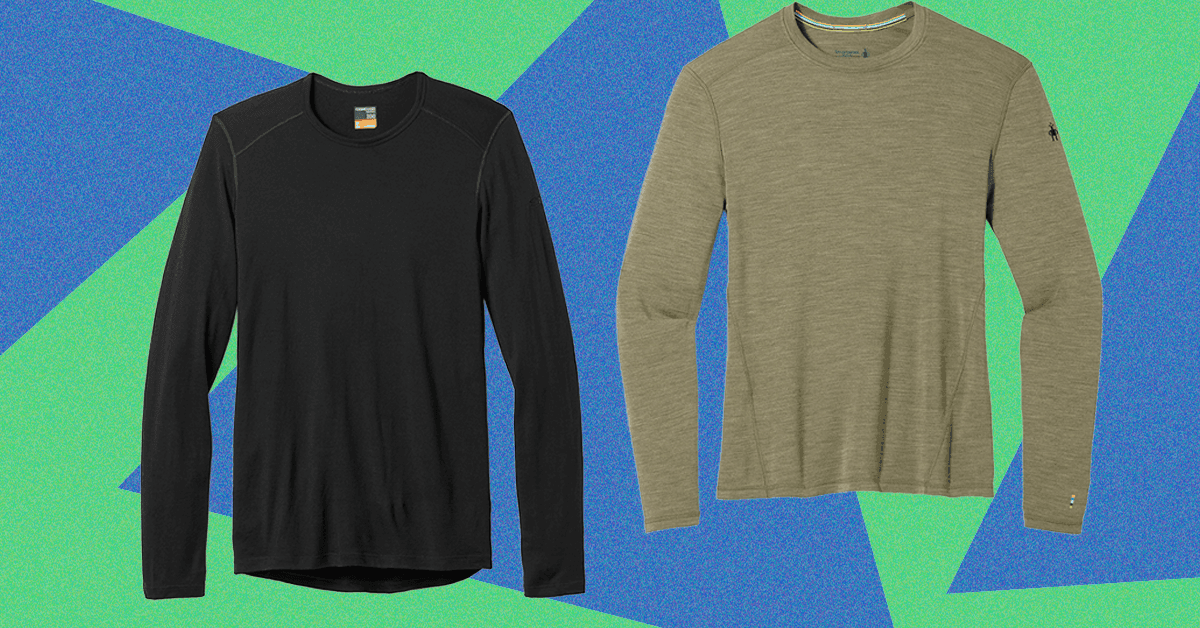
Best Midweight Base LayerIcebreaker Merino 200 Oasis Thermal TopRead more$120 REI (Men's)
The Best Heavyweight Base LayerSmartWool Classic Thermal Merino Base LayerRead more$115 Smartwool (Men's)
The Best Base Layer for Extreme ColdMinus33 Heavyweight Yukon Thermal Long SleeveRead more$150 Minus 33 (Men's)
Base layers, thermal underwear, long johns—whatever you want to call them, nothing in the process of layering clothing for warmth is as important as the layer that touches your skin. This layer has to do double duty, insulating you but also allowing heat and moisture to pass through it and out, away from your body.
To find the best base layers for different scenarios, I've spent years testing them while hiking alpine lakes in the summer, snowshoeing through the winter, and making dozens of trips between those extremes. These are my favorites.
Be sure to also check out WIRED’s guides to the Best Merino Wool, Best Rain Jackets, Best Daypacks, Best Backpacking Tents, and all the rest of WIRED's outdoor coverage.
Updated March 2026: We added the Ridge Merino balaclava, Carhartt's Base Force, and some more notes on how to choose the best base layer. We also updated links and prices.
- The Best Ultralight Merino Wool Base LayerCourtesy of IbexSave to wishlistSave to wishlistIbexWoolies Pro Tech Crew$120 Ibex (Women's)$120 Ibex (Men's)Ibex Woolies Pro Tech Crew and matching Woolies Pro Tech Bottoms ($115) are the best lightweight merino base layer I've tested. They've been the top pick in our merino wool clothing guide for years, and I struggle to imagine what would unseat them.Woolies are Nuyarn, which is 85 percent merino wool and 15 percent nylon. The merino wool is wrapped around a nylon core, which increases the warmth while being lighter (5 ounces for the men's large) and more durable. Woolies are 125-gsm wool (that's grams per square meter, a common measurement of fabric thread density, and therefore relative warmth). The cut here is next-to-skin tight, which is part of what I like about the Woolies—it's easy to get your next layers over them, and they don't bunch up. There are generous thumb holes on the sleeves which make it easy to pull on additional layers without the sleeve riding up. The flatlock stitching makes it so I don't notice the seams (which are mostly off the shoulder anyway, to prevent any rubbing should you be wearing a pack).I've been wearing Woolies as my main base layer in winter for four years now. This is also my top pick for all things technical—backpacking, bike packing, climbing, skiing, etc. It's what I bring hiking and backpacking to elevation in the summer months as well. Paired with a merino grid fleece and lightweight puffer jacket, this is even enough for shoulder-season trips in the fall. I prefer the crew T-shirt since I usually have other things over this anyway, but there is a quarter zip version of the shirt if you prefer to have more ventilation options. If these have a con, it's that they frequently sell out in popular size and color combos. (They also restock frequently, so keep checking if the one you want is not currently available.)Weight (Medium)FabricPriceColorsIbex Woolies Pro Tech Long Sleeve Crew4.2 oz125 gsm Nuyarn: 85% merino wool, 15% nylon$1152Ibex Woolies Pro Tech Bottoms3.8 oz125 gsm Nuyarn: 85% merino wool, 15% nylon$1152Ibex Woolies Pro Tech ¾ Length Bottoms3 oz125 gsm Nuyarn: 85% merino wool, 15% nylon$1051
- Best Midweight Base LayerCourtesy of Icebreaker
Icebreaker's 200 Oasis base layer is, as the name suggests, a 200-gsm base layer, making it a good choice for a wide variety of uses, whether its skiing in the front country, hiking in the fall or spring, or as part of your layering system in the depths of winter. The 100 percent merino fibers here are not quite as soft at the Smartwool above, but they're equally good at regulating body temperature and wicking away moisture. This is also the fastest drying of the merino tops I tested.
The flatlock stitching, combined with offset shoulder seams, make this one plenty comfortable. The gusseted underarms are nice for increased mobility. My one gripe with this is that I feel like it could be longer. Sometimes when I lift my arms over my head this one rides up quite a bit, exposing my stomach. For that reason I would not recommend this if you're on the taller side, or have long arms (for reference, I am 5'11" and wear a large).
Smartwool's 100 percent merino Classic Thermal base layer is another staple from our years of merino wool coverage. It's 250-gsm merino, double the thickness of the Ibex Woolies, and roughly twice as warm, making it a great base layer for cold weather. It fits looser too, making it feel more like a comfortable shirt. The looser fit makes it possible to use this as a second base layer over something like the Woolies when it's extremely cold (this combo is something I wear all the time here in Northern Wisconsin). Part of the reason I love this top especially is that it's soft and comfortable, keeping you warm without that tight, “technical garment” feeling. It also manages to not feel too bulky when you add a midlayer over it. Be sure to grab the bottoms as well.
The 100 percent merino means the Classic Thermal effectively wicks moisture, keeping you warm even if you get wet with sweat. Merino also means it won't stink. As with many of the tops on this page, the flat stitching and off-the shoulder seams mean you won't get any rubbing while wearing this with a pack. If I had to come up with a downside, it'd be that this is really warm and might be overkill if you live in, say, Southern California. For the rest of us though, this is a great all-around option that works well on the trail or just sitting around the house on those dark winter evenings.
The Best Base Layer for Extreme Cold
If you're going to be in serious cold, New Hampshire–based Minus33 is the company to shop. Where I live, winter temps regularly dip below 0 degrees Fahrenheit and the Yukon comes into its own. The 400-gsm weave of 100 percent merino is more like a sweatshirt than a base layer, but if you live in the north, you get it. To be honest, I usually go with the Woolie crew under this on really cold days, especially for low-aerobic activities like walking the dog before the sun is up. For most people, the Yukon (or the Tanana, as the women's version is called) is probably overkill, but if you live in the north, or if you're a perpetually cold person, this is the ultimate heavyweight base layer.
The Yukon is wonderfully soft on the inside, and the seams don't rub, even with a heavy pack on. The cut is roomy without being too baggy, and it's machine-wash and -dry, so no babying necessary. I've been wearing this shirt in winters for several years now, and it still looks pretty much like it did the day I got it—almost no pilling and no fraying.
- Best Value Base LayerCourtesy of REI Co-opSave to wishlistSave to wishlistREI Co-opMidweight Long-Sleeve Base Layer Top$55 REI (Men's)$55 REI (Women's)REI Co-op gear is often the best value you'll find in outdoor gear. These aren't perfect by any means, but if you want one base layer to do it all and don't want to spend a fortune, these are the base layers to get. You can have a crew top and bottom for less than a single garment of merino. The trade-off is that these aren't as warm, and they will definitely stink after you've been sweating in them all day skiing. Still, they're plenty warm enough for most activities, the fabric is pleasantly soft (and this is coming from someone who thoroughly dislikes synthetics against his skin). As an added bonus, they dry very quickly too.They're comfortable with a tight, but not overly-tight, fit that makes them easy to layer over. I especially like the thumb loops on the sleeves, and the flatlock stitching keeps these from rubbing under load. The downside to these is they're not nearly as effective at wicking moisture as most of the other options in this guide. For that reason, these would not be my choice for more vigorous activities like cross-country skiing or snowshoeing. They're perfect for downhill skiing or hiking in the shoulder seasons, though.Weight (Medium)FabricPriceREI Co-op Midweight Long-Sleeve Crew10 oz220 gsm, 92% recycled polyester, 8% spandex (bluesign approved)$55REI Co-op Midweight bottoms7.2 oz220 gsm, 92% recycled polyester, 8% spandex (bluesign approved)$55
- The Most Breathable Base LayerCourtesy of Artilect
If your primary concern is shedding sweat and venting excess heat generated by hard physical activity, the Artilect Nuyarn Boulder 125 base layer is for you. Usually I prefer a crew top, but in this case I prefer the half zip for its added heat-dumping ability. In the right circumstance the half zip is the perfect little personal thermal regulator, and outweighs the trade-off in weight and (sometimes) comfort. Here there's no comfort sacrifice to make, as this zipper is light and well-backed to ensure no cold metal ever reaches your skin, nor does it press against your neck too much when fully zipped (one of my pet peeves).
The name here comes from the 125-gsm Nuyarn fabric (85 percent merino wool, 15 percent nylon) that makes up most of this top. Crucially though, on the sides, from the top of the arm pit down to about the bottom of your ribs, is a strip of fabric proliferated with what Artilect calls “eyelets,” tiny holes that let moisture and heat escape more easily. The result is a base layer that's better than most at shedding heat, making it perfect for high-aerobic winter activities.
The Boulder Bottoms ($120) have the same eyelets in the gusseted crotch and along the top rear of the pants, right about where the belt of your backpack sits. For this reason these are my go-to bottoms for backpacking trips where I anticipate cold mornings. The extra ventilation around the top of the pants means less sweat accumulates, and you stay drier.
- The Best Hoodie Base LayerCourtesy of PakaSave to wishlistSave to wishlistPakaThermal Hoodie$155 Paka (Men's)$155 Paka (Womens)Want a base layer with a hood? I never did until I tried this Paka thermal hoodie, but now I am a convert. Should it get cold (even colder), you've got a hood to stop the wind blowing down your neck. When you don't need it, the thermal hoodie is just like a thermal crew—a very warm, great-looking, cozy thermal.There are two kinds of base layers. There's the technical kind you wear because you need something that simultaneously keeps you warm and wicks moisture away from your body as you sweat. Then there are the base layers you wear because they're soft, comfy, and warm, and you enjoy wearing them around the house or when you go out for a walk in the winter. They're more versatile and stylish, so you don't look like a gorpcore poster child every time you run to the market. Paka's thermal hoodie is in the latter camp. I would not bring it ice climbing, but I wear it constantly in the winter. It's hand-made and has a cozy feel that your more technical garments do not.That said, there are some nice features here that you would find on a more technical garment, including raglan sleeves, thumbholes on the sleeves, and a rib knit that should add to the fabric's strength. It also has a nice, relaxed fit and is plenty stretchy to allow a good amount of movement. If you really don't want the hoodie (you do), there's a crew version as well.Weight (Medium)FabricPricePaka Thermal Hoodie11.5 oz40% royal alpaca, 40% merino wool, 20% tencel$155
- The Best Balaclava Base LayerCourtesy of Ridge MerinoSave to wishlistSave to wishlistRidge MerinoAspect Midweight Merino Wool Base Layer Balaclava$95 Ridge MerinoWhen Ridge suggested I try their Aspect Balaclava Base Layer, my first reaction was no, I avoid conditions where I would ever need a balaclava base layer. Ridge sent it anyway. I ignored it. Then I moved to Northern Wisconsin and suddenly it all made sense. Below the neck, the Ridge Aspect Balaclava is like any other midweight merino wool base layer, but then it adds the hinged balaclava, which takes it up a notch. When you don't need the balaclava, it can hang out around your neck, taking the place of a neck gaiter or buff, and when the wind picks up and your nose and ears are collecting icicles, you can pull it up and protect your head and face along with the rest of you. I've come to use this far more than expected, especially on windy winter hikes.Could you carry a separate balaclava and get the same benefits? Probably, and Ridge does sell a merino balaclava, but there are a couple of things I really like about the integrated design of the Aspect. First is the obvious: it's one piece of fabric. I don't have to remember to (or debate whether I should) pack a balaclava, it's already on me. Second, the Aspect is cut longer than almost everything else on this page, which means it stays tucked in better especially handy when cross country skiing. This is a small, but valuable thing I've really come to appreciate after several winters of using it. The Aspect is 84 percent merino wool and 16 percent nylon, which is more than high enough wool content to get all the benefits of merino, like odor resistance, sun protection, good breathability and moisture wicking.Weight (Medium)FabricPriceRidge Aspect Midweight Merino Wool Base Layer Balaclava11.5 oz84% merino wool, 16% nylon$95
Paka's Sol hoodie is wonderfully soft, plenty breathable, and has proved durable as well. It offers 30+ SPF protection from that alpine glare, and it keeps you surprisingly cool considering you're wearing a long-sleeve shirt in the burning sun. There are limits to that, of course, and this one does not resist odors as well as a merino sun hoodie would, but it's better than the polyester options I've tried. I also like that it's easy to care for; just wash it cold and lay it flat to dry.
In the summer I've been using this as my base layer. While it's a bit loose as a true base layer, pairing it with the Woolies above, and an ultralight puffer jacket makes for a good summer backpacking clothing setup in mountains or similar cooler terrain. Heading into the shoulder season I throw in a grid fleece instead since the sun isn't as much of an issue, but I've found this hoodie quite versatile, and perfect for temps up to about 75, after that I find it too much.
There are a lot of base layers out there, including some that are great but not quite great enough to make our top picks. Here are some more options worth considering if none of the above quite fit the bill for you.
Courtesy of ArcteryxSave to wishlistSave to wishlistArc'teryx