Some Galaxy S26 Ultra users complain that their eyes feel strained after viewing the screen
Vats points out that his eyes felt tired and uncomfortable after using the Galaxy S26 Ultra. Both the Galaxy S26 Ultra and Galaxy S25 Ultra were set at a 2K resolution with Privacy Mode disabled on the Galaxy S26 Ultra. The tweet includes images comparing the same text on the Galaxy S26 Ultra display with the Galaxy S25 Ultra display. He writes that Samsung needs to correct this problem ASAP.
Hey Galaxy Fam I noticed a huge difference between the Galaxy S26 Ultra and S25 Ultra displays. After using the S26 Ultra for a while, my eyes felt tired and slightly uncomfortable.Note: Both phones were set to 2K resolution, and Privacy Mode was turned OFF on the S26… pic.twitter.com/XbN1DzqiyU— Tarun Vats (@tarunvats33) March 2, 2026
Note: Both phones were set to 2K resolution, and Privacy Mode was turned OFF on the S26…
A Redditor with the username AbsolutZeroGI blamed users who turn the brightness control to 11, which he says is a cause of eye strain.
Another response blamed different camera angles on the photos posted by Tarun Vats. The latter said that the photos of the Galaxy S26 Ultra display were shot at a wider angle than the picture of the Galaxy S25 Ultra.
Ice Universe points out in a separate tweet that the pixels used for the Galaxy S26 Ultra display have two different types of light emission.
Two different pixels used by the Galaxy S26 Ultra could be to blame for the display issue
One emits light at a wider angle, while the other pushes the light out straight ahead. This is used for the Privacy Display on the top-of-the-line model. When enabled, the wide-angle pixels are disabled leaving the directional pixels operating. This is why those looking directly at their Galaxy S26 Ultra are able to see it even when the Privacy Display is turned on. It also explains why those so-called shoulder surfers trying to glimpse private info from your screen will see just black when looking at an angle.
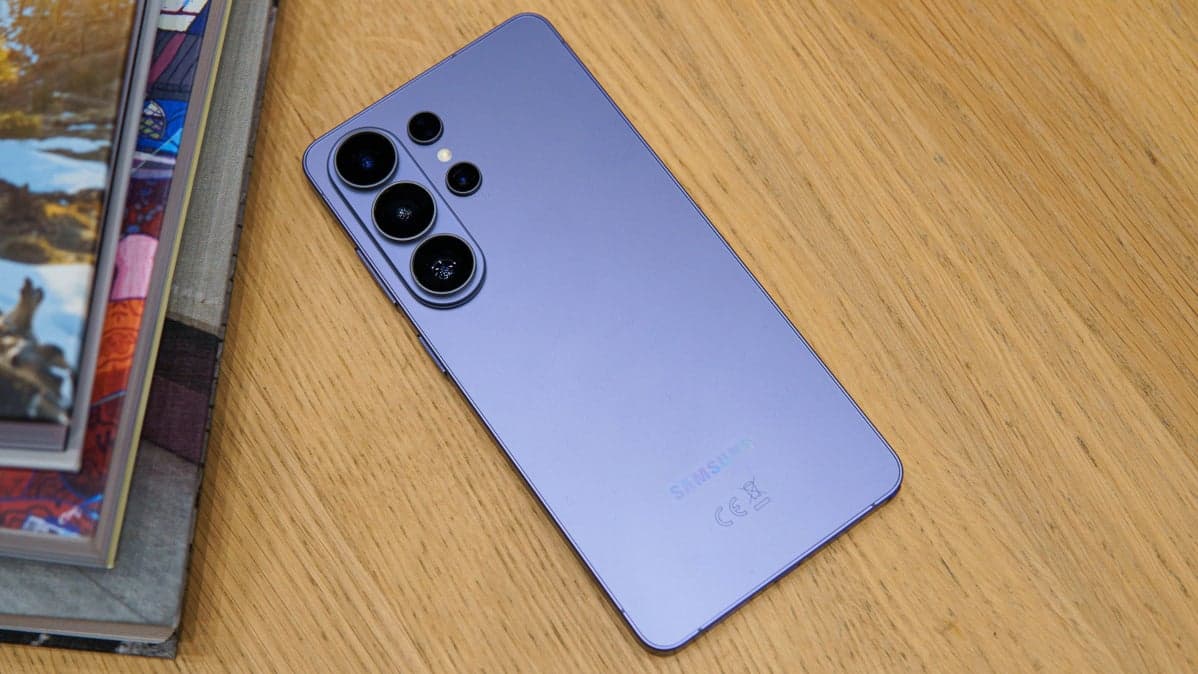
Redditor gets his Galaxy S26 Ultra early. | Image by Reddit
When the Privacy Display is turned off, the brightness of the straight-ahead directional pixels is still going to depend on the viewing angle. Even when viewing the screen head-on, text at the bottom and top of the screen will appear at a slight angle. Whether you slightly raise or lower your eyes, or tilt the phone, that angle will increase and cause the brightness of the directional pixels to weaken.
So it appears that some issues related to the Galaxy S26 Ultra have to do with the Privacy Display, which is being heavily promoted as the hot new feature on the Galaxy S26 Ultra this year. How hot is it? You can be sure that by this time next year other
Android phones will have a similar feature designed to keep your private on-screen info away from prying eyes. Maybe in a couple of years Apple will have a Privacy Display of its own with a new name and introduce it as a new feature designed by Apple to protect iPhone users.
The Privacy Display is a great, secure feature
The Privacy Display is a great feature, although it is hard to tell how Galaxy S26 Ultra users will respond if it is responsible for a drop-off in the sharpness and quality of text on the screen.
Besides review units sent to reviewers, others have been able to take a look at the phone at certain carrier stores, Samsung Experience Stores, and various Best Buy locations. Or, you can be the recipient of a lucky break like Redditor Boris499. He has already received his Galaxy S26 Ultra in Cobalt Violet and posted photos online to prove it. You know that the Universe is looking out for you when something like that happens. Preorders for the
Galaxy S26, Galaxy S26+, and the Galaxy S26 Ultra will continue for another week, through March 10.
Alan, an ardent smartphone enthusiast and a veteran writer at PhoneArena since 2009, has witnessed and chronicled the transformative years of mobile technology. Owning iconic phones from the original iPhone to the iPhone 15 Pro Max, he has seen smartphones evolve into a global phenomenon. Beyond smartphones, Alan has covered the emergence of tablets, smartwatches, and smart speakers.