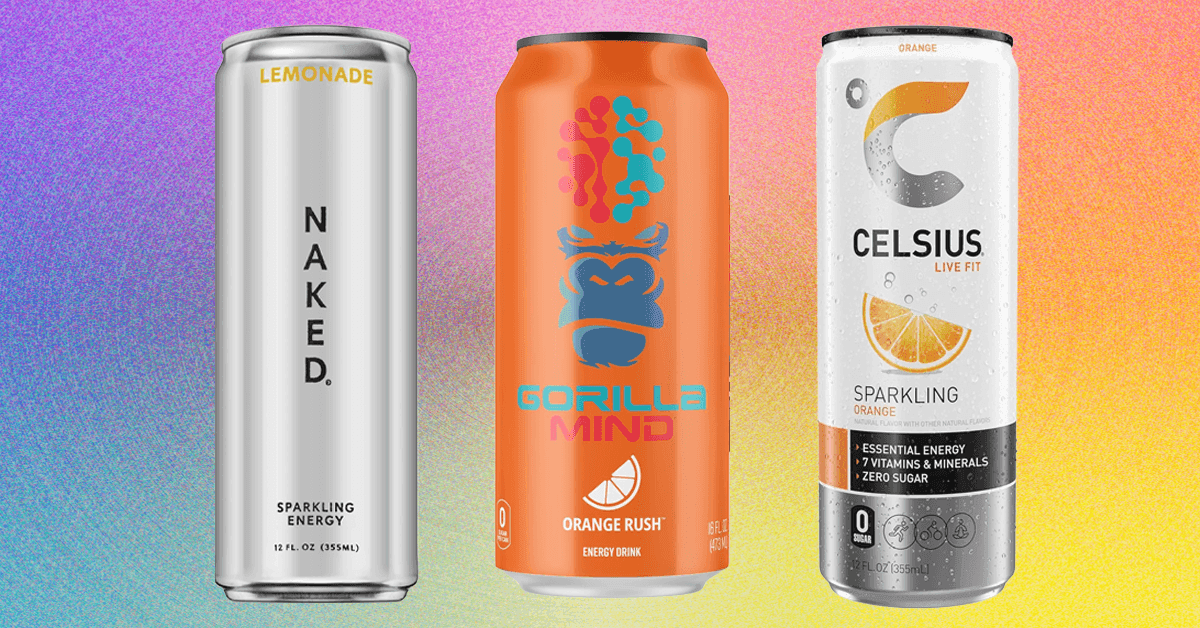
The good news is that it’s easier than ever to purchase your favorite cans from Amazon, and the great news is that you don’t need to put on your Crocs and Cookie Monster jammies to do it. Throw in a nice little discount for buying in bulk and setting up auto-delivery, and you’re basically being paid to not leave your house. The future is here, and it is jacked up on B vitamins, red dye, and taurine.
As a devoted coffee drinker, I often feel like the misquoted New Yorker film critic Pauline Kael when I see neon-colored tallboys of high-octane energy drinks usurping shelf space from my favorite Dr. Pepper and Mountain Dew variants at my local Sheetz. Energy drinks are big business—they raked in close to $20 billion in the US in 2023—yet I don’t know a single person who drinks them on a regular basis.
A good cup of coffee is hard to find at odd hours in the middle of nowhere. Energy drinks, on the other hand, are as no-fuss as it gets. At any hour of the day you can pick out an eye-catching can that boldly advertises its caffeine content, plunk down a few bucks, and shoot into space in just a few swigs. Homebodies and deal junkies don’t even need to leave their domiciles to cop excellent deals with lightning-fast shipping on their most beloved brands, provided they’re Amazon Prime members. I love value, convenience, and caffeine, so I finally caved.
Still thirsty? Check out our other drink-related guides, including the Best Mushroom Coffee and Best Coffee Subscriptions.
Updated March 2026: We've added new drinks from Bloom, Melting Forest, and Liquid Death; removed some discontinued products; and updated links, tasting notes, and prices throughout.
1. Celsius Functional Essential Energy Drink
Though it has less carbonation than most energy drinks, Celsius is punchy without a cloying aftertaste and it does wonders in masking the medicinal notes that are present in similarly potent drinks. This is an absolute unit when it comes to the caffeine-to-volume ratio, and not a single flavor I tried was objectively bad.
Celsius is a hot up-and-comer for a reason, and it’s not shocking to see entire fridges stocked with its whole portfolio right next to the checkout counter at a growing number of gas stations. The can has a whole lot of text I will never read, but it’s attractive and not too much in the extreme gaming or health-nut quackery camps to dissuade potential buyers who care about being seen in public with an energy drink. Like the Beatles or In-N-Out, this is a consensus pick everyone agrees on.
Notes: Nice mellow thrust of energy with very few jitters or butterflies in the stomach. This is a solid road trip or preworkout beverage. A slight dip in energy around 2 pm, but a few jumping jacks got me back on track.
C4’s marketing materials position its sports fuel as the beverage of choice for the athleisure set. Does C4’s “clinically studied CarnoSyn beta-alanine” compound help you get swole? Do yoga pants increase flexibility? Who knows, and who cares! Halfway through the can I got happy feet and swapped my Aeron chair for the walking pad. Two miles and 35 minutes later I was still zooming, so I took my dog for a 2-mile run and felt like a million bucks at the end. I crushed a gas station salad for lunch and felt like a Healthy Person for one of the first times in my life.
Notes: With flavors like Frozen Bombsicle and Mango Foxtrot in C4’s arsenal, concerns of this “NSF-certified” drink tasting like saccharine gloop are valid, but the Midnight Cherry was a pleasant surprise. An intense cherry flavor—imagine a Dr. Brown’s dialed up to 11—hits on the frontend, and only a mild trace of diet flavor lingers in the aftertaste. Marketing be damned, you could add this to the rotation at a Taco Bell and no one would know (or care) about its alleged postgains powers.
Classic citrus flavor with minimal aftertaste and plenty of carbonation. That first sip brings back memories of all-night drives, marathon Excel sessions for the computer science class I took before I quit business school, and the countless “bomb” shots I consumed during this era. The gold standard for energy drinks. Minimal negative social baggage, maximal uplift.
Notes: The sugar high is sharp and abrasive, and the caffeine hits once the sugar wears off for stable energy well into the afternoon.
The realm of low- or no-calorie energy drinks offers two options for sweeteners: an unwieldy list of chemicals with confusing names, or allegedly “natural” options like stevia and monkfruit. The former camp commands the lion’s share of the market, but the latter is ascendant and willing to pay a premium for an energy drink with as few ingredients as possible. Naked’s entry in the field is our pick for the best of the woo-woo options that align more closely with yoga than gaming or deadlifting, and the few other options in this field aren’t even close as far as taste and firepower are concerned. Naked boasts just six ingredients, principal among them being fermented sugar and monkfruit. While we loved Jocko Go when it initially blazed the trail for monkfruit-based energy drinks, the mellow tang of Naked outclasses the sharp and astringent sweetness of the signature beverage of the wellness world’s favorite ex-Navy Seal/human-sized clenched fist.
Notes: Tastes like homemade lemonade boosted with just a hit of carbonation, with a barely noticeable “diet” finish that’s much easier to grow accustomed to than Jocko Go. It packs more than double the caffeine, making it a no-brainer when A/B-ing the two. The can is simple and devoid of aggro branding as well, which we’ll concede has no bearing on performance but is still a thing to consider if you’re worried about being seen slurping an energy drink in the office or at the gym.
I never thought I would miss the flavor of old-school sugar-free energy drinks until I embarked upon this lifestyle. Monkfruit and Stevia certainly have their fans in the health and wellness space, but there’s something about the trashy delight of a fizzy, citrusy sucralose bomb of a sugar-free Red Bull that hits differently in this day and age. Gen Z’s endearing rebrand of Diet Coke as “fridge cigarettes” leads me to believe the kids love a little danger, and I’m not convinced a little hit of the S-word every now and then will kill me any faster than microplastics or the ambient thrum emitted by the data centers that are popping up all over my home state of Ohio.
Enter Bloom, which has all the aesthetics of a very-online wellness girlie product without any of the questionable flavors or adjuncts. Bloom’s 180 grams of green tea-derived caffeine does work during the early-afternoon doldrums, and the cute and crushable little can is one of the least offensive items one can be seen sipping on during an 8 am Zoom call or while commuting to the office. I still missed my morningly cup of coffee while I was trying this on for a week, but the tandem of caffeine and B vitamins tricked my brain into adopting a healthful effervescence that came in handy when a mountain of repetitive customer outreach tasks hit my inbox first thing on a Monday morning. This is a fun and friendly fizz-bomb that checks just about every box one may have when searching for a low-cal energy option that’s easy to find at just about any large chain store in the US.
Notes: The Juicy Orange flavor is dangerously close to the exaggerated citrusy sweetness of a Mountain Dew Kickstart—my personal favorite for hangovers and morning indulgence—all with none of the high fructose corn syrup and only one-sixth of the calories in a 12-ounce dose. The last few sips yielded a dry, almost prickly sensation against the back of my throat, but the flavor profile of Bloom is otherwise impeccable. Sucralose leads the charge on sweetness, with a modest dose of ginseng, lychee, green tea, and apple cider vinegar bringing up the rear. I did a double-take when I saw vinegar on the ingredients list, since the sip clocks in little to no bitterness to speak of.
The manosphere is rife with snake oil merchants, and Jocko Willink is no exception. In addition to a MasterClass about leadership, the ex-Navy SEAL also hawks Jocko Go, a monkfruit-sweetened energy drink that makes highfalutin claims about “balanced energy,” “increased focus,” and “memory support.”
After just a few sips of this fizzy concoction I was overtaken by an urge to start a podcast about crypto and male decline. Instead of doing that I spiked the remainder of the can with a shot of Smirnoff and blasted off to the moon. I missed the memo that “bomb” drinks are out and borg-ing is in, but I have a strong feeling that Mr. Willink’s vitamin-rich riff on Turbo Fuel is sloshing around in gallon jugs at state colleges all across the land. It’s hard to tell where the caffeine ends and the 100 milligrams of B vitamins (more than 4,000 percent of the daily recommendation!) begin, but either way this tiny black can packs a wallop.
Notes: The flavor hits like a combo of Sunny D and stevia, which is an acquired taste for some.
Due to its branding, lack of carbonation, and overall vibes, Guayakí Yerba Mate is a caffeinated beverage that’s somehow exempt from being regarded as a capital-E Energy Drink by polite society. The stats on its cheery, GVC-inspired can say it contains no corn syrup or bizarre extracts—chemical or otherwise—and an absence of bubbles makes it dangerously chuggable compared to other drinks.
This is the caffeine vehicle of choice for liberal arts grads who spend their weekends wandering farmers markets with a hangover and a New Yorker tote filled with vegan junk food. You may not be able to dose a Mormon with one of these, but your “California sober” friend will gladly cut loose with a Guayakí while you take advantage of his offer to be the DD for the night.
Notes: The lack of bubbles is weird, but a hefty chug of one of these during a short break in Zoom meeting hell gave me just the boost I needed to draft (then delete) a subtly dickish email to a “cross-functional partner” about how they need to stop making Slack channels for everything. I finished the second half after work and was able to hustle through some household chores while still managing to crash by 10 pm—a win I never thought I would relish until I turned 40.
While Gorilla Mind isn’t No. 1 on this list for flavor, value, or energy boost, it’s now the new reigning champion in the “can with the most icons and superfluous stats” category. Esoteric compounds like N-Acetyl-L-Tyrosine and Alpha-GPC promise amplified focus and enhanced memory like some mad scientist who has devoted their life to optimizing the brains of gamers and programmers across the land. I engage in neither, but it only took a few sips of this smooth, juicy concoction to get me unreasonably hyped about combing through a spreadsheet of past Amazon purchases and spinning up a query that would group all of them by keyword.
Notes: The flavor is intensely orangey with a creamy finish that hits like the first few suckles of an Orange Julius. Or at least what I remember an Orange Julius tasted like before the location in my local mall closed then reopened as a subsidiary of a poorly run Dairy Queen. The flavor feels a bit over the top about halfway into the can, but the idea of home-brewing Sparks (RIP) with this as the base is something I may investigate prior to the upcoming Justice tour.
This is the smooth, user-friendly “mama bear” of energy drinks. It tastes a little like juice, a little like Dew, and a little like gaming. The caffeine content is on the lower end compared to comparable brands that hump the esports/incel aesthetic much harder, but the combo of its smooth, juicy mouthfeel and a familiar citrus flavor is a pleasant surprise. This and a sandwich from the warming bin of a gas station is an all-star breakfast for a blue-collar hoss or a city slicker who’s on safari in the hinterlands of America. If gaming bars sold brunch this would make an excellent mimosa base.
Notes: The caffeine in Kickstart hits more like a traditional can of Dew than a proper energy drink, but you’re trading sugar for vitamins and a more mellow citrus flavor that even the staunchest anti-Dew crusader could get behind if you added this to their cocktail.
The tagline on Lucky’s latest batch of cans is “Zero Sugar—Zero Aftertaste.” Nearly 40 cans into this experiment I assumed aftertaste versus calories was the central paradox of the energy drink market, but I may be wrong. The jolt of energy from the 200 milligrams of caffeine in the can is a slow trickle of good vibes and boosted focus that I found myself returning to well after the taste-testing period on Lucky was over. This is the energy drink for people who think they hate energy drinks.
Notes: There’s nothing incredibly memorable about the mild orange flavor of Lucky, and that seems to be the entire point. Every third or fourth sip will melt away into a mysteriously savory undertone that reminds me of brushing my teeth the morning after I crushed some street meat at an odd hour after a bar crawl. It’s completely random, and I don’t mind it at all.
While I love the keyed-up orange flavor of Celsius, the hefty smack of sweetness it’s known for is not for everyone. The classic orange flavor offered by PHX hits all the same notes with about 60 percent of the intensity of Celsius, which makes it a more appropriate daily go-to for those who are averse to sugary beverages but still need a little something to mask the electrolytes and vitamins that are crowded into this 12-ounce can.
Notes: I crushed one of these after a brewery-sponsored run club event got a little too rowdy for a Wednesday, and I was back to about 90 percent (I’m 41 and haven’t felt “100” in decades) in less than an hour. Cracking packets of liquid IV into energy drinks seems a bit sus, so your best bet is to open a can of PHX and enjoy your hangover remedy without the need for supplementary magic powders and elixirs.
Subdued mango taste at the front, pleasantly sour lemonade finish. Mango can taste like a pine cone if it’s done wrong, so this is impressive. No chemical taste to speak of. Excellent balance of magical caffeinated ingredients and flavor. The flavor got a bit tiring three-quarters of the way through the can, but I still finished it.
Notes: A pleasant little jolt that helped me focus on a tedious spreadsheet for an hour straight. I hit a wall during an unnecessary meeting around 1 pm, but I can’t give this drink all the blame for that.
This wannabe Goop product tastes like Diet Peach Snapple diluted with club soda. Very noticeable “diet flavor” at the front, but a nice clean finish. Enough sweetness to trick your brain into thinking it’s having a treat. If you don’t hate diet drinks, you’ll enjoy it. Bonus points for the vibey can, which would look great staged in a Kinfolk photoshoot or brochure for a yoga studio.
Notes: No physical jolt to speak of; however, I did get the urge to organize my Google Drive about 20 minutes after cracking this one. No crash later, just a mellow, buzz-free productivity bump.
Melting Forest first hit the scene with a mushroom coffee blend that had a mellow, bitter taste that most old hippies who are afraid of modern coffee trends would find endearing. The brand is back on the scene with a full gamut of sparkling energy drinks, and they’re just as quirky and understated as Melting Forest's brown wonder dust. As for an energy boost, I didn’t feel much when I desperately needed a kick in the pants after a morning of back-to-back customer calls. This is more of a 5 o’clock sipper for me when I need something bubbly to replace the can of lager or pilsner I usually crack open when I start prepping dinner after work. The flavor is subtle and inoffensive, if a bit odd, and the caffeine rush is a slow trickle that won’t overwhelm anyone who consumes caffeinated beverages throughout the day. There’s a time and a place for such a beverage, so I’ll add Melting Forest to my ever-expanding utility belt filled with elixirs, potions, and snake oils with decent drinkability and questionable efficacy.
Notes: The black cherry flavor was the most appealing of the handful of flavors included in the brand's variety pack, which also includes Orange Cream, Mango Guava, and Strawberry Lemonade. Less is more if your main priority when pursuing sugar-free energy drinks is to avoid the uncanny valley of chemical flavors and off-notes, and in the case of Black Cherry, its muted medicinal flavor was familiar, if not a bit off-putting. Cough syrup is not a flavor I reach for when my brain is deep in the post-lunch doldrums, but I admire its honesty!
Pretty close to Red Bull, but with no sugar. Excellent carbonation. Much better than sugar-free Red Bull. Very strong lingering sweetener flavor, like getting a Jolly Rancher stuck in your teeth. The aftertaste was underwhelming, but not a deal-breaker.
Notes: Very mild energy boost that didn’t hit until about 90 minutes later, at which point I was tapping my foot and rapidly clicking a pen while on a Zoom call. I crashed a couple hours later and found myself zombified by 2 pm.