In a surprising turn of events, critically acclaimed indie studio Fabraz has breathed new life into the notoriously maligned mascot Bubsy with Bubsy 4D, a 3D platformer announced at Gamescom 2025. The revival comes after years of fan-driven pressure online—often in the form of viral social media tags—and a bold invitation from Atari CEO Wade Rosen, who publicly stated in early 2025 that the company was open to pitches from indie developers for a new Bubsy title. Fabraz, fresh off the success of Demon Turf and Demon Tides, stepped up to the challenge, reimagining the character not as a self-deprecating joke, but as a B-list failed actor navigating a world that still remembers his past as a failed platformer hero. The result has been an outpouring of unexpected enthusiasm from both long-time fans and curious newcomers, signaling a potential renaissance for a franchise once consigned to the graveyard of gaming history.
From Meme to Mission: How Fan Pressure and Atari’s Pitch Led to Bubsy 4D
The origin story of Bubsy 4D is as much a product of internet culture as it is of game development strategy. According to Fabraz founder Fabian Rastorfer, the project began with a deluge of social media attention directed at the studio. Fans, nostalgic yet critical of the character’s troubled past, began tagging Fabraz in posts demanding they revive Bubsy using phrases like, "Fabraz should do a Bubsy game" and "Fabraz could do a good 3D platformer version." The volume was so intense that Rastorfer recalled thinking, "Stop tagging us about Bubsy!" just as Atari released a statement from CEO Wade Rosen on a podcast, saying the company was open to indie pitches for a new Bubsy title.
What followed was a rapid pivot from frustration to opportunity. Within days of the online outcry, Atari reached out to Fabraz with a formal request for a pitch. "We thought, 'You know what, okay, this could be pretty funny,'" said Rastorfer. From that initial joke emerged a serious development project. Fabraz crafted a pitch that recontextualized Bubsy as a B-list actor trying to revive his career, a narrative device that allowed the team to honor the character’s lineage while distancing itself from the self-aware irony of past attempts. The concept resonated with Atari, which had itself been exploring ways to modernize the franchise without repeating past mistakes.
Why Atari Chose an Indie Studio Over a Big-Budget Revival
Atari’s decision to entrust a relatively small studio like Fabraz with the revival of Bubsy reflects a broader trend in the industry: cautious risk-taking in reviving legacy IPs. Unlike traditional publishers that might greenlight a high-budget reboot with a major developer, Atari opted for a leaner, more experimental approach. This strategy aligns with the company’s recent focus on partnering with indie studios to test innovative gameplay mechanics and narrative styles. Bubsy 4D’s development was given significant creative freedom, with Atari acting as an overseeing partner rather than a micromanaging gatekeeper.
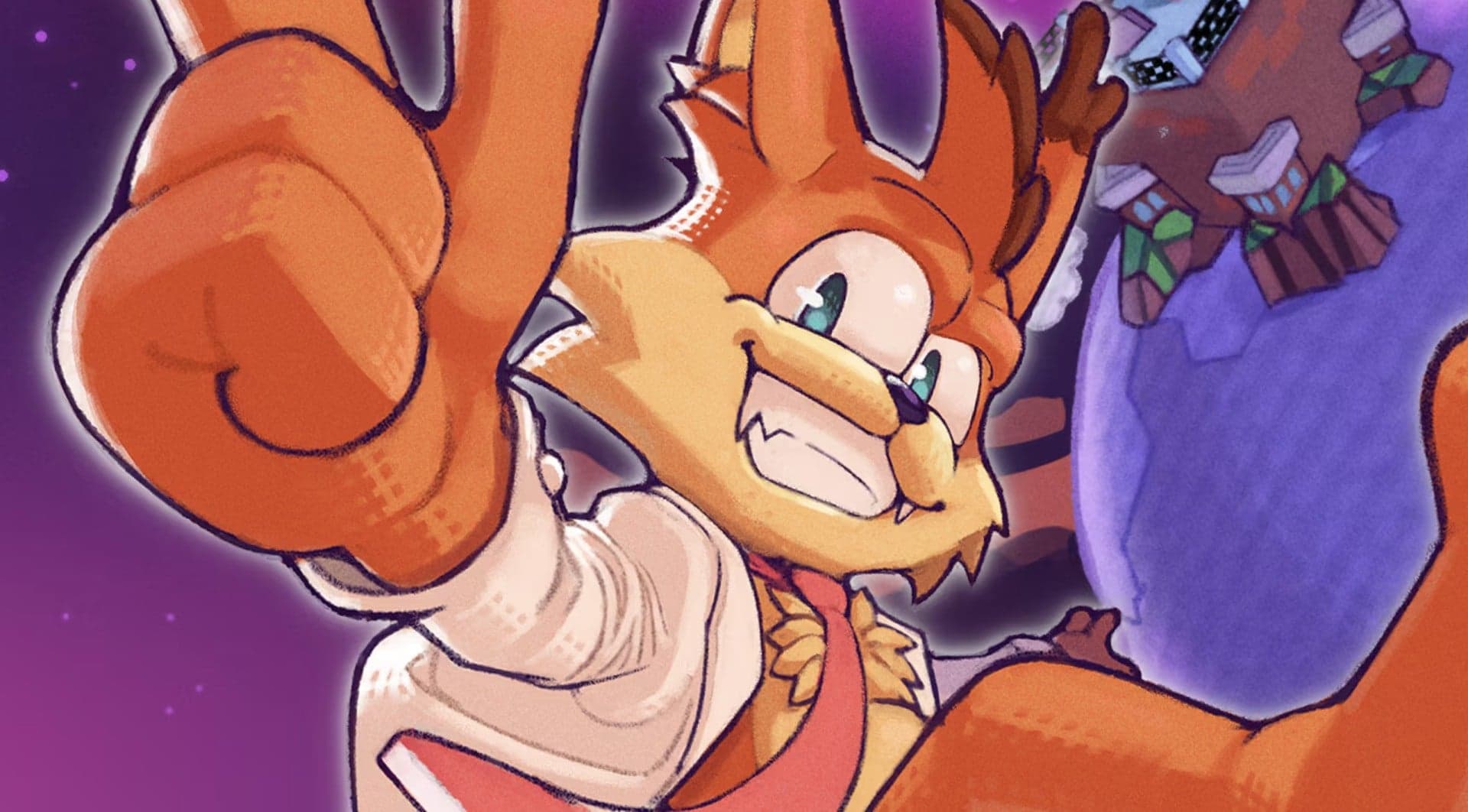
They were even open to larger risks, like Ben said. The hairball obviously was a wild, out-there idea. But I think the even bigger one for me is the redesign of Bubsy himself, where we take away his iconic shirts and exclamation mark and instead go for a white jacket and exclamation mark tie. That's a bold redesign.
Expressive Platforming: How Fabraz Redefined the Bubsy Formula
Fabraz is best known for its ‘expressive platforming’ design philosophy—a concept that prioritizes player agency and movement variety over linear progression. This approach was first refined in Demon Turf (2022) and pushed further in Demon Tides (2024), where players could traverse the same gap using multiple creative methods, each revealing different aspects of the game’s world and mechanics. For Bubsy 4D, the team applied this philosophy while grappling with the legacy of past Bubsy titles, which often relied on linear level design and repetitive gameplay loops.
The defining innovation of Bubsy 4D is the introduction of the ‘hairball’ mechanic—a sticky, momentum-based tool that allows Bubsy to swing, ricochet, and ricochet again through levels. This mechanic was not just a gimmick; it was a deliberate attempt to recapture the kinetic energy and expressive movement of classic 3D platformers like Sonic Adventure while avoiding the sluggish controls that marred earlier Bubsy games. The team spent months prototyping and refining the hairball’s physics to ensure it felt both responsive and satisfying.
A Character Reborn: How a Failed Mascot Became Believable Again
One of the biggest challenges in reviving Bubsy was his reputation as a punchline—a mascot whose games were infamous for poor controls, weak level design, and unfunny humor. Rather than leaning into self-deprecation, Fabraz chose a subtler approach: aging Bubsy up and recontextualizing him as a former child star struggling to stay relevant. This narrative shift allowed the team to poke fun at the character’s past without undermining the player’s investment in him.
Bubsy’s visual redesign was equally crucial. The team stripped away his iconic red-and-white striped shirt and exaggerated exclamation mark tie, replacing them with a sleek white jacket and a subtle exclamation mark-printed necktie. This change was not merely cosmetic; it signaled a tonal shift from cartoonish excess to a more grounded, almost indie-film aesthetic. "We’re not gonna make another game that again is very self-deprecating," said Rastorfer. "Instead, we're gonna recontextualise it."
The Gamescom 2025 Effect: Why the Announcement Went Viral
When Bubsy 4D debuted at the opening of the Gamescom 2025 pre-show, the internet exploded. The juxtaposition of a long-dismissed mascot taking center stage in a modern 3D platformer was too absurd—and too promising—to ignore. Social media feeds lit up with reactions ranging from disbelief to genuine excitement. "We didn’t expect that kind of level," admitted Rastorfer. "I remember all of us were just on our phones, constantly refreshing, looking at all the reactions and being completely addicted to it."
The response was particularly notable because it transcended nostalgia. While many revivals rely on the emotional pull of yesteryear, Bubsy 4D’s appeal seemed rooted in trust—trust in Fabraz’s ability to deliver on its promises, built over years of delivering critically acclaimed titles like Demon Turf and Demon Tides. "The moment I saw Fabraz's logo pop up, I'm all in," read one prominent comment on social media, encapsulating the sentiment of a fanbase that had learned to believe in the studio’s vision.
Expressive Platforming and the Future of 3D Platformers
Bubsy 4D arrives at a pivotal moment for the 3D platformer genre, which has seen a resurgence in indie development after years of dominance by Nintendo’s Mario titles. With no major 3D Mario game on the immediate horizon and other high-profile platformers like Donkey Kong Banana Jam focusing on puzzle mechanics rather than movement, indie studios are increasingly filling the gap. "Indies are kind of carrying the genre quite a bit recently," said Rastorfer. Titles like Big Hops, Mr. Sleepy Man, Demon Tides, and upcoming releases like The Big Catch and Kero Quest 64 demonstrate the genre’s diversity, with each game blending platforming with elements from other genres.
Fabraz’s expressive platforming philosophy is at the heart of this movement. By prioritizing player creativity and replayability—through mechanics like the hairball and the game’s branching level design—the studio is pushing the genre forward without abandoning its core appeal: the joy of movement. Bubsy 4D may be the first time many players encounter this philosophy, but it’s unlikely to be the last.
Development Challenges and Atari’s Hands-Off Approach
Despite the high stakes, the development of Bubsy 4D was remarkably smooth, thanks in large part to Fabraz’s internal framework, known as the Fabraz Framework. Built in Unity and reused across projects, this framework provided a robust foundation for both Demon Tides and Bubsy 4D, allowing the team to focus on gameplay innovation rather than reinventing the wheel. "We had a very, very strong foundation to work off," said Rastorfer. "The framework between Demon’s Tides and Bubsy is the same one."
Atari’s involvement was minimal in terms of creative interference, a decision that surprised some observers. The company acted as a supportive partner, trusting Fabraz to take creative risks—such as the hairball mechanic and Bubsy’s visual redesign—without demanding changes. This trust extended to the game’s narrative and tone, which deviate significantly from the original Bubsy games. "They were very flexible in terms of our suggestions," said Rastorfer. "And there was nothing that we brought up that didn't end up being in the game in some shape or another."
Cross-Platform Challenges: Bringing Bubsy 4D to Multiple Consoles
Bubsy 4D is slated for release across a staggering array of platforms, including Xbox One, Xbox Series X|S, PlayStation 4, PlayStation 5, Nintendo Switch, and the upcoming Switch 2. While such broad compatibility is a testament to modern development tools and cross-platform engines, it also presents unique challenges, particularly for the Nintendo Switch, which often requires concessions in visual fidelity and performance to maintain stability.
Fabraz was not directly involved in the porting process; that responsibility fell to SneakyBox in partnership with Atari. However, the studio’s modular framework made the process easier, ensuring feature parity across platforms. "It runs really nice and stable, it has all the same feature parity," said Rastorfer. Despite the technical hurdles, the team remains committed to delivering a consistent experience, reflecting the evolving expectations of multi-platform gaming.
Key Takeaways: What Bubsy 4D Means for the Future of Legacy Revivals
- Fabraz revived the maligned mascot Bubsy through a mix of viral fan pressure and Atari’s open pitch policy, turning online memes into a creative opportunity.
- The game reimagines Bubsy as a B-list actor trying to revive his career, avoiding self-deprecation in favor of a more endearing, grounded approach.
- Expressive platforming—Fabraz’s signature design philosophy—is central to Bubsy 4D’s gameplay, emphasizing movement variety and player agency.
- Atari took a hands-off creative role, trusting Fabraz with bold redesigns and mechanics like the hairball, signaling a new model for legacy IP revivals.
- The massive positive reaction to Bubsy 4D’s announcement reflects broader trends in gaming: trust in indie studios and a craving for fresh 3D platformers.
Frequently Asked Questions
Frequently Asked Questions
- Why did Fabraz decide to revive Bubsy instead of making a new IP?
- Fabraz was bombarded with social media tags from fans demanding they take on Bubsy. After Atari invited indie pitches, the studio saw an opportunity to reimagine the character in a way that honored his past while creating something fresh and expressive, leveraging their expertise in 3D platformers.
- What is expressive platforming and how does it apply to Bubsy 4D?
- Expressive platforming is Fabraz’s design philosophy that prioritizes player choice and movement variety. In Bubsy 4D, this means using the hairball mechanic to allow players to traverse levels in multiple creative ways, making each playthrough feel unique and rewarding.
- Will Bubsy 4D be available on all platforms at launch?
- Yes. Bubsy 4D is confirmed for release on Xbox One, Xbox Series X|S, PlayStation 4, PlayStation 5, Nintendo Switch, and the upcoming Nintendo Switch 2, with feature parity across platforms. The Switch version may have some visual concessions for performance stability.