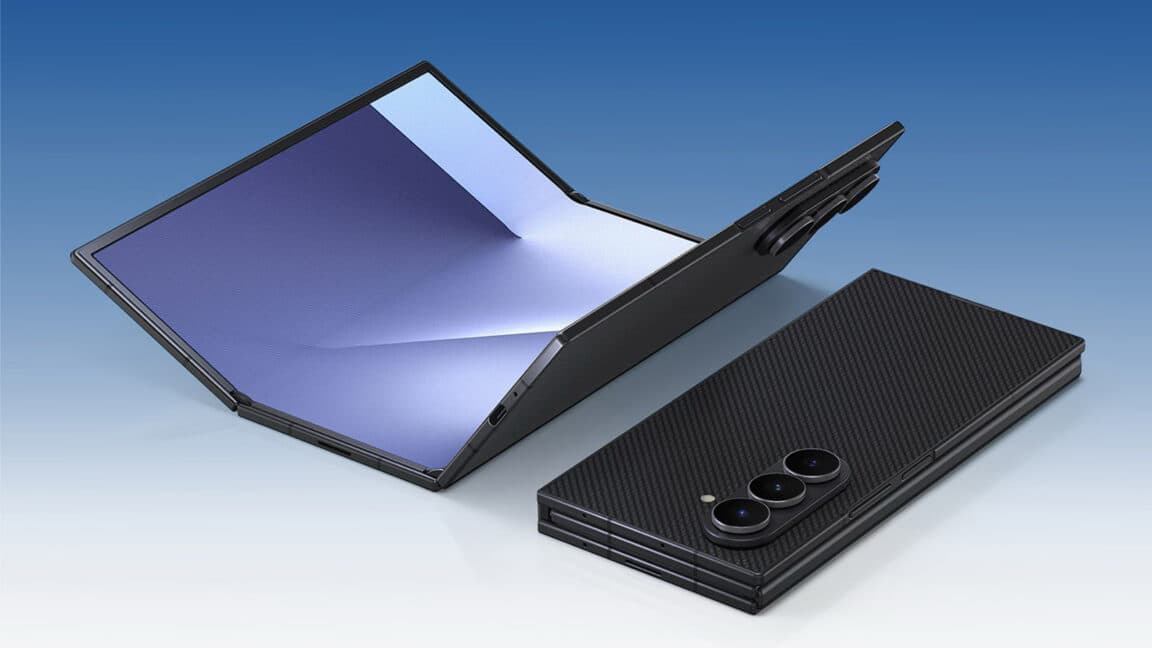
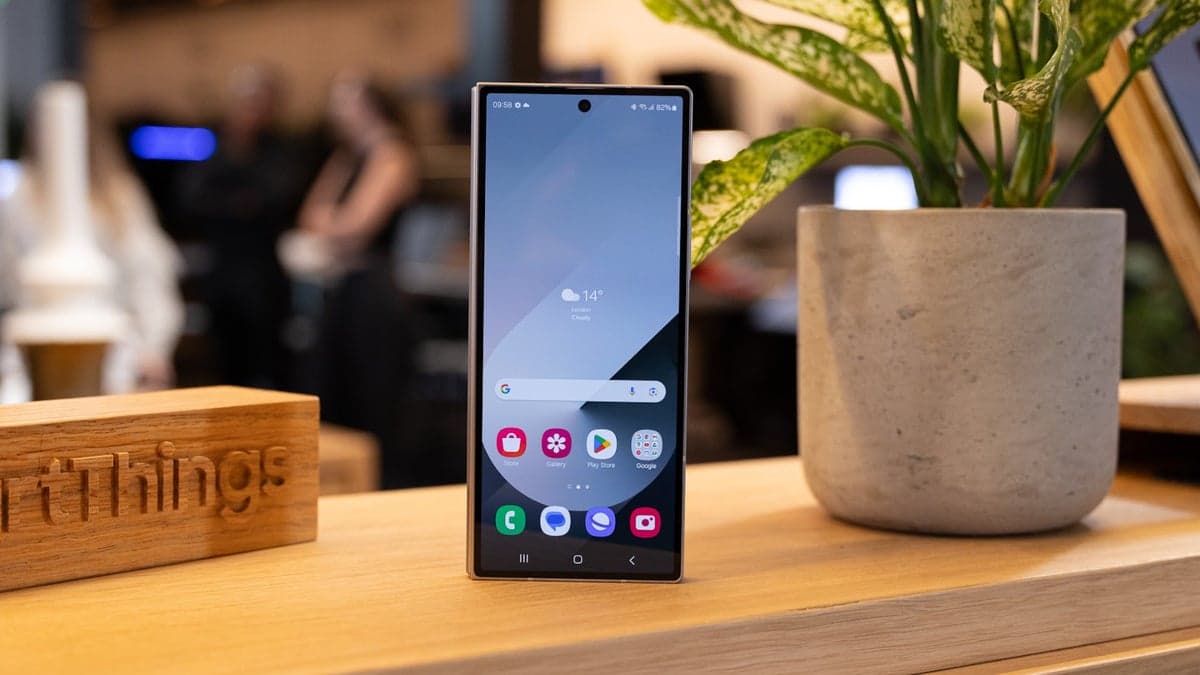
Samsung has abruptly pulled the plug on sales of its flagship Galaxy Z TriFold foldable phone just three months after its US debut, marking one of the shortest-lived flagship device launches in recent memory. The company confirmed that all available units in its home market of South Korea have been sold out, while customers in the United States can still attempt to purchase the device—if any remain—exclusively through Samsung’s website or at one of its seven Experience Stores. Priced at $2,899, the 10-inch trifold device was designed not as a mass-market product but as a technological showcase of Samsung’s engineering prowess in foldable displays.
What Is the Samsung Galaxy Z TriFold and Why Did It Fail So Soon?
The Samsung Galaxy Z TriFold represents a bold experiment in smartphone form factor innovation. Announced on December 1, 2025, and released in South Korea on December 12, the device reached US shelves on January 30, 2026. It features a 6.5-inch cover display and unfolds into a spacious 10-inch main screen using two precision-engineered hinges. The phone’s triple-fold design—rare among consumer electronics—was intended to blend the portability of a smartphone with the productivity of a tablet, positioning it as a “super-premium” device meant to demonstrate Samsung’s design capabilities.
Limited Availability and High Price Deterred Mass Adoption
Despite its $2,899 price tag, the Galaxy Z TriFold sold out within minutes of its US launch, underscoring strong initial demand among early adopters and tech enthusiasts. However, Samsung reportedly produced only about 3,000 units per day during its two-day launch window in South Korea—December 12 and December 17—totaling approximately 6,000 units sold in its home market. According to the *Dong-A Ilbo*, an unnamed industry expert characterized the device not as a profit-driven product but as an “iconic product created to show its technological prowess.”
The price reflected not only the advanced hardware but also the high manufacturing costs associated with foldable displays, multi-hinge mechanisms, and premium materials. A CNET review by Abrar Al-Heeti noted that the phone was “versatile, innovative, and practical,” capable of doubling as a workstation or multimedia tablet. Yet, she emphasized that its cost made it accessible only to a select group of affluent consumers. Reviews consistently praised the device’s adaptability and joy of use, while acknowledging it as a niche product not suited for the average buyer.
Soaring Component Costs and Supply Chain Pressures
Behind the scenes, Samsung faced significant headwinds from rising component costs, which played a crucial role in its decision to halt sales. Market research firm TrendForce reported that prices for DRAM, NAND flash, and application processors surged in 2025–2026, driven in part by increased demand for AI-related computing workloads. DRAM serves as the device’s working memory, NAND flash provides storage, and the application processor powers the Android operating system. The cumulative effect of these cost increases made mass production of the Galaxy Z TriFold financially unviable at its current price point.
Samsung’s Mobile Experience Business unit, led by Chief Operating Officer Won-Joon Choi, has not ruled out the possibility of reintroducing the TriFold or an updated version in the future. In comments to *Bloomberg* last month, Choi indicated that the company remains undecided about a wider rollout, suggesting that Samsung may revisit the trifold concept once component costs stabilize or design efficiencies improve.
Market Response and Consumer Enthusiasm: A Contradiction in Signals
The rapid sell-out of the Galaxy Z TriFold in both South Korea and the US sent mixed signals to the tech industry. On one hand, it demonstrated that demand exists for ultra-premium, form-factor-forward smartphones—especially among early adopters eager to own cutting-edge devices. On the other hand, the limited availability and high price exposed the fragility of the foldable phone market when faced with economic and supply chain constraints.
Expert Insights: Foldables as a Long-Term Growth Vector
Francisco Jeronimo, vice president of client devices research at IDC, sees trifold phones as part of a broader evolution in mobile device design. He highlighted Huawei’s success with its Mate X series, which has sold over 1.2 million units, generating approximately $3.2 billion in revenue. “Trifold phones are a segment with clear long-term potential,” Jeronimo stated. “Consumers are increasingly open to larger, more adaptable screens that can adapt to work and entertainment needs.” Samsung’s TriFold, he argued, should be understood not as a standalone product but as part of a strategic exploration into hybrid devices—where smartphones, tablets, and laptops increasingly converge.
Where to Buy the Galaxy Z TriFold Today and What Comes Next
As of early April 2026, the Samsung Galaxy Z TriFold is no longer available for purchase on the company’s official website, and inventory at Samsung Experience Stores appears to be exhausted. Reports from Reddit users and tech media indicate that isolated units may still be found at select flagship stores in cities like Frisco, Texas, and Queens, New York, though availability is highly unpredictable. Samsung has not announced a restock date or a successor model, leaving consumers and analysts to speculate about the device’s future.
Key Takeaways
- Samsung has discontinued sales of the $2,899 Galaxy Z TriFold in the US and South Korea after just three months on the market.
- Only about 6,000 units were sold in South Korea during a two-day launch window, despite strong initial demand.
- Rising costs for DRAM, NAND flash, and processors—driven by AI workload demand—made mass production economically unfeasible.
- The device was positioned as a technological showcase rather than a mass-market product, emphasizing innovation over profitability.
- Samsung has left the door open for a future trifold device, pending cost reductions and design improvements.
The Future of Trifold Phones: Trend or Niche?
The Galaxy Z TriFold’s short lifecycle highlights both the promise and peril of trifold smartphones. While early sales suggest appetite among affluent consumers for revolutionary form factors, the device’s failure to achieve broader market penetration underscores the challenges of balancing innovation with accessibility. Analysts point to Huawei’s continued investment in trifold devices as evidence that the category has merit, but also emphasize that sustained success will depend on cost reduction, software optimization, and consumer education.
Samsung’s experience with the TriFold may inform its future foldable portfolio, which includes the Galaxy Z Fold and Z Flip lines. While those devices have found more stable footing in the market, the trifold format remains unproven at scale. Competitors like Tecno have shown conceptual trifold models at global trade shows, signaling ongoing interest in the space—but none have yet matched Samsung’s commercial attempt.
Alternatives to the Galaxy Z TriFold for Trifold Enthusiasts
For consumers eager to experience a trifold smartphone, current options are limited. Huawei’s Mate XT Ultimate is available in select markets outside the US, though import restrictions and regional pricing may apply. Tecno, a subsidiary of Transsion, unveiled its Phantom Ultimate G concept at Mobile World Congress 2026 but has not announced a commercial release. Meanwhile, Samsung’s own Galaxy Z Fold series continues to offer a more conventional foldable experience with a single fold and a 7.6-inch internal display priced around $1,800.
“The Galaxy Z TriFold embodies what foldable phones have long strived to be: versatile, innovative, and practical. And honestly, it's just a joy to use.” — Abrar Al-Heeti, CNET Senior Writer
Frequently Asked Questions
Frequently Asked Questions
- Will Samsung bring back the Galaxy Z TriFold in the future?
- Samsung has not made a final decision. COO Won-Joon Choi told Bloomberg that the company is still evaluating whether to reintroduce the TriFold or an updated version once manufacturing costs decrease or design efficiencies improve.
- Are there any trifold phones available for purchase right now?
- Limited inventory may still exist at select Samsung Experience Stores in the US, but the device is generally sold out. Alternatives include Huawei’s Mate XT Ultimate, sold in select international markets, and Tecno’s Phantom Ultimate G, which remains a concept device.
- How much did the Galaxy Z TriFold cost and what features did it have?
- The Galaxy Z TriFold launched at $2,899. It featured a 6.5-inch cover display and unfolded into a 10-inch main screen using two hinges. It was praised for its versatility and innovation but criticized for its high price and thickness when closed (12.9mm).