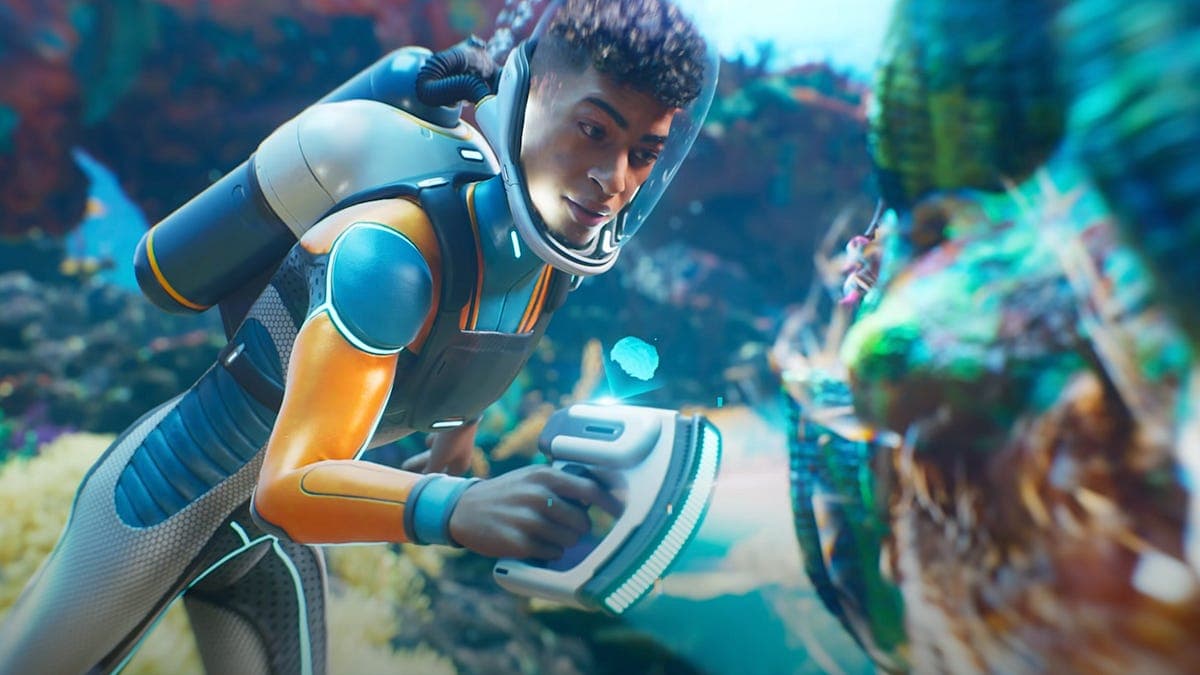
In a dramatic escalation of a high-stakes legal battle, lawyers for the ousted leadership of Unknown Worlds—the studio behind the critically acclaimed underwater survival game *Subnautica 2*—have accused South Korean gaming giant Krafton of flouting a Delaware court’s ruling by announcing an early access release for the game in May. The dispute, which has drawn attention to corporate contract violations, multi-million-dollar bonuses tied to game performance, and the future of one of the most anticipated titles in gaming, centers on whether Krafton improperly seized control of the game’s release timeline despite a judge’s order restoring authority to the original executive team.
Key Takeaways: The Core Issues in the Subnautica 2 Legal Dispute
- Krafton announced *Subnautica 2* would enter early access in May just one day after a Delaware court ruled that the publisher had breached its contract by firing the game’s original leadership team to avoid paying up to $250 million in potential bonuses.
- Lawyers for former Unknown Worlds CEO Ted Gill argue that Krafton’s announcement violated the court’s order, which restored Gill’s authority over the game’s release decisions and required both sides to act in good faith.
- Krafton claims its announcement was merely a celebration of a milestone and that Gill retains full discretion over the release—setting the stage for a potential contempt hearing if the court finds misconduct.
- The legal fight hinges on whether Krafton’s actions undermined the court’s intent to restore the original leadership’s contractual rights, potentially delaying the game’s marketing and community coordination.
Court Ruling Reinstates Former Unknown Worlds Executives—Then Krafton Pushes Back
On Monday, March 17, Vice Chancellor Lori Will of Delaware’s Court of Chancery delivered a decisive ruling in favor of former Unknown Worlds CEO Ted Gill, co-founders Charlie Cleveland and Max McGuire, collectively represented by Fortis Advisors. Will found that Krafton had breached its contract with the studio’s leadership by terminating them in June 2024 to avoid paying up to $250 million in performance-based bonuses they stood to earn if *Subnautica 2* launched in early access. The bonuses were tied to the game’s commercial success, a metric tied to early access performance.
Will’s ruling mandated that Gill be reinstated as CEO with full authority over *Subnautica 2*’s release decisions, including early access. The order also required both parties to work in good faith to resolve their remaining contractual obligations—a provision that has since become central to the new dispute. Krafton, however, responded almost immediately with its own interpretation of the ruling, setting the stage for a clash over who controls the game’s future.
Krafton’s Push for Early Access Despite Court Orders
On Tuesday, March 18, just one day after Will’s ruling, an internal memo from Steve Papoutsis—Krafton’s appointee to lead Unknown Worlds after the firings—was leaked to IGN. In the memo, Papoutsis announced that *Subnautica 2* had passed a critical development milestone “last week” and declared the game “ready for Early Access release in May.” The announcement caught Gill’s legal team off guard, as it appeared to preempt their restored authority over the game’s launch.
“Krafton self-servingly announced the launch without any regard to its impact on the game, the team, or the community—let alone this Court’s Opinion. Announcing the release of a game is momentous, and it is typically accompanied by significant marketing activity, fanfare, and community coordination. And most importantly, the announcement is carefully designed to maximize excitement for the game. That entire process was supposed to be driven by Mr. Gill. However, in defiance of the Court’s Opinion, Krafton has now taken that away, further damaging the game and sowing additional confusion among the Subnautica community.”
Gill’s legal team argued in a Tuesday night letter to Vice Chancellor Will that Papoutsis lacked the authority to make such an announcement, as Gill was reinstated as CEO at 9 a.m. ET on Monday, March 17—the effective date of Will’s order. Under the ruling, only Gill had the discretion to determine *Subnautica 2*’s release timeline. The lawyers also accused Krafton of intentionally leaking the memo to manipulate public perception before an official statement, a tactic they claimed was designed to undermine Gill’s restored authority.
Krafton Counters: ‘No Violation of Court Order’
In a Wednesday response to Will, Krafton’s legal team pushed back aggressively, arguing that Papoutsis’s memo was merely a celebration of a past milestone review—one that occurred before Will’s ruling—and did not violate her order. They emphasized that Gill retained full autonomy to make his own assessment of the game’s readiness and that Papoutsis’s message did not alter that fact.
“Papoutsis’s message was simply celebrating the UW employees’ efforts toward a past event: Krafton’s pre-Opinion determination that *Subnautica 2* was ready for Early Access release. There was nothing improper about conveying the results of the milestone review or thanking the development team for their dedication and talent.”
Krafton’s lawyers further asserted that Gill could still independently evaluate the game’s state and determine his own release schedule, framing the memo as a neutral acknowledgment of development progress rather than a usurpation of authority. The publisher also disputed the timeline of Will’s ruling, arguing that its effects did not take hold until the signing of an “implementing order,” which remained unresolved.
Legal Escalation: Contempt Claims and Sanctions Loom
The conflict took a sharper turn on Friday, March 20, when Gill’s legal team filed a motion accusing Krafton of contempt and requesting sanctions. The motion, filed just hours after initial reports on the dispute surfaced, argued that Krafton’s post-ruling announcements—including confirmations to Kotaku and PC Gamer—were made in defiance of the court’s intent to restore Gill’s control over the game’s future. The motion stated that Krafton had effectively forced Gill into a corner, requiring him to navigate publishing agreements, advertising planning, and fan expectations without the opportunity to assess the game’s readiness himself.
“Krafton’s actions have undermined the relief sought in this expedited phase of the litigation, in which the Founders spent nine months and millions of dollars fighting to restore their bargained-for right to determine when and how the game would launch. Krafton put him in this position before he even had the opportunity to see the developers’ months of hard work to plan a path forward.”
Gill’s team also reserved the right to seek “all appropriate relief,” including reimbursement of legal fees, framing the dispute as a direct challenge to the court’s authority. The motion underscored the high stakes: with millions of dollars in potential bonuses tied to the game’s commercial performance, any misstep in the launch process could have financial repercussions for both the studio and its former leadership.
The Broader Implications for Gaming’s Corporate Landscape
The *Subnautica 2* legal battle is more than a contractual dispute—it’s a microcosm of the growing tensions in the gaming industry, where publishers and developers increasingly clash over creative control, financial incentives, and the commercialization of beloved franchises. Unknown Worlds, the independent studio behind the original *Subnautica* (2018), was acquired by Krafton (the South Korean conglomerate behind *PUBG* and *Elden Ring*) in 2021. The acquisition was initially seen as a vote of confidence in the studio’s vision, but the firing of its leadership and the subsequent legal battle have exposed the friction between corporate interests and creative autonomy.
Analysts note that performance-based bonuses tied to game performance are becoming more common in publishing deals, particularly for high-profile titles with strong pre-launch hype, like *Subnautica 2*, which holds the record for the most-wishlisted game on Steam. The original *Subnautica* sold over 10 million copies and earned critical acclaim for its immersive world-building and survival mechanics. A rushed or poorly marketed early access launch—especially one mired in controversy—could risk alienating the game’s dedicated fanbase, which has waited years for a sequel.
The Role of Early Access in Modern Game Development
Early access has become a double-edged sword for game developers. On one hand, it allows studios to generate revenue, gather player feedback, and refine their games before a full release, as seen with titles like *Valheim* and *Baldur’s Gate 3*. On the other hand, it can expose developers to criticism, financial pressure, and community backlash if the game is perceived as unfinished or poorly managed. For *Subnautica 2*, early access is particularly critical: the game’s development has been shrouded in secrecy, and its marketing has relied heavily on the original’s reputation. A misstep in the early access rollout—whether in timing, communication, or quality—could have lasting consequences for both the game’s success and the studio’s morale.
What’s Next: Will the Court Intervene?
As of now, Vice Chancellor Lori Will has not responded to the latest filings from either side, and her decision on whether to hold a contempt hearing or issue sanctions remains uncertain. Both parties were previously ordered to confer this week and submit a proposed judgment consistent with her ruling, a process that could either resolve the dispute or escalate it further. If Will sides with Gill’s team, Krafton could face penalties ranging from fines to forced compliance with the court’s original order. Conversely, if she rules in Krafton’s favor, Gill may be left with limited recourse, potentially forcing him to accept a release timeline he did not choose.
The outcome of this case could set a precedent for how courts handle disputes between game publishers and developers, particularly in cases involving creative control and financial incentives. For *Subnautica 2* fans, the legal battle adds another layer of uncertainty to a game they have waited years to play, while for the industry, the dispute highlights the growing pains of corporate ownership in a sector that has long prized independence and artistic vision.
The Human Cost: Unknown Worlds’ Team in the Crossfire
Beyond the legal and financial stakes, the dispute has left the Unknown Worlds team in a precarious position. The studio’s developers—many of whom have worked on the *Subnautica* franchise for years—are caught between corporate directives, legal orders, and the expectations of a passionate fanbase. The original *Subnautica* was a passion project for co-founder Charlie Cleveland, who served as lead designer, and the game’s success was built on a collaborative, iterative process. The firing of the leadership in 2024 and the subsequent legal battle have disrupted that culture, leaving employees to navigate an environment of uncertainty and conflicting priorities.
Frequently Asked Questions About the Subnautica 2 Legal Battle
Frequently Asked Questions
- What is the core dispute in the Subnautica 2 legal battle?
- The dispute centers on whether Krafton violated a Delaware court order by announcing an early access release for *Subnautica 2* in May, despite the ruling reinstating former CEO Ted Gill’s authority over the game’s launch decisions.
- How much money is at stake in the contract dispute?
- Up to $250 million in potential performance-based bonuses are tied to the commercial success of *Subnautica 2*, which the ousted leadership team argued Krafton sought to avoid by firing them in 2024.
- What happens if the court finds Krafton in contempt?
- If found in contempt, Krafton could face sanctions, including fines or forced compliance with the court’s original order, which could delay the game’s release or require them to cede control of the launch to Gill.