The International Energy Agency on Wednesday said it would release 400 million barrels of oil from its strategic reserve, marking the largest oil release in the group's history as the global economy grapples with fallout from the U.S.-Israeli war with Iran.
Oil prices soared after the outbreak of war as traders feared a prolonged blockade of the Strait of Hormuz, a trading route that facilitates the transport of about one-fifth of the global oil supply.
Before the war, roughly 20 million barrels of oil passed through the strait each day, but tanker traffic has now "all but stopped," Faithe Birol, executive director of the IEA, said at a press conference on Wednesday.
"The conflict in the Middle East is having significant impacts on global oil and gas markets with major implications for energy security, energy affordability and the global economy," added Birol, whose organization counts 32 member nations, including the U.S.
The release from the IEA's oil reserve on Wednesday would make up for the lost oil flow for roughly 20 days. Taken together, IEA member countries retained about 1.2 billion barrels of reserve oil prior to the latest release, the group previously said.
U.S. crude oil prices hovered at about $86 per barrel on Wednesday, which marked a 35% increase from a month earlier. Still, oil prices remained well below a peak of $119 dollars a barrel reached on Monday.
Commercial vessels are pictured offshore in Dubai, March 11, 2026.
Some analysts previously told ABC News prices stand at risk of rising to $150 a barrel or higher. Saudi Aramco, the world's largest oil exporter, warned on Tuesday of "catastrophic consequences" for oil markets, unless tanker traffic resumes in the Strait of Hormuz.
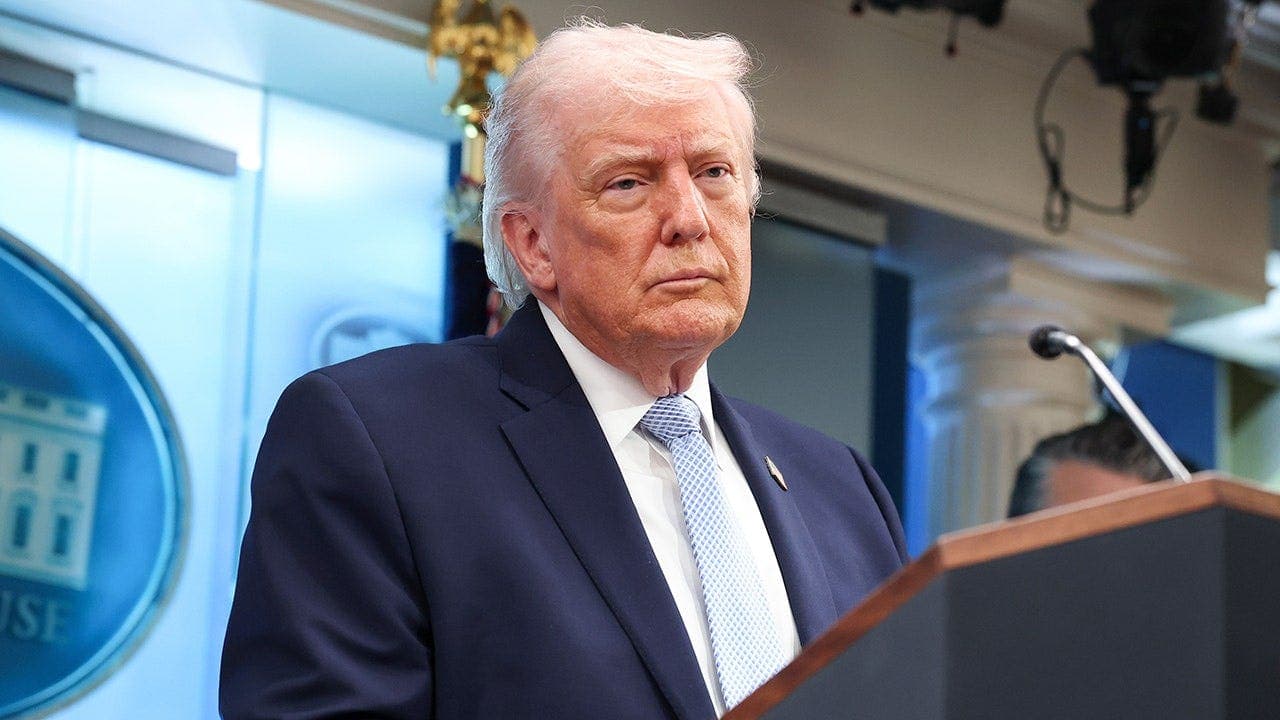
In recent days, Trump has voiced mixed messages about how the White House may address oil prices and related cost woes.
A retreat in oil prices on Tuesday came after the president indicated a day earlier the war may soon be over. Trump also threatened an escalation of the conflict on Monday, however, saying on social media that Iran would "be hit by the United States of America TWENTY TIMES HARDER" if it sought to impede tanker traffic in the Strait of Hormuz.
The U.S. military has begun examining ways to escort commercial ships through the strait, in case Trump requests it take such a step, Gen. Dan Caine, chairman of the Joint Chiefs of Staff, said at a press conference on Tuesday.
Consumers have faced higher prices at the pump in recent days. The average price of a gallon of gasoline in the U.S. jumped to $3.57 on Wednesday from $2.97 a month earlier, AAA data showed.
Birol, of the IEA, described the release of emergency oil reserves as a "major action."
"But, to be clear, the most important thing for a return to stable flows of oil and gas is the resumption of transit through the Strait of Hormuz," Birol added.