A record 3,250 Transportation Security Administration (TSA) officers called out Saturday, March 21, as the Department of Homeland Security (DHS) shutdown continued, according to exclusive data from the agency. The call-out rate of 11.51% of the scheduled workforce marked the highest since the partial shutdown began, creating severe delays for air travelers. At major airports like Hartsfield-Jackson Atlanta International and LaGuardia in New York, wait times exceeded two hours, with some travelers spending over two-and-a-half hours in security lines. The crisis has sparked a political battle over federal funding, with President Donald Trump pushing to deploy Immigration and Customs Enforcement (ICE) agents to airports to ease the strain, while union leaders warn that untrained federal agents could compromise airport security.
DHS Shutdown: A 3-Week Crisis with Far-Reaching Consequences
The Ongoing Federal Funding Dispute
The partial shutdown of the Department of Homeland Security began in early March 2024, when the Trump administration failed to fund key agencies like the Transportation Security Administration (TSA), the Federal Emergency Management Agency (FEMA), and the Coast Guard. This has left over 3,000 federal workers without pay for more than three weeks, as the Trump administration has not provided the necessary funding. The shutdown has created a critical shortage of security personnel at airports, forcing TSA officers to call out of work while agencies like ICE remain funded through separate appropriations. This funding disparity has exacerbated the crisis, with TSA agencies struggling to maintain safety standards amid rising passenger volumes.
The Impact on Air Travel and Public Safety
The shutdown has led to unprecedented delays at major U.S. airports, with travelers facing wait times of up to two-and-a-half hours at checkpoints. At Hartsfield-Jackson Atlanta International Airport, which handles over 30 million passengers annually, security lines stretched to the point of gridlock. Similar delays were reported at George Bush Intercontinental Airport in Houston and LaGuardia Airport in New York. Transportation Secretary Sean Duffy acknowledged the crisis, stating that ICE agents, trained for airport security, could assist TSA officers in non-specialized roles like managing lines. However, union leaders like American Federation of Government Employees (AFGE) National President Everett Kelley warned that deploying untrained ICE agents would compromise safety, as TSA officers have spent months mastering specialized skills to detect threats.
Trump's Plan to Deploy ICE Agents: A Controversial Solution
The Political Battle Over Funding and Security
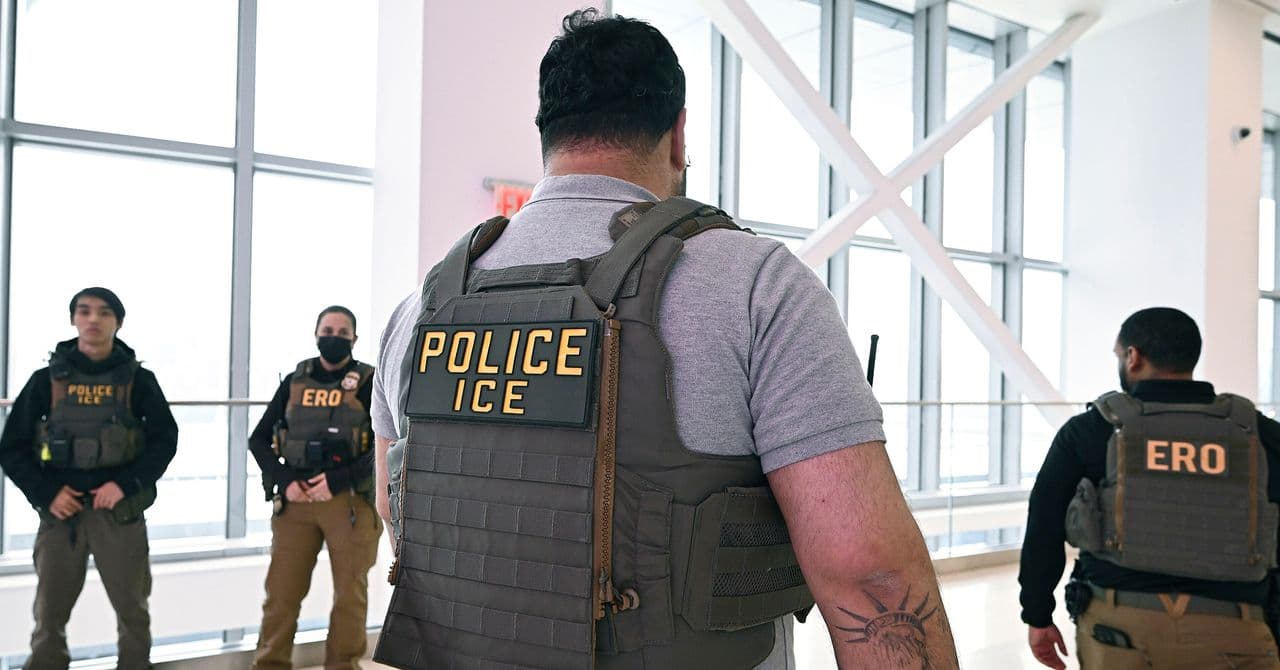
President Trump has proposed deploying Immigration and Customs Enforcement (ICE) agents to airports to alleviate the TSA staffing crisis, but Democrats have rejected the plan, demanding reforms to ICE and Customs and Border Protection (CBP) policies before approving funding. Federal officials have clarified that the deployment is not intended for immigration enforcement, but rather for temporary assistance in airport security roles. ICE agents, trained for border security, could help manage lines or guard exits, freeing TSA officers to focus on scanning passengers. However, critics argue that ICE agents lack the specialized training required for aviation security, such as detecting explosives or weapons hidden in luggage. As of Saturday, ICE agents were scheduled to be deployed to 14 airports, though the number could change as plans are finalized.
Union Leaders Warn of Risks to Airport Safety
Union leaders have condemned the administration's plan to deploy ICE agents, calling it a 'threat' to airport security. 'TSA officers spend months learning to detect explosives, weapons, and threats specifically designed to evade detection at checkpoints – skills that require specialized instruction, hands-on practice, and ongoing recertification. You cannot improvise that,' said AFGE National President Everett Kelley. 'Putting untrained personnel at security checkpoints does not fill a gap. It creates one.' The union has also criticized the Trump administration for not providing a pay raise to TSA workers, who have been without a paycheck for over three weeks. 'Our members at TSA have been showing up every day, without a paycheck, because they believe in the mission of keeping the flying public safe,' Kelley said. 'They deserve to be paid, not replaced by untrained, armed agents who have shown how dangerous they can be.'
The Human and Economic Impact of the Airport Delays
A Crisis Affecting Millions of Travelers
The airport security crisis has affected millions of travelers, with delays at major hubs like Hartsfield-Jackson Atlanta, which serves as a key gateway to the U.S. and Europe. The delays have also created economic strain, as businesses and tourism industries face disruptions. In New York, the LaGuardia Airport, which handles over 10 million passengers annually, reported a 1-hour-40-minute wait time for security checks, with some travelers waiting for over two hours. The situation has also raised concerns about the safety of air travel, as TSA officers, who are the only trained personnel for airport security, are now working with untrained federal agents. 'We're simply there to help TSA do their job in areas that don't need their specialized expertise, such as, you know, screening through the x-ray machine, not trained on that, we won't do that,' said White House Border Czar Tom Homan. 'But there are roles we can play to release TSA officers from the non significant role, such as guarding an exit, so they can get back to the scanning machines and move people quicker.'
The Broader Implications for Federal Agency Funding
The crisis has exposed a deeper issue: the Trump administration's approach to federal agency funding. Key agencies like the TSA, FEMA, and Coast Guard have been left unfunded, while ICE and CBP remain funded through separate appropriations. This has created a system where some federal agencies are underfunded, while others are overfunded, leading to a lack of balance in the Department of Homeland Security. The situation has also raised questions about the long-term sustainability of the federal government's ability to fund essential services. 'The problem is not just the current crisis, but the structural underfunding of the Department of Homeland Security,' said Transportation Secretary Sean Duffy. 'We need a comprehensive solution that addresses the funding needs of all agencies, not just a temporary fix.'
Key Takeaways from the Airport Security Crisis
- A record 3,250 TSA officers called out as the DHS shutdown continues, causing major airport delays.
- President Trump's plan to deploy ICE agents to airports is under fire for potential safety risks, as union leaders warn of untrained personnel at security checkpoints.
- The crisis highlights a broader issue of federal agency funding, with key agencies like the TSA left unfunded while others remain funded.
- Travelers are facing long wait times and security line chaos, with some airports reporting over two hours of delays.
- The political battle over funding and security has created a stalemate, with Democrats demanding reforms to ICE and CBP policies before approving funding.
Frequently Asked Questions
- How is the DHS shutdown affecting airport security?
- The partial shutdown of the Department of Homeland Security has left the Transportation Security Administration (TSA) with a critical shortage of staff, leading to record call-out rates and long wait times at major airports. The crisis has also prompted the Trump administration to deploy Immigration and Customs Enforcement (ICE) agents to assist with airport security, though this has been met with resistance from union leaders who warn of potential safety risks.
- What is the Trump administration's plan to address the TSA staffing crisis?
- The Trump administration has proposed deploying Immigration and Customs Enforcement (ICE) agents to airports to help alleviate the TSA staffing crisis. This plan, however, has been met with opposition from union leaders, who argue that untrained federal agents could compromise airport security. The deployment is intended to assist with non-specialized roles like managing lines, but it has raised concerns about the safety of untrained personnel at security checkpoints.
- What are the implications of the ongoing federal funding dispute?
- The funding dispute has exposed a deeper issue: the Trump administration's approach to federal agency funding, with key agencies like the TSA left unfunded while others remain funded. This has created a system where some federal agencies are underfunded, while others are overfunded, leading to a lack of balance in the Department of Homeland Security. The situation has also raised questions about the long-term sustainability of the federal government's ability to fund essential services.