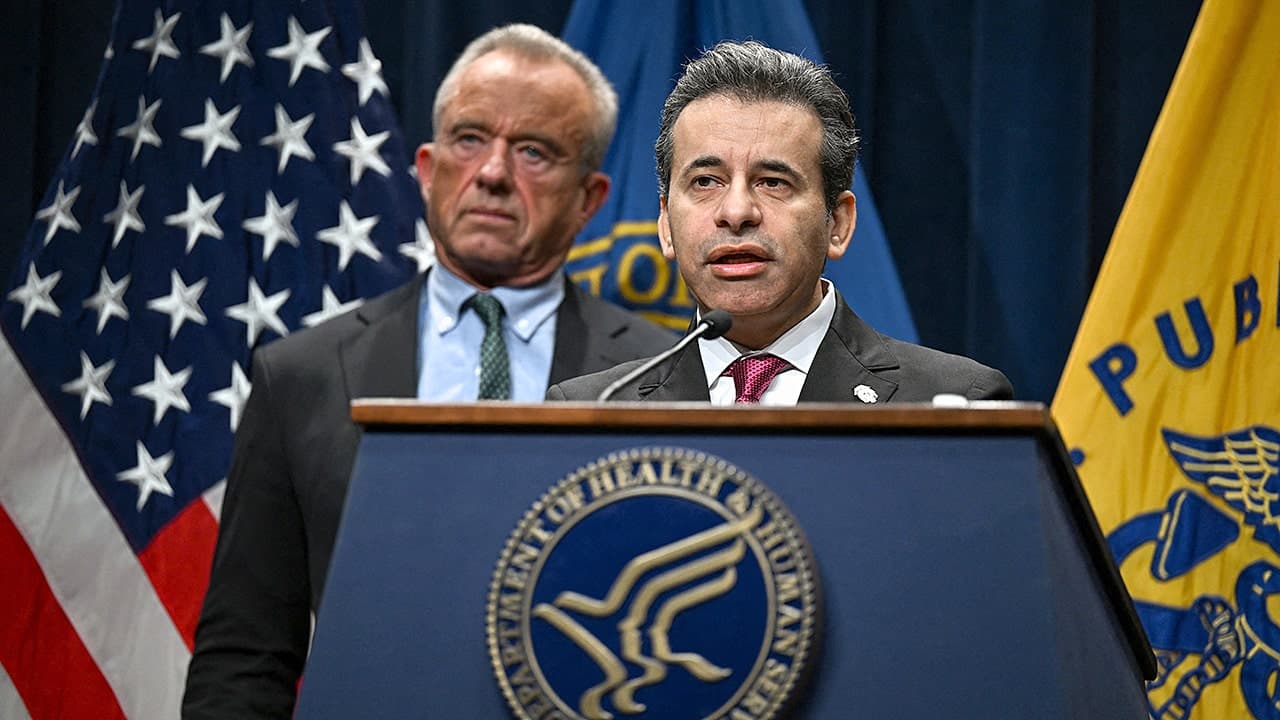
The Food and Drug Administration has officially launched a groundbreaking, nationwide artificial intelligence-powered system designed to comprehensively track the side effects and adverse events associated with drugs and vaccines across the United States. This significant technological initiative represents a fundamental shift in how the federal government's primary health regulatory agency monitors public health and safety at a national scale. The rollout of this AI-backed platform marks a pivotal moment in the FDA's modernization efforts, leveraging advanced computational technology to enhance real-time surveillance of pharmaceutical safety and improve the speed and accuracy of adverse event detection and reporting.
FDA's Landmark AI System Represents Biggest Technical Transformation in Agency History
According to FDA Commissioner Dr. Marty Makary, the deployment of this AI-powered platform constitutes the "biggest technical transformation in agency history." This characterization underscores the magnitude of the technological leap the FDA is undertaking in its approach to pharmaceutical surveillance and safety monitoring. The new system is engineered to modernize the agency's safety monitoring infrastructure, which has historically relied on more traditional methods of collecting, analyzing, and disseminating adverse event information. By implementing artificial intelligence technologies, the FDA aims to identify patterns and potential safety concerns with greater speed and precision than conventional approaches have allowed.
Improving Data Accessibility for Consumers and Researchers Through Advanced Technology
A central objective of the new AI-powered platform is to make adverse event data significantly more accessible and transparent to both the general public and the broader scientific research community. Historically, accessing comprehensive adverse event information required navigating complex FDA databases and regulatory processes that could be time-consuming and difficult for non-specialists. The modernized system aims to democratize access to critical safety information, enabling consumers to make more informed decisions about medications and vaccines, while simultaneously providing researchers with more readily available data for conducting independent studies and analyses.
The enhanced accessibility of adverse event data represents a meaningful shift toward greater transparency in pharmaceutical safety monitoring. When consumers and healthcare professionals have immediate access to comprehensive information about reported side effects and adverse reactions, they are better positioned to weigh the benefits and risks of specific treatments. Similarly, academic researchers and independent scientists can conduct more rigorous analyses of medication safety profiles, potentially identifying emerging safety signals that might warrant further investigation or regulatory action.
How Artificial Intelligence Enhances Drug and Vaccine Safety Monitoring
Pattern Recognition and Real-Time Detection Capabilities
Artificial intelligence systems excel at identifying complex patterns within large datasets that might be invisible to human analysts reviewing information manually. In the context of pharmaceutical safety monitoring, AI algorithms can process millions of adverse event reports simultaneously, detecting correlations between specific medications or vaccines and particular health outcomes. This capability enables the FDA to identify potential safety concerns in real-time or near-real-time, rather than waiting for patterns to emerge through traditional statistical analysis conducted over months or years. The speed advantage is particularly crucial in public health scenarios where rapid identification of emerging safety signals could prevent widespread harm.
Addressing Historical Blind Spots in Safety Surveillance
The FDA's emphasis on using AI to target what the agency characterizes as "blind spots" in traditional safety monitoring reflects a recognition that conventional surveillance methods have inherent limitations. These blind spots may include rare adverse events that occur infrequently enough to escape notice in smaller datasets, geographic variations in adverse event reporting that might indicate localized safety concerns, or complex interactions between multiple medications that are difficult to detect without sophisticated analytical tools. By deploying machine learning algorithms trained to recognize subtle patterns and anomalies, the FDA can potentially identify safety issues that might otherwise go undetected until they affect larger populations.
Broader Context: FDA's Role in Pharmaceutical Safety and Regulatory Oversight
The FDA's Center for Drug Evaluation and Research (CDER) and Center for Biologics Evaluation and Research (CBER) have long been responsible for monitoring the safety of approved medications and biologics, including vaccines, after they enter the market. This post-market surveillance function, known as pharmacovigilance, is critical to public health because it allows regulators to identify safety issues that may not have been apparent during pre-market clinical trials. Clinical trials, while rigorous, typically involve limited numbers of participants over defined time periods, meaning that rare adverse events or long-term effects may not be detected before a drug or vaccine receives approval. The FDA's post-market surveillance system, known as MedWatch, has traditionally relied on healthcare providers, manufacturers, and consumers to voluntarily report adverse events.
The transition from primarily voluntary, manual reporting systems to an AI-augmented surveillance infrastructure represents a significant evolution in how the FDA approaches its regulatory mission. By automating aspects of adverse event detection and analysis, the agency can reduce the burden on human reviewers while simultaneously improving the comprehensiveness and speed of safety monitoring. This modernization is particularly important given the volume of pharmaceutical products on the market and the complexity of tracking safety signals across diverse populations and healthcare settings.
Public Perception of AI in Healthcare and Broader Technological Transformation
The FDA's investment in artificial intelligence for healthcare surveillance reflects broader trends in how government agencies and private sector organizations are adopting AI technologies. Recent polling data indicates that voters increasingly expect artificial intelligence to fundamentally transform everyday life in the near term, rather than viewing it as a distant or purely theoretical technological prospect. This shifting public perception suggests growing acceptance of AI applications in critical sectors like healthcare and government, though it also underscores the importance of implementing these technologies responsibly and with appropriate safeguards to protect privacy and ensure accuracy.
As artificial intelligence technologies become more prevalent in healthcare applications—from diagnostic imaging to drug discovery to safety surveillance—public trust in these systems becomes increasingly important. The FDA's decision to enhance transparency by making adverse event data more accessible through the new platform may help build confidence in both the technology itself and the regulatory processes that govern pharmaceutical safety. When the public has greater visibility into how safety monitoring works and can access the underlying data, it may reduce skepticism about regulatory decision-making and increase understanding of the evidence basis for regulatory actions.
Implications for Future Pharmaceutical Regulation and Public Health Surveillance
The rollout of this AI-powered vaccine and drug safety platform may serve as a model for how federal agencies approach technological modernization in the coming years. As other regulatory agencies and public health organizations consider how to enhance their own surveillance and monitoring capabilities, the FDA's experience with AI implementation could provide valuable lessons about effective deployment, integration with existing systems, and approaches to maintaining data quality and security. The success or challenges encountered with this platform may influence how quickly other aspects of pharmaceutical regulation and public health surveillance adopt similar technologies.
Looking forward, this technological transformation has the potential to strengthen the FDA's ability to protect public health by enabling faster detection of emerging safety concerns and more efficient use of regulatory resources. However, successful implementation will require ongoing refinement of the AI algorithms, careful attention to data quality and completeness, and continued investment in the technological infrastructure required to support nationwide surveillance. The FDA's commitment to this modernization effort signals recognition that maintaining effective pharmaceutical safety oversight in an era of increasingly complex medical products requires embracing advanced technological tools.
- The FDA has launched a nationwide AI-powered system designed to track drug and vaccine side effects, representing the agency's biggest technical transformation in its history according to Commissioner Dr. Marty Makary
- The new platform aims to modernize safety monitoring and make adverse event data more accessible to consumers, healthcare professionals, and research institutions
- Artificial intelligence capabilities enable real-time detection of safety patterns and identification of previously undetected 'blind spots' in traditional pharmaceutical surveillance methods
- The modernization reflects broader trends in government adoption of AI technologies and growing public expectation that artificial intelligence will transform critical sectors including healthcare
- The platform's success could establish a model for how federal agencies approach technological modernization and enhance future pharmaceutical regulation and public health surveillance
Frequently Asked Questions About FDA's AI Vaccine Safety Platform
Frequently Asked Questions
- What is the FDA's new AI-powered vaccine safety platform designed to do?
- The FDA's new AI-powered system is designed to track and monitor side effects and adverse events associated with drugs and vaccines nationwide in real-time. According to FDA Commissioner Dr. Marty Makary, the platform modernizes safety monitoring and makes adverse event data more accessible to consumers, healthcare professionals, and researchers, representing the biggest technical transformation in the agency's history.
- How does artificial intelligence improve drug and vaccine safety monitoring compared to traditional methods?
- AI systems can process millions of adverse event reports simultaneously and identify complex patterns that might be invisible to human analysts, enabling real-time or near-real-time detection of potential safety concerns. This capability helps the FDA identify rare adverse events, geographic variations in safety signals, and complex drug interactions that traditional surveillance methods might miss.
- Will the new platform make adverse event data publicly accessible?
- Yes, a central objective of the new AI-powered platform is to make adverse event data significantly more accessible to both the general public and the research community. This increased transparency enables consumers to make more informed decisions about medications and vaccines, while providing researchers with readily available data for conducting independent studies and analyses.