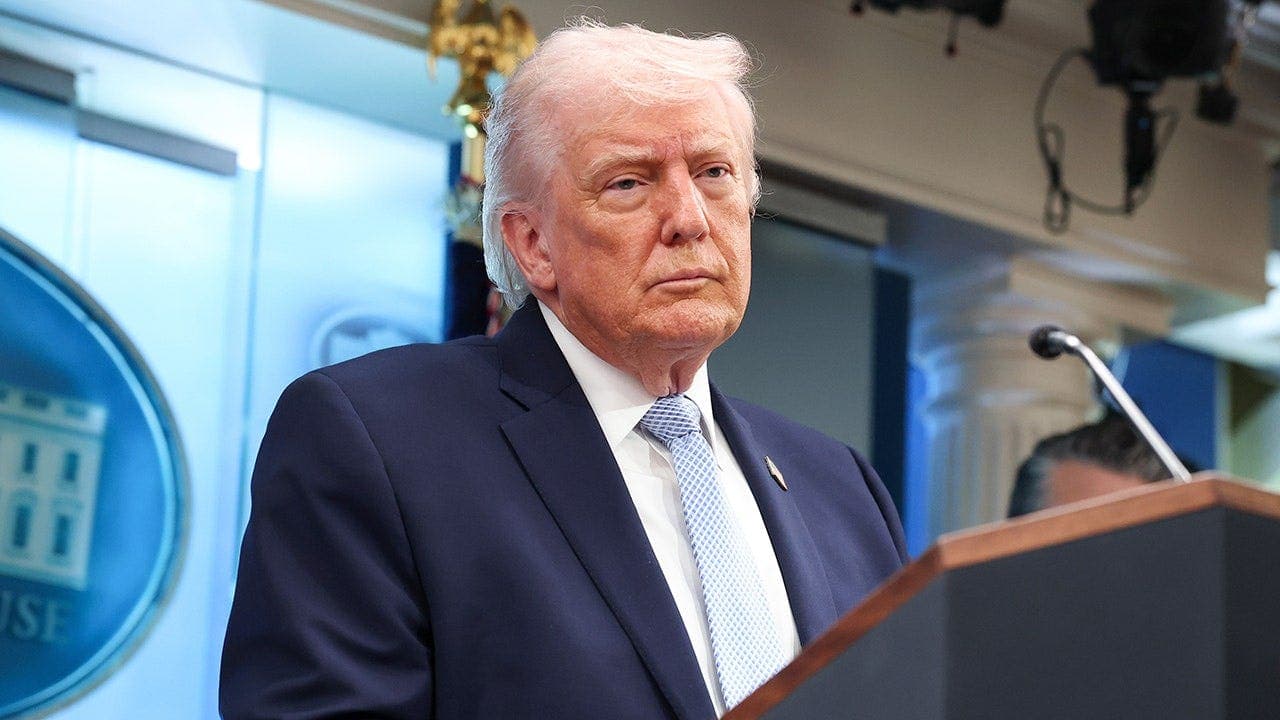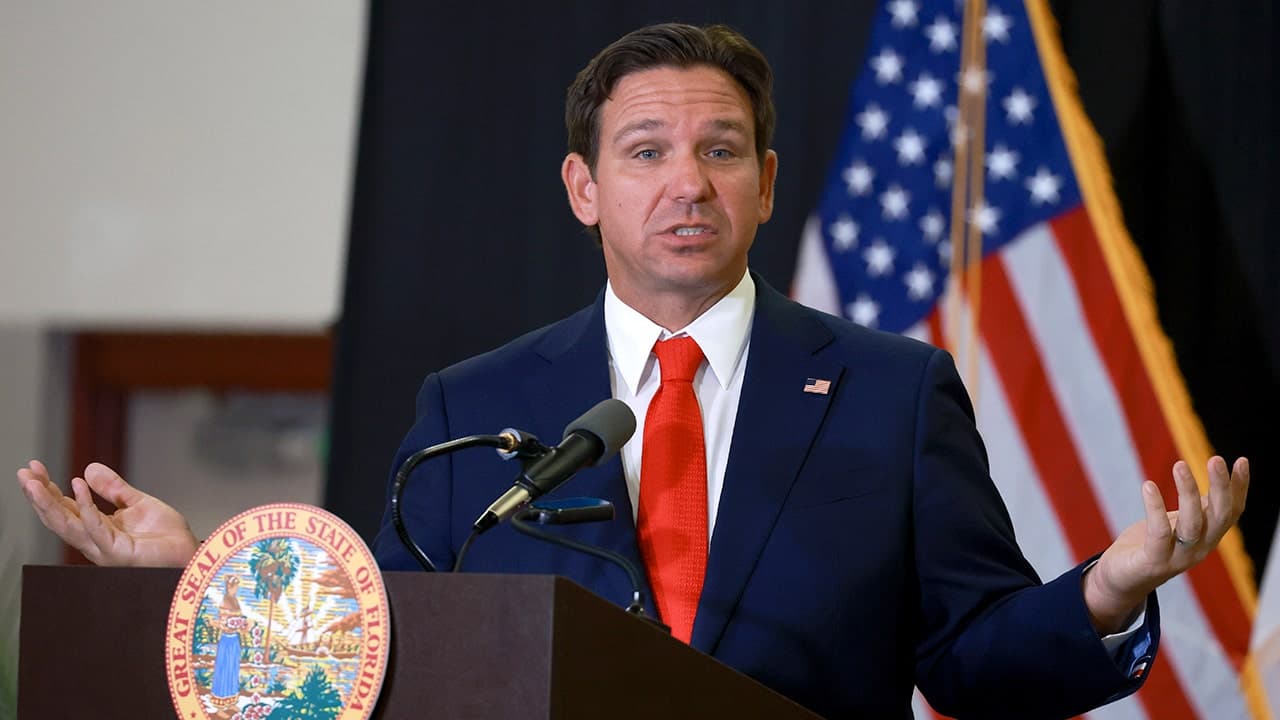
Florida lawmakers have advanced a sweeping elections bill to Republican Governor Ron DeSantis that mandates voters verify their citizenship during the registration process, mirroring provisions of the federal SAVE America Act championed by President Donald Trump. The measure represents a significant escalation in voting access requirements within one of the nation's largest and most politically consequential states, and signals a broader Republican push to implement stricter voter authentication standards across the country. DeSantis, who has positioned himself as a national leader on election security, is widely expected to sign the legislation into law.
Florida Legislature Approves Citizenship Verification Requirement With Party-Line Votes
The Florida House of Representatives approved the bill on Thursday in a decisive 77–28 vote, following the state Senate's passage of the identical measure just hours earlier by a vote of 27–12. Both chambers of the GOP-dominated legislature voted largely along partisan lines, with Republicans unified in support and Democrats almost entirely opposed to the measure. The rapid progression through both legislative chambers underscores the Republican Party's unified commitment to implementing voter citizenship verification systems at the state level, even as the corresponding federal legislation remains stalled in Congress.
Although Florida has already enacted much of what the federal legislation contemplates, this will further fortify our state as the leader in election integrity.
Governor DeSantis released a statement through social media following the legislative votes, emphasizing his support for what he terms "the Florida version of the SAVE Act." The governor's enthusiastic endorsement of the measure virtually guarantees his signature, positioning Florida as a vanguard state in implementing strict voter verification protocols. DeSantis has made election integrity a cornerstone of his political brand, particularly during his 2024 presidential campaign, which elevated voting security issues to prominence within Republican political discourse.
Understanding the SAVE Act and Its Federal Legislative Status
The federal SAVE Act, officially titled the Safeguard American Voter Eligibility Act, represents a comprehensive approach to voter authentication that has become central to Republican election policy. The legislation passed the Republican-controlled U.S. House of Representatives in February 2024 by a narrow margin, largely along party lines, but has encountered significant obstacles in the Senate. Despite Republicans holding a 53–47 majority in the chamber, the bill falls substantially short of the 60-vote threshold required to overcome a Democratic filibuster and advance to final passage.
President Trump has declared that passing federal proof-of-citizenship legislation should constitute Congress's number one priority, asserting that such a measure would "guarantee the midterms" for Republicans in the 2026 elections. Trump's emphasis on this issue reflects his broader focus on maintaining Republican control of Congress and advancing his party's electoral prospects in upcoming election cycles. The president's intervention has elevated the political salience of voter verification requirements within Republican circles, even as the federal bill remains mired in legislative gridlock.
Republican Arguments for Voter Citizenship Requirements Versus Democratic Opposition
The Republican Case for Election Security Measures
Republicans maintain that strict voter identification and proof-of-citizenship requirements are essential safeguards against potential electoral fraud and unauthorized voting by noncitizens. Proponents argue that such measures enhance election integrity and restore public confidence in voting systems. Public opinion polling demonstrates substantial bipartisan support for voter ID requirements and preventing noncitizen participation in federal elections, with majorities of Americans across the political spectrum endorsing these security measures.
Democratic Concerns About Voting Access and Barriers
Democrats and voting rights advocacy organizations contend that proof-of-citizenship requirements are unnecessary and counterproductive, arguing that citizenship already constitutes a legal prerequisite for voter registration and that documented instances of noncitizen voting remain extraordinarily rare. Critics assert that such measures create artificial barriers that disproportionately burden certain voter populations, including working families, elderly citizens, and college students who may lack readily available citizenship documentation. Democratic state Senator LaVon Bracy Davis of Orlando articulated this perspective in a social media statement, warning that "this bill creates real barriers for everyday Floridians, especially those with the fewest resources. It will disproportionately impact working families, seniors, and college students who want to exercise their voice and right to vote."
Voting rights organizations echo these concerns, arguing that proof-of-citizenship requirements effectively function as modern obstacles to ballot access, particularly for marginalized communities and individuals with limited access to documentation resources. These groups contend that such restrictions undermine democratic participation and contradict the fundamental principle of broad-based electoral engagement.
Florida Bill Implementation Timeline and Specific Provisions
A critical aspect of the Florida legislation involves its delayed implementation schedule, which shapes its practical electoral impact. The proof-of-citizenship requirement would not take effect until January 2025, occurring after the November 2024 midterm elections. This timing means that the measure will not influence the upcoming election cycle, despite Trump's assertion that such requirements should constitute an immediate legislative priority.
The legislation includes several additional provisions that merit examination. The bill would prohibit college students from utilizing student identification documents when voting in person, though this particular restriction would not become effective until 2027, creating a multi-year implementation period. Notably, the measure does not eliminate Florida's existing allowance for excuse-free mail-in voting, despite Trump's well-documented opposition to mail-ballot procedures. This omission represents a potential point of tension with the president's stated voting preferences, though it does not appear to have generated significant public criticism from Trump or his allies.
National Context: Proof-of-Citizenship Requirements Across American States
The Florida legislation would position the state as the most populous jurisdiction in the United States to mandate proof-of-citizenship for voter registration, reflecting the nation's third-largest state population and its significant electoral influence. However, Florida would not be the first state to implement such requirements, as several other jurisdictions have already enacted similar measures.
Arizona and Kansas established proof-of-citizenship requirements during the past two decades, pioneering this approach at the state level. Louisiana passed comparable legislation two years ago, expanding the number of states implementing such measures. More recently, South Dakota and Utah enacted proof-of-citizenship bills that await gubernatorial signatures, positioning these states to join the growing list of jurisdictions with such requirements. In 2024, New Hampshire mandated that all first-time voters demonstrate proof of citizenship during the registration process, adding another state to this expanding category.
This nationwide pattern reflects a broader Republican strategic initiative to implement voter verification requirements across multiple states, creating a patchwork of varying election rules. The simultaneous advancement of federal legislation alongside state-level measures demonstrates a coordinated approach to reshaping American electoral procedures according to Republican specifications.
Implications for 2026 Midterm Elections and Republican Electoral Strategy
The Florida legislation must be understood within the context of Trump's explicit goal of maintaining Republican congressional majorities during the 2026 midterm elections. The president has connected voting security measures directly to Republican electoral prospects, framing proof-of-citizenship requirements as essential to preserving party control of Congress. This framing elevates voting access restrictions from technical election administration matters to central components of Republican political strategy.
The delayed implementation timeline of Florida's citizenship verification requirement—occurring after the 2024 elections—suggests that the immediate political value of the legislation lies in demonstrating Republican commitment to election security rather than in its immediate electoral impact. The measure serves as a symbolic affirmation of Republican priorities and positions DeSantis as an ally of Trump's election-focused agenda, potentially influencing broader party dynamics and presidential considerations.
- Florida House approved proof-of-citizenship voting bill 77–28, with Senate passing identical measure 27–12, largely along party lines
- Legislation mirrors federal SAVE Act championed by President Trump and expected to be signed by Governor DeSantis
- Citizenship verification requirement takes effect January 2025 after midterm elections; student ID voting restrictions delayed until 2027
- Florida becomes most populous state to mandate proof-of-citizenship, joining Arizona, Kansas, Louisiana, and other states implementing similar measures
- Democrats argue requirements create unnecessary voting barriers for working families, seniors, and college students despite bipartisan public support for voter ID measures
Key Takeaways
Frequently Asked Questions
- What is the SAVE Act and how does Florida's bill relate to it?
- The SAVE Act (Safeguard American Voter Eligibility) is federal legislation that requires strict voter ID and proof-of-citizenship requirements nationwide. Florida's bill mirrors these provisions at the state level, implementing similar citizenship verification procedures for voter registration. President Trump has championed both the federal and state-level versions as essential election security measures.
- When will Florida's proof-of-citizenship requirement take effect?
- The citizenship verification requirement becomes effective in January 2025, after the November 2024 midterm elections. The provision prohibiting college students from using student IDs for voting will not take effect until 2027, creating a staggered implementation timeline.
- Which other states have enacted proof-of-citizenship voting requirements?
- Arizona and Kansas implemented such requirements within the past two decades, Louisiana passed similar legislation two years ago, and New Hampshire mandated proof-of-citizenship for first-time voters in 2024. South Dakota and Utah recently passed bills awaiting gubernatorial signatures. Florida will become the most populous state with such a requirement.