Iran’s Revolutionary Guard (IRGC) has claimed responsibility for shooting down a second US F-35 Lightning II stealth fighter jet over central Iran, marking a dramatic escalation in the already volatile West Asia conflict. The announcement, made via state media outlets including Mehr News Agency and Press TV, suggested the pilot’s survival was unlikely due to the severity of the crash. This second incident follows Iran’s earlier assertion—reported by Reuters on March 19—that it had become the first nation to successfully target a US F-35, a claim that has sent shockwaves through global military and intelligence circles. The alleged shootdowns coincide with a wave of Iranian missile strikes on Israel and Gulf states, as well as explosions in Tehran and Isfahan, amid heightened US military preparations in the region.
What We Know: Timeline of Iran’s Claims and Regional Attacks
The latest escalation began with Iran’s state-affiliated media asserting that its IRGC Aerospace Force deployed a newly developed air-defense system to down the F-35 over central Iran. According to a statement attributed to the Khatam al-Anbiya Headquarters’ spokesman and published by Press TV, the aircraft was struck with such force that the pilot’s ejection was improbable. The claim, echoed across Iranian platforms including the consulate in Mumbai’s X (formerly Twitter) account, included a video purporting to show the F-35’s destruction. While the Pentagon has not officially confirmed the incident, such assertions have historically been met with skepticism, though the timing aligns with a broader pattern of Iranian retaliation against perceived threats.
First F-35 Strike: Iran’s March 19 Claim
On March 19, Iran asserted it had become the first country to shoot down a US F-35, a claim that would carry significant strategic implications if verified. The F-35 Lightning II is the cornerstone of US fifth-generation fighter capabilities, with a unit cost exceeding $100 million and advanced stealth, sensor fusion, and networked warfare capabilities. Iran’s state media described the downing as a demonstration of indigenous defense technology, though independent verification remains absent. The Pentagon has previously dismissed similar claims, including past allegations of shooting down US drones, as unfounded or exaggerated.
Kuwait’s Oil Refinery Targeted: A Pattern of Regional Strikes
Parallel to the aerial claims, Iranian drones targeted Kuwait’s Mina al-Ahmadi oil refinery on Friday, triggering fires that required emergency response from state-run Kuwait Petroleum Corp. (KPC). No injuries were reported, but the attack underscores Iran’s willingness to disrupt critical energy infrastructure in the Gulf region. The refinery, one of Kuwait’s largest, has faced repeated drone and missile strikes in recent months, reflecting Tehran’s strategy of applying asymmetric pressure on regional rivals and US allies. The strait of Hormuz, through which approximately 20% of the world’s oil transits daily, has become a flashpoint as Iran seeks to assert control over a vital chokepoint.
US and Iranian Forces: Military Movements and Threats
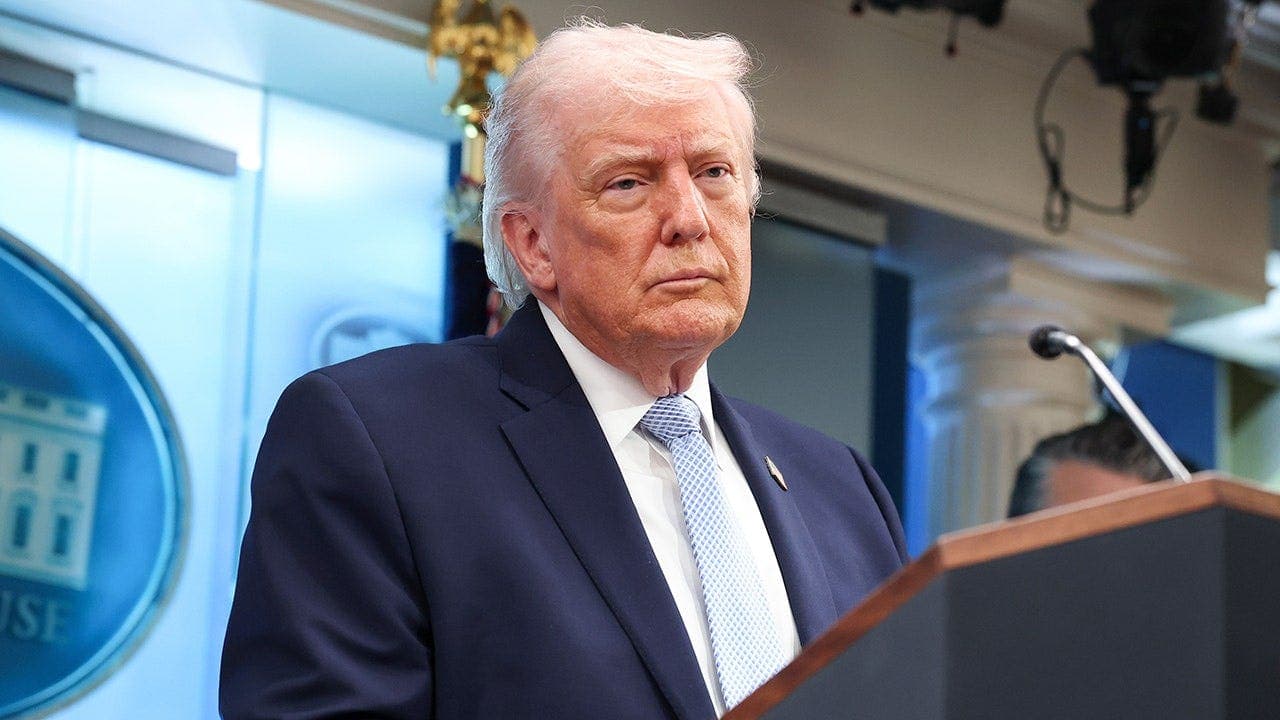
The escalation comes as US President Donald Trump, in a Thursday evening address, vowed that American forces would ‘hit Iran very hard’ in the coming weeks, signaling a potential intensification of military operations. Trump also announced on Truth Social that US forces had struck Iran’s largest bridge—a symbolic move intended, he said, to remind the Islamic Republic of the consequences of rejecting a proposed US-brokered peace deal. His remarks followed the deployment of the US Navy’s 6th Fleet’s largest aircraft carrier, the USS Gerald R. Ford, which departed Split, Croatia, to remain ‘poised for full mission tasking’ in support of US strategic objectives across the region.
The Geopolitical Stakes: Energy Markets, Nuclear Tensions, and Regional Power Struggles
The conflict is unfolding against a backdrop of heightened energy market volatility, with global oil prices reacting sharply to the instability in West Asia. Iran’s tightening grip over the Strait of Hormuz—through which an estimated 20% of the world’s oil and 30% of seaborne liquefied natural gas passes—has turned the narrow waterway into a geopolitical powder keg. Any disruption could send crude prices soaring, with knock-on effects on inflation, consumer prices, and global economic growth. Analysts warn that sustained attacks on Gulf energy infrastructure could trigger a supply shock reminiscent of the 1973 oil crisis, particularly if major producers like Saudi Arabia or Iraq are drawn into the conflict.
The Nuclear Question: Where Does the 2015 Deal Stand?
Former CIA director and current US Secretary of State Bill Burns, in a recent podcast interview with Foreign Affairs magazine, described the current US-Israeli campaign against Iran as ‘a war of choice’—one that risks strengthening hardline factions within Tehran’s theocratic regime. Burns, who played a pivotal role in secret negotiations leading to the 2015 Joint Comprehensive Plan of Action (JCPOA), or Iran nuclear deal, noted that while Iran’s government struggles with economic mismanagement and domestic unrest, its core institutions are designed to survive external pressure and even leadership decapitation.
“This is a regime that is inept at many things like managing its economy, but it is designed to preserve itself and designed to repress its own people and designed to withstand even the decapitation of its senior leadership.” — Bill Burns, former CIA Director and former US Deputy Secretary of State
The Role of the IRGC and Regional Proxy Networks
The IRGC’s Aerospace Force, responsible for the alleged F-35 shootdown, operates alongside a network of proxy groups spanning Lebanon (Hezbollah), Yemen (Houthis), Iraq (Kata’ib Hezbollah), and Syria (various allied militias). These groups have been implicated in numerous attacks on US forces and allies in the region, including the January 2020 killing of Iranian General Qasem Soleimani in a US drone strike. The IRGC’s dual military and economic role—controlling billions in assets and commanding significant influence over Iran’s economy—makes it both a formidable adversary and a potential internal power center that could shape Iran’s response to escalating pressure.
Key Takeaways: What This Escalation Means for Global Security
- Iran claims to have shot down a second US F-35 fighter jet over central Iran, though the Pentagon has not confirmed the incident. The F-35 is a cornerstone of US air dominance, making such a claim strategically significant if verified.
- Kuwait’s Mina al-Ahmadi oil refinery was struck by Iranian drones, adding to a pattern of attacks on Gulf energy infrastructure that threaten global oil supplies.
- The US, under President Trump, has signaled a potential military escalation, including strikes on Iranian infrastructure and the deployment of the USS Gerald R. Ford carrier group to the region.
- Energy markets are bracing for volatility as Iran threatens control over the Strait of Hormuz, a critical chokepoint for 20% of global oil and 30% of LNG shipments.
- Former CIA Director Bill Burns warns the current campaign risks empowering hardliners in Iran and destabilizing the region further.
Historical Context: From 1979 to the JCPOA and Beyond
The current conflict is rooted in decades of mutual hostility between the US and Iran, dating back to the 1979 Islamic Revolution and the subsequent hostage crisis at the US embassy in Tehran. Tensions eased briefly with the 2015 nuclear deal, which lifted sanctions in exchange for restrictions on Iran’s nuclear program. However, the Trump administration withdrew from the JCPOA in 2018, reimposing sanctions and triggering a cycle of Iranian retaliation, including attacks on oil tankers in the Gulf of Oman and the downing of a US RQ-4 Global Hawk drone in June 2019. President Biden’s subsequent efforts to revive the deal have stalled, leaving the agreement in limbo and regional tensions simmering.
The Humanitarian and Economic Toll: What’s at Stake for the Region
Beyond military posturing, the escalation carries severe humanitarian and economic consequences for West Asia. Iran’s economy, already crippled by sanctions and mismanagement, faces further strain as oil exports decline and inflation soars. Neighboring countries, including Iraq, Lebanon, and Jordan, are grappling with the fallout of regional instability, including surging food and fuel prices. The humanitarian crisis in Gaza and Yemen continues to worsen, with Iran-backed groups playing a central role in both conflicts. Meanwhile, the specter of a wider regional war looms, with Israel and US forces on high alert and Iran’s proxies poised for further action.
What’s Next? Scenarios for De-escalation or Further Conflict
The coming weeks will be critical in determining whether the current escalation spirals into a broader regional conflict or if diplomatic channels can be revived. Analysts suggest several potential pathways: a US-led military response targeting IRGC command-and-control nodes; a renewed push for indirect negotiations with Iran via European or Gulf intermediaries; or a continuation of proxy warfare, with Iran’s allies launching attacks on US bases or Israeli targets. The destruction of Iran’s largest bridge, as announced by Trump, may be intended to send a deterrent message, but it risks triggering further retaliation from Tehran.
Expert Analysis: Voices from the Intelligence and Policy Community
Retired Admiral James Stavridis, former Supreme Allied Commander of NATO, cautioned in a recent interview with CNN that the risk of miscalculation in West Asia is ‘higher than at any point since the 1973 Yom Kippur War.’ He highlighted the danger of accidental engagements between US and Iranian naval or air forces, particularly in the crowded waters of the Persian Gulf and Strait of Hormuz. Meanwhile, Vali Nasr, a professor of international affairs at Johns Hopkins University and former State Department adviser, noted that Iran’s strategy appears to be one of ‘calculated brinkmanship’—inflicting pain without triggering a full-scale war.
Global Reactions: Allies, Rivals, and Markets Respond
The international response has been mixed. European Union foreign policy chief Josep Borrell called for ‘maximum restraint’ and urged all parties to avoid actions that could escalate the crisis. Saudi Arabia, a key US ally in the Gulf, has reportedly engaged in quiet diplomacy to mediate between Iran and the US, fearing that a wider conflict could destabilize the region and disrupt oil flows. Russia and China, meanwhile, have condemned US strikes and warned against unilateral military action, positioning themselves as voices of reason while advancing their own strategic interests in the region. Global financial markets have reacted with caution, with oil futures rising on concerns over supply disruptions.
Frequently Asked Questions
Frequently Asked Questions
- Has the US confirmed that Iran shot down a second F-35?
- No. The Pentagon has not issued an official confirmation regarding the claim that Iran shot down a second US F-35 fighter jet. Such reports remain unverified and are being evaluated by US intelligence and military sources.
- Why is the Strait of Hormuz so important in this conflict?
- The Strait of Hormuz is a critical chokepoint through which approximately 20% of the world’s oil and 30% of seaborne liquefied natural gas transits daily. Any disruption could trigger significant spikes in global energy prices and fuel economic instability worldwide.
- What is the JCPOA, and how does it relate to current tensions?
- The Joint Comprehensive Plan of Action (JCPOA), commonly known as the Iran nuclear deal, was a 2015 agreement that lifted economic sanctions on Iran in exchange for strict limits on its nuclear program. The US withdrew in 2018, but the deal remains a point of contention as regional tensions escalate.