Live Updates En español: guerra con Irán
See video of US strikes on Iranian vessels in the Strait of Hormuz
• Tankers ablaze: Iran has ramped up retaliatory attacks on energy supplies with strikes on two foreign oil tankers in Iraqi waters. Separately, a video geolocated by CNN appeared to show an Iranian drone hitting a fuel tank in an Omani port.
• Oil tops $100 (again): Oil climbed above $100 overnight. The jump came despite the International Energy Agency agreeing to release a record 400 million barrels of oil from reserves into the global market.
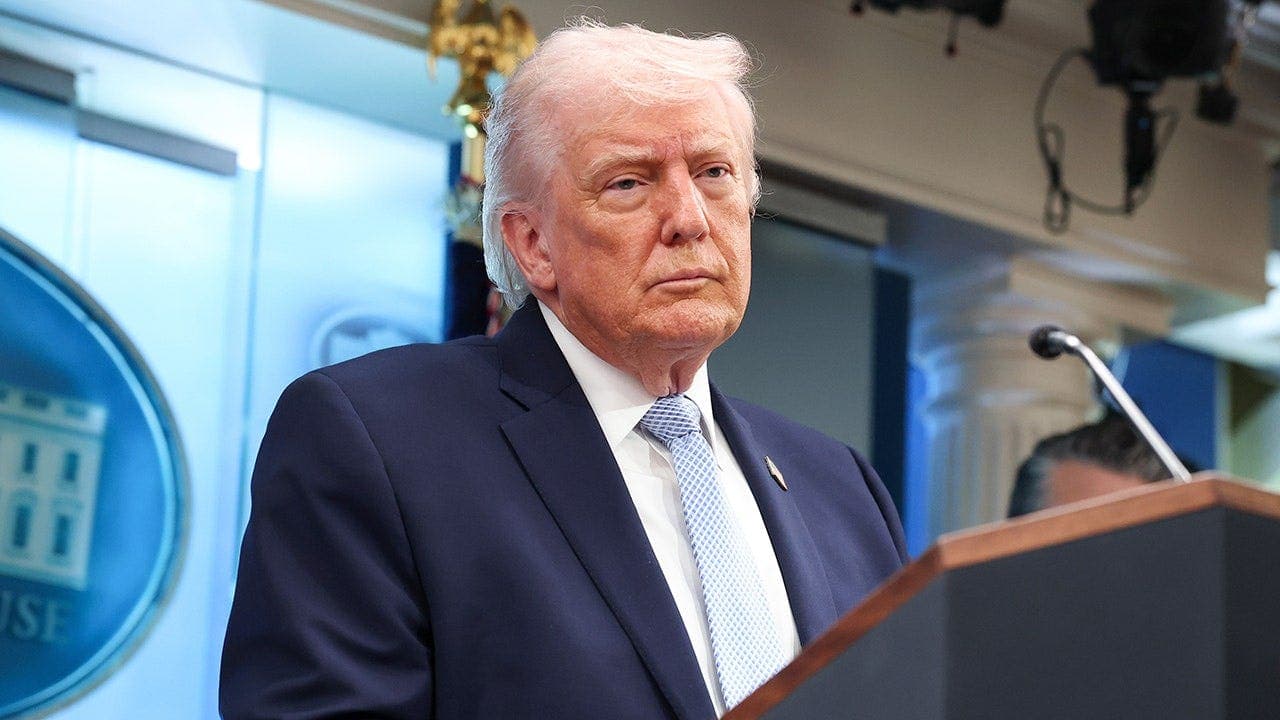
• Claiming victory: President Trump has been repeating his claim that the US has won the war, even as the conflict widens. “It’s just a question of when, when do we stop?” he said.
• Girl’s school bombing: The US military accidentally struck an Iranian elementary school on February 28 likely due to outdated information about a nearby naval base, according to two sources.
Our live coverage has moved here
A container ship off the coast of the United Arab Emirates was struck by an “unknown projectile” that caused a small fire onboard early Thursday, the UK’s Maritime Trade Operations (UKMTO) said Thursday.
The incident marks the sixth attack in two days on vessels operating in the Persian Gulf as Iran has ramped up its strikes on oil tankers, cargo ships and energy supplies in the region.
The incident happened 35 nautical miles north of Jebel Ali, a major port city near Dubai, according to the UKMTO, the maritime authority with responsibility for the region.
It said a full damage assessment was “impaired by darkness” but that all crew were safe.
Overnight, two foreign oil tankers were left ablaze in Iraqi waters after an Iranian attack. At least one person was killed and 38 crew members were rescued from the vessels.
A Thai bulk carrier also caught fire and its crew were evacuated after being attacked in the Strait of Hormuz early on Wednesday. Two other vessels also reported being struck the same day.
Oil prices surged past $100 per barrel again overnight, three days after it hit a four-year high, as the US and Israel’s war with Iran continues to have a historic impact on global fuel supplies.
The jump came despite the International Energy Agency’s member countries unanimously agreeing earlier on Wednesday to release a record 400 million barrels of oil into the global market.
Brent crude, the global oil benchmark, hovered around $100 a barrel late Wednesday, an 8.7% increase for the day. Meanwhile, WTI, the US benchmark, also soared 8.7% to $94.8.
The US and Israel’s war with Iran is costing the Middle East’s travel and tourism sector at least $600 million per day in lost international visitor spending, according to the World Travel and Tourism Council.
Disrupted air travel, shaken traveler confidence and reduced regional connectivity are driving down demand across the region, which handles 5% of global arrivals and 14% of international transit traffic, the group added in a statement on Wednesday.
Major hubs like Dubai, Abu Dhabi, Doha and Bahrain - which normally process around 526,000 passengers daily - have faced nearly two weeks of closures and operational chaos, severely impacting global travel and sending the cost of many airfares soaring.
WTTC’s analysis is based on its 2026 pre-conflict forecast for the Middle East, which projected $207 billion in international visitor spending across the region this year.
“Any disruption to travel flows therefore quickly translates into substantial economic impact across the tourism ecosystem,” it added.
However, WTTC President and CEO Gloria Guevara said travel and tourism “is the most resilient of sectors” with a history of rapid recovery. Clear communication, strong public-private coordination and measures to reinforce safety and stability are key to rebuilding travelers’ trust, she added.
Saudi Arabia is redirecting maritime trade to its western ports in the Red Sea to avoid the Strait of Hormuz, where Iran is attacking ships that try to cross.
Ships going to and from the country’s eastern ports, facing the Persian Gulf, need to transit the strait, which has been effectively closed since the war with Iran broke out.
The new Saudi initiative will see that trade conducted via its Red Sea ports and adds logistics routes to receive containers and cargo being redirected from ports across the Gulf.
“The transport and logistics system… is operating efficiently by boosting the operational capacity of ports, airports, and transport networks to ensure stable supply chains,” the country’s Transport and Logistics Minister Saleh Al-Jasser said during a visit to one of the Red Sea ports, according to Saudi Arabia’s state news agency.
Four Bahraini nationals have been arrested for conducting alleged “espionage activities” with Iran’s elite Revolutionary Guards (IRGC), Bahrain’s Ministry of Interior said.
The four Bahrainis, including one woman, are accused of supplying the IRGC with coordinates and images of critical infrastructure and commercial sites.
A fifth suspect has been identified and is current ly abroad, according to a separate statement posted from Bahraini police.
The suspects – between the ages 22 and 36 – are alleged to have worked under the instruction of a 25-year-old detainee to send the images of “vital and important” locations in Bahrain to Iran via encrypted software.
The case is similar to major security operations from 2014 to 2018, when Bahraini authorities broke up several proxy networks backed by the IRGC, the ministry statement added.
Gulf countries have been intercepting new waves of Iranian drones and missiles early Thursday morning, with attacks on oil facilities and tankers.
Iraq: Video geolocated by CNN shows smoke rising from the Erbil International Airport in Iraq’s Kurdistan region. Earlier, two foreign oil tankers were attacked by Iranian drones in Iraq’s territorial waters. At least one person was killed and 38 others rescued. Iran claimed responsibility, saying an underwater drone attack blew up the tankers.
Saudi Arabia’s Ministry of Defense said it had intercepted and destroyed more than 20 drones in the eastern parts of the country, home to the kingdom’s oil fields.
Bahrain said Iranian attacks targeted fuel tanks at a facility in the kingdom’s northern Muharraq Governorate. The interior ministry warned residents in four nearby towns and villages to remain in their homes and close their windows to avoid the effects from smoke and fire.
The United Arab Emirates said its air defenses were responding to “incoming missile and drone threats from Iran.” Dubai’s government media office said a drone fell on a building in the vicinity of Creek Harbour and a minor fire was brought under control.
Kuwait’s armed forces said its air defenses were also responding to “hostile missile and drone threats.”
Iraq’s Ministry of Oil said the targeting of oil tankers in the Persian Gulf represents “a worrying indicator of escalating tensions” and has called for the protection of vital maritime routes.
The ministry’s statement comes after two foreign oil tankers were attacked by Iranian drones in Iraq’s territorial waters. At least one person died and 38 others were rescued.
The head of Iraq’s ports company told CNN on Thursday that it had rescued 38 crew members of two foreign oil tankers left ablaze in the Persian Gulf after coming under attack in Iraq’s territorial waters – but at least one person has died.