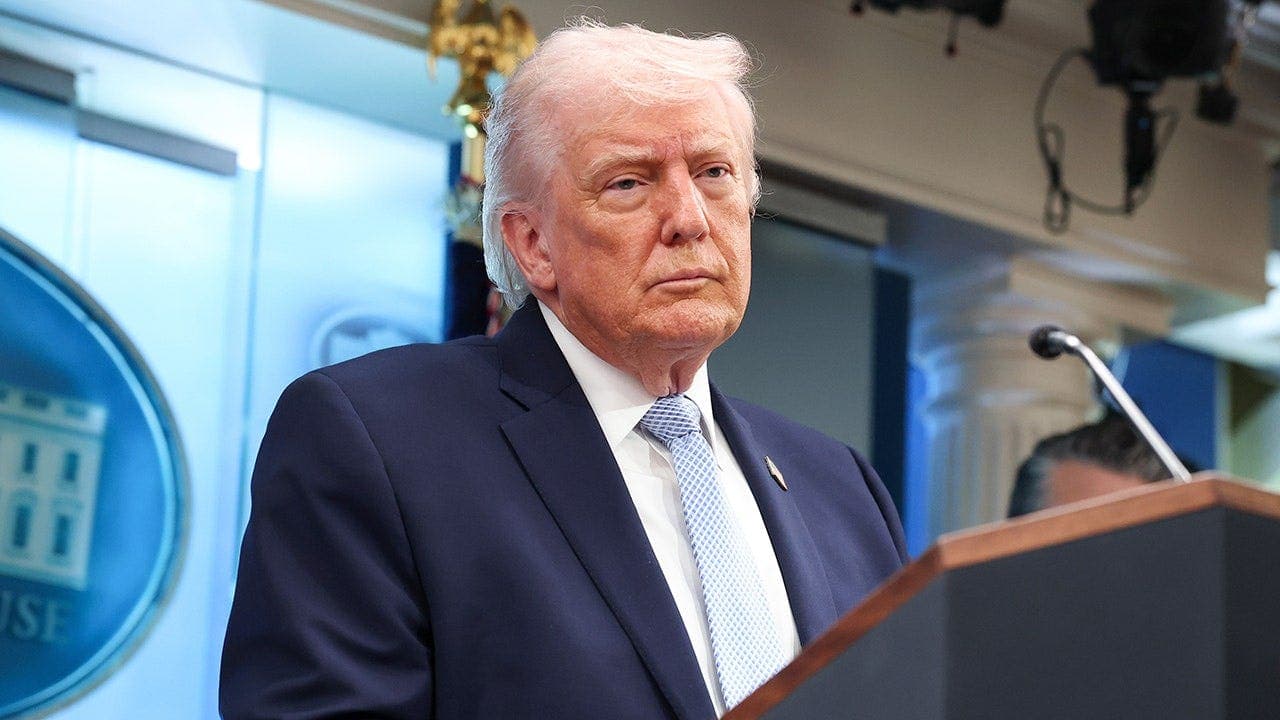
ShareSaveTom Bateman,WashingtonandJames FitzGeraldShareSaveHouse Oversight Committee Democrats/ReutersThe top Democrat on the congressional committee investigating Jeffrey Epstein has accused the US justice department of withholding files containing allegations of sexual abuse of a minor made against President Donald Trump.
Robert Garcia, who sits on the House Oversight Committee, said he had personally viewed documents containing the allegation that had not been made public.
In response, the justice department said "NOTHING has been deleted", adding that documents were withheld only if they were "duplicates, privileged, or part of an ongoing federal investigation".
Trump has repeatedly denied any wrongdoing in relation to the Epstein case and has recently said he has been "totally exonerated".
The justice department has also previously said that some of the files contain "untrue and sensationalist claims against President Trump".
White House spokeswoman Abigail Jackson said on Tuesday that "by releasing thousands of pages of documents, cooperating with the House Oversight Committee's subpoena request, signing the Epstein Files Transparency Act, and calling for more investigations into Epstein's Democrat friends, President Trump has done more for Epstein's victims than anyone before him."
Epstein, the late convicted sex offender, appears to have been friends with Trump for a number of years. They later fell out - which happened in the early 2000s, according to Trump, two years before Epstein was first arrested.
The justice department has released millions of files that show what the federal investigations into Epstein uncovered. The staged releases were prompted by an act signed off by the president, who had earlier resisted the release of the material.
Some files were redacted, and officials have acknowledged that other files were not released at all. The legislation allowed the justice department to withhold certain files to secure active investigations or prosecutions, and to protect the identities of victims.
Garcia said the files he had seen "make it clear" that a woman "made additional, specific allegations" against Trump that "are not reflected" in the records that have been made public by the department.
He said he had written to US Attorney General Pam Bondi demanding that they be published.
In its response, Bondi's justice department accused Democrats on the committee of "misleading the public while manufacturing outrage from their radical anti-Trump base".
In a separate statement posted on X, the department also said it would review whether any files had been improperly withheld.
Two US presidents and their long associations with Jeffrey Epstein
Why was Andrew Mountbatten-Windsor arrested and what happens next?
As a member of Congress, Garcia is legally permitted to view the unredacted versions of the released Epstein files at the department, as the House Oversight Committee conducts its own investigation into Epstein.
"This is [the] largest government cover-up in modern history. We are demanding answers," the Democrats on the committee said in statement on Wednesday.
Garcia's letter to Bondi came after US media reports suggested three FBI witness interviews with an alleged Epstein victim were missing from the publicly released files.
NPR first reported that indexes and serial numbers in the files suggested the FBI had conducted four interviews with the woman in 2019 as part of its investigation into Epstein's accomplice Ghislaine Maxwell, who was jailed in 2022 for sex trafficking.
But three of the interview summaries and related notes, totalling more than 50 pages, are not available on the justice department's website, according to reports by NPR and others including the New York Times.
The woman told federal agents that Epstein raped her as a minor in the early 1980s, according to one of the heavily-redacted documents.
According to other entries in the files, a woman - who Garcia said was confirmed in the unredacted documents to be the same accuser - alleged she was sexually abused by Trump at some point between 1983 and 1985, when she would have been aged 13 to 15.
That allegation is also contained elsewhere in the Epstein files, in a list compiled by the FBI of allegations made against Trump by callers to its national Threat Operation Center tip line.
Many tips in that document appear to have been dismissed by investigators as not credible and no supporting evidence is provided. However FBI agents marked this allegation for follow-up, sending it on to a field office in Washington "to conduct interview".
Contacted by the BBC on Wednesday, the justice department referred to a statement it made after the January release of Epstein files, saying: "Some of the documents contain untrue and sensationalist claims against President Trump that were submitted to the FBI right before the 2020 election.