The United States military executed a high-risk rescue operation deep inside Iranian territory on Saturday, successfully retrieving a missing American crew member from a downed F-15 fighter jet. According to President Donald Trump, the mission was completed without a single American casualty—an outcome he described as a testament to U.S. military precision and resolve. The rescue unfolded against a backdrop of mounting tensions between Washington and Tehran, marked by threats of escalation and recent military strikes targeting Iranian infrastructure. Iran claimed engagement with U.S. forces during the operation, while Trump framed the mission as a ‘miraculous’ success, emphasizing America’s commitment to never leaving its service members behind.
How the Downing of the F-15 Escalated Regional Tensions
The F-15 Strike Eagle’s Mission and Downing
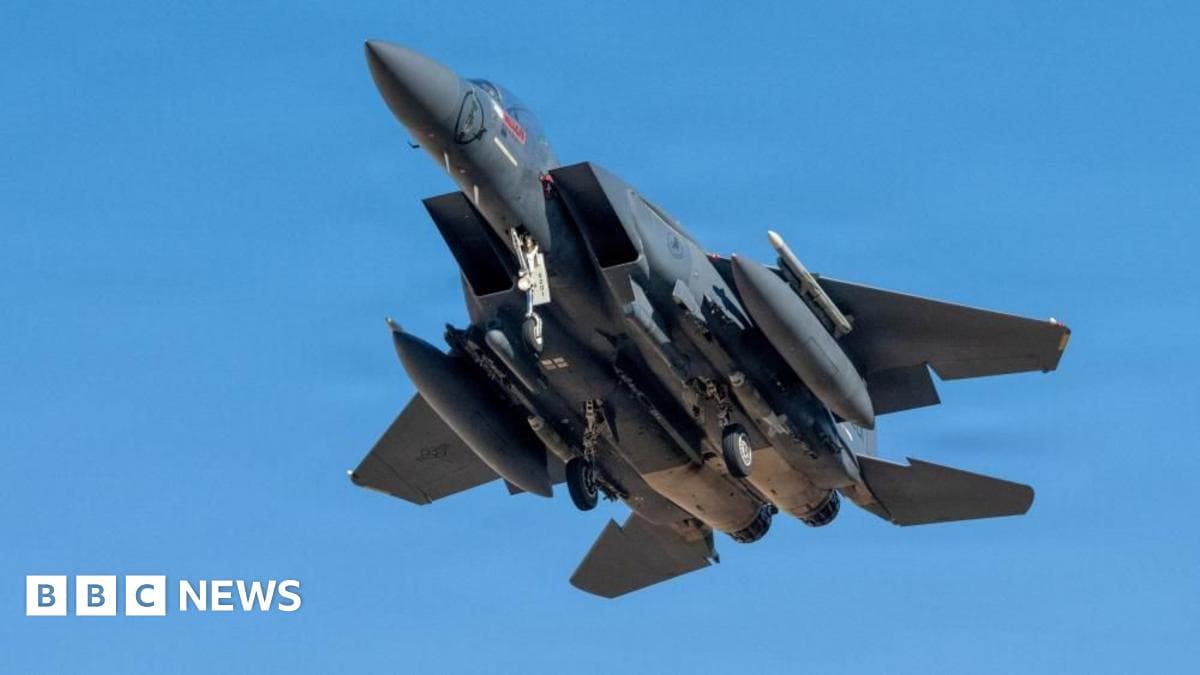
The incident began on Friday when a U.S. F-15E Strike Eagle fighter jet was reportedly shot down over southern Iran. The F-15E, a dual-role aircraft capable of both air superiority and ground attack, typically carries a crew of two: a pilot and a weapon systems officer. Initial reports indicated that the pilot had been rescued, but the status of the weapon systems officer remained unclear for several hours. The F-15E is a cornerstone of U.S. military aviation, with a combat radius of over 1,000 miles and the ability to carry a wide array of precision munitions. Its loss over Iranian airspace marked the first time since the 1980s that a U.S. fighter jet had been downed by enemy fire, underscoring the heightened risks in a region already simmering with conflict.
Iran’s Air Defense Capabilities Under Scrutiny
Iranian officials attributed the downing to new air defense systems, claiming they had successfully intercepted the F-15E. While Iran’s air defense network has historically been considered vulnerable, recent upgrades—including domestically produced systems like the Bavar-373—have demonstrated improved capabilities. The incident challenged earlier assertions from U.S. Defense Secretary Pete Hegseth that America had achieved ‘air superiority’ over Iran. Analysts suggest that Iran’s ability to down a modern U.S. fighter jet, even in a localized engagement, signals a potential shift in the regional military balance. The downing also raised questions about the effectiveness of U.S. electronic warfare and countermeasures in contested environments.
Geopolitical Fallout in Southern Iran
The region where the F-15 was downed—Kohgiluyeh and Boyer-Ahmad province in southwestern Iran—is a strategic and economically significant area. The province is home to diverse ethnic groups, including nomadic tribes, and serves as a critical transit route for oil and goods. It has also been a frequent target of strikes since the escalation of hostilities in late February, when Israel and the U.S. launched preemptive strikes against Iranian-backed forces. The province’s mountainous terrain and sparse population make it both a challenging environment for search and rescue operations and a potential hiding place for evading forces. Iranian state media and local authorities have actively encouraged civilians to assist in the search for the missing crew member, offering bounties of up to $66,100 for information leading to their capture.
The Daring Rescue: ‘We Will Never Leave an American Warfighter Behind’
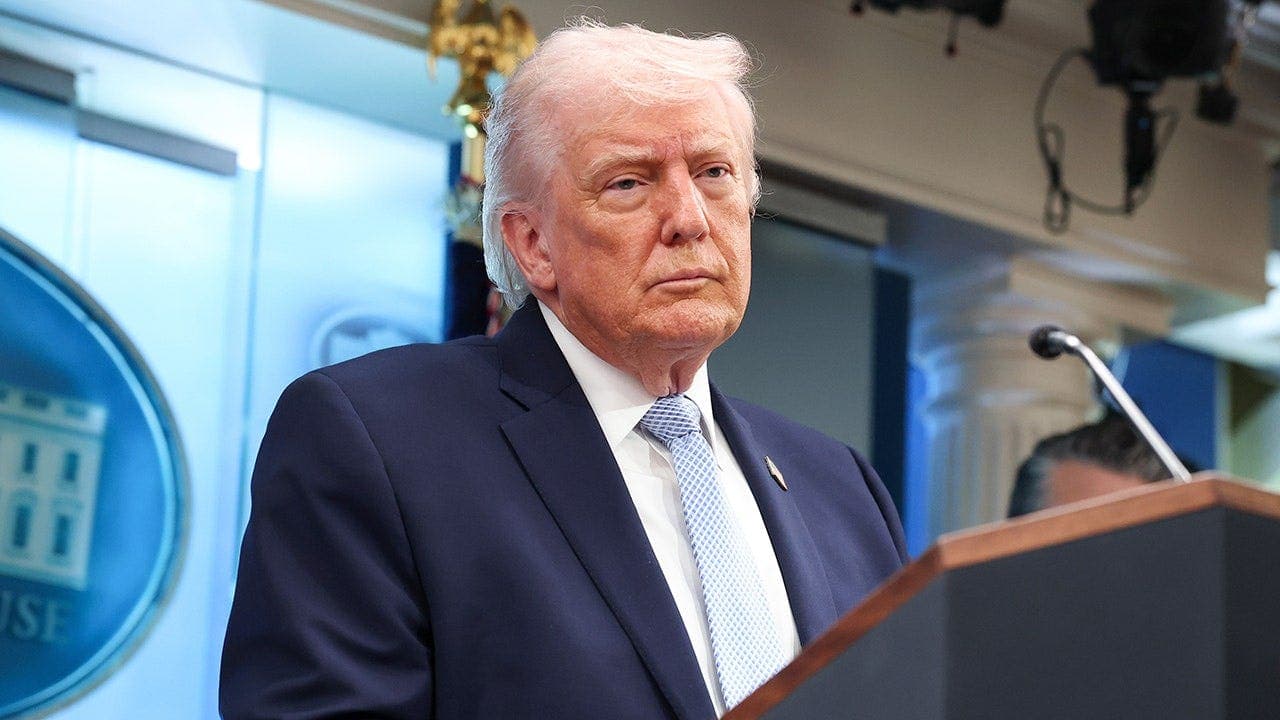
President Trump announced the successful rescue of the missing crew member early Saturday, describing the operation as one of the most daring in U.S. military history. The rescued individual, identified as a highly decorated colonel, was located in ‘treacherous mountains’ behind enemy lines and had been monitored by U.S. forces ‘24 hours a day,’ according to Trump. The president confirmed that the crew member had sustained injuries but was in stable condition. The mission involved dozens of aircraft, including helicopters and support planes, and reportedly faced ‘engagement’ from Iranian forces, though no American casualties were reported. Trump framed the operation as a triumph of American military ethos, tweeting: ‘WE WILL NEVER LEAVE AN AMERICAN WARFIGHTER BEHIND!’
Behind the Scenes of the Operation
The rescue operation was coordinated by U.S. Central Command (CENTCOM), which oversees military activities in the Middle East. Multiple sources within the U.S. government described the mission as a ‘huge’ combat search and rescue effort, involving intelligence, surveillance, and reconnaissance assets to pinpoint the crew member’s location. The operation’s success was attributed to real-time tracking, likely utilizing advanced technologies such as GPS beacons, night-vision equipment, and possibly signals intelligence to monitor the crew member’s movements. The fact that the mission was carried out without American casualties—despite Iranian claims of engagement—suggests careful planning and execution by U.S. forces. Former officials praised the operation as a model of interagency cooperation, with intelligence agencies, the military, and diplomatic channels working in tandem.
Injuries and Recovery of the Rescued Crew Member
Trump disclosed that the rescued crew member had sustained injuries during the ordeal, though details remained scarce. The individual’s condition was described as stable, and medical teams were reportedly preparing for their evacuation to a U.S. facility for further evaluation. The crew member’s identity has not been officially released, but Trump referred to them as a ‘highly respected Colonel,’ suggesting they held a senior rank. The nature of their injuries—whether from the initial ejection, subsequent evasion, or during the rescue—remains unclear. The crew member’s recovery will be closely monitored, both for medical reasons and to assess any potential intelligence that could be gleaned from their debriefing.
A Region on the Brink: Escalating Threats and Military Exchanges
The rescue operation unfolded amid a rapid deterioration in U.S.-Iran relations, with both sides exchanging threats of severe retaliation. On Thursday, Trump warned that Iran had 48 hours to either ‘make a deal’ or reopen the critical Strait of Hormuz, a vital shipping lane through which roughly 20% of the world’s oil passes. Iran’s response was swift and defiant. A spokesperson for Iran’s Khatam al-Anbiya Central Headquarters, Ebrahim Zolfaghari, declared that if hostility escalated, ‘the entire region will turn into hell for you.’ Iranian officials also threatened to target U.S. military infrastructure and Israel without limitation. The rhetoric echoed past crises, including the 2019 attack on Saudi oil facilities and the 2020 U.S. strike that killed Iranian General Qasem Soleimani.
Israel’s Role and Regional Instability
The conflict has drawn in multiple regional actors, with Israel playing a central role. Israel has conducted airstrikes in Syria and Lebanon, targeting Iranian-backed forces, and has warned of further actions, including near the Masnaa border crossing between Lebanon and Syria. Israeli Defense Forces (IDF) spokesman Avichay Adraee alleged that Hezbollah, Iran’s proxy in Lebanon, has been using the crossing for ‘military purposes.’ Meanwhile, the Iran-backed Houthis in Yemen claimed responsibility for a missile attack on Israel, marking another escalation in the proxy war. These developments underscore the interconnected nature of the current crisis, with conflicts in Gaza, Lebanon, Syria, and Yemen all intersecting with the U.S.-Iran standoff.
Historical Context: From Soleimani to Today’s Crisis
The current tensions are rooted in decades of hostility between the U.S. and Iran, but recent events have pushed the relationship to a breaking point. The assassination of Qasem Soleimani in January 2020—a strike ordered by then-President Trump—was a defining moment in the deterioration of relations. Soleimani, the commander of Iran’s elite Quds Force, was a key architect of Iran’s regional influence, overseeing operations in Iraq, Syria, Lebanon, and Yemen. His death was followed by retaliatory attacks, including Iran’s ballistic missile strike on U.S. bases in Iraq. The current crisis, which began with U.S. and Israeli strikes on February 28, has revived fears of a broader conflict, with both sides seemingly willing to take risks to assert dominance in the region.
Key Takeaways
- The U.S. military successfully rescued a missing crew member from an F-15 jet downed over southern Iran, completing the mission without American casualties despite claims of engagement with Iranian forces.
- The downing of the F-15 challenges previous U.S. assessments of air superiority over Iran, highlighting the Islamic Republic’s improving air defense capabilities.
- Tensions between the U.S. and Iran have escalated dramatically, with both sides exchanging threats of severe retaliation, including attacks on critical infrastructure.
- The rescue operation underscores the U.S. military’s commitment to its ‘never leave a comrade behind’ ethos, but also raises questions about the risks of operating in contested airspace.
- The crisis has drawn in regional actors, including Israel and Iran-backed proxies, raising the specter of a wider regional war.
What’s Next for U.S.-Iran Relations and Regional Security?
The successful rescue of the U.S. crew member may provide a temporary respite in tensions, but the underlying issues remain unresolved. Iran’s demand for sanctions relief and a return to the 2015 nuclear deal appears increasingly unlikely, given the current trajectory of events. Meanwhile, Israel’s military actions against Iranian-backed groups in Syria and Lebanon risk further provoking Tehran, which has vowed to retaliate ‘without limitation.’ Analysts warn that the region is at a precipice, with the potential for miscalculation or accidental escalation leading to a broader conflict. The U.S. and its allies will need to tread carefully to avoid a situation spiraling out of control, particularly as the 2024 U.S. election adds political pressure to the equation.
Frequently Asked Questions
Frequently Asked Questions
- How did the U.S. locate and rescue the missing crew member?
- The U.S. military reportedly used real-time tracking technologies, including GPS beacons and signals intelligence, to monitor the crew member’s location continuously. The operation involved dozens of aircraft, including helicopters and support planes, coordinated by U.S. Central Command.
- What are Iran’s air defense capabilities, and how did they down the F-15?
- Iran has invested in modernizing its air defense systems, including the Bavar-373 missile system. Iranian officials claimed the F-15 was intercepted by these systems, though the U.S. has not confirmed the exact cause of the downing.
- What are the broader implications of this incident for U.S.-Iran relations?
- The downing of the F-15 and the subsequent rescue operation have further strained U.S.-Iran relations, with both sides exchanging threats. The incident highlights the risks of operating in the region and could push either side toward more aggressive posturing.