Six people have been killed in Russian attacks on four Ukrainian regions in the past 24 hours, according to local authorities. The attacks, which occurred in Zaporizhzhia, Dnipropetrovsk, Donetsk, and Kherson, have raised concerns about the ongoing conflict. Despite the violence, Ukrainian and U.S. officials are continuing negotiations to end Russia's full-scale invasion, a process that has seen limited progress since the 2022 war began. The latest attacks highlight the persistent threat to civilians, while diplomatic efforts grapple with the complex political and strategic challenges of ending the war.
Russian Attacks Continue to Claim Lives in Ukraine
Regional Impact and Casualties
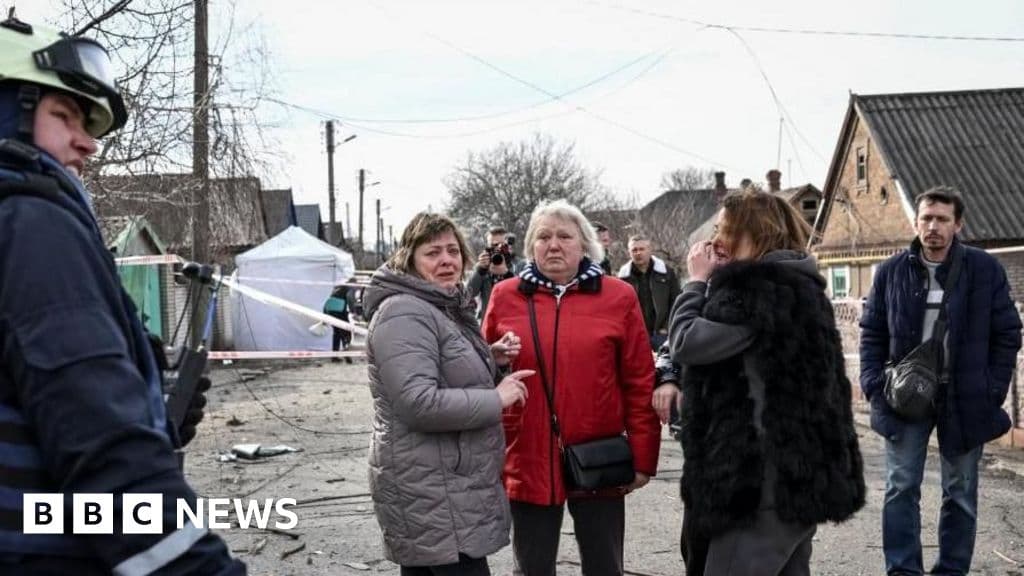
The latest attacks hit Zaporizhzhia, a key industrial and energy hub, where a drone strike killed two people and injured eight, including two children. In Dnipropetrovsk, two deaths and five injuries were reported, while Donetsk and Kherson each reported a single fatality. These attacks underscore the continued targeting of civilian areas by Russian forces, a tactic that has been a consistent feature of the war since February 2022. The Zaporizhzhia region, in particular, has been a frequent target due to its strategic location and energy infrastructure.
Voices from the Frontline
A friend of a Zaporizhzhia victim told Reuters, 'I stopped believing long ago. When will this all just end? When will they finally reach an agreement? How long can they keep negotiating? Just give it to the Russian side so hard that it hurts them as much as it hurts us.'
The mother of one of the Zaporizhzhia victims described the attack, saying she was at a friend's apartment when the strike hit. 'When the strike happened, I checked a Telegram channel and saw their fence and my son's car,' she said. The incident highlights the personal toll of the war, as families face the reality of living under constant threat.
Ukraine's Diplomatic Efforts and Strategic Goals
U.S. Involvement and the Sanctions Dilemma
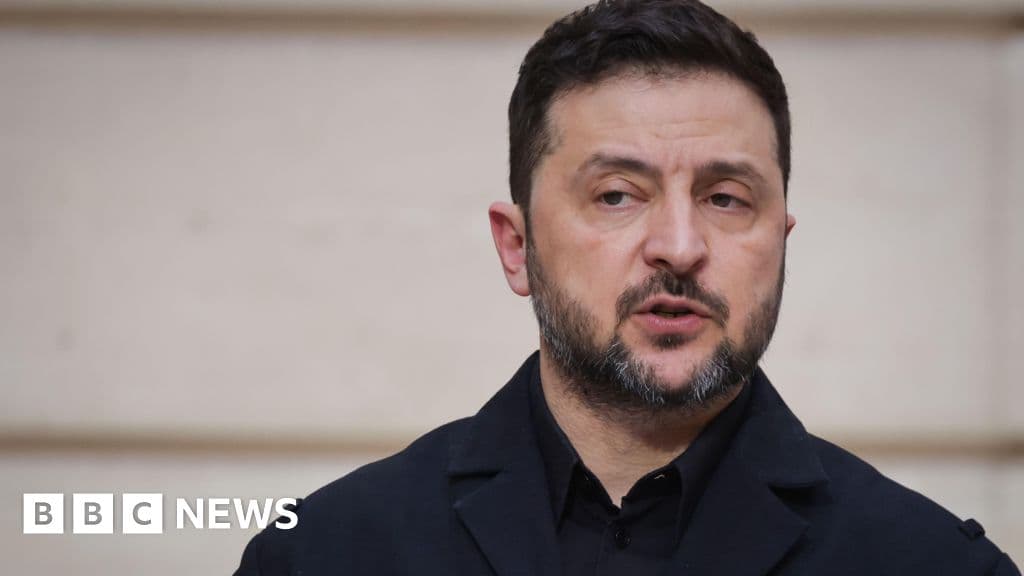
Ukrainian President Volodymyr Zelensky has been pushing for U.S. support in negotiations, particularly in light of the recent decision to ease sanctions on Russian oil. The U.S. waiver, which allows for the purchase of Russian oil, was implemented to lower global energy prices but has raised concerns in Ukraine. Zelensky has argued that this move could be seen as a sign of U.S. policy shifting away from maximum pressure on Russia, a move that could embolden Moscow. The U.S. decision, however, was welcomed by the Kremlin, reflecting a broader geopolitical shift in U.S. foreign policy.
Diplomatic Challenges and the Trump Connection
U.S. talks in Florida have included efforts to mediate between Zelensky and Donald Trump's envoy, Steve Witkoff, as well as the U.S. president's son-in-law, Jared Kushner. Zelensky has accused Trump of being a major obstacle to peace, a claim that has been a point of contention. The U.S. has been focused on the Iran situation, with Zelensky noting that the war in Ukraine must not be overshadowed by the U.S. focus on the Middle East. This dynamic has created a complex web of priorities, with Ukraine seeking to ensure that the U.S. does not shift its attention away from the war.
Geopolitical Implications and Strategic Calculations
The Iran Connection and U.S. Strategy
Zelensky has suggested that Russian President Vladimir Putin is seeking a 'long war' between the U.S., Israel, and Iran, a strategy that would weaken Ukraine. This view is part of a broader analysis of U.S. policy, with Zelensky arguing that the U.S. is diverting resources to the Middle East, which could be seen as a threat to Ukraine's security. The U.S. has been under pressure to address the Iran situation, but Zelensky has made it clear that the war in Ukraine must not be neglected. This has created a tension between U.S. interests in the Middle East and the need to support Ukraine.
Ukraine's Role in the Global Energy Market
Ukraine has been offering its drone technology to the U.S., a move that could be useful in countering Iran's influence. The U.S. has been a key player in the global energy market, and the recent decision to ease sanctions on Russian oil has raised questions about the U.S.'s role in the region. This has created a complex interplay between U.S. energy policy and the war in Ukraine, with Zelensky seeking to ensure that the U.S. does not shift its focus away from the conflict.
Challenges in Diplomatic Negotiations
Stalled Progress and the Need for a Breakthrough
Despite multiple rounds of U.S.-mediated talks, the war has not been stopped, and Russia's demands have not been met. Zelensky has emphasized the need for a breakthrough, arguing that the U.S. must not only focus on the Iran situation but also on the war in Ukraine. The U.S. has been under pressure to address the Iran issue, but Zelensky has made it clear that the war in Ukraine must not be overshadowed. This has created a complex web of priorities, with Ukraine seeking to ensure that the U.S. does not shift its attention away from the conflict.
The Role of the Trump Administration
The Trump administration's decision to ease sanctions on Russian oil has been a point of contention, with U.S. officials arguing that it is a temporary measure. Zelensky has accused the Trump administration of being a major obstacle to peace, a claim that has been a point of contention. The U.S. has been under pressure to address the Iran situation, but Zelensky has made it clear that the war in Ukraine must not be neglected. This has created a complex web of priorities, with Ukraine seeking to ensure that the U.S. does not shift its focus away from the conflict.
- Russian attacks in four Ukrainian regions have killed six, with Zaporizhzhia and Dnipropetrovsk being the most affected
- Ukraine and the U.S. are in talks to end the war, but progress has been slow
- U.S. decision to ease sanctions on Russian oil has raised concerns in Ukraine
Frequently Asked Questions
- Why is the U.S. easing sanctions on Russian oil?
- The U.S. has implemented a temporary waiver to make it easier for countries to buy Russian oil, aiming to lower global energy prices. However, this has raised concerns in Ukraine, as it may be seen as a sign of U.S. policy shifting away from maximum pressure on Russia.
- What is the U.S. doing to end the war in Ukraine?
- U.S. officials are mediating talks between Ukraine and Russia, with a focus on addressing Russia's demands. However, the U.S. has been under pressure to address the Iran situation, which has created a complex web of priorities.
- What is the role of the Trump administration in the U.S.-Ukraine talks?
- The Trump administration's envoy, Steve Witkoff, is involved in the U.S.-Ukraine talks, but Zelensky has accused the Trump administration of being a major obstacle to peace. The U.S. has been under pressure to address the Iran situation, which has created a complex web of priorities.