Facing unprecedented public pressure and a high-profile protest from the grandson of its iconic founder, The Hershey Company has announced it will reverse years of recipe modifications by restoring its classic formulations to Reese’s-branded products by 2027. In an investor presentation held in New York on Tuesday, Hershey’s chief growth and marketing officer, Stacy Taffet, outlined a sweeping return to original recipes, vowing that all Hershey’s and Reese’s offerings will once again align with their time-honored brand identities. The decision comes after a wave of consumer backlash over the company’s shift from premium ingredients to cost-saving alternatives—a move critics say eroded the authenticity and taste of America’s most beloved candies.
Why Hershey’s Recipe Changes Sparked a National Outcry
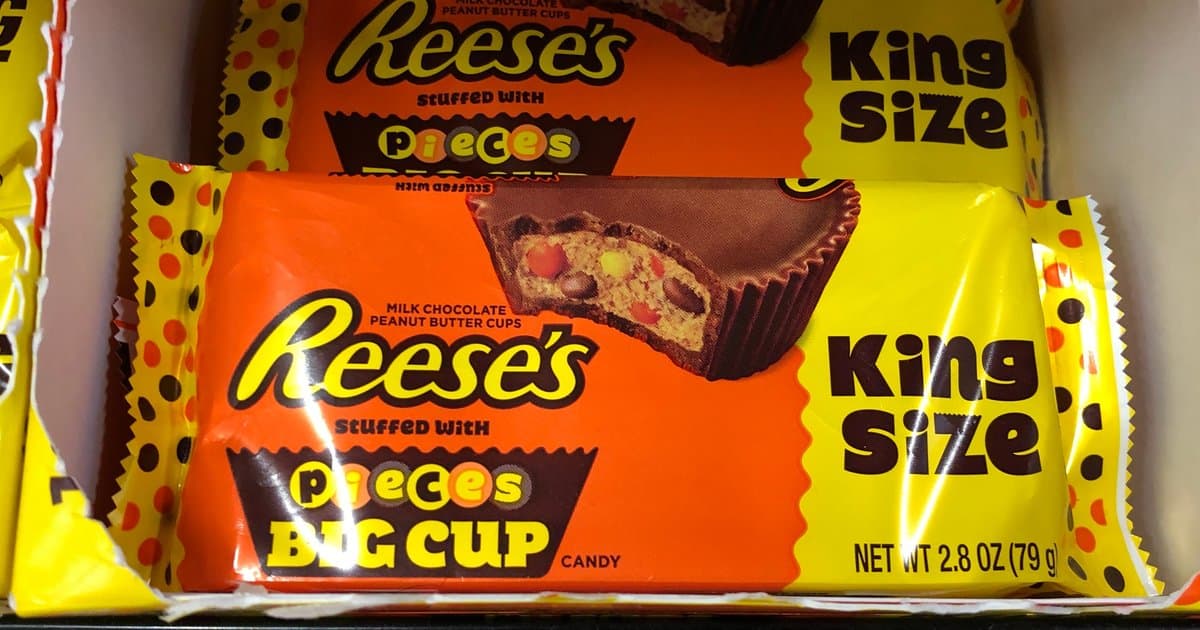
The controversy began quietly, with subtle shifts in labeling and ingredient sourcing that flew under the radar for years. Hershey, headquartered in Hershey, Pennsylvania—dubbed ‘The Sweetest Place on Earth’—began replacing real milk chocolate with compound coatings in multiple product lines, including Reese’s Peanut Butter Cups, Mr. Goodbar, and Rolos. The company also replaced authentic peanut butter with a modified ‘peanut butter crème’ in several items. While Hershey maintained that core products like the original Reese’s Peanut Butter Cup had not been altered, critics argued that the compound coatings and substitute ingredients compromised flavor, texture, and the brand’s longstanding reputation for quality.
Brad Reese Emerges as the Voice of the Consumer Revolt
The turning point in the controversy came in February 2026, when Brad Reese, 70, grandson of H.B. Reese—who invented the Peanut Butter Cup in 1928—published an open letter on LinkedIn accusing Hershey of ‘diluting’ the brand’s signature taste. Reese, a retired businessman and fourth-generation confectioner, said the changes were immediately noticeable when he sampled Reese’s Valentine’s Hearts, a seasonal product. ‘I just thought there's not enough and too much of everything all at the same time,’ Reese told the *We Fixed It. You're Welcome* podcast last month, describing the altered texture and flavor as jarring. His public critique resonated deeply with consumers who grew up with the classic taste of Reese’s, sparking a viral movement on social media platforms and prompting thousands of comments from loyal fans.
Transparency and Trust: How Hershey’s Ingredient Changes Became a Liability
Despite labeling changes that complied with U.S. Food and Drug Administration (FDA) regulations, Hershey faced accusations of opacity. Reese highlighted the use of vague terms like ‘made with chocolate’ and ‘chocolatey’ on packaging—language that obscured the presence of cheaper compound coatings derived from vegetable oils. These substitutions were not limited to Reese’s; they extended across Hershey’s portfolio to include Almond Joy, Mounds, Heath, and Take 5 candies. ‘They're doing it so quietly that if you're not really looking closely, you're not going to catch it,’ Reese said. The lack of transparency fueled consumer distrust, a critical misstep for a brand that has long relied on nostalgia and emotional connection in its marketing.
From Founder’s Legacy to Corporate Dilemma: The Reese’s Brand Identity Crisis
The Reese’s brand traces its origins to 1928, when H.B. Reese, a former dairy farmer for Milton Hershey, launched his own candy company in Hershey, Pennsylvania. After decades of growth, his six sons sold the company to The Hershey Company in 1963 for approximately $23.5 million in stock—a deal that cemented Reese’s as a cornerstone of the Hershey portfolio. For nearly a century, Reese’s Peanut Butter Cups became synonymous with American snack culture, evoking memories of childhood, holidays, and shared moments. The brand’s iconic status made it particularly vulnerable to backlash over recipe changes, which Reese described as a betrayal of ‘Americana.’ ‘If Reese's can no longer be Reese's,’ he warned on the podcast, ‘then what else in our society is no longer sacred?’
Hershey’s Strategic Pivot: Profit vs. Heritage in a Volatile Cocoa Market
Hershey defended its ingredient strategy, stating that the shifts were designed to enable greater product innovation, including the ability to create candies in diverse shapes and sizes. The company also pointed to volatile cocoa prices, which had rebounded from historic highs driven by poor weather conditions and crop diseases in West Africa—a region responsible for roughly two-thirds of global cocoa production. These disruptions led to price spikes that pressured margins across the chocolate industry. But critics, including Brad Reese, alleged the changes were primarily driven by profit motives, arguing that Hershey was ‘stooping for the pennies and passing up the dollars’ by prioritizing cost-cutting over quality. Reese’s public rebuke forced Hershey to confront the tension between financial performance and brand legacy.
Market Reaction and Financial Fallout: Stock Dip and Investor Concerns
The ingredient controversy had a measurable impact on Hershey’s market performance. After a steady rise in its stock price throughout 2026, shares dipped in March as the backlash intensified. Despite the decline, Hershey’s stock remains up over 10% for the year, reflecting broader investor confidence in its ability to rebound. Analysts note that the company’s price increases and improved cocoa market conditions are expected to support strong sales and earnings. However, the dip highlighted the risks of alienating core consumers—a demographic that values brand authenticity as highly as taste. Hershey’s announcement of a 25% increase in research and development funding signals a renewed focus on innovation and quality, though the timeline for restoring classic recipes suggests a phased approach rather than an immediate reversal.
What’s Next: Hershey’s Roadmap to Recipe Restoration by 2027
Hershey has outlined a multi-year plan to restore classic recipes across its portfolio, beginning in 2027. The company will transition to colors from natural sources across its sweets portfolio, enhance the Kit Kat recipe for a creamier texture, and realign a portion of its Hershey’s and Reese’s products with traditional milk and dark chocolate formulations. Allison Kleinfelter, Hershey’s head of communications, emphasized in a statement that these adjustments are part of a broader effort to ensure consistency with brand heritage. ‘We're transitioning to colors from natural sources across our sweets portfolio, enhancing Kit Kat's recipe for a creamier taste and texture, and bringing a small portion of remaining Hershey's and Reese's products in line with their classic milk and dark chocolate recipes,’ she said. Notably, the company did not acknowledge the public campaign led by Brad Reese, though the timing of the announcement suggests a direct response to consumer sentiment.
Key Takeaways: What Consumers, Investors, and Competitors Should Know
- Hershey will restore classic Reese’s and Hershey’s recipes by 2027 following consumer backlash over ingredient substitutions, including compound coatings and peanut butter substitutes.
- Brad Reese, grandson of the Peanut Butter Cup inventor, publicly criticized the changes as a betrayal of brand authenticity, sparking a viral consumer revolt.
- The controversy exposed flaws in Hershey’s transparency practices, with critics pointing to vague labeling like ‘made with chocolate’ to mask ingredient changes.
- Hershey’s stock dipped in March amid the backlash but remains up over 10% in 2026, reflecting investor confidence despite short-term volatility.
- The company plans a 25% increase in R&D funding and a return to natural colors, signaling a strategic shift toward quality and heritage.
Broader Implications: How Food Brands Navigate Authenticity in a Cost-Conscious Market
The Hershey controversy reflects a growing tension in the food industry between cost pressures and consumer expectations for authenticity. As ingredient prices fluctuate—particularly for cocoa, sugar, and dairy—brands face mounting pressure to maintain profitability while preserving the taste and trust associated with their products. The rise of social media has amplified consumer voices, enabling rapid mobilization against perceived betrayals of brand identity. For Hershey, the decision to reverse course underscores the financial and reputational risks of prioritizing short-term savings over long-term brand equity. It also serves as a cautionary tale for other food manufacturers considering similar ingredient substitutions.
The Legacy of H.B. Reese and the Future of American Candy Culture
H.B. Reese’s story is one of innovation and perseverance. Born in 1879, Reese worked on Milton Hershey’s dairy farm before launching his own confectionery business using leftover chocolate from the Hershey factory. His invention of the Peanut Butter Cup in 1928—a simple yet revolutionary combination of chocolate and peanut butter—catapulted his company to national success. The sale to Hershey in 1963 not only provided financial security for the Reese family but also integrated one of America’s most beloved candies into the Hershey empire. Today, Reese’s Peanut Butter Cups generate billions in annual revenue, making them a cornerstone of the U.S. confectionery market. The current debate over recipe changes raises existential questions about how far a brand can stray from its origins before losing the loyalty of generations of consumers.
Frequently Asked Questions
Frequently Asked Questions
- Why did Hershey change the Reese’s recipe in the first place?
- Hershey cited cost pressures from volatile cocoa prices and the need to create candies in different shapes and sizes. The company used compound coatings and peanut butter substitutes to reduce expenses and improve manufacturing flexibility.
- Will all Reese’s products taste the same by 2027?
- Hershey plans to restore classic recipes for its core products, including Reese’s Peanut Butter Cups, but not necessarily every seasonal or limited-edition variant. The transition will be phased in over several years, focusing on products that historically used the original formulations.
- How did Brad Reese influence Hershey’s decision?
- Brad Reese’s public criticism, including an open letter and media appearances, brought national attention to the recipe changes. His connection to the brand’s founder added credibility and emotional weight to his arguments, pressuring Hershey to reconsider its strategy.