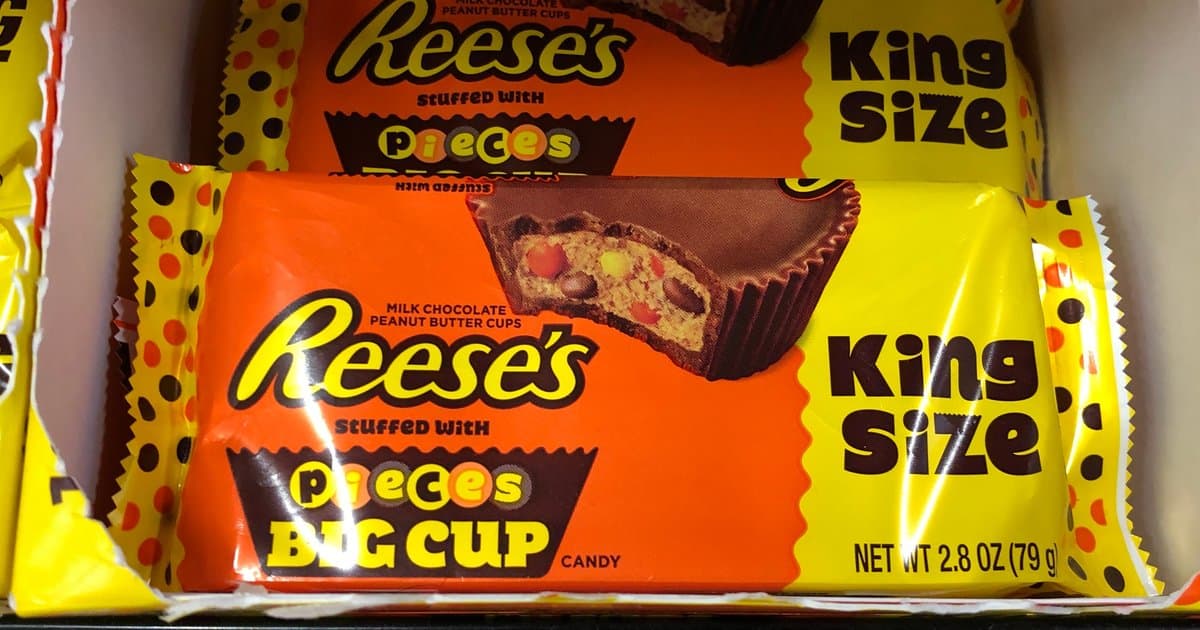
The Hershey Company, the $38 billion confectionery giant behind Reese’s Peanut Butter Cups, announced Wednesday it will restore classic chocolate recipes to all Reese’s products by 2027, marking a rare retreat following a public rebuke from the brand’s own founding family. The decision reverses years of recipe adjustments that had quietly introduced cheaper alternatives into some Reese’s products—including mini Easter eggs and seasonal varieties—despite the company’s longstanding reputation for quality and tradition. For decades, Reese’s Peanut Butter Cups have been defined by their signature combination of real milk chocolate or dark chocolate and creamy peanut butter, a formula that built a loyal consumer base and made the brand a $2.5 billion annual business. However, rising cocoa prices and evolving consumer tastes had pushed Hershey to experiment with lower-cost ingredients in select products, a shift that drew sharp criticism from Brad Reese, the grandson of the company’s late founder, H.B. Reese.
How a Family Heir Publicly Challenged Hershey’s Recipe Changes
Brad Reese, the grandson of H.B. Reese who invented the original Peanut Butter Cup in 1928, issued a scathing public letter to Hershey’s corporate leadership on Valentine’s Day, accusing the company of betraying its own heritage. In the letter, posted on his LinkedIn profile, Brad Reese questioned how Hershey could claim to lead the Reese’s brand while quietly replacing the very ingredients that made it iconic. ‘How does The Hershey Co. continue to position Reese’s as its flagship brand, a symbol of trust, quality and leadership, while quietly replacing the very ingredients (Milk Chocolate + Peanut Butter) that built Reese’s trust in the first place?’ he wrote. His public critique resonated with consumers and industry observers alike, amplifying longstanding concerns about corporate cost-cutting in the food industry. H.B. Reese, a former Hershey employee, launched his own candy company in 1919 before pioneering the Reese’s Peanut Butter Cup nine years later. His sons eventually sold the company to Hershey in 1963, cementing a legacy that has endured for over a century.
The Shift to Cheaper Ingredients and Rising Cocoa Costs
Hershey’s move to alter recipe formulations wasn’t made in a vacuum. Over the past several years, chocolate manufacturers worldwide have faced unprecedented pressure from volatile cocoa prices, which surged to record highs in 2024 due to climate-related crop failures in West Africa—the source of 70% of the world’s cocoa supply. Hershey, like competitors such as Mars and Mondelez, had begun substituting cocoa with vegetable fats and other cost-saving measures in some products to maintain profitability amid inflationary pressures. According to the International Cocoa Organization, cocoa futures prices exceeded $10,000 per metric ton in April 2024, more than double their 2023 levels, forcing confectioners to rethink traditional formulations. The company had previously defended its recipe adjustments as necessary to balance innovation with affordability, though it stopped short of fully disclosing the extent of the changes to consumers.
Consumer advocacy groups and chocolate purists had long suspected companies were cutting corners, particularly in seasonal or smaller-format products. For years, social media users and food bloggers had speculated about discrepancies in the taste and texture of Reese’s mini eggs and holiday-themed variations compared to the classic Peanut Butter Cups. Hershey’s 2023 decision to reformulate some products with a ‘chocolate coating’—a term often used to describe products with reduced cocoa content—further fueled skepticism. The company acknowledged in a statement that it had been ‘reviewing recipes to meet evolving tastes and preferences,’ but offered no transparency about the specific alterations until Brad Reese’s intervention.
Hershey’s Broader Portfolio Shifts: Kit-Kat Gets a Creamier Makeover
Hershey’s announcement on Wednesday was not limited to Reese’s. The company also revealed plans to transition its entire sweets portfolio to natural colors by 2025 and enhance the recipe of Kit-Kat bars to make them creamier, a move aimed at aligning with modern consumer expectations for richer textures. Additionally, Hershey committed to increasing its research and development funding by 25% in 2025, signaling a renewed focus on product quality and innovation. The Kit-Kat partnership, originally licensed from Nestlé in the U.S., has been a major revenue driver for Hershey, generating over $500 million annually. The recipe enhancement reflects a broader trend in the candy industry toward premiumization, where manufacturers are investing in higher-quality ingredients to justify price increases and appeal to discerning shoppers.
Why This Reversal Matters for the $38 Billion Chocolate Industry
The Hershey Company’s decision to revert to classic recipes underscores a growing tension in the food industry between corporate cost-cutting and consumer expectations for authenticity and quality. For generations, iconic American brands like Reese’s, Hershey’s Milk Chocolate Bars, and Nestlé Crunch have relied on nostalgic formulations to maintain brand loyalty. However, as inflation has driven up ingredient costs and supply chains remain volatile, many companies have quietly reformulated products to preserve margins. Hershey’s reversal suggests that such moves may carry reputational risks, particularly when they involve brands with deep historical roots and family legacies. The company’s $38 billion market capitalization—ranked among the top global confectionery firms—makes its decisions influential across the entire industry, which collectively generates over $200 billion in annual revenue worldwide.
Industry analysts note that the backlash against recipe changes is part of a larger consumer movement toward transparency and ‘clean label’ products—items made with recognizable, minimally processed ingredients. A 2023 survey by the International Food Information Council found that 68% of American consumers prioritize ingredient simplicity when purchasing food, a trend that has accelerated since the COVID-19 pandemic. Reese’s, which sells approximately 4 billion Peanut Butter Cups annually, has long benefited from its image as a nostalgic, high-quality treat. The company’s retreat from cost-cutting measures could embolden other heritage brands to prioritize authenticity over short-term profits, particularly in categories like chocolate where tradition plays a significant role in purchasing decisions.
The Future of Reese’s: Innovation vs. Heritage in a Competitive Market
Looking ahead, Hershey faces a delicate balancing act: how to innovate and adapt to modern tastes while preserving the legacy of its most iconic brands. The company’s decision to restore classic recipes to all Reese’s products by 2027 is a clear concession to consumer sentiment, but it also raises questions about the long-term viability of such heritage-focused strategies in an increasingly competitive market. Competitors like Ferrero (which owns Nutella and Kinder) and Lindt have successfully positioned themselves as premium alternatives, capitalizing on consumer willingness to pay more for perceived quality. Meanwhile, private-label brands and discounters continue to erode market share by offering lower-priced alternatives.
Hershey’s increased investment in R&D suggests it is exploring ways to modernize its offerings without alienating its core audience. The company has hinted at potential new products, including plant-based variations of its classic candies, which could appeal to health-conscious consumers. However, the Reese’s reversal demonstrates that for brands with deep emotional connections, even subtle changes can provoke significant backlash. As Brad Reese’s public letter illustrated, the power of family legacy and brand heritage should not be underestimated—especially in a market where trust and nostalgia are key drivers of sales.
- Hershey will restore classic chocolate recipes to all Reese’s products by 2027 after criticism from Brad Reese, the founder’s grandson.
- The decision follows years of recipe adjustments driven by soaring cocoa prices, which exceeded $10,000 per metric ton in 2024.
- Hershey also plans to transition its entire portfolio to natural colors by 2025 and enhance Kit-Kat’s recipe for a creamier texture.
- Consumer demand for transparency and ‘clean label’ products has intensified, forcing confectioners to reconsider cost-cutting measures.
- The move highlights the growing tension between innovation and heritage in the $38 billion U.S. chocolate industry.
What’s Next for Consumers and the Candy Aisle?
For chocolate lovers, Hershey’s reversal offers reassurance that some of America’s most beloved treats may soon return to their original, full-bodied flavors. However, the broader implications extend beyond Reese’s. As companies grapple with fluctuating ingredient costs and shifting consumer preferences, the candy aisle could see more brands reverting to classic recipes—or at least being more transparent about their formulations. Hershey’s increased R&D spending and focus on natural colors signal a potential shift toward higher-quality ingredients across its portfolio, which could set a precedent for the industry. For now, consumers can look forward to classic Reese’s Peanut Butter Cups and Kit-Kat bars in the coming years, but the question remains: Will other confectioners follow suit, or will cost pressures continue to drive silent reformulations?
Frequently Asked Questions
- Why did Hershey change Reese’s recipes in the first place?
- Hershey adjusted some Reese’s products to use cheaper ingredients, such as replacing part of the chocolate with vegetable fats, primarily due to soaring cocoa prices that exceeded $10,000 per metric ton in 2024. The company cited the need to balance innovation with affordability amid rising costs.
- Who is Brad Reese, and why did his letter matter?
- Brad Reese is the grandson of H.B. Reese, the inventor of Reese’s Peanut Butter Cups. His public letter criticized Hershey for quietly replacing the classic milk chocolate and peanut butter formula, which he argued undermined the brand’s heritage and trust. The letter went viral on LinkedIn and amplified consumer concerns.
- Will Reese’s classic recipes return to all products immediately?
- No. Hershey has announced that the transition back to classic recipes will occur by 2027. The company is phasing in changes across its product lines over the next few years to ensure consistency and quality.