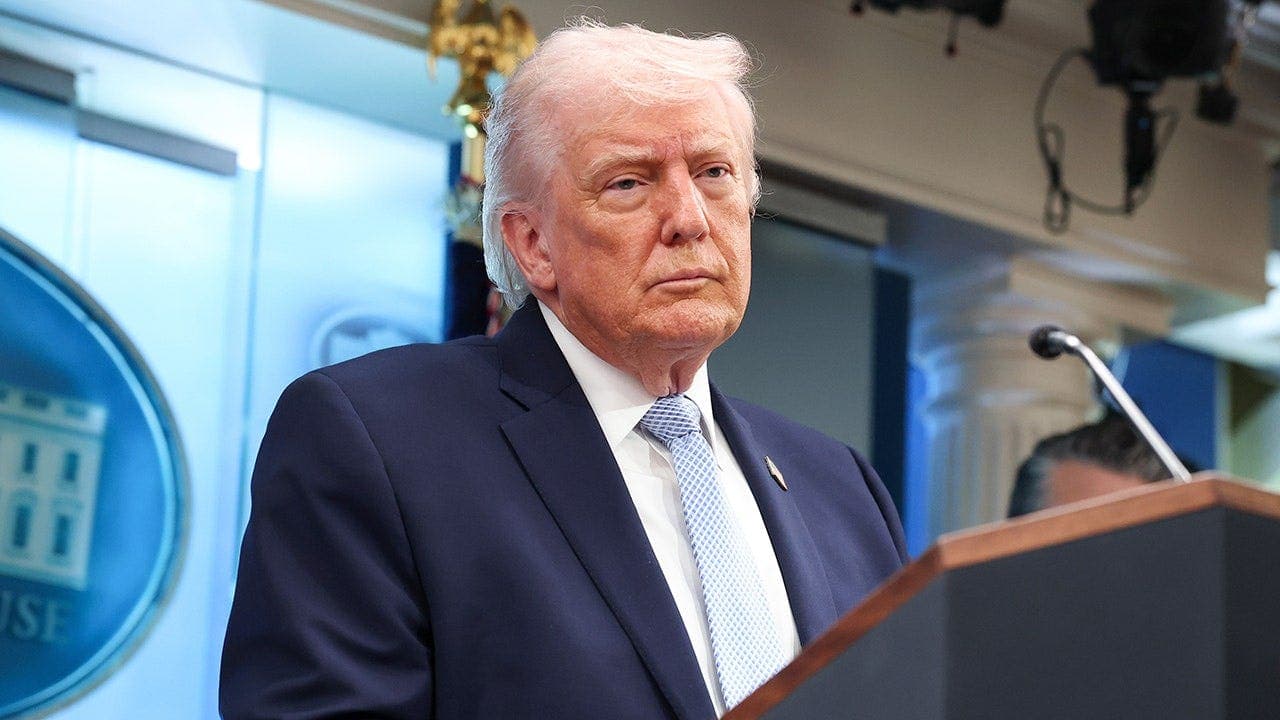
The Commodity Futures Trading Commission (CFTC) is facing growing scrutiny for its failure to investigate alleged insider trading connected to President Donald Trump's recent announcements on Iran. Suspicious trades were made shortly before Trump posted statements that significantly impacted markets, raising concerns that insiders with advance knowledge profited from the information.
Suspicious Trades Preceded Trump's Iran Statements
On Saturday, July 8th, President Trump threatened to "obliterate" Iran's power plants if the country did not reopen the Strait of Hormuz within 48 hours. Then, shortly before markets reopened on Monday, July 10th, Trump posted that the U.S. and Iran had engaged in productive discussions over the weekend to resolve hostilities in the Middle East. This latter announcement caused markets to rally.
However, an unusual volume of trades in oil futures and S&P futures contracts were made roughly 15 minutes before Trump's second, market-moving post. Former Labor Secretary Robert Reich and Nobel Prize-winning economist Paul Krugman both highlighted the suspicious activity, with Krugman stating, "People close to Trump are trading based on national secrets."
Lawmakers Demand Answers Amid CFTC Inaction
Sens. Chris Murphy (D-Conn.) and Andy Kim (D-N.J.) have called for an investigation into who profited from the trades, with Murphy describing the situation as "mind blowing corruption." However, the CFTC, which is tasked with policing insider trading on futures and prediction markets, has so far failed to act.
Under the Biden administration, the CFTC had begun scrutinizing the legality of prediction markets like Kalshi and Polymarket, even fining Polymarket $1.4 million in 2022 for operating as an unregistered commodities market. But since Trump took office in 2025, the agency has dropped its efforts to regulate these markets, despite growing evidence of insider trading.
Legislation Proposed to Curb Insider Trading on Prediction Markets
In response to the CFTC's inaction, lawmakers have introduced the PREDICT Act, which would bar members of Congress, the executive branch, and their families from betting on events. The bill's co-sponsor, Rep. Nikki Budzinski (D-Ill.), cited the suspicious trades around Trump's Iran announcements as evidence of the need for the legislation.
"We realized that there were a very small handful of new Polymarket traders that got online with very precise information — perhaps information that might not otherwise be known unless you were within government, in a senior level role — and to know that those people benefited from a military strike by our own country to the tune of over a million dollars, it led us to expediting filing this legislation."
Despite the proposed legislation and growing calls for action, the CFTC remains silent on whether it will investigate the alleged insider trading connected to Trump's Iran announcements.
Key Takeaways
- Suspicious trades were made shortly before Trump's market-moving posts on Iran
- Lawmakers have called for an investigation into who profited from the alleged insider trading
- The CFTC has failed to act, despite its responsibility to police futures and prediction markets
- Legislation has been proposed to bar government officials and their families from betting on events
Frequently Asked Questions
Frequently Asked Questions
- What is the CFTC's role in regulating prediction markets?
- The Commodity Futures Trading Commission (CFTC) is responsible for overseeing futures and prediction markets, like Polymarket and Kalshi, to prevent insider trading and ensure fair practices.
- What suspicious activity was observed around Trump's Iran announcements?
- Unusual volumes of trades in oil futures and S&P futures contracts were made about 15 minutes before Trump's second post on Iran, which caused markets to rally, suggesting insider knowledge.
- What is the proposed PREDICT Act?
- The PREDICT Act is a bill that would prohibit members of Congress, the executive branch, and their families from betting on events, in an effort to curb insider trading on prediction markets.