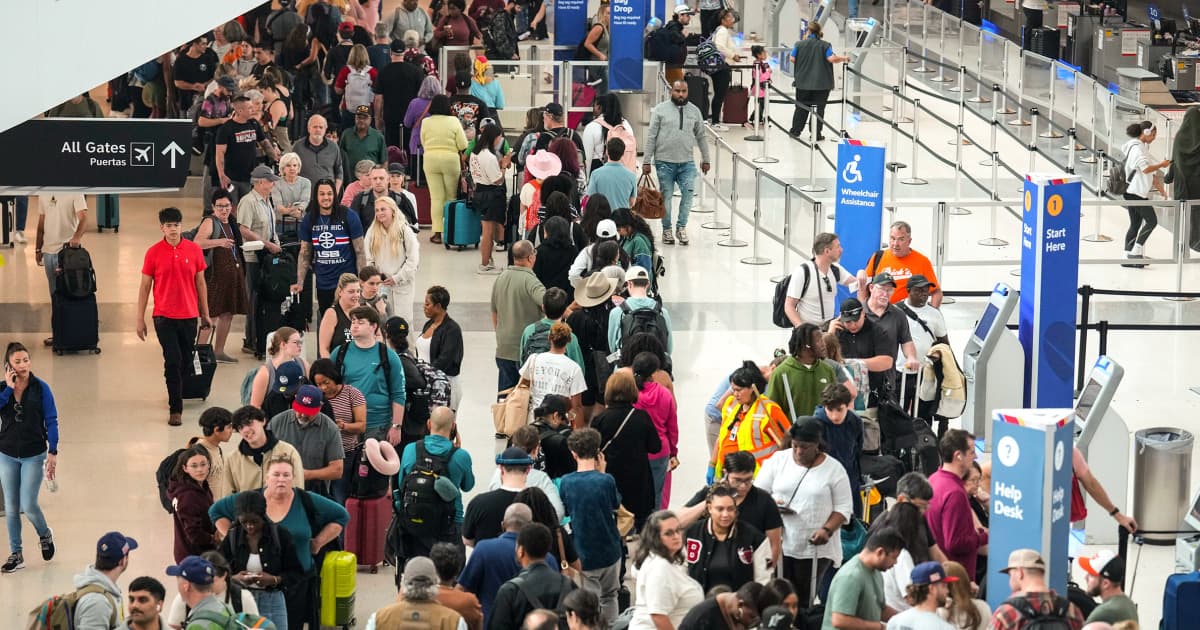
Delta Air Lines has become the latest U.S. carrier to raise checked baggage fees, announcing Tuesday that most domestic and short-haul international passengers will pay $45 for a first checked bag, $55 for a second, and $200 for a third—effective Wednesday. The increases, which follow similar moves by United Airlines and JetBlue last week, reflect the airline industry’s mounting financial strain as jet fuel prices surge amid geopolitical tensions in the Middle East. For travelers, the move signals higher travel costs just as families plan summer vacations, with analysts warning that ancillary fees like baggage charges may become even more commonplace.
Why Are Airlines Raising Baggage Fees Now? The Role of Jet Fuel Price Surges
Airlines are raising fees in direct response to a sharp increase in jet fuel costs, which have nearly doubled since late February when conflict escalated in the Middle East. Ed Bastian, Delta’s CEO, told investors last month that the conflict had added approximately $400 million to the airline’s operating expenses, a figure echoed by executives at United Airlines and American Airlines. Fuel is typically the second-largest expense for airlines after labor, making it a critical pressure point when prices rise.
How the Middle East Conflict Drives Global Fuel Prices
The war in the Middle East has disrupted one of the world’s most critical oil chokepoints: the Strait of Hormuz. Roughly one-fifth of the globe’s oil supply passes through this narrow waterway, and heightened tensions have sent crude prices climbing. Jet fuel, refined from crude oil, has followed suit, with the average price for a gallon in major U.S. hubs reaching $4.81 on Tuesday—up from $2.50 the day before the conflict began, according to Argus Media’s U.S. Jet Fuel Index.
Delta’s Fee Hike: Who Pays and Who Doesn’t
Under Delta’s new policy, the fee increases apply to most domestic and short-haul international routes. However, exceptions exist: passengers in premium cabins (Delta One, First Class, and Delta Comfort+), active-duty military personnel, holders of Delta SkyMiles® co-branded credit cards, and members of certain loyalty tiers (Delta SkyMiles® Platinum and Diamond Medallion) will still receive complimentary checked bags. Long-haul international flights are also exempt from the new fees, though Delta has not ruled out future adjustments for those routes as market conditions evolve.
A Domino Effect: United, JetBlue, and the Broader Trend in Ancillary Fees
Delta’s move is part of a broader industry-wide shift toward higher ancillary fees as airlines seek to offset rising costs. United Airlines recently announced a $10 increase for the first and second checked bags on domestic flights, while JetBlue raised fees by $5-$10. Industry analysts predict that carriers may continue to rely on these fees—such as seat selection, in-flight purchases, and baggage charges—to stabilize profit margins in an era of unpredictable fuel prices. This trend mirrors strategies employed by non-U.S. carriers, many of which have introduced or expanded fuel surcharges in response to similar cost pressures.
The Financial Toll: How Rising Fuel Costs Are Reshaping Airline Profits
The financial impact of soaring fuel costs is already visible in the bottom lines of major U.S. airlines. Delta’s projected $400 million expense increase is a significant blow, especially as the airline prepares to report its first-quarter earnings on Wednesday—a milestone that kicks off the earnings season for the airline industry. Historically, airlines have struggled to pass on higher fuel costs to consumers through ticket prices alone, leading to a greater reliance on ancillary revenue, which now accounts for nearly 50% of total airline revenue for some carriers, according to industry data.
What This Means for Travelers: Higher Costs and Fewer Perks
For consumers, the fee increases come at a particularly inopportune time. With summer travel season underway, families planning vacations face steeper costs not only for baggage but potentially for other ancillary services as airlines seek to mitigate financial pressures. Travel experts advise passengers to book early, compare fare structures across airlines, and consider loyalty programs or credit card perks that may offset some of these additional expenses. The rise in baggage fees also underscores a broader trend: airlines are increasingly prioritizing revenue from non-ticket sources, a shift that could redefine the passenger experience in the years ahead.
Historical Context: How Airline Fees Have Evolved Over Decades
The concept of airline fees is not new, but their scope and scale have expanded dramatically in the 21st century. In the early 2000s, most U.S. airlines still offered two free checked bags on domestic flights. However, the industry’s financial struggles during the 2008 financial crisis and subsequent fuel price volatility led carriers to adopt a la carte pricing models. By 2010, airlines like American and Delta had begun charging for the first checked bag, a strategy that has since become standard. Today, fees for additional bags, seat assignments, and even carry-on luggage (in some cases) are commonplace, reflecting the industry’s shift toward maximizing revenue from every passenger interaction.
Key Takeaways: What Travelers Need to Know About the New Delta Baggage Fees
- Delta is raising checked baggage fees by $10-$50 for most domestic and short-haul international routes, effective Wednesday.
- The increases are driven by a near-doubling of jet fuel prices since late February, linked to Middle East conflict and disruptions at the Strait of Hormuz.
- Passengers in premium cabins, military personnel, co-branded credit card holders, and certain loyalty members are exempt from the new fees.
- United and JetBlue have also raised baggage fees in recent weeks, signaling a broader industry trend toward higher ancillary costs.
- Analysts warn that travelers may face more fee increases this summer as airlines navigate volatile fuel markets and rising operating expenses.
The Future of Airline Pricing: Will Fees Keep Rising?
While Delta’s fee hike is a direct response to immediate cost pressures, the long-term trajectory of airline pricing remains uncertain. Industry experts suggest that if fuel prices remain elevated, airlines may continue to raise ancillary fees or introduce new ones, such as charges for carry-on bags or premium economy seat selections. Additionally, carriers may explore dynamic pricing models, where fees fluctuate based on demand or real-time fuel costs. For now, travelers are advised to budget for these expenses and explore loyalty programs or credit card benefits that can offset some of the added costs.
Frequently Asked Questions About Delta’s Baggage Fee Increase
Frequently Asked Questions
- Which Delta flights are affected by the new baggage fees?
- The new fees apply to most domestic and short-haul international routes. Long-haul international flights, premium cabins, and certain loyalty members are exempt. Check Delta’s website for route-specific details.
- How much will Delta’s baggage fees increase by?
- Delta’s first checked bag fee rises from $30 to $45, the second from $40 to $55, and the third from $150 to $200. These changes take effect on Wednesday.
- Are other airlines raising baggage fees too?
- Yes. United Airlines and JetBlue recently announced similar increases. Industry analysts expect more carriers to follow suit as fuel costs remain high.