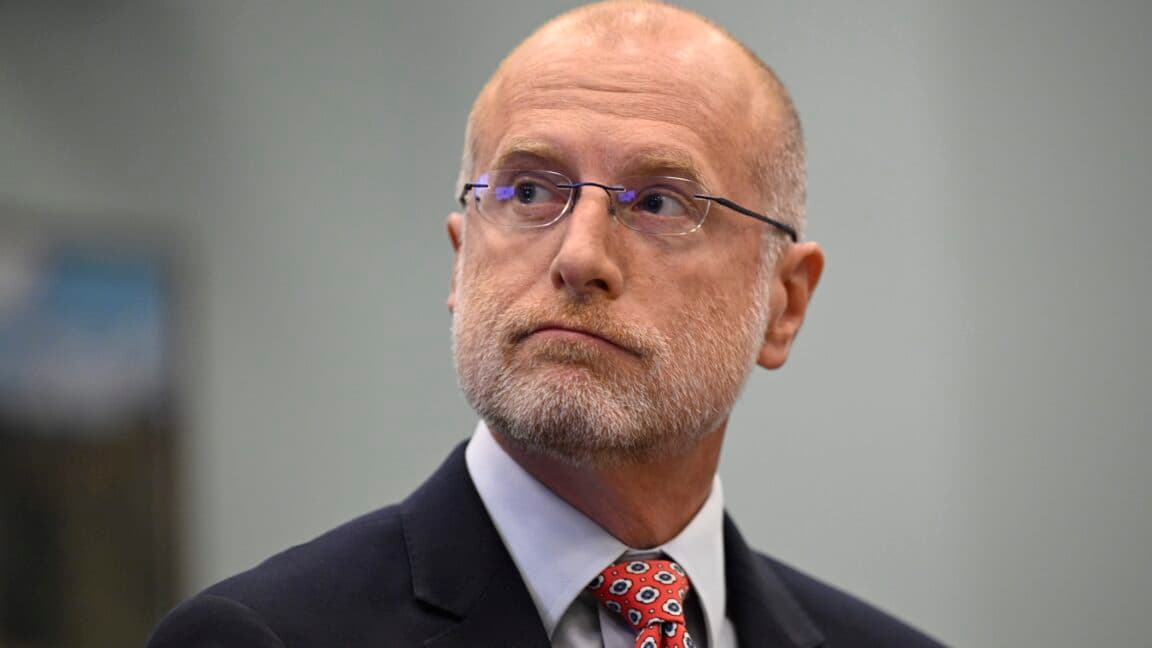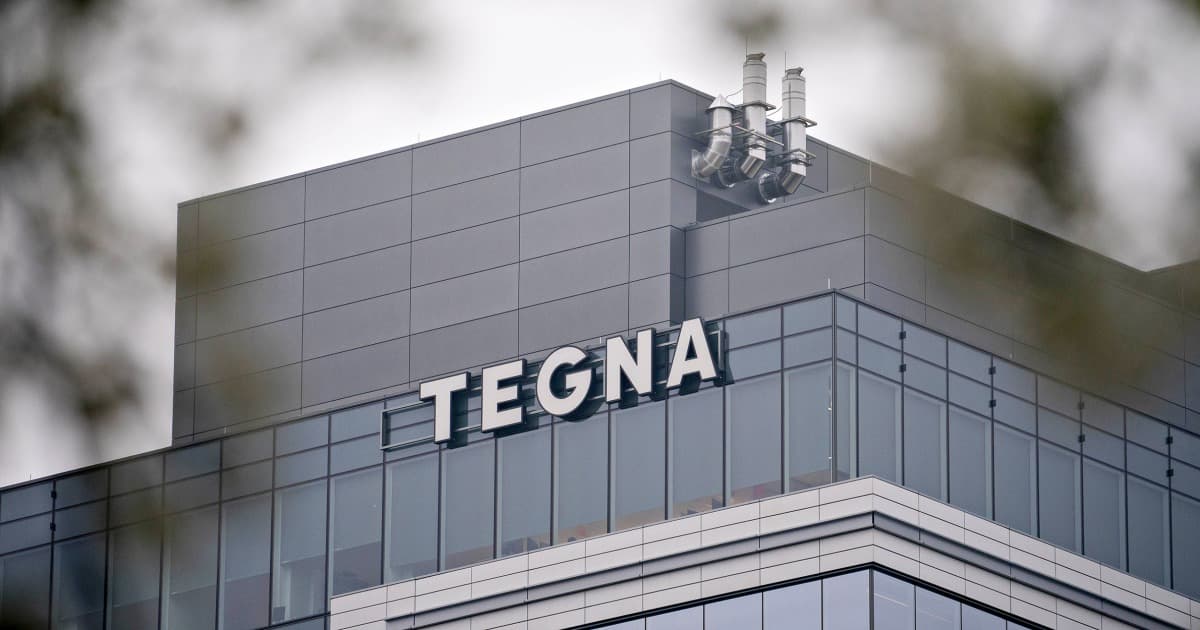
The Federal Communications Commission (FCC) on Thursday authorized Nexstar Media Group’s $6.2 billion acquisition of Tegna Inc., a landmark decision that will consolidate local television broadcasting under a single operator reaching at least 60% of U.S. households—far exceeding the agency’s long-standing 39% ownership cap. The approval arrived despite an antitrust lawsuit filed just hours earlier by attorneys general from California, New York, and six other states, who argue the merger violates federal competition laws and threatens local journalism. The move also follows a swift regulatory green light from the U.S. Department of Justice (DOJ), which shortened its standard review period, signaling broad government support for the deal. FCC Chairman Brendan Carr, a Republican appointee, framed the waiver as consistent with the agency’s mission to foster "competition, localism, and diversity" in media, while critics, including the FCC’s lone Democrat, condemned the process as opaque and undemocratic.
Why the Nexstar-Tegna Merger Matters: A New Era for Local TV Ownership
The FCC’s decision to bless the Nexstar-Tegna merger represents a seismic shift in local television ownership, upending decades of regulatory precedent. For the first time in its history, the agency has waived its 39% national audience reach cap—a rule designed to prevent media monopolies and preserve diverse viewpoints—paving the way for a single company to control an unprecedented share of the U.S. broadcast landscape. The combined entity, now poised to operate 265 stations across 126 markets, would surpass the reach of legacy giants like Sinclair Broadcast Group and Gray Television, reshaping how Americans consume local news, weather, and emergency broadcasts. The merger arrives at a critical inflection point for the news industry, which has seen hundreds of local outlets shutter amid declining ad revenues and digital disruption, raising questions about the long-term health of community journalism.
The 39% Rule: From Protection to Outdated Constraint?
Enacted in 1941 and revised multiple times since, the FCC’s 39% ownership cap was intended to prevent any single broadcaster from dominating national audiences, thereby safeguarding diverse voices and preventing monopolistic control over information. The rule has been a cornerstone of media regulation, but its relevance has been increasingly questioned as the industry has fractured into digital and streaming platforms. The National Association of Broadcasters (NAB), the industry’s leading trade group, has long argued that the cap is "outdated" and fails to reflect today’s fragmented media ecosystem, where tech giants like Google and Meta command larger shares of audience attention than any traditional broadcaster. Curtis LeGeyt, NAB’s president and CEO, praised the FCC’s decision as a "meaningful sign" that the agency recognizes the need for reform. "The national ownership cap no longer reflects today’s media marketplace," LeGeyt said in a statement. "We are grateful to Chairman Brendan Carr for his recognition of this urgent need."
FCC’s Waiver: A Regulatory Green Light Amid Legal and Political Turmoil
Chairman Carr’s announcement came less than 24 hours after attorneys general from California, New York, Colorado, Connecticut, Minnesota, Nevada, Oregon, and Wisconsin filed a federal antitrust lawsuit to block the merger. The lawsuit, filed in the U.S. District Court for the Central District of California, alleges that the deal would "substantially lessen competition" in local advertising markets and reduce consumer choice, particularly in smaller and mid-sized markets where Tegna and Nexstar often operate the only local newsrooms. The states’ legal challenge underscores growing bipartisan skepticism toward media consolidation, even as the FCC and DOJ have signaled approval.
Carr defended the waiver in a statement, arguing that it "promotes the underlying purpose of the FCC’s media regulations" by enhancing competition and localism. He also noted that Nexstar had agreed to "certain concrete conditions," including divesting specific stations, increasing local news production, and committing to affordability measures for viewers—though he did not disclose the details of these concessions. The DOJ’s antitrust division confirmed it had shortened its standard 30-day waiting period before approving the deal, a move that suggests the agency did not view the merger as posing significant competitive harm.
“Waiving that rule here is consistent with longstanding FCC authorities and doing so promotes the underlying purpose of the FCC’s media regulations by promoting competition, localism, and diversity.” — Brendan Carr, FCC Chairman
Nexstar and Tegna: A Merger of Media Titans with Contrasting Histories
Nexstar Media Group, headquartered in Irving, Texas, is already the largest owner of local TV stations in the U.S., operating 201 stations in 116 markets before the merger. The company’s portfolio includes flagship stations like WGN America (now NewsNation) and WPIX in New York City. Tegna, based in McLean, Virginia, owns 64 full-power broadcast stations, an AM radio station, and an FM radio station, with a strong presence in major markets such as Washington, D.C., Atlanta, and Seattle. The merger will create a broadcasting behemoth with unparalleled reach, but it also raises concerns about reduced competition in local advertising markets, where both companies are dominant players.
Sook’s Vision: Combating Big Tech with Local Media Scale
In August, when Nexstar first announced the deal, CEO Perry Sook framed it as a strategic response to the "fragmented and rapidly evolving marketplace" dominated by Big Tech and legacy media conglomerates. Sook, a longtime advocate for deregulation, has argued that local broadcasters need scale to compete with digital giants like Google and Facebook, which control the majority of digital ad revenues. "The initiatives being pursued by the Trump administration offer local broadcasters the opportunity to expand reach, level the playing field, and compete more effectively with the Big Tech and legacy Big Media companies," Sook said at the time. His comments reflect a broader industry push for regulatory relief, including changes to the 39% cap, which Nexstar has long argued stifles growth.
FCC’s Political Divide: Carr’s Deregulatory Push vs. Gomez’s Transparency Concerns
The FCC’s approval highlighted deep divisions within the agency, which is currently split with three Republican commissioners and one Democrat (Anna M. Gomez) following the expiration of two commissioner terms earlier this year. Gomez, a Biden appointee, blasted the decision as a failure of accountability. In a sharply worded statement, she criticized the FCC for approving the merger "behind closed doors" without a full commission vote or public process. "The FCC has once again chosen bureaucratic cover over public accountability," Gomez said. "This merger was approved with no open process, no full Commission vote, and no transparency for the consumers and communities who will bear the consequences." Her remarks underscore the broader debate over media consolidation, which has become a flashpoint in discussions about misinformation, local journalism, and corporate control of information.
The Broader Impact: Local Journalism, Market Competition, and the Future of Broadcast TV
The Nexstar-Tegna merger is more than a business deal—it’s a bellwether for the future of local journalism in America. As traditional broadcast TV grapples with declining linear viewership and ad revenues, consolidation has become a survival strategy for many station owners. Proponents argue that scale is necessary to fund robust local newsrooms in an era of shrinking resources. Critics, however, warn that fewer owners could lead to homogenized content, reduced competition in local advertising, and less diversity of voices. The merger also raises questions about the FCC’s role in regulating media ownership at a time when digital platforms have fundamentally altered how Americans consume news. With the agency’s five-year terms staggered, the political dynamics could shift rapidly, potentially leading to a reversal of today’s deregulatory approach under future administrations.
Key Takeaways: What This Merger Means for Viewers, Advertisers, and the Media Landscape
- The FCC waived its 39% national TV ownership cap, allowing Nexstar to acquire Tegna and create the largest local TV station operator in the U.S., reaching at least 60% of households.
- Eight states, led by California and New York, filed an antitrust lawsuit to block the merger, alleging it would harm competition and local journalism.
- Nexstar and the DOJ secured regulatory approvals within days, with Nexstar agreeing to unspecified "concrete conditions" to address concerns.
- The merger reflects a broader industry push for deregulation to compete with Big Tech, but critics warn it could reduce local competition and diversity.
- The FCC’s decision highlights a partisan divide, with Chairman Carr defending the waiver as pro-competitive and Democrat Anna Gomez criticizing the lack of transparency.
Historical Context: The FCC’s Shifting Approach to Media Ownership
The FCC’s decision to waive the 39% cap marks a dramatic departure from decades of media ownership regulation. The rule was first established in 1941 to prevent any single broadcaster from dominating national audiences, a concern that grew out of fears of monopolistic control over information. Over the years, the FCC has adjusted the cap multiple times, most recently in 2017 when it voted to retain the 39% limit but expand the ways in which stations could be counted toward it. That decision was met with widespread criticism, including from then-FCC Commissioner Mignon Clyburn, who argued it would "further concentrate media ownership and harm diversity." The Nexstar-Tegna merger, however, suggests the agency is now prioritizing scale and competition over traditional ownership limits, reflecting the realities of a media landscape transformed by streaming and digital platforms.
Regulatory Path Forward: What’s Next for Nexstar, Tegna, and Their Critics
While the FCC and DOJ have given their blessing, the legal battle is far from over. The antitrust lawsuit filed by the eight states could delay or derail the merger, particularly if a court finds that the deal violates federal competition laws. Additionally, the FCC’s conditions for the waiver—such as station divestitures and localism commitments—remain undisclosed, leaving open questions about how Nexstar will address concerns about reduced competition. The company has pledged to maintain "strong local journalism," but the specifics of these promises will be closely scrutinized by regulators, lawmakers, and media watchdogs. For now, the merger appears poised to close, but the legal and political fallout could reshape the future of broadcast media ownership.
Frequently Asked Questions
Frequently Asked Questions
- Why did the FCC waive the 39% TV ownership cap?
- The FCC waived the 39% cap because Chairman Brendan Carr argued it was consistent with the agency’s goals of promoting competition and localism. The decision was also influenced by lobbying from the National Association of Broadcasters, which has long argued the cap is outdated in today’s fragmented media landscape.
- What states are suing to block the Nexstar-Tegna merger?
- Attorneys general from California, New York, Colorado, Connecticut, Minnesota, Nevada, Oregon, and Wisconsin filed the antitrust lawsuit. They allege the merger would reduce competition and harm local journalism in their respective states.
- What conditions did Nexstar agree to in exchange for the FCC’s approval?
- FCC Chairman Brendan Carr said Nexstar agreed to "certain concrete conditions," including divesting specific stations, increasing local news production, and committing to affordability measures. However, the details of these conditions have not been publicly disclosed.