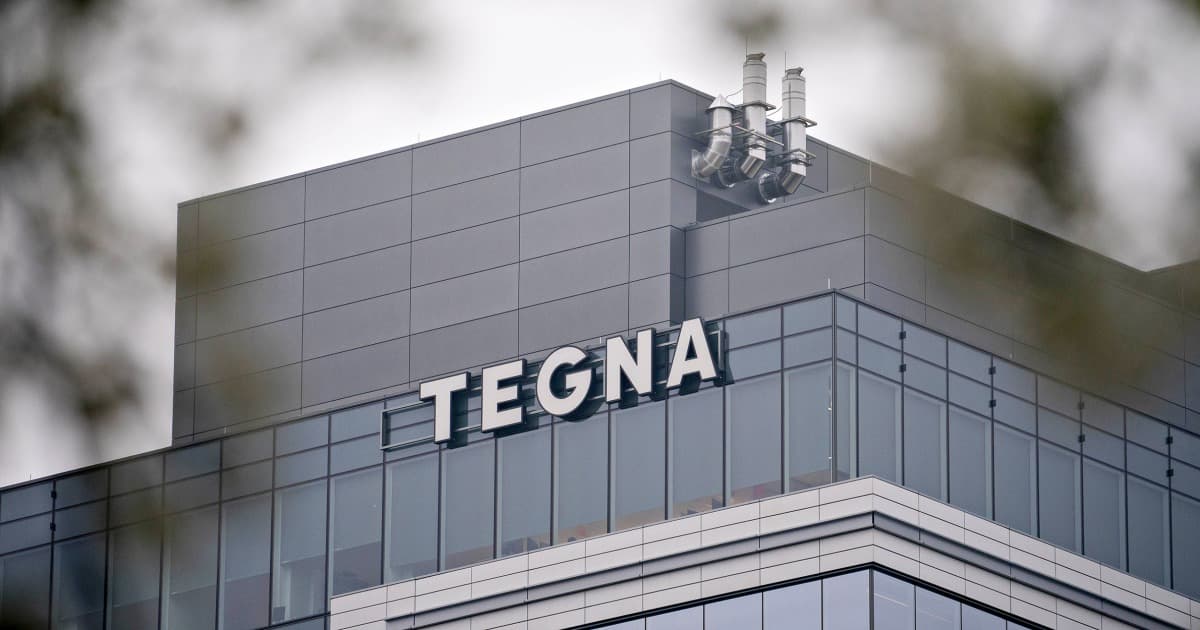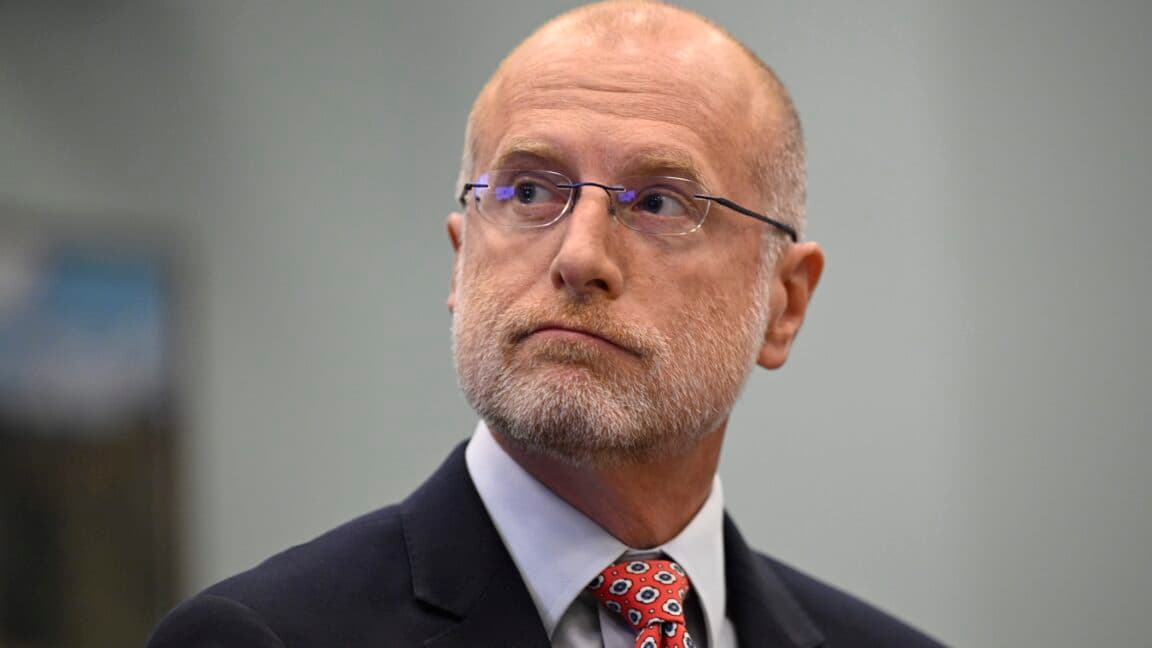
The Federal Communications Commission (FCC) on Tuesday approved Nexstar Media Group’s $6.2 billion acquisition of Tegna Inc., a landmark deal that grants the broadcast giant a rare waiver to exceed the national cap on TV station ownership. The approval, issued just hours after the transaction closed, allows Nexstar to control stations reaching 80% of U.S. TV households—far surpassing the 39% limit imposed by federal regulations. The move, championed by FCC Chairman Brendan Carr and former President Donald Trump, has ignited a firestorm of legal challenges and raised urgent questions about the future of local journalism amid accelerating media consolidation.
How the Nexstar-Tegna Merger Redefines TV Ownership Limits and Why It Matters
At the heart of the controversy is the FCC’s decision to waive the National Television Ownership Rule, which caps a single entity’s reach at 39% of U.S. TV households. Nexstar’s acquisition of Tegna immediately pushed its audience share to 80%—a figure that drops to 54.5% when applying the so-called "UHF discount," a decades-old regulatory provision that halves the audience reach of ultra-high-frequency (UHF) stations. While the UHF discount was temporarily eliminated in 2016 under the Obama administration, the FCC reinstated it in 2017 during Trump’s first term, a reversal that critics argue has systematically eroded competitive safeguards in the broadcast industry.
The Legal Loophole That Paved the Way for the Deal
The FCC’s justification for the waiver hinges on its claim of broad discretionary authority to approve mergers that it deems beneficial to local news investment and community programming. In its merger approval order, the agency argued that case-by-case waivers allow it to assess whether a transaction serves the public interest—even if it technically violates ownership caps. Opponents, including a bipartisan coalition of state attorneys general and media advocacy groups, contend that only Congress has the power to alter the 39% cap, citing the 2004 amendments to the Telecommunications Act, which explicitly barred the FCC from using its forbearance authority to waive the rule.
“Congress specifically barred the Commission from granting waivers of this limit,” a coalition of public interest groups, including the United Church of Christ Media Justice Ministry and Free Press, argued in a filing. “The Commission simply lacks the authority to grant the National Cap waivers that Applicants seek.”
The FCC countered that the prohibition on forbearance applies only to telecommunications carriers, not broadcast TV stations, and that its waiver authority remains intact. This legalistic parsing has done little to quell the backlash, with critics accusing the agency of overreach and regulatory capture.
The Political Undercurrents: Trump’s Endorsement and Carr’s Regulatory Shift
The FCC’s decision was telegraphed weeks in advance when Donald Trump publicly endorsed the merger on Truth Social on February 7, 2025, writing: “We need more competition against THE ENEMY, the Fake News National TV Networks... Letting Good Deals get done like Nexstar – Tegna will help knock out the Fake News because there will be more competition.” FCC Chairman Brendan Carr, a Trump appointee, amplified the post on X, declaring that “national networks like Comcast & Disney have amassed too much power” and framing the deal as a blow against centralized media control.
A Strategic Alliance: Nexstar’s Influence Over FCC Policy
Nexstar’s relationship with the FCC extends beyond the Tegna merger. In 2023, the company temporarily pulled ABC’s *Jimmy Kimmel Live!* from its 28 affiliates after Carr threatened broadcasters with license revocations for airing Kimmel’s monologues critical of Trump. The move, which coincided with Carr’s broader campaign against “woke” content in media, underscored Nexstar’s willingness to curry favor with the FCC—a dynamic that critics argue has skewed regulatory outcomes in the company’s favor.
“We are grateful to President Trump, Chairman Carr, and the DOJ for recognizing the dynamic forces shaping the media landscape and enabling this transaction to move forward,” Nexstar CEO Perry Sook said in a statement. The FCC, in its own press release, framed the merger as a necessary corrective to the “growing power that national programmers have amassed,” suggesting that consolidation at the local level could counterbalance the dominance of conglomerates like Comcast and Disney.
The Human Cost: Layoffs, Local News Erosion, and Retransmission Fee Hikes
Even as regulators celebrate the deal’s potential to “invest in local news and reporting,” Nexstar’s track record raises red flags. Ahead of the merger’s approval, the company conducted layoffs at multiple local stations, part of a broader trend in the industry where consolidation often leads to newsroom cuts and centralized content production. Advocacy groups warn that Nexstar’s post-merger strategy—particularly its reliance on retransmission consent fees—will drive up costs for consumers.
Retransmission Fees: Who Pays the Price?
Public Knowledge’s legal director, John Bergmayer, estimates that Nexstar plans to extract $300 million in “synergies” from the deal, with 45% of those savings coming from retransmission consent revenue—the fees broadcasters charge cable and satellite providers to carry their signals. “Consumers will pay the price,” Bergmayer said. “Nexstar’s own executives told Wall Street that about 45 percent of the $300 million in expected ‘synergies’ will come from retransmission consent revenue. That is: Nexstar plans to jack up the fees it charges cable and satellite providers, and those costs will be paid for by viewers.”
The Local News Crisis: A Decade of Decline
The merger’s opponents point to Nexstar’s history of consolidating news operations. In markets where the company already operates multiple stations, it has repeatedly merged newsrooms, eliminated local investigative teams, and replaced locally produced content with national programming. “In every market where Nexstar already operates multiple stations, it has consolidated news operations, merged newsrooms, and cut staff,” Bergmayer noted. The Tegna acquisition, which adds 265 full-power stations to Nexstar’s portfolio, could accelerate this trend, further eroding the diversity of voices in local media.
The Legal Battle: Eight States Sue to Block the Merger
The merger’s opponents are not standing idly by. On Wednesday, attorneys general from California, Colorado, Connecticut, Illinois, New York, North Carolina, Oregon, and Virginia filed a lawsuit in federal court, seeking a temporary restraining order to block Nexstar and Tegna from integrating their operations. The states argue that the deal would create “the largest broadcast station group in the United States,” giving Nexstar unprecedented control over news and information delivery.
The States’ Case: Unprecedented Consolidation Threatens Local Control
In their complaint, the attorneys general highlight that Nexstar and Tegna together own 221 “Big Four” stations—nearly half of all affiliates of FOX, NBC, ABC, and CBS. They warn that the merger would “put more broadcast programming in the hands of fewer people, removing control from the communities they report to, cutting local jobs, and significantly impacting the delivery of news and other media content to Americans nationwide.” The lawsuit seeks to unwind the deal entirely, pending further proceedings.
Nexstar’s Promised Divestitures: A Token Gesture?
To secure FCC approval, Nexstar agreed to divest six stations in Denver, Indianapolis, New Haven, Portsmouth, Slidell, and Rogers. While the company frames these divestitures as a concession to regulatory concerns, critics argue they are insufficient to mitigate the deal’s anticompetitive effects. The FCC’s decision to waive the Local Television Ownership Rule—allowing Nexstar to own more than two full-power stations in 23 markets—further underscores the scope of the consolidation.
Congressional Outrage: Democrats and Republicans Alike Condemn the FCC
The FCC’s decision has drawn bipartisan rebuke from Capitol Hill. U.S. Rep. Doris Matsui (D-Calif.), a longtime advocate for media diversity, condemned the move as an “outrageous abuse of authority.” “Congress established the 39 percent national television ownership cap and only Congress has the authority to change it,” Matsui said. “Yet here we are watching an agency charged with enforcing the law tear it up on behalf of Donald Trump and FCC Chair Brendan Carr.”
A Democratic FCC Commissioner’s Protest: The Absence of Public Scrutiny
Even FCC Commissioner Anna Gomez, the commission’s lone Democrat, criticized the process, arguing that the merger deserved a full commission vote rather than a behind-the-scenes bureau-level approval. “The FCC has once again chosen bureaucratic cover over public accountability,” Gomez said. “This merger was approved behind closed doors with no open process, no full commission vote, and no transparency for the consumers and communities who will bear the consequences.”
What’s Next? Legal Challenges, Congressional Scrutiny, and Industry Fallout
The legal and political fallout from the Nexstar-Tegna merger is far from over. With eight states now suing to block the deal, the case could drag on for months, potentially delaying or unwinding the transaction. Meanwhile, Congress may revisit the 39% ownership cap, though partisan divisions over media policy make legislative action uncertain. For local journalists, consumers, and media reform advocates, the stakes could not be higher: Will this merger accelerate the decline of local news, or will it spur investment in community-focused programming? One thing is clear: The FCC’s decision has set a precedent that could reshape the broadcast industry for years to come.
- The FCC approved Nexstar’s $6.2B acquisition of Tegna, allowing the broadcaster to reach 80% of U.S. TV households—far exceeding the 39% ownership cap.
- Critics argue the FCC lacks authority to waive the cap, while the agency claims discretionary power to approve mergers it deems beneficial to local news.
- The deal faces lawsuits from eight state attorneys general, who warn of job cuts, reduced local control, and inflated consumer costs.
- Nexstar’s history of newsroom consolidations and layoffs raises concerns about the merger’s impact on local journalism.
- Political figures, including Trump and FCC Chair Brendan Carr, framed the deal as a tool to counter 'Fake News' and centralized media power.
Key Takeaways for Consumers and Broadcasters
The Nexstar-Tegna merger represents a seismic shift in the broadcast industry, with far-reaching implications for consumers, local journalists, and media policy. Here’s what you need to know:
- The FCC’s waiver of the 39% ownership cap—enabled by the UHF discount—allows Nexstar to dominate 54.5% of U.S. TV households, raising concerns about monopolistic control.
- Local newsrooms are at risk as Nexstar’s past actions show a pattern of merging news operations, cutting staff, and prioritizing national over local content.
- Retransmission fee hikes, driven by Nexstar’s post-merger cost-cutting, could lead to higher cable bills for consumers.
- The legal battle over the merger could set a precedent for future media consolidation cases, with eight states seeking to block the deal in court.
- Political interference, including Trump’s public endorsement and Carr’s regulatory shifts, has intensified scrutiny of the FCC’s decision-making process.
Frequently Asked Questions
Frequently Asked Questions
- Why did the FCC approve the Nexstar-Tegna merger despite the 39% ownership cap?
- The FCC granted a waiver, arguing that the merger could benefit local news investment and community programming. Critics say the agency overstepped its authority, as Congress set the 39% cap in 2004 and barred the FCC from waiving it.
- How will the merger affect local news coverage?
- Nexstar has a history of consolidating newsrooms and cutting local jobs after acquisitions. Advocacy groups warn the Tegna deal could accelerate this trend, reducing local investigative reporting and replacing it with national content.
- What are retransmission fees, and why do they matter?
- Retransmission fees are charges broadcasters like Nexstar impose on cable and satellite providers to carry their signals. Critics say Nexstar plans to hike these fees post-merger, passing costs to consumers via higher cable bills.