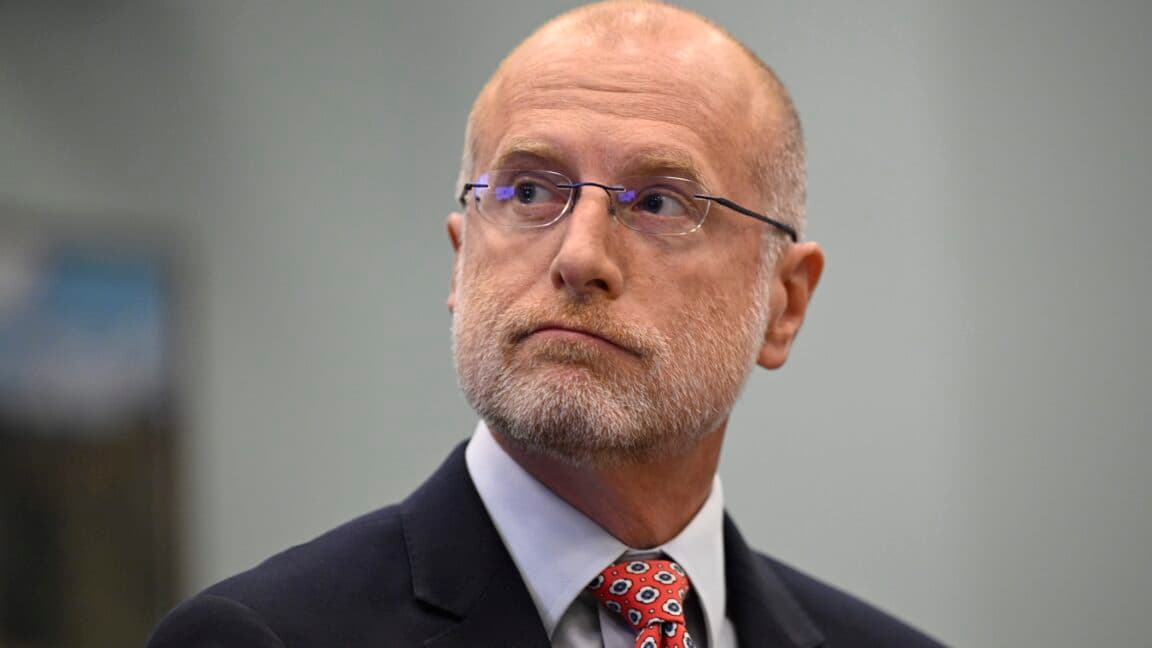
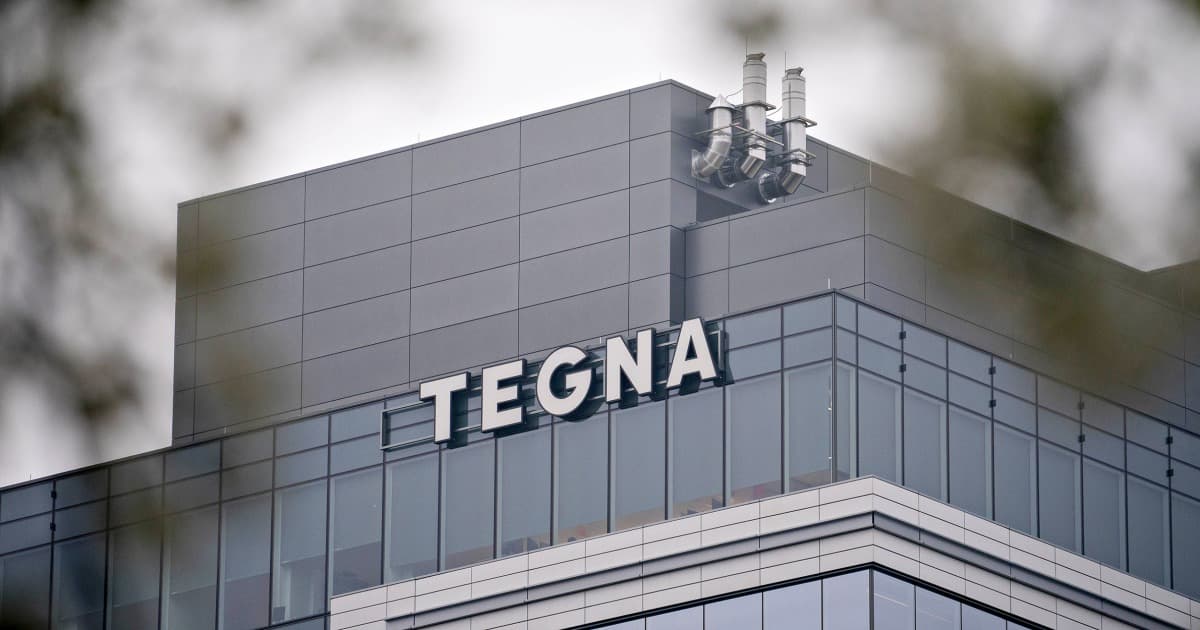
In a landmark decision that reshapes the future of local journalism, the Trump administration on Thursday, March 20, 2026, approved Nexstar Media Group’s $6.2 billion acquisition of Tegna Inc., creating the largest television station owner in the United States and raising alarms about the erosion of media diversity. The Federal Communications Commission (FCC) and the Department of Justice granted approval for the merger just one day after eight state attorneys general filed an antitrust lawsuit to block the deal, arguing it would concentrate too much broadcast power into a single corporate entity. The approval came after Nexstar removed late-night comedian Jimmy Kimmel’s show from its networks in response to his controversial remarks about conservative activist Charlie Kirk, who was fatally shot the following month—a move that reportedly swayed President Donald Trump, who had previously opposed the deal.
How the Nexstar-Tegna Merger Creates a Media Monopoly with 265 TV Stations Across 44 States
The $6.2 billion merger between Nexstar and Tegna—finalized in a rapid regulatory approval process—will consolidate control of local news and entertainment under a single corporate umbrella. Nexstar, already the dominant player in the U.S. broadcast television market, will now operate 265 local TV stations spanning 44 states, reaching into approximately 132 of the nation’s 210 designated TV markets. This expansion significantly surpasses the FCC’s previously strict National Television Ownership Rule, which had limited any single broadcaster from owning stations collectively serving more than 39% of U.S. households. The rule was waived in this case, a decision that critics argue sets a dangerous precedent for unchecked media consolidation.
Nexstar’s Expanding Empire: From Local News to National Networks
Beyond its local station footprint, Nexstar owns the NewsNation cable network and the CW, positioning the company as a formidable force in both broadcast and cable television. The acquisition of Tegna—which operates 64 television stations in 51 markets—will further solidify Nexstar’s dominance in regional news coverage, particularly in swing states and mid-sized cities where local journalism is already struggling. According to industry analysts, the combined entity will control nearly 20% of all local TV broadcast revenue in the U.S., raising questions about the long-term viability of independent local newsrooms. Nexstar CEO Perry Sook framed the merger as a necessary step to ‘strengthen local journalism’ in a statement released after the FCC’s approval, thanking Trump and FCC Chairman Brendan Carr for facilitating the deal.
The Political Shift: How Jimmy Kimmel’s Removal Paved the Way for Merger Approval
The merger’s approval followed an abrupt reversal in Trump’s stance, who had previously expressed opposition to the deal. The turning point came in February 2026, when Nexstar—which owns ABC affiliate WFAA in Dallas—pulled ABC’s *Jimmy Kimmel Live!* off the air in response to Kimmel’s on-air comments criticizing Charlie Kirk, the conservative commentator and Turning Point USA founder. Kirk was fatally shot in an unrelated incident weeks later, amplifying the controversy. In a TruthSocial post published in early March 2026, Trump praised the merger as a victory against what he termed ‘Fake News’ networks, writing: *"We need more competition against THE ENEMY, the Fake News National TV Networks… Those that are opposed don’t fully understand how good the concept of this Deal is for them, but they will in the future. GET THAT DEAL DONE!"*
"Given the increasingly alarming pace of reckless media consolidation, the American public deserves to know how and why this decision was made." — Anna Gomez, Democratic FCC Commissioner, opposing the Nexstar-Tegna merger
Antitrust Lawsuit: Why Eight State Attorneys General Are Fighting the Merger
The antitrust lawsuit filed by the attorneys general of California, New York, Illinois, Pennsylvania, Massachusetts, Minnesota, Oregon, and Washington represents one of the most significant legal challenges to media consolidation in recent years. The lawsuit argues that the merger will stifle competition, reduce the number of independent voices in local news, and deprive communities of critical watchdog journalism. California Attorney General Rob Bonta, speaking on behalf of the coalition, stated: *"When broadcast media is owned by a handful of companies, we get fewer voices, less competition, and communities lose the critical check on power that local journalism delivers."* The lawsuit seeks to unwind the merger, citing violations of the Sherman Antitrust Act and the Clayton Act, which prohibit anti-competitive practices.
FCC’s Waiver of Ownership Limits: A Regulatory Precedent or a Threat to Democracy?
The FCC’s decision to waive the National Television Ownership Rule—designed to prevent monopolistic control over broadcast media—has drawn sharp criticism from media reform advocates and Democratic lawmakers. Anna Gomez, the FCC’s lone Democratic commissioner, condemned the approval as a backroom deal lacking transparency. In her statement, Gomez warned that the merger would concentrate broadcast power into fewer corporate hands, further shrinking independent editorial voices amid what she described as an ‘increasingly alarming pace of reckless media consolidation.’ The waiver sets a precedent that could embolden other large broadcasters to pursue similarly expansive deals, potentially reshaping the media landscape for decades to come.
Local Journalism in Peril: What the Nexstar-Tegna Merger Means for Newsrooms and Communities
The consolidation of local TV stations under a single corporate owner raises serious concerns about the future of local journalism. Critics argue that Nexstar’s business model prioritizes cost-cutting and profit margins over quality reporting, with a history of centralizing news production in distant hubs and eliminating local investigative teams. According to a 2025 report by the Pew Research Center, the number of full-time local newspaper journalists has declined by 57% since 2005, and broadcast newsroom employment has also seen significant reductions. The Nexstar-Tegna merger is expected to accelerate these trends, particularly in smaller markets where Tegna’s stations are often the last remaining local news providers. Community advocates warn that the loss of diverse perspectives could weaken civic engagement and leave residents less informed about local issues.
- Nexstar’s $6.2 billion acquisition of Tegna creates the largest local TV station owner in the U.S., controlling 265 stations across 44 states.
- The FCC waived the 39% household reach limit to approve the merger, a decision critics say sets a dangerous precedent for media consolidation.
- Eight state attorneys general filed an antitrust lawsuit to block the deal, citing threats to competition and local journalism.
- Trump reversed his opposition to the merger after Nexstar removed Jimmy Kimmel’s show over his comments about Charlie Kirk.
- The deal raises concerns about the future of local news, with Nexstar’s history of cost-cutting and centralizing news operations.
The Broader Implications: Media Consolidation and the Erosion of Public Trust
The Nexstar-Tegna merger is part of a decades-long trend of media consolidation that has reduced the number of independent news organizations in the U.S. Since the 1996 Telecommunications Act relaxed ownership rules, the number of independent television station owners has plummeted. A 2024 study by the University of North Carolina found that over 1,800 local newsrooms have closed since 2004, leaving many communities with little or no local coverage. This trend has coincided with a decline in public trust in media, with a 2025 Gallup poll showing that just 34% of Americans have a ‘great deal’ or ‘fair amount’ of trust in the news media—a record low. The Nexstar-Tegna deal, critics argue, could deepen this crisis by further concentrating control over information in the hands of a few corporate entities.
Reactions from Industry Leaders and Advocacy Groups
The merger has elicited strong reactions from both supporters and opponents. Nexstar framed itself as a defender of local journalism in its merger filings, describing its mission as combating ‘disinformation’ and ‘political agendas’ in an era of misinformation. The company has pointed to its investment in NewsNation—a cable news channel aimed at providing balanced reporting—as evidence of its commitment to diverse perspectives. However, media watchdog groups like Free Press and Common Cause have condemned the deal, arguing that it will exacerbate the ‘attention economy’s’ monopolistic tendencies. In a joint statement, the groups warned that the merger would ‘further erode the already fragile ecosystem of local news’ and called on the FCC to reverse its decision.
What’s Next? Legal Battles, Regulatory Scrutiny, and the Future of Local News
The legal and regulatory challenges facing the Nexstar-Tegna merger are far from over. The antitrust lawsuit filed by the state attorneys general is expected to proceed to trial, where courts will weigh the economic and societal impacts of the deal. Meanwhile, FCC Chairman Brendan Carr—who played a pivotal role in approving the merger—has faced calls from Democrats and media reform advocates to recuse himself from future broadcast ownership decisions, citing his close ties to Nexstar and Trump. The outcome of this case could have far-reaching implications for the future of media consolidation, setting a precedent for how the U.S. regulates the consolidation of local news. For communities across the country, the stakes are high: the loss of local journalism could leave millions without access to the information they need to participate fully in civic life.
Key Takeaways: What This Merger Means for Americans
- The $6.2 billion Nexstar-Tegna merger creates the largest local TV station owner in the U.S., with 265 stations in 44 states, reshaping the media landscape.
- The FCC waived a long-standing ownership limit to approve the deal, sparking concerns about unchecked media consolidation and reduced competition.
- Eight state attorneys general have sued to block the merger, arguing it violates antitrust laws and threatens local journalism.
- Trump reversed his opposition after Nexstar removed Jimmy Kimmel’s show over his comments about Charlie Kirk, a move that aligned with the administration’s rhetoric against ‘Fake News.’
- The merger raises serious questions about the future of local news, with Nexstar’s history of cost-cutting and centralizing operations raising fears of further newsroom cuts.
Frequently Asked Questions
Frequently Asked Questions
- Why did the Trump administration approve the Nexstar-Tegna merger?
- The administration approved the merger after Nexstar removed Jimmy Kimmel’s show from its networks in response to his comments about Charlie Kirk. Trump, who had previously opposed the deal, praised the merger as a way to counter what he called ‘Fake News’ networks.
- How many TV stations will Nexstar own after the merger?
- Nexstar will own and operate 265 local TV stations across 44 states, making it the largest TV station owner in the U.S. The company will also continue to operate NewsNation and the CW network.
- What are the antitrust concerns with the merger?
- Critics argue the merger will concentrate too much broadcast power into a single company, reducing competition and shrinking independent editorial voices. The lawsuit filed by eight state attorneys general cites violations of the Sherman Antitrust Act and the Clayton Act.