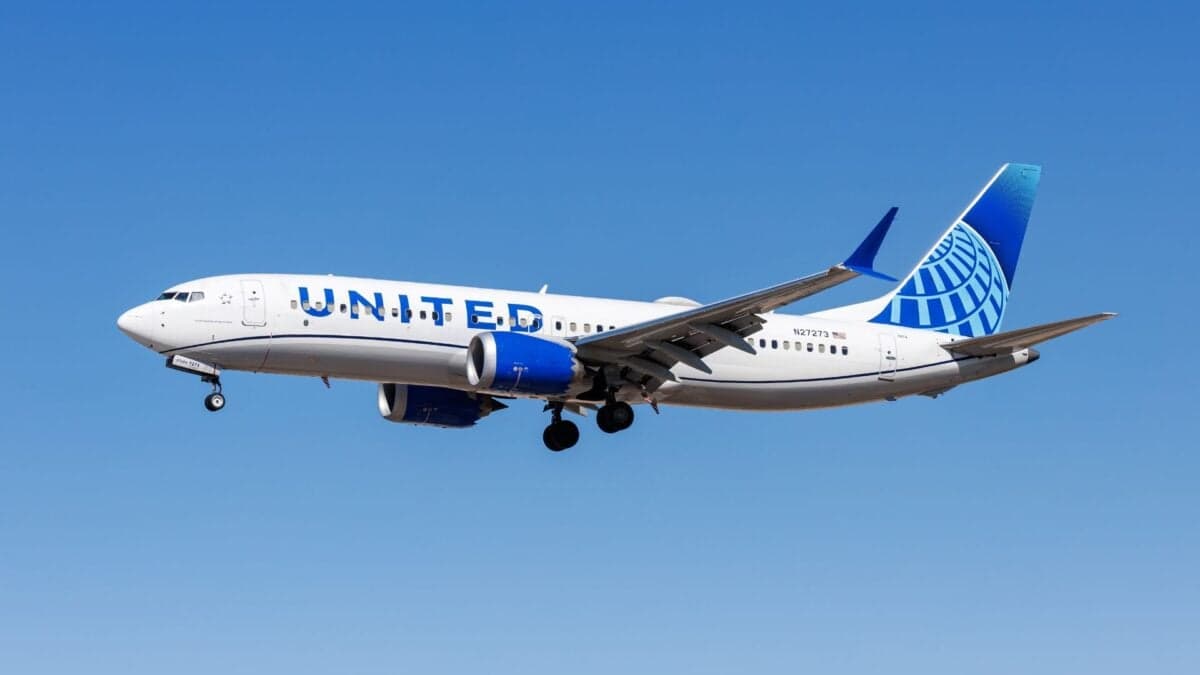
Just six weeks after escalating tensions in the Middle East triggered a new wave of airstrikes and regional instability, American travelers are feeling the economic repercussions at the airport—starting in the baggage claim line. United Airlines and JetBlue have announced significant increases to checked baggage fees, effective April 3, citing a surge in operating costs amid the ongoing conflict between Israel, Iran, and their regional proxies. While neither airline explicitly cited the war in their public statements, industry analysts and company filings point to soaring jet fuel prices as a direct consequence of the conflict, which has disrupted global oil supply chains and driven up transportation costs across multiple sectors.
- United Airlines is raising first and second checked bag fees by $10, with third bags jumping to $200—its first fee increase in two years.
- JetBlue raised first-bag fees by up to 22% during peak travel periods, part of a broader strategy to offset rising fuel and labor expenses.
- International carriers like Air France and Cathay Pacific have also raised long-haul fares and jet fuel surcharges, warning of prolonged cost pressures.
- The price hikes reflect a ripple effect from the Iran-Israel conflict, which has tightened global oil supplies and increased jet fuel volatility.
- Travel industry experts warn that additional surcharges and fees may follow as airlines seek to stabilize rising operational costs.
How the Iran Conflict Sparked a Wave of Airline Fee Hikes and Travel Cost Increases
The conflict that erupted on February 28, when Israel and the United States launched coordinated airstrikes targeting Iranian-backed militia sites in Syria and Lebanon, has since expanded into a broader regional crisis. While the immediate military exchanges have stabilized, the economic fallout continues to spread. One of the most direct channels of impact is through global oil markets. The Strait of Hormuz, a narrow chokepoint through which nearly one-fifth of the world’s seaborne oil passes, has become a flashpoint. Though not yet fully closed, heightened military activity and threats of retaliation have disrupted shipping schedules and driven up insurance premiums for vessels transiting the region. The U.S. Energy Information Administration estimates that any prolonged disruption in the Strait could remove up to 17 million barrels of crude oil per day from global supply—a volume equivalent to roughly 15% of daily oil demand.
How Jet Fuel Prices Became a Tipping Point for Airlines
Airlines are particularly sensitive to oil price fluctuations because jet fuel accounts for 20% to 30% of their total operating costs, according to the International Air Transport Association (IATA). After years of relatively stable fuel prices—averaging around $85 per barrel in 2023—crude oil has surged past $90 per barrel in March 2025, driven by geopolitical risk premiums and supply concerns. The conflict in the Middle East has compounded these pressures by increasing the cost of jet fuel, which is refined from crude oil. Cathay Pacific, in a March 12 press release, explicitly linked its decision to raise fuel surcharges to “the ongoing volatile situation in the Middle East.” The airline noted that both the crude oil and refinery components of jet fuel prices had risen significantly in recent weeks, placing “considerable pressure on airlines around the world.”
United Airlines and JetBlue Follow Industry Trend of Passing Costs to Consumers
United Airlines’ fee increase marks its first adjustment in two years, a move that parallels broader industry behavior. As of April 3, passengers booking domestic flights within the U.S., Mexico, Canada, or Latin America will pay $45 for a prepaid first checked bag (up from $35) and $55 for a prepaid second bag (up from $45). A third bag will now cost $200, up from $150. The airline has carved out exemptions for premium cabin travelers, active-duty military personnel, and certain loyalty program members. In a statement to Gizmodo, United acknowledged the increase but did not directly tie it to the Iran conflict, stating: “This is the first time in two years the airline has raised bag fees.” JetBlue, meanwhile, implemented a tiered pricing system for its first-bag fee: $39 during off-peak periods and $49 during peak times such as summer and major holidays, up from $35 and $40 respectively. Travelers paying within 24 hours of departure will incur an additional $10 fee. JetBlue said in a statement to CNBC that the increases reflect “rising operating costs” and are part of an ongoing effort to “keep base fares competitive while continuing to invest in the experience.”
Global Carriers Respond with Fare and Surcharge Increases as Fuel Volatility Persists
The ripple effect extends far beyond U.S. carriers. Air France announced in early March that it would raise fares on long-haul flights due to rising jet fuel costs, though it did not specify the exact increase. The French flag carrier, part of the SkyTeam alliance, operates extensive routes across Africa, North America, and Asia. On March 18, Cathay Pacific Airways followed suit, announcing it would raise its fuel surcharges on flights to and from North America, Europe, and Australia starting April 1. The airline cited the same geopolitical drivers as JetBlue and United, emphasizing that jet fuel prices are directly tied to crude oil volatility. Globally, IATA reported that airline operating costs rose by 9.6% in 2024, with fuel expenses accounting for nearly half of that increase. The trade group now projects fuel costs will remain elevated through at least 2026 if regional conflicts persist.
“The ongoing volatile situation in the Middle East continues to have a significant impact on the price of jet fuel and this is placing considerable pressure on airlines around the world.” — Cathay Pacific Airways, March 18, 2025 press release
From Airports to E-Commerce: How Rising Oil Prices Are Driving Up Everyday Costs
The impact of the Iran conflict is not limited to airlines. Amazon announced on March 25 that it will impose a temporary 2% surcharge on third-party sellers starting April 15, citing “elevated fuel and transportation costs.” The move, though framed as temporary, reflects broader inflationary pressures rippling through supply chains. According to the U.S. Bureau of Labor Statistics, the Producer Price Index for air transportation of freight rose by 4.2% in February 2025, the largest monthly increase since 2022. As businesses absorb higher shipping and logistics costs, consumers can expect price increases not only in travel-related services but also in everyday goods delivered from warehouses to doorsteps.
Will More Airlines Join the Fee Hike Trend? Experts Warn of Further Increases
Airlines are navigating a perfect storm of rising costs: volatile fuel prices, higher labor expenses due to ongoing contract negotiations, and inflationary pressures on maintenance and parts. Delta Air Lines, for example, reported a 12% year-over-year increase in operating expenses in its most recent earnings report, while Southwest Airlines announced plans to reduce flight frequencies in some markets due to cost constraints. Industry analysts at S&P Global Ratings project that U.S. airlines could increase ancillary revenue—such as baggage and seat selection fees—by up to 15% in 2025 if fuel prices remain above $90 per barrel. IATA’s director general, Willie Walsh, warned in a March briefing that “the era of cheap air travel is over” as airlines pass rising costs to consumers through a combination of higher fares and fees.
Who Pays the Price? Breaking Down the New Baggage Fee Structure
United Airlines’ revised baggage fee schedule, effective April 3, applies to all economy-class passengers traveling within the continental U.S., Mexico, Canada, and Latin America. Here’s how the new fees break down:
- First checked bag: $45 if prepaid online (up from $35); $50 if purchased within 24 hours of departure.
- Second checked bag: $55 if prepaid (up from $45); $60 if purchased within 24 hours.
- Third checked bag: $200 flat rate, regardless of purchase timing.
- Exceptions: Active-duty military personnel, MileagePlus Premier members, United Chase credit cardholders, and premium cabin travelers are exempt from these fees.
JetBlue’s policy, which took effect in mid-March, applies to domestic, Caribbean, and Latin American flights. Its first checked bag is now $39 during off-peak periods (up from $35) and $49 during peak times (up from $40), with an added $10 fee for purchases made within 24 hours of departure. The carrier has not yet announced changes to fees for second or third checked bags.
Historical Context: How Geopolitical Conflicts Have Drove Up Air Travel Costs Before
This is not the first time Middle Eastern conflicts have led to higher airfares and fees. During the 1990–1991 Gulf War, jet fuel prices spiked by over 50%, prompting several U.S. airlines to implement fuel surcharges and increase baggage fees. The 2003 Iraq War similarly led to a temporary surge in oil prices, with U.S. carriers reporting a 15% increase in operating costs. More recently, the 2022 Russian invasion of Ukraine caused jet fuel prices to jump by 30% within weeks, leading to widespread fare increases and the reintroduction of checked bag fees by some budget airlines. What sets the current crisis apart is the sustained nature of the price increases and the broader inflationary environment, which makes cost recovery more urgent for airlines.
What Travelers Can Do to Mitigate the Impact of Higher Baggage Fees
With airline fees on the rise, travelers are seeking ways to reduce costs. Industry experts recommend several strategies:
- Use credit cards that offer free checked bags, such as the United℠ Explorer Card or JetBlue Plus Card, which waive fees for the primary cardholder and up to eight companions.
- Pack light: Opt for carry-on-only travel to avoid checked bag fees entirely. Many airlines now allow full-size carry-ons at no extra cost.
- Monitor fare sales and book during off-peak periods when JetBlue’s first-bag fee drops to $39.
- Consider loyalty programs: United’s MileagePlus and JetBlue’s TrueBlue programs offer annual waivers for elite members, making upgrades or waived fees possible with frequent travel.
- Use airline shopping portals or credit card rewards to offset fees with points or cash back.
Long-Term Outlook: What the Future Holds for Airline Pricing and Travel Affordability
The immediate future of airline pricing remains closely tied to geopolitical developments in the Middle East. If the conflict escalates and the Strait of Hormuz is disrupted, oil prices could surge past $100 per barrel, according to Goldman Sachs. Such a scenario would likely trigger additional fare increases, route cancellations, and further fee hikes across the industry. On the other hand, a de-escalation or ceasefire could stabilize oil markets and allow airlines to roll back some surcharges. In the meantime, consumers should prepare for a sustained period of higher travel costs. As U.S. Travel Association president Geoff Freeman noted in a March 20 statement, “The convergence of geopolitical risk, inflation, and labor costs means that travel prices are unlikely to return to pre-pandemic levels anytime soon.”
Key Takeaways: What Travelers Need to Know
- United Airlines and JetBlue have raised checked baggage fees by up to 25% starting April 3 and mid-March respectively, citing rising operating costs tied to fuel price volatility.
- The fees are a direct result of the Iran conflict’s impact on global oil supply, particularly through the Strait of Hormuz, which has driven jet fuel prices up by over 10% since late February.
- International carriers like Air France and Cathay Pacific have also increased fares and fuel surcharges, signaling a global shift toward higher travel costs.
- Amazon’s 2% surcharge on third-party sellers, beginning April 15, shows that the ripple effects extend beyond airlines into e-commerce and retail.
- Experts warn that additional fee increases may be necessary if the conflict persists or escalates, potentially pushing air travel costs even higher.
Frequently Asked Questions
- Why are airlines raising baggage fees now?
- Airlines are raising fees in response to soaring jet fuel costs, which have increased due to the ongoing conflict between Israel and Iran. This crisis has disrupted global oil supply chains and driven up transportation expenses across multiple industries.
- Will other airlines follow United and JetBlue’s lead?
- Industry analysts expect more airlines to raise ancillary fees, including baggage and seat selection, if fuel prices remain elevated. Delta, Southwest, and international carriers have already signaled cost pressures, suggesting broader fee increases are likely.
- How can I avoid paying higher baggage fees?
- Travelers can avoid fees by using airline credit cards that offer free checked bags, traveling with only carry-on luggage, and booking flights during off-peak periods. Loyalty program members may also qualify for fee waivers.